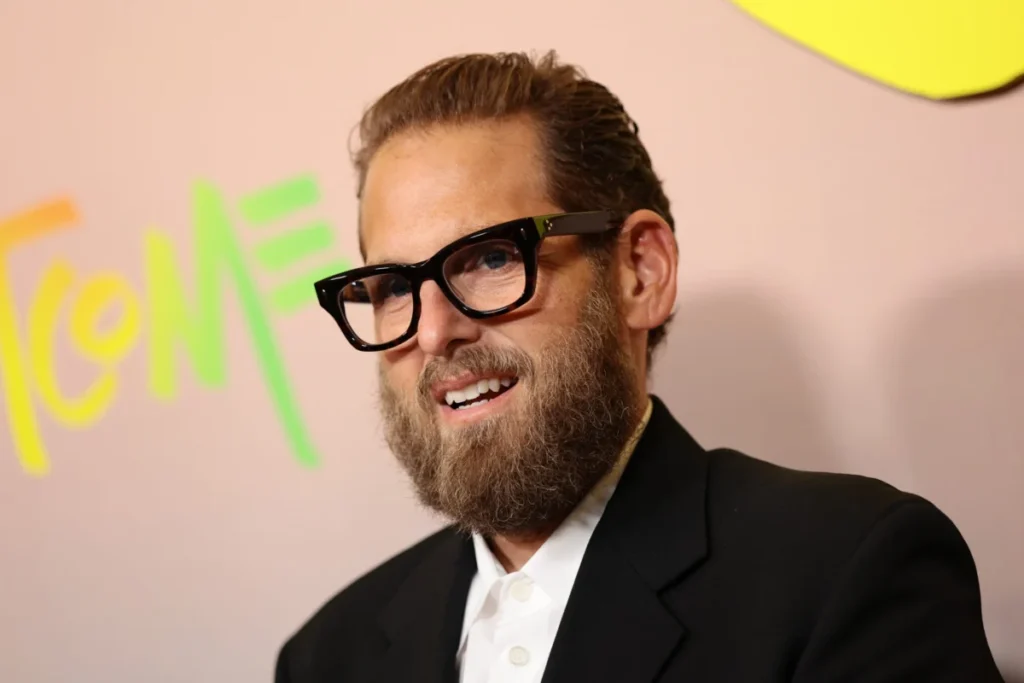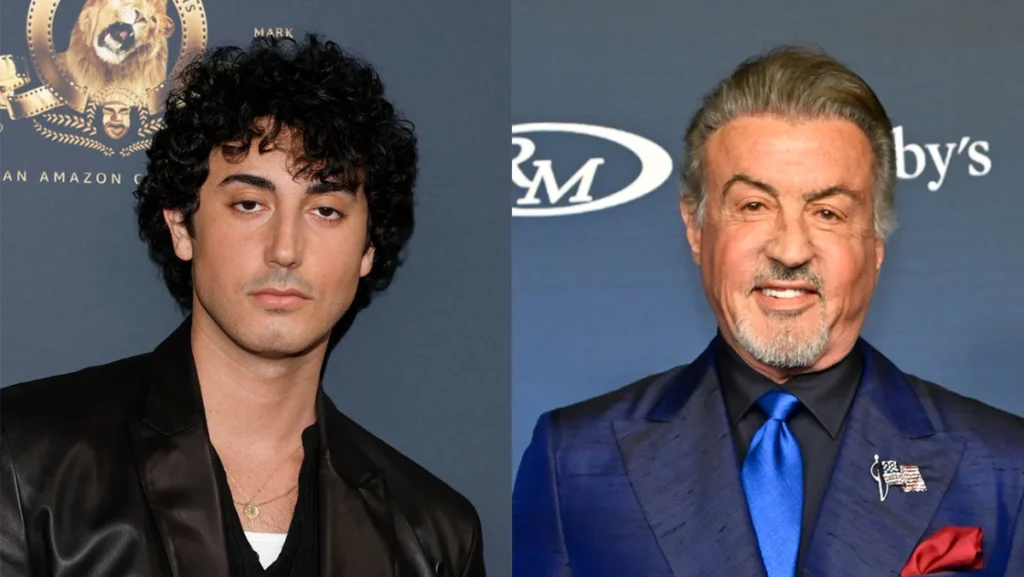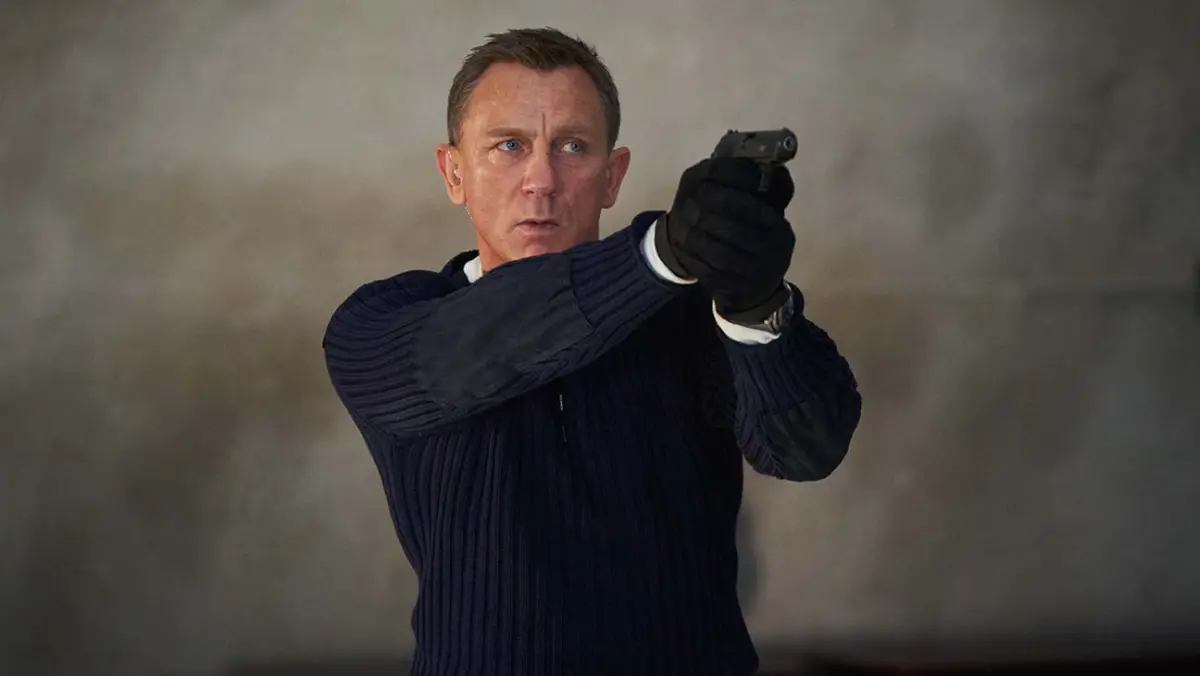
Right now, within the controlled, high-security confines of Pinewood Studios, a select group of British actors are undergoing the most rigorous screen tests in the film industry. The objective is singular: to identify the individual capable of inheriting the mantle of James Bond, a role that has served as the definitive benchmark for the "British gentleman-spy" archetype for over six decades. While the names of Jack Lowden, Callum Turner, and Josh O’Connor frequently appear in industry speculation as leading candidates, the final decision remains a closely guarded secret shared only by the Eon Productions inner circle and director Denis Villeneuve.
The process of selecting a new 007 is not merely a casting decision; it is a strategic maneuver that determines the creative trajectory of one of the most profitable franchises in cinema history. To understand the gravity of the current auditions, one must examine the history of the screen test, an institution that has functioned as a rite of passage for some of the most prominent actors of the 20th and 21st centuries.
A Historical Overview of the James Bond Casting Process
The history of James Bond casting is marked by tension between the desire for established star power and the need for a performer who can embody the enigmatic, often contradictory, nature of Ian Fleming’s creation. Since Sean Connery first portrayed the character in 1962’s Dr. No, the producers—historically the Broccoli family—have balanced the character’s legacy against the evolving cultural expectations of the time.
The "screen test" as a formal mechanism for Bond selection emerged as the franchise grew in influence. It is rarely a simple reading of lines; historically, it has involved "chemistry tests" with potential Bond girls, physical combat choreography, and the delivery of iconic dialogue from previous installments to gauge how a candidate handles the specific rhythm of the 007 persona.
The 1980s: Challenging the Traditional Mold
In the early 1980s, the franchise faced its first major identity crisis as Roger Moore’s tenure reached its twilight. Producers were faced with the prospect of replacing a star who had defined the role for over a decade. In 1982, James Brolin became a focal point of this search. The decision to audition an American actor was a radical departure from the established precedent. Brolin, known for his work in The Amityville Horror, underwent intensive testing, including the classic From Russia With Love seduction scene. While his performance was technically proficient, the eventual return of Roger Moore for Octopussy halted the transition, proving that the franchise’s loyalty to the "British archetype" remained a formidable barrier.
By 1986, with the production of The Living Daylights, the search resumed. The inclusion of Sam Neill in the shortlist represented a shift toward a more nuanced, dramatic approach to the character. Neill, who had gained critical acclaim for Reilly, Ace of Spies, possessed the gravitas necessary for the role. However, industry insiders noted that producer Cubby Broccoli sought a specific blend of grit and charm that favored Timothy Dalton, leaving Neill to pursue a career that would later define the science-fiction genre.
The Casino Royale Transition: A New Era
The casting process for 2006’s Casino Royale remains the most significant inflection point in the modern era of the franchise. Director Martin Campbell and the production team were tasked with rebooting the series, moving away from the fantastical elements of the previous entries and toward the visceral, grounded tone of the original novels.
This period saw a massive influx of talent participating in screen tests, many of whom have since become A-list stars. The 2005 audition pool included Henry Cavill, Antony Starr, Rupert Friend, and Sam Worthington. The selection of these specific actors highlights the production’s intent to explore different iterations of the character—from the youthful, intense approach represented by Cavill to the rugged, physical archetype pursued by Worthington.
Comparative Analysis of 2005 Screen Tests
The data from the 2005 sessions provides a clear window into how the studio evaluates potential leads:
- Henry Cavill: At 22, Cavill was considered too young by Martin Campbell, yet his screen test is widely regarded as a turning point that propelled him toward his later role as Superman.
- Sam Worthington: The Australian actor’s struggle with the "suave" requirements of the role, as admitted in later interviews, underscores the difficulty of maintaining the character’s effortless sophistication under pressure.
- Antony Starr: By performing the GoldenEye scene in his native Kiwi accent, Starr demonstrated the versatility required of an actor trying to transcend regional dialect to meet the "Bond standard."
The Economic and Cultural Implications of Casting 007
The selection of a James Bond actor is a multi-billion-dollar enterprise. The franchise has grossed over $7 billion globally since its inception, and the actor chosen to lead the series essentially becomes the face of the brand for the next decade.
The "loss" of the role is often framed as a failure, yet the professional trajectory of those who tested for Bond suggests otherwise. Many of the "losers" of the screen test process have gone on to command massive film budgets and secure career-defining roles. This indicates that the Bond screen test serves as an elite filter; even if a candidate is not chosen for 007, the exposure and the validation of having reached that level of the audition process significantly elevates their marketability.
The Role of Physicality and Performance
Modern cinema requires a Bond who can navigate the increased demand for high-octane, practical stunts. Current trends in action cinema, influenced by the success of films like Mad Max: Fury Road and the John Wick franchise, mean that the next Bond must be as capable in a stunt coordination setting as they are in a dramatic monologue. The current screen tests at Pinewood are likely incorporating advanced movement analysis, ensuring that the next actor is prepared for the physical rigor of a multi-picture contract.
Future Outlook and Strategic Considerations
As Amazon and Eon Productions navigate the future of the franchise, the pressure to maintain the legacy while appealing to a global, modern audience is immense. The transition to a new lead is not merely about finding a successor to Daniel Craig; it is about defining the tone of the franchise for the next generation of filmgoers.
The reliance on screen tests remains the most effective tool for mitigating risk. By placing candidates in the environment of the soundstage, producers can assess how they interact with the iconic elements of the franchise—the tuxedo, the dialogue, and the presence required to carry a tentpole film.
Conclusion: The Endurance of the 007 Legacy
The cycle of hopefuls entering Pinewood Studios is a testament to the enduring power of the James Bond brand. While the names change and the criteria for selection evolve, the fundamental requirement remains the same: the ability to embody a character who exists at the intersection of vulnerability and invincibility.
As the industry watches the current testing process, it is clear that the legacy of those who came before—Brolin, Neill, Cavill, and others—has paved the way for a more professional, highly competitive, and scrutinized casting environment. Whether the next James Bond is a household name or a rising star, the screen test will remain the ultimate arbiter of who possesses the singular quality required to say, "The name is Bond. James Bond."