The landscape of modern cinematic satire has long been defined by rapid-fire pop-cultural references, subversive counterprogramming, and a delicate balance between lowbrow physical comedy and acute social critique. At the center of this comedic evolution stands the Wayans family, whose fingerprints on the spoof genre span nearly four decades. With the release of the newest installment in their foundational horror-comedy franchise, simply titled Scary Movie (2026), the creators have returned to reclaim their cultural property. Deliberately omitting the numeral six from the title as a pointed form of protest, the film serves simultaneously as a nostalgic legacy sequel, a biting industry critique, and a definitive statement on creative ownership in Hollywood.
Main Facts and the 2026 Revival
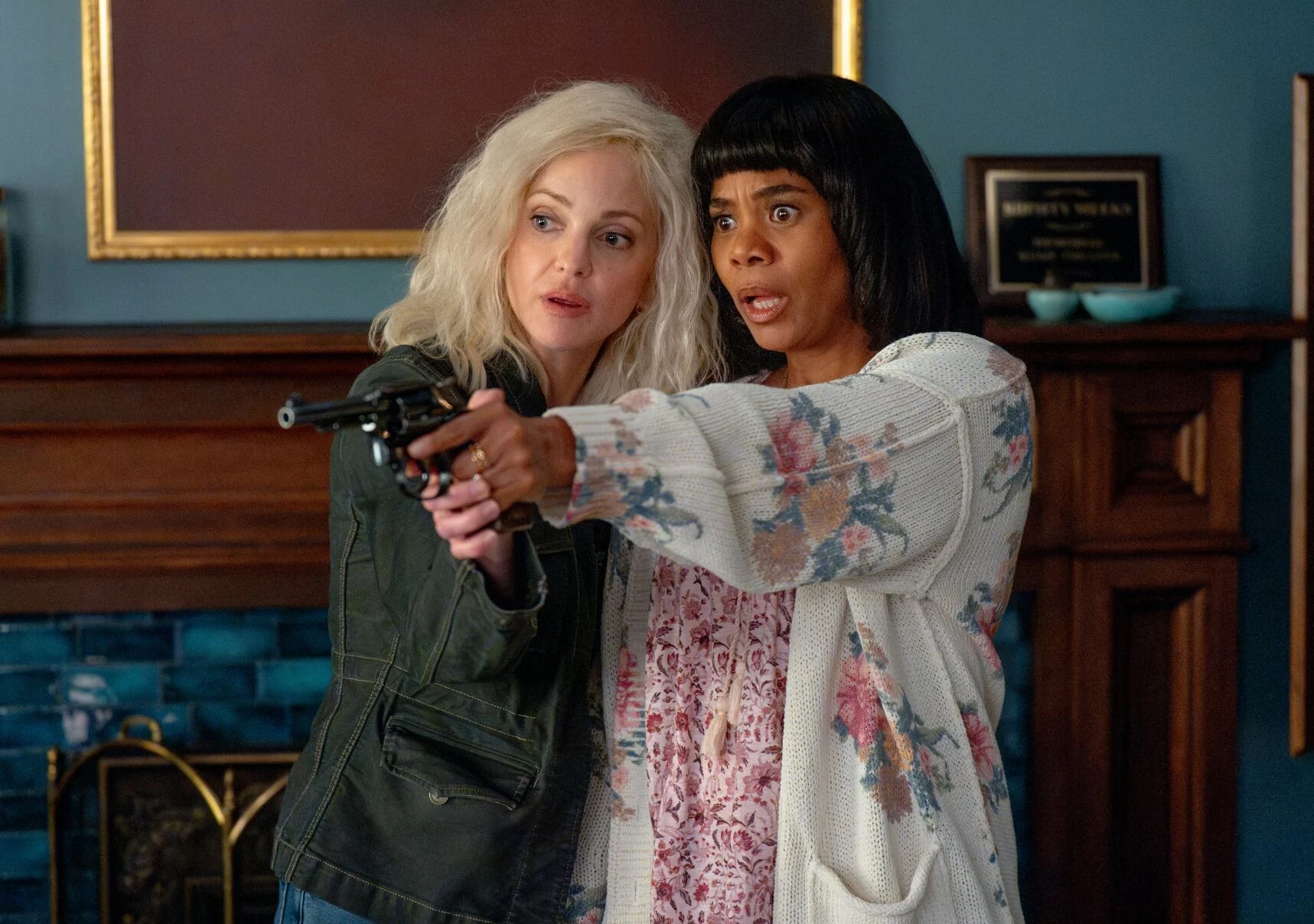
Scary Movie (2026) marks a significant milestone for the franchise, bringing back nearly the entirety of the original cast for the first time in 25 years. Spearheaded primarily by Marlon Wayans alongside his returning collaborators, the film blends contemporary horror tropes with object-permanence callbacks to the original 2000 feature. However, beneath the trademark offensive humor—which relies heavily on gross-out gags and boundary-pushing physical comedy—lies a sharp, self-reflexive examination of Hollywood’s historic treatment of Black artists and intellectual property.
The primary catalyst for this homecoming is rooted in a decades-old industry grievance. Following a high-profile compensation dispute with the Weinstein Company in 2001, the Wayans family collectively disowned the three subsequent sequels—Scary Movie 3 (2003), Scary Movie 4 (2006), and Scary Movie 5 (2013)—which were produced in their absence and directed by Zucker, Abrahams, and Zucker (ZAZ) alumnus David Zucker. The 2026 film directly addresses this corporate alienation, weaving the history of studio exploitation into its overarching narrative frame while proving the enduring commercial viability of the original creative team.
A Chronological Evolution of the Subversive Spoof
To understand the weight of the 2026 reunion, one must examine the lineage of satirical filmmaking that shaped the Wayans sensibilities. The comedic foundation of the genre was heavily influenced by the Zucker, Abrahams, and Zucker trio, whose work pioneered the hyper-dense, reference-heavy spoof format.
- 1977: The release of Kentucky Fried Movie, directed by John Landis, established a plotless sketch format that relied on rapid-fire pop-cultural send-ups as counterprogramming to the divisive political climate of the Vietnam War era.
- 1980: Airplane! elevated absurdity to an art form, cementing the modern narrative spoof template.
- 1987: Robert Townsend and Keenen Ivory Wayans released Hollywood Shuffle, integrating the biting racial satire of The Richard Pryor Show with cinematic karaoke. The film targeted genres traditionally marketed to Black audiences—such as Blaxploitation and early crime dramas—using pointed parody to critique studio pandering and lazy stereotyping.
- 1988–1994: Keenen Ivory Wayans launched I’m Gonna Git You Sucka and the groundbreaking sketch series In Living Color. The latter functioned as an incubator for the Wayans family and their contemporaries, dismantling sacred cows and offering an intelligent, internal critique of Black culture as mediated by white power structures.
- 1996: Don’t Be a Menace to South Central While Drinking Your Juice in the Hood arrived as a direct response to the wave of inner-city coming-of-age dramas that emerged in the wake of films like Boyz n the Hood and Menace II Society. The film satirized the cinematic commodification of Black trauma, violence, and imprisonment for mainstream popcorn entertainment.
- 2000: Scary Movie debuted through Dimension Films, transforming the teen slasher revival into a global box-office juggernaut.
Supporting Data and Financial Performance
The financial trajectory of the franchise underscores its commercial power. The original Scary Movie (2000) was produced on a modest budget of approximately $19 million. Driven by anarchic humor and counter-programming against prevailing mainstream trends, the film grossed a staggering $278 million worldwide, instantly proving the marketability of horror-parody anchored by diverse casts.
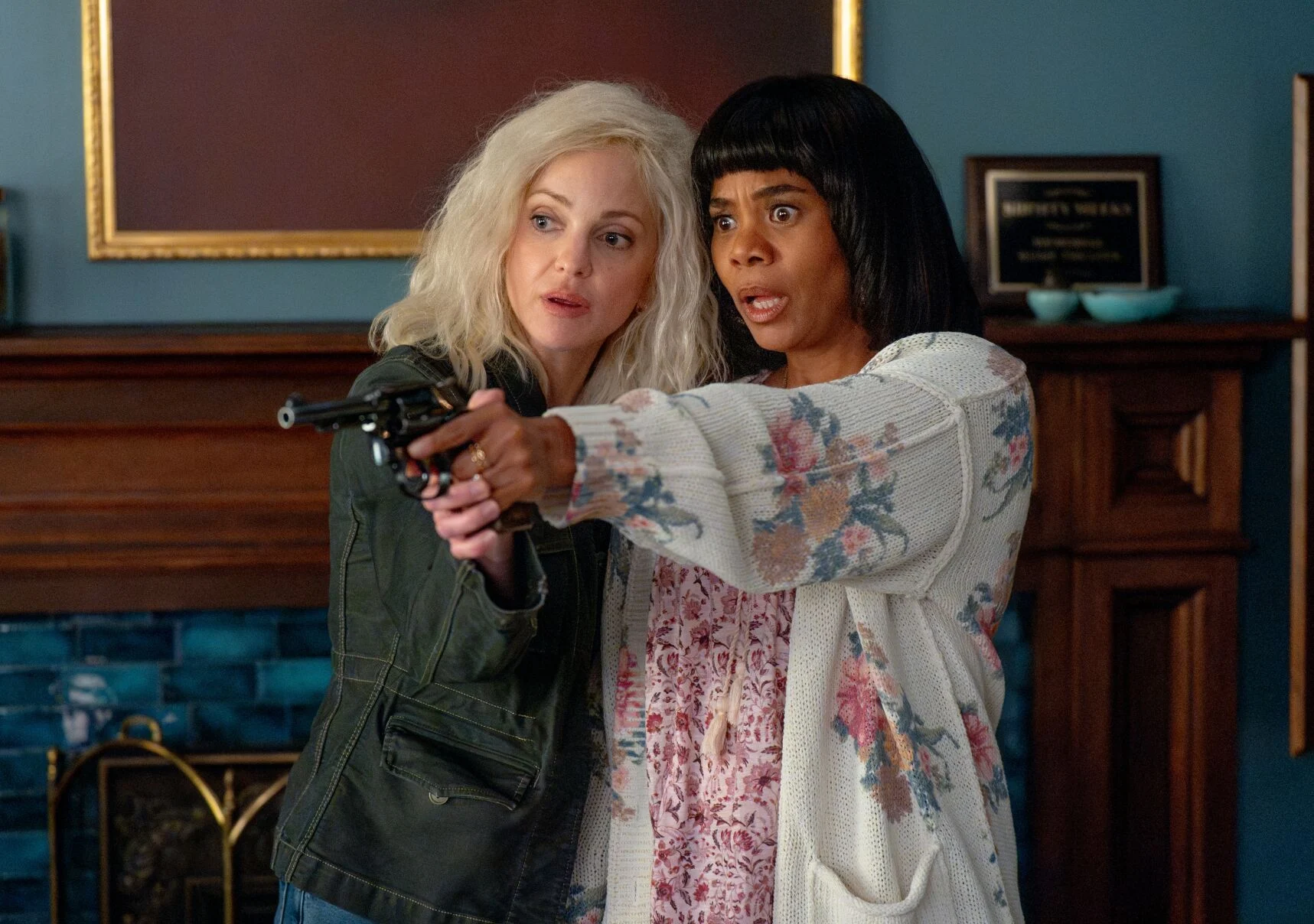
However, the subsequent transition of the franchise following the departure of the Wayans family highlighted recurring industry disparities. When David Zucker stepped in to direct Scary Movie 3 and 4, replacing Shawn and Marlon Wayans with performers like Simon Rex and Charlie Sheen, the foundational creative voice was lost. Marlon Wayans later characterized this corporate displacement in interviews as watching one’s intellectual property undergo unauthorized, detrimental alterations—a narrative familiar to many minority creators whose work has been corporatized.
The 2026 release, meanwhile, has immediately re-established the commercial dominance of the original team. Pulling in $172 million globally within its first two weeks of release, the film demonstrates that audiences remain highly receptive to the specific brand of socially conscious absurdity pioneered by the family decades prior.
Industry Implications and the Broader Cultural Shift
The release of Scary Movie (2026) arrives during a broader reassessment of representation, artistic autonomy, and ownership within the horror and comedy genres. Historically, Black representation in horror has been plagued by predictable tropes, famously encapsulated by Roger Ebert’s 1997 coinages regarding disposable characters. The original Scary Movie actively played with these tensions, inflating racial stereotypes to such absurd extremes that the material functioned simultaneously as juvenile slapstick and social commentary.
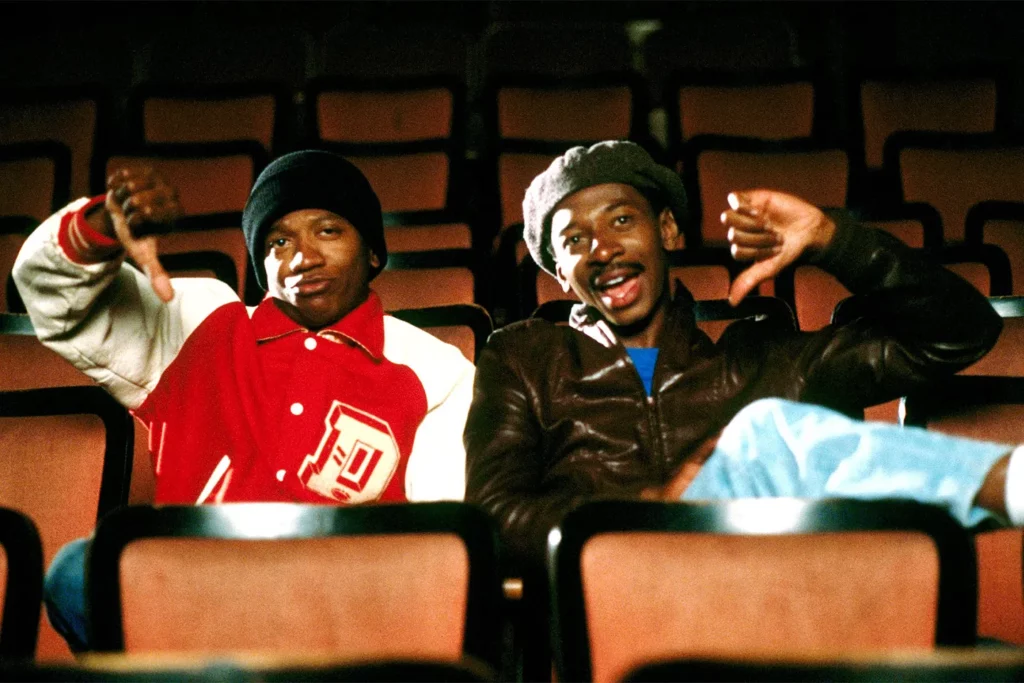
This thematic tension aligns with legendary actor Sidney Poitier’s historic approach to navigating a discriminatory industry. Recounting an interaction with Poitier, Robert Townsend noted that the veteran actor maintained his dignity through the power of refusal—by saying no to compromised roles, despite the personal and professional sacrifices required. The Wayans family similarly spent decades balancing commercial expectations with subversive cultural critiques, ultimately finding avenues within the spoof genre to voice systemic critiques that resonated with mass audiences.
The ongoing conversation surrounding ownership and creative freedom is further reflected in recent box-office milestones, such as Ryan Coogler’s Sinners, which explored artistic independence and the exploitation of Black art while breaking critical and commercial records. While stylistic differences separate prestige thrillers from anarchic parodies, both formats speak to a shifting Hollywood landscape where creators are increasingly reclaiming control over their narratives.
As Scary Movie (2026) continues its theatrical run, its implications extend beyond box-office receipts. By reclaiming their franchise, addressing historical grievances through satire, and reuniting the original ensemble, the Wayans family has not only revitalized a dormant comedic universe but also reinforced the necessity of creative sovereignty in an evolving entertainment industry.