The traditional architecture of Hollywood’s talent pipeline, once defined by the rigorous hierarchies of film school prestige and the grueling climb of on-set apprenticeships, is undergoing a fundamental structural shift. For decades, the path to the director’s chair was a binary one: aspiring filmmakers either spent years working as production assistants and assistant directors to gain institutional knowledge, or they invested hundreds of thousands of dollars in elite institutions like the University of Southern California (USC) or New York University (NYU) to secure the necessary industry connections. However, as the 2024 cinematic landscape reveals, these established avenues are no longer the primary engines of innovation. Instead, a new generation of filmmakers is emerging from the digital trenches of YouTube, leveraging independent platforms to bypass traditional gatekeepers and deliver massive commercial successes that have left major studios scrambling to adapt.
The Erosion of the Traditional Studio Development Model
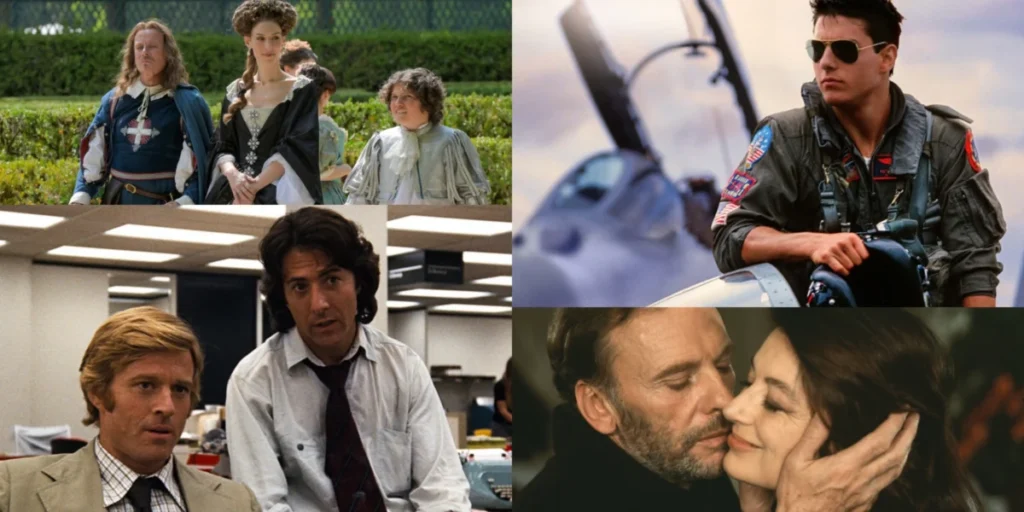
Historically, the American film industry thrived by cultivating talent through smaller-scale projects that allowed directors to hone their craft. In the 1970s and 1990s, studios were more willing to take calculated risks on young visionaries. Steven Spielberg was famously given the opportunity to direct television episodes and the television film Duel in his early twenties, while Paul Thomas Anderson was entrusted with the resources to create Boogie Nights at the age of twenty-six. These opportunities served as a "proving ground" for original voices.
In the contemporary era, however, this developmental middle ground has largely vanished. Risk-aversion among studio executives, driven by the volatility of the theatrical market and the demands of corporate shareholders, has led to an over-reliance on established Intellectual Property (IP). The current Hollywood strategy prioritizes sequels, reboots, and cinematic universes with "pre-sold" audiences, often leaving original storytelling and unproven directors on the sidelines. This institutional stagnation has created a vacuum that is now being filled by creators who have spent years mastering the art of visual storytelling, audience engagement, and post-production on YouTube.
A Chronology of the Digital-to-Theatrical Pivot
The transition from online content creator to feature filmmaker did not occur overnight; it is the result of a decade-long evolution in digital production quality. Initially, YouTube was seen by the industry as a repository for low-fidelity vlogs and amateur skits. However, as the platform’s monetization models matured, creators began reinvesting their earnings into professional-grade equipment, visual effects (VFX) suites, and high-concept short films.
The first major signal of this shift occurred with the Australian duo Danny and Michael Philippou, known to their millions of subscribers as RackaRacka. Known for their high-energy, stunt-heavy comedy videos, the brothers transitioned to feature filmmaking with the supernatural horror film Talk to Me. After a competitive bidding war following its premiere at the Sundance Film Festival, the film was acquired by A24. Produced on a modest budget of $4.5 million, Talk to Me went on to earn over $92 million worldwide, proving that a digital-native audience could be successfully converted into a theatrical one.
Following this success, the "year of the YouTuber" gained further momentum with Mark "Markiplier" Fischbach. Fischbach, one of the platform’s most influential figures, took the unconventional route of self-funding an adaptation of the indie video game Iron Lung. By leveraging his direct connection to his fan base, Fischbach demonstrated that the traditional marketing apparatus of a major studio was no longer a prerequisite for box office viability. This set the stage for the historic summer of 2024, dominated by Curry Barker and Kane Parsons.
The Financial Impact of Curry Barker and Kane Parsons
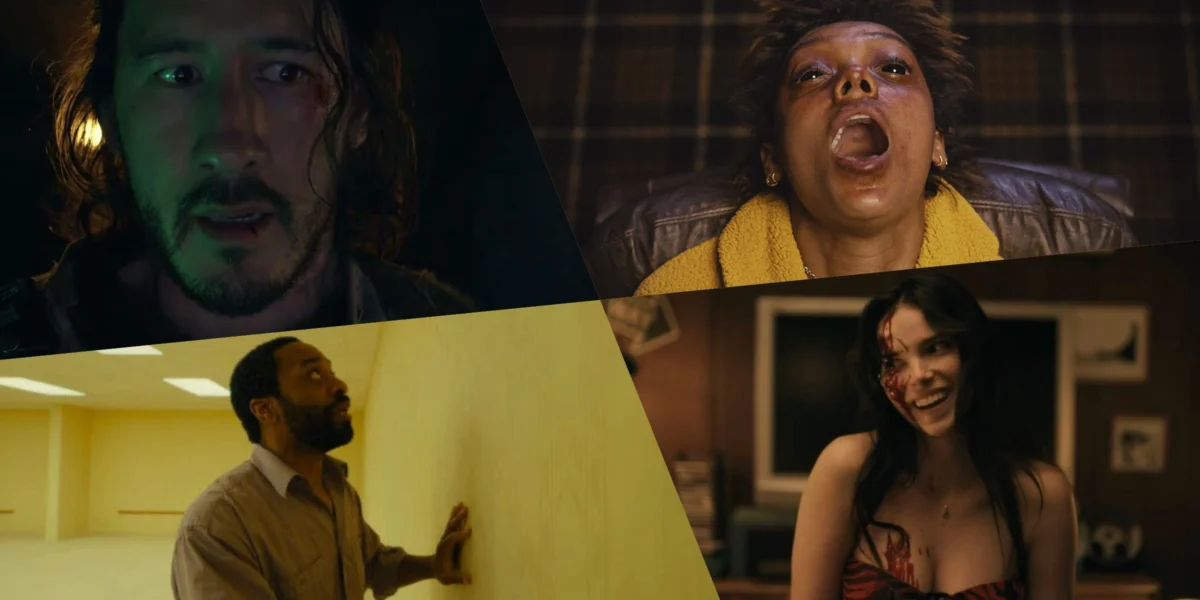
The most significant evidence of this industry disruption can be found in the recent box office performance of Obsession and Backrooms. These films represent a new economic reality for Hollywood: the high-margin, low-risk digital acquisition.
Curry Barker, a creator who built a following through viral horror-comedy shorts, saw his sophomore feature Obsession become a global phenomenon. Produced for a mere $750,000, the film was acquired by Focus Features after generating significant buzz at the Toronto International Film Festival. The film’s trajectory has been nothing short of historic. By its third week of release, Obsession had amassed over $100 million at the worldwide box office. Most notably, it managed to outperform a high-budget Star Wars installment for the number one spot, a feat previously thought impossible for a low-budget independent horror film.
Simultaneously, twenty-year-old Kane Parsons has redefined the potential of the "found footage" genre with Backrooms. Based on Parsons’ viral YouTube series exploring the "liminal space" aesthetic—a specific type of internet-born psychological horror—the project was fast-tracked by A24. By pairing the young director with established industry veterans like Academy Award nominees Chiwetel Ejiofor and Renate Reinsve, A24 bridged the gap between internet subculture and prestige cinema. The result was a record-breaking opening weekend of $118 million worldwide, the highest in the history of the studio.
Comparative Analysis: Traditional IP vs. Digital Native Content
The success of these creators highlights a critical shift in how "brand recognition" is defined. In the past, a brand was a comic book character or a toy line. Today, the brand is the creator themselves.
| Feature | Traditional Studio Project | YouTuber-Led Project |
|---|---|---|
| Average Budget | $150M – $250M | $750k – $15M |
| Marketing Strategy | Massive TV/Billboard spend | Organic social media & direct fan engagement |
| Development Time | 3 – 7 Years | 1 – 2 Years |
| Primary Risk | High financial loss if IP fails | Low financial risk; high reward potential |
| Audience Origin | General public/Legacy fans | Dedicated digital community |
Data suggests that the marketing efficiency of YouTuber-led films is significantly higher than that of traditional blockbusters. Because directors like Barker and Parsons have spent years building trust with their audiences, their promotional cycles are built into their content. When a creator announces a film to ten million subscribers, the "cost per acquisition" for a movie ticket is drastically lower than a traditional studio’s multi-million dollar advertising campaign.
Industry Reactions and Strategic Implications
The reaction within Hollywood has been a mixture of opportunistic enthusiasm and cautious skepticism. Studio executives are increasingly looking toward the "Algorithm to Auteur" pipeline as a way to mitigate risk. According to industry insiders, several major distributors have recently established digital talent scouts specifically tasked with monitoring viral horror shorts and high-concept digital narratives.
However, some critics and industry veterans express concern that this trend may lead to a "data-over-vision" approach to filmmaking. If studios only greenlight projects based on existing digital metrics and subscriber counts, there is a risk that unique voices who do not fit the YouTube algorithm may be further marginalized. The concern is that Hollywood might learn the "wrong lesson" by prioritizing creators with the largest following rather than those with the best cinematic vision.
Despite these concerns, the implications for the future of the industry are clear. The democratization of high-quality film equipment and the global reach of digital platforms have broken the monopoly that film schools once held over the medium. The "DIY digital trenches" are now serving as a more effective training ground than the classroom, providing creators with real-time feedback on pacing, tone, and audience psychology.
Conclusion: A New Paradigm for Global Cinema
The unprecedented success of Obsession and Backrooms marks the beginning of a natural pivot for the film industry. As the traditional studio model continues to struggle with ballooning budgets and stagnant creativity, the influx of digital-native talent offers a much-needed infusion of energy and economic viability.
This new crop of filmmakers has proven that the "illusion of risk" often cited by executives is just that—an illusion. By banking on novice filmmakers with established digital footprints, studios are not just securing a demographic; they are participating in a fundamental evolution of the art form. Whether this remains a dominant trend or evolves into a new standard for talent acquisition, the events of this year have reminded the industry that the most disruptive and profitable voices are often found exactly where the establishment isn’t looking. The era of the YouTuber-filmmaker is no longer a niche curiosity; it is a cornerstone of the modern box office.