Cinema has perpetually operated as an incubator for research and development, relentlessly pursuing the next transformative breakthrough to propel its evolution. From the advent of synchronized sound in the 1920s and the vibrant hues of Technicolor in the 1930s, to the birth of the modern blockbuster in the 1970s, each decade has been marked by significant technological and narrative leaps. However, the prevailing sentiment surrounding the 2020s often points towards a period of decline. The traditional theatrical experience faces multifaceted challenges, including the pervasive influence of streaming services, the ubiquity of platforms like YouTube, and the unprecedented disruption caused by a global health crisis that led to widespread cinema closures. Yet, a closer examination reveals that this decade is, in fact, witnessing some of the most profound innovations in cinema’s history, driven by both technological advancements and a pressing need for adaptation. The film industry, in these recent years, has been actively forging new pathways for cinematic creation, yielding films that would have been unimaginable even a decade prior.
The YouTube-Generated Blockbuster: A New Frontier
Perhaps the most striking manifestation of this innovation is the burgeoning symbiotic relationship between cinema and YouTube. In 2005, when Jawed Karim uploaded "Me at the Zoo," the inaugural video on the platform, YouTube was perceived as a mere novelty – a repository for amateur clips, viral sensations, and lighthearted entertainment. The landscape has dramatically shifted. YouTube has not only ascended to become the world’s largest streaming platform but has also fostered an entire generation of creators who have matured with its ecosystem.

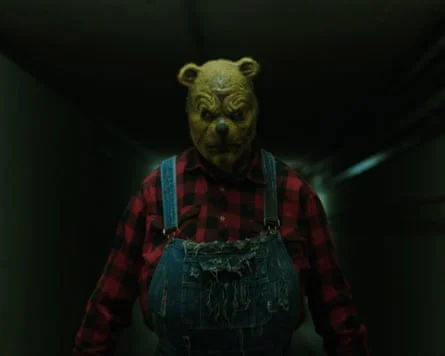
This evolution has paved the way for a new breed of filmmakers. As of the current year, two of the highest-grossing films globally have been helmed by individuals who honed their craft on YouTube. "Obsession," with a worldwide gross of $442 million, was directed by Curry Barker, a 26-year-old who eschewed traditional film school to pursue digital content creation on YouTube and TikTok. Similarly, "Backrooms," which has grossed $384 million worldwide, is a testament to internet-native filmmaking. Directed by the then 20-year-old Kane Parsons, the film is directly inspired by a series of shorts he began publishing on YouTube in 2022. These shorts, in turn, drew from the unsettling world of creepypasta, a genre of web-based horror content that has circulated online since 2019.
Historically, major studios would have likely mishandled such nascent internet phenomena. The approach might have involved a high-concept, star-driven adaptation that alienated the original online audience while failing to resonate with mainstream viewers. However, the current trend marks a significant departure: studios are entrusting creators who are intrinsically familiar with these digital cultures to bring their visions to the screen. The substantial financial returns from these projects strongly suggest that this collaborative model will continue to be a dominant force. Notably, legendary filmmaker Steven Spielberg is currently producing "The Mandela Catalogue," based on a terrifying analogue horror series created by Alex Kister, which has gained significant traction on YouTube since 2021. This signifies a growing recognition of the creative and commercial potential originating from online platforms.
The Copyright Expiry Phenomenon: A Renaissance of Public Domain Properties
Another significant, albeit sometimes controversial, trend shaping contemporary cinema is the rise of "copyright expiry" films. The Copyright Term Extension Act of 1998 in the United States, which extended copyright protection to 95 years after publication, created a prolonged period where classic works remained locked away. In the UK, copyright laws differ, typically extending for 70 years after the creator’s death. This legislative shift effectively paused the influx of new public domain material for two decades. When works published in 1923 finally entered the public domain in 2019, it triggered a rush of creative adaptations.
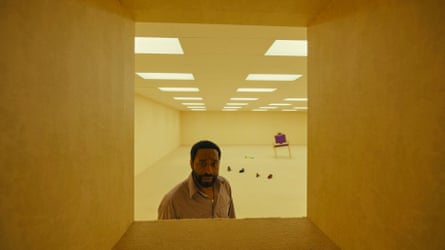
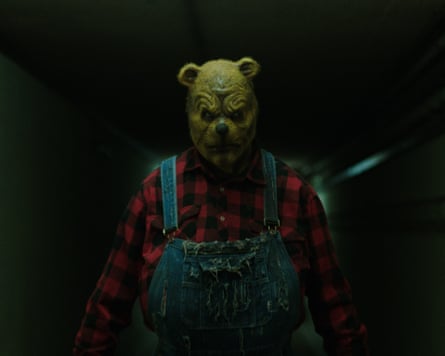
While this period has seen a surge in creative output, the initial wave of copyright expiry films has been met with mixed critical reception. The first notable example was 2023’s "Winnie the Pooh: Blood and Honey," a low-budget slasher film whose primary innovation was the controversial reimagining of a beloved children’s character. This was followed by films such as "The Mouse Trap" and "Screamboat," both loosely based on "Steamboat Willie," the earliest iteration of Mickey Mouse to fall out of copyright protection. Other ventures included "Popeye the Slayer Man" and "Bambi: The Reckoning." By and large, these productions have been characterized by their low budgets, exploitative premises, and a tendency to exhaust their narrative potential well before their conclusions. However, the pipeline of such films remains robust.
The immediate future promises further exploration of this trend. "Poohniverse: Monsters Assemble," slated for release next year, is set to feature a crossover of iconic characters including Winnie-the-Pooh, Tigger, Bambi, Peter Pan, Tinker Bell, Pinocchio, Sleeping Beauty, and the Cheshire Cat. Looking ahead, the public domain entry of King Kong in 2029 is anticipated to inspire a new wave of creative interpretations, potentially including low-budget horror films featuring the iconic giant ape. This phenomenon, while often resulting in films that prioritize shock value over artistic merit, represents a significant economic opportunity for independent filmmakers and a fascinating case study in how cultural touchstones are recontextualized.
The Audience as Director: The Power of Fandom and Online Discourse
Perhaps the most pivotal and arguably the most important cinematic development of the 2020s has been the unprecedented influence of audiences on film production and reception. This trend, for better or worse, illustrates how viewers have effectively "hijacked" movies for their own creative and social ends. The most prominent example of this phenomenon is the "Barbenheimer" cultural moment. The simultaneous release of Greta Gerwig’s "Barbie" and Christopher Nolan’s "Oppenheimer" ignited a grassroots movement where audiences enthusiastically purchased tickets to see both films in a single day, often in double-feature screenings. This organic phenomenon, which few within the film industry anticipated, generated immense publicity and significantly boosted the box office performance of both critically acclaimed movies.
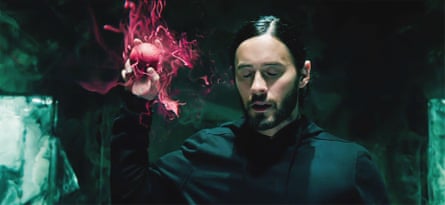
A contrasting, yet equally illustrative, example is the case of "Morbius." This critically panned film, starring Jared Leto, became the subject of widespread ironic online mockery. The studio, Sony Pictures, misinterpreting this online discourse as genuine audience interest, controversially re-released the film in over 1,000 theaters. The subsequent box office performance was negligible, underscoring the disconnect between ironic online sentiment and genuine commercial appeal. Furthermore, the "Gentleminions" trend, where teenagers dressed in formal attire to attend screenings of "Minions: The Rise of Gru," and the disruptive behavior observed during certain screenings of "A Minecraft Movie," highlight how audiences are actively engaging with and altering the cinema-going experience through social media-driven trends.
The Sonic the Hedgehog Revolution: A Turning Point for Video Game Adaptations
Arguably no film has benefited more profoundly from audience reaction and intervention than "Sonic the Hedgehog." The initial trailer, released in 2019, presented a nightmarish rendition of the iconic character, featuring bizarre human-like proportions, unsettlingly small eyes, and a set of teeth that seemed disturbingly out of place. The internet’s reaction was swift and overwhelmingly negative. In previous eras, a studio might have ignored such criticism and released the film with minimal changes, bracing for inevitable commercial failure. However, in a remarkable display of responsiveness, the producers heeded the public outcry.
The trailer’s release on a Tuesday was met with immediate backlash. By Thursday, the director announced that the character would undergo a complete redesign. Six months later, the revamped "New Sonic" was unveiled to widespread approval from fans. This pivotal moment transformed the film’s trajectory. With a character design that resonated with audiences, "Sonic the Hedgehog" went on to become the sixth highest-grossing film of 2020. This success marked a watershed moment for video game adaptations, a genre historically plagued by critical and commercial disappointments.
Prior to "Sonic," video game adaptations were widely regarded as a low-point in cinematic endeavors. Films like the dismal live-action "Super Mario Bros." from 1993, the bewildering "Max Payne" (2008), and Uwe Boll’s notoriously poor "Postal" (2007) exemplified the genre’s struggles. Between 1993 and 2019, approximately 46 English-language video game adaptations collectively grossed $5.4 billion. In stark contrast, "A Minecraft Movie" alone neared a billion dollars at the box office. The animated "The Super Mario Bros. Movie" (2023) concluded the year as the second highest-grossing film globally, surpassed only by "Barbie." As of the current writing, "The Super Mario Galaxy Movie" stands as the highest-grossing film worldwide for 2026. By demonstrating a willingness to deliver what audiences genuinely desire, "Sonic the Hedgehog" has fundamentally altered the perception of video game adaptations, transforming them into a lucrative and highly sought-after cinematic commodity. This shift suggests a future where successful online fan engagement could be a key driver of cinematic success, potentially leading to further innovative collaborations, such as Mr. Beast directing "Sonic the Hedgehog 5" or the inevitable emergence of low-budget horror films based on iconic characters once their rights enter the public domain.