The conclusion of the third season of The Walking Dead: Dead City has left audiences and industry analysts speculating on the future of one of AMC’s most enduring post-apocalyptic franchises. As Maggie Rhee and Negan Smith solidify their uneasy alliance in the desolate ruins of Manhattan, the narrative threads left dangling by the Season 3 finale suggest that the saga is far from its final chapter. While an official renewal for a fourth season has not been confirmed by AMC executives, the strategic importance of the series to the broader Walking Dead universe remains a critical factor in current production discussions.
The Current Narrative Landscape
The eight-episode third season served as a significant expansion of the series’ scope, moving beyond the central tension between its two leads to incorporate a wider array of sociopolitical dynamics within the zombie-infested landscape of New York City. The plot centered on the dual challenges of physical survival against the undead and the political maneuvering required to establish a functioning community.
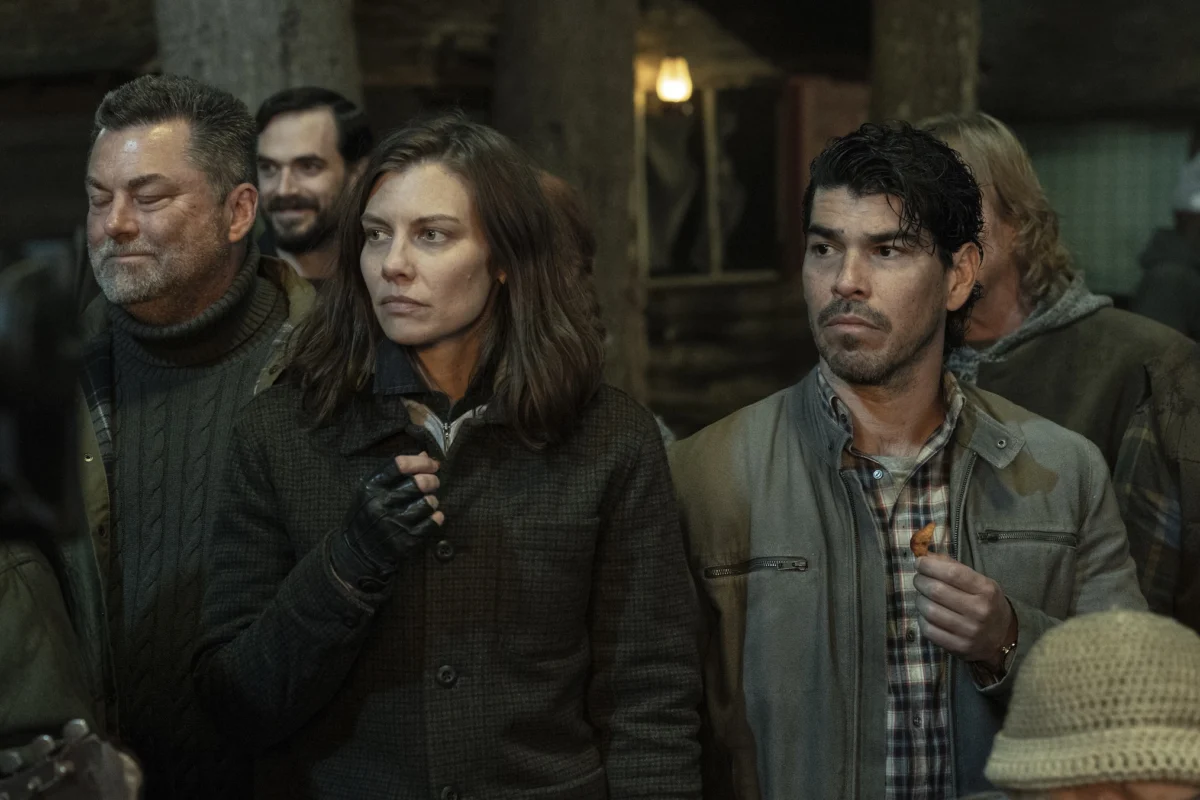
The finale provided a definitive shift in the character dynamics that have defined the franchise since the original series. The primary antagonist, Dillard, played by Jimmi Simpson, reached a point of total psychological breakdown, culminating in a violent sequence that forced a reconciliation of sorts between Maggie and Negan. By the end of the episode, the structural power in their settlement has been formalized: Maggie has transitioned into a leadership role focused on expansion, while Negan has been appointed as sheriff and her second-in-command. This power structure suggests a new era for the show, where the focus shifts from internal conflict between the two leads to the external pressures of reclaiming territory in a fractured metropolis.
Chronology of the Walking Dead Expansion
To understand the potential for a fourth season, it is necessary to contextualize the series within the timeline of the broader franchise. The Walking Dead universe, which began in 2010 with the original series, has undergone several iterations of expansion and contraction.
- 2010–2022: The primary run of The Walking Dead established the fundamental lore and introduced the characters of Maggie Rhee and Negan Smith, whose histories are inextricably linked by the trauma of the Savior war.
- 2023: The Walking Dead: Dead City premiered, serving as the first major direct spinoff to follow the conclusion of the flagship series. It immediately set a tone of noir-inspired horror in an urban environment.
- 2024–2025: Seasons 2 and 3 saw the show refine its aesthetic and narrative focus, transitioning from a rescue mission to a territorial drama.
- 2026: The Season 3 finale aired, marking a pivot point for the franchise’s future as other spinoffs, such as The Walking Dead: Daryl Dixon, approach their own scheduled conclusions in 2027.
Supporting Data and Industry Context
Industry analysts have noted that AMC’s strategy for its prestige franchises has shifted significantly over the past 24 months. Following a period of aggressive expansion, the network has pivoted toward a "quality over quantity" model. Scott M. Gimple, the Chief Content Officer for the franchise, has publicly acknowledged this shift, noting that the rollout of future content will be slower and more deliberate to ensure narrative coherence.
The viewership metrics for Season 3 have been cited as a primary indicator for a potential renewal. While specific streaming data for AMC+ remains proprietary, the series has maintained a consistent presence in social media discourse and critical review aggregators. The economic model for Dead City benefits from the shared infrastructure of the Walking Dead production team, which mitigates some of the financial risks associated with high-budget genre television. Historically, AMC has demonstrated a willingness to invest in established IPs that maintain a dedicated, albeit segmented, audience.
Official Responses and Strategic Intent
Scott M. Gimple’s recent public comments provide the most tangible evidence for the show’s future. In a statement regarding the future of the franchise, Gimple emphasized that while the flagship series and other spinoffs are reaching their logical conclusions, the "ongoing" nature of the universe requires the continuation of core stories.
"We are currently in a phase of the Walking Dead universe where we are looking for the best stories," Gimple noted in a recent industry interview. "The journey of Maggie and Negan is one that we are actively planning for. We want to ensure that the transition into any potential fourth season maintains the integrity of the characters we have spent over a decade developing."

This sentiment is echoed by the production team, including showrunner Seth Hoffman. The collaborative nature of the show’s leadership, which includes lead actors Lauren Cohan and Jeffrey Dean Morgan as executive producers, suggests that the creative vision is tightly aligned between the talent and the network.
Broader Impact and Narrative Implications
The implications of a fourth season extend beyond the immediate plot. Should the show be renewed, it will likely be the cornerstone of the post-2027 Walking Dead universe. With the conclusion of The Walking Dead: Daryl Dixon scheduled for 2027, Dead City would become the primary vessel for maintaining the franchise’s continuity.
The evolution of Maggie from a vengeful survivor to a pragmatic, expansionist leader, and Negan’s transition into a formal authority figure, provides the show with a new thematic engine. The question is no longer whether they can coexist, but whether they can build a society that does not succumb to the same authoritarian or chaotic failures that defined the previous world. The inclusion of Hershel Rhee, now a young man navigating the shadow of his parents’ complex legacies, adds a generational component to the narrative that is likely to be explored further in subsequent seasons.
Challenges to Continued Production
Despite the creative optimism surrounding the series, several logistical challenges remain. The primary constraint is the availability and commitment of the lead cast. Lauren Cohan and Jeffrey Dean Morgan have both maintained busy professional schedules outside of the franchise. Furthermore, the production of a show set in a ruined Manhattan requires significant logistical coordination, involving a mix of on-location shooting and sophisticated visual effects to maintain the high production value associated with the series.
Additionally, the show must navigate the challenge of maintaining audience interest in a landscape saturated with survival-horror content. To succeed in a fourth season, the writing team must avoid the stagnation that often affects long-running genre dramas. The shift toward rebuilding and administrative control in Season 3 was a calculated move to avoid the repetitive nature of the "travel-and-survive" trope. Continuing this trajectory—exploring the politics of reconstruction—would distinguish the show from its predecessors and provide a fresh angle for returning viewers.
Future Outlook
As the television industry navigates a period of consolidation, The Walking Dead: Dead City occupies a unique position. It is neither a new, unproven property nor a legacy show burdened by years of diminishing returns. It is a mature, focused, and highly stylized project that has successfully re-contextualized two of the most recognizable characters in modern horror.
While fans await an official announcement from AMC, the preponderance of evidence—ranging from executive statements to the open-ended nature of the Season 3 finale—points toward a positive outlook. The creative infrastructure is in place, the story is mid-arc, and the network’s strategic requirement for "ongoing" content suggests that the doors to the streets of Manhattan may reopen sooner rather than later.
In the interim, the production team remains engaged in post-season analysis, assessing the reception of the recent narrative shifts and preparing the framework for what would be the most expansive season of the series to date. Whether or not a formal announcement arrives in the coming weeks, the narrative trajectory is set: Maggie and Negan have established their new order, and the world they are building is one that the network is clearly hesitant to leave behind.