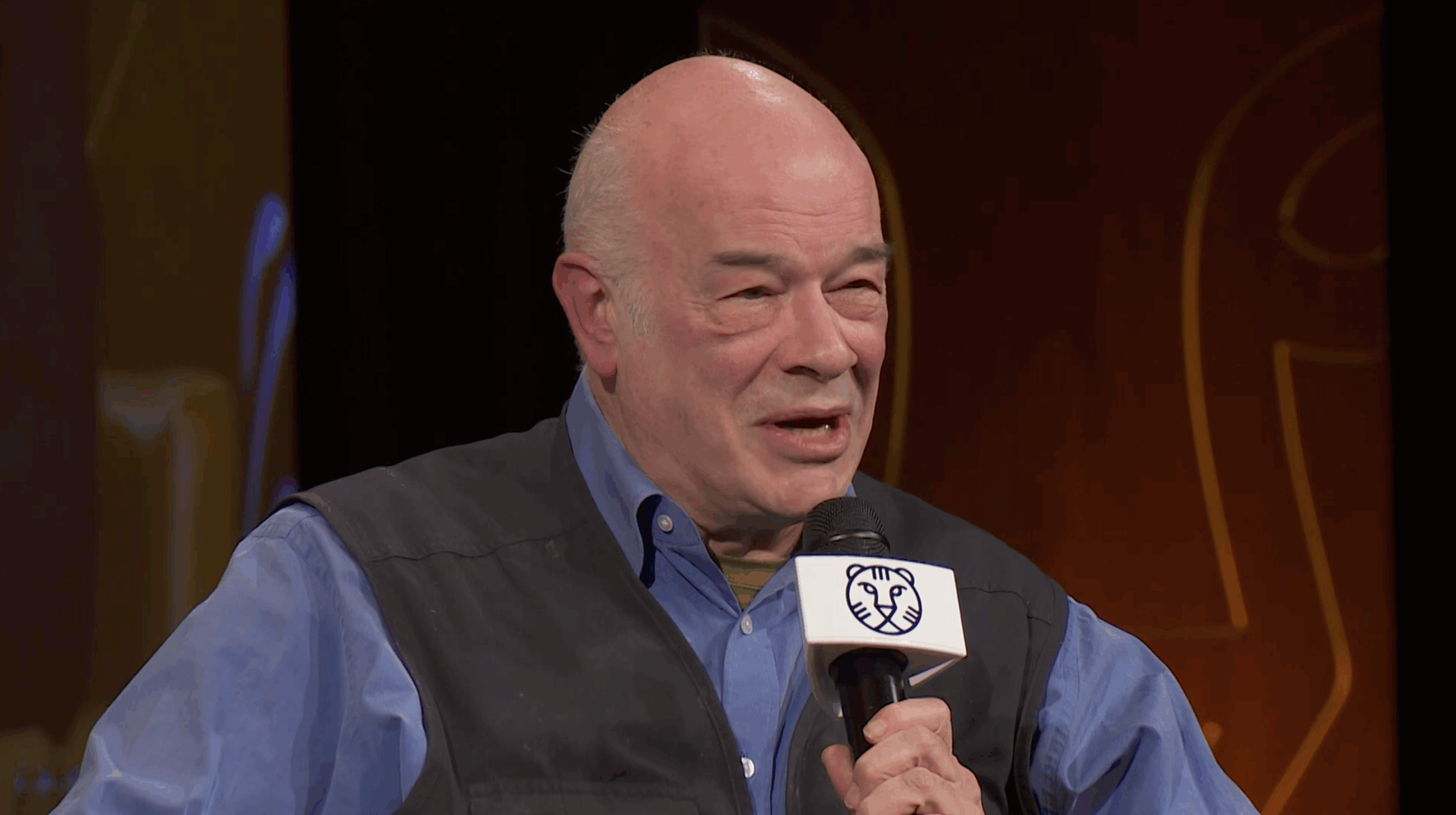
The global cinematic community mourns the passing of Tony Rayns, a towering figure whose profound influence on the appreciation and understanding of East Asian cinema in the Western world is widely regarded as unparalleled. Rayns, who died recently following a battle with cancer, leaves behind a legacy defined by tireless advocacy, incisive criticism, and an extraordinary ability to connect diverse cinematic cultures. His contributions stretched far beyond mere programming or writing; he was a foundational architect in shaping the careers of legendary directors and introducing countless films to an international audience that might otherwise never have seen them.
A Pillar of East Asian Cinema’s Global Rise
Tony Rayns was universally acknowledged as the pre-eminent authority on East Asian cinema, a reputation he cultivated through decades of dedicated research, travel, and engagement. His work was instrumental in bridging the geographical and cultural divides that historically limited the exposure of Asian films in the West. He was not just an observer but an active participant in the rise of major cinematic movements, often serving as the first, and sometimes only, critical voice to champion emerging talents on the international stage.
Among the celebrated filmmakers whose careers were significantly shaped by Rayns’s early support and discerning eye are luminaries such as Hou Hsiao-Hsien, Jia Zhang-Ke, and Wong Kar-Wai. These directors, now household names in cinephile circles, benefited immensely from Rayns’s commitment to showcasing their early works at a time when their artistic visions were still nascent and largely unknown outside their home countries. His ability to identify future masters underscored his deep understanding of cinematic craft and cultural nuance. For instance, he provided crucial early platforms and critical analyses for the "Fifth Generation" of Chinese filmmakers, who emerged in the 1980s, and later nurtured the "Sixth Generation" by teaching at the Beijing Film Academy, directly influencing a new wave of cinematic talent.
Before Rayns’s concerted efforts, East Asian cinema was often viewed through a narrow, exoticized lens or confined to specialist academic circles. His work, however, transcended these limitations, presenting these films not as curiosities but as vital, complex artistic expressions worthy of serious global consideration. He provided the essential context and critical framework that allowed Western audiences to engage with these narratives on their own terms, fostering a deeper, more informed appreciation.
The Tireless Champion of the Unseen
While Rayns’s advocacy for established and soon-to-be-established masters is well-documented, a less celebrated but equally significant aspect of his work was his unwavering commitment to filmmakers who operated outside the mainstream, often without significant institutional backing. From 1989 to 2016, during his heroic 27-year tenure as the East Asia programmer at the Vancouver International Film Festival (VIFF), Rayns transformed the festival into a vital global launchpad for a vast array of cinematic voices.
At VIFF, Rayns curated a diverse selection that included not only the emerging works of future titans like Bong Joon-ho – whose early films he championed long before Parasite achieved global acclaim – but also hundreds of independent filmmakers whose work might otherwise have remained obscure. For many of these artists, a screening at VIFF was their first, and sometimes only, international exposure. Rayns approached every film with the same rigorous intellectual curiosity and passionate enthusiasm. If he believed in a film, regardless of its budget or pedigree, he would accord it the same meticulous attention and laudatory descriptions in the festival catalogue as he would an obvious masterwork. This egalitarian approach was revolutionary, particularly at a time when international film festivals often prioritized commercially viable or critically pre-approved titles.
His track record in this regard is virtually unmatched. He tirelessly campaigned for these artists, often travelling extensively to meet them, understand their contexts, and personally select their films. This dedication created a crucial ecosystem for independent East Asian cinema, providing essential visibility and encouragement to a generation of filmmakers who were "fighting the good fight" – making challenging, often politically charged or experimental films against significant odds. The impact of his programming choices reverberated through the independent film circuits, fostering a more inclusive and diverse global cinematic landscape.
A Master of Incisive Critique
Beyond his role as a programmer, Tony Rayns was an extraordinarily gifted and prolific film critic. His contributions to publications such as Monthly Film Bulletin and Sight & Sound throughout the 1970s, 1980s, and 1990s stand as monuments of cinematic analysis. What set Rayns apart was his singular ability to articulate the intricacies of a film – its strengths, its flaws, its complex thematic underpinnings – with unfailing precision and clarity. His prose was notably accessible, devoid of academic jargon, yet intellectually rigorous, making even the most challenging films comprehensible to a wide readership.
His reviews offered pellucid, incisive analyses that covered vast swathes of world cinema, providing essential critical frameworks for understanding a rapidly evolving global film landscape. Furthermore, his capsule reviews collected in the Time Out Film Guide are celebrated as masterclasses in wit and concision, demonstrating his capacity to distill the essence of a film into a few perfectly crafted sentences. This unique blend of depth and accessibility made him an invaluable guide for both seasoned cinephiles and newcomers.
It is a lamentable fact that Rayns authored only a handful of small books, and many of his most insightful essays on East Asian cinema remain buried within long-forgotten festival catalogues, specialist magazines, and anthologies. The richness of his critical thought, if fully collected, would constitute an indispensable resource for film studies. Compounding this loss, a personal memoir he was preparing on Japanese independent cinema will now, unfortunately, never see publication, depriving the world of what would undoubtedly have been a definitive account from an unparalleled perspective.
A Confluence of Unique Talents
Perhaps what made Tony Rayns such a singular and irreplaceable figure was his possession of a rare constellation of talents not typically found in one individual. He excelled at the solitary, introspective work of researching, analyzing, and writing, meticulously dissecting cinematic texts. Yet, he was equally adept at the highly social business of building and maintaining a vast global network, fostering friendships, and bringing diverse groups of people together. This duality was evident from his early life; he founded a film society as a teenager and launched an influential magazine in his early twenties, demonstrating a precocious knack for both scholarship and community building.
He was both a highly authoritative author and a dynamic "animateur," moving ceaselessly across continents to forge connections and facilitate cinematic exchange. A prime example of this was his deep engagement with Chinese cinema. While it is widely known that he co-arranged the world’s first major retrospective of Chinese film in 1980, less recognized is his authorship of the most thorough assessments of the "Fifth Generation" and their historical context. His direct involvement extended to teaching the "Sixth Generation" as a guest lecturer at the Beijing Film Academy, demonstrating a hands-on commitment to nurturing new talent and discourse.
His unique analytical and creative talents were further exemplified by his work with director Jang Sun-woo. Rayns didn’t just author a definitive study of the Korean filmmaker; he also directed the brilliant "essay film" The Jang Sun-woo Variations (2001). This cinematic and highly insightful meditation on Jang’s oeuvre transcended conventional documentary filmmaking, offering a profound critical analysis through the medium of film itself, a feat that arguably puts most other film documentaries to shame. In essence, Rayns not only accomplished more than almost anyone else in his field but also performed many of these tasks with a level of excellence that set new benchmarks.
The Mentor and Raconteur
The word "mentor" frequently appears in the numerous personal tributes that have emerged since Tony Rayns’s death, a testament to his profound impact on a wide array of individuals. Not only did he mentor students and obscure filmmakers, but even established writers and directors openly admitted to learning immensely from him, despite never having met him in some cases. His vast knowledge of cinema was unparalleled, and he seemed happiest when sharing it, making him an invaluable fount of information and inspiration.
Rayns was also a formidable raconteur. An hour spent in his company was typically an immersive journey into film lore, richly garnished with lively, often hair-raising, anecdotes about directors, critics, and programmers, as well as A-grade gossip that provided an insider’s view of the cinematic world. He once confessed that he never prepared for speaking engagements, a claim made shortly before delivering a breathtakingly detailed introduction to an Edward Yang screening, after which the audience reportedly followed him around the venue, eager to hear more.
The advent of specialist DVD and later Blu-ray releases proved to be a perfect platform for his particular talents. Rayns quickly became a highly respected provider of commentaries and introductions for all kinds of films. His contributions to these home-video releases are undeniably among the most informative, engaging, and indispensable ever produced, offering unprecedented access to his insights and further solidifying his legacy as an educator and communicator.
A Life Dedicated to Cinema: Chronology and Personal Reflections
Tony Rayns’s life was a testament to relentless dedication to cinema. Born in 1948, his passion ignited early, leading him to found a film society in his teens and an influential magazine, Cinema Rising, in his early twenties. The 1970s saw him emerge as a significant critic for Monthly Film Bulletin and Sight & Sound. A pivotal moment arrived in 1980 when he co-arranged the world’s first major retrospective of Chinese film, a groundbreaking event that foreshadowed his enduring commitment to East Asian cinema. His 27-year tenure at VIFF, commencing in 1989, solidified his reputation as a master programmer and advocate. The early 2000s saw him venturing into filmmaking with The Jang Sun-woo Variations (2001), while his later years were marked by prolific contributions to home-video releases, ensuring his knowledge reached an ever-wider audience.
In his last decade, even as he largely stepped back from programming, Rayns’s energy remained undiminished. He described his daily life as a "frantic rush," a clear indication that his intellectual curiosity and dedication to cinema never waned, despite looking forward to a less demanding retirement. He continued writing, advising, teaching, translating, and delivering talks and seminars until the very end.
Those fortunate enough to know him personally often speak of his remarkable generosity. He treated everyone he appreciated – from the few peers he tolerated, to world-class directors he admired, to emerging talents "fighting the good fight" – with the same respect and enthusiasm. His willingness to share his vast knowledge, profound memories, and even aspects of his private life created deep and lasting connections. As Jia Zhang-ke poignantly observed in his tribute, Rayns did all the things he did alone, a solitary giant in his field.
In his final two years, Rayns grappled with a second bout of cancer, enduring periods of both good and very poor health. His last bad spell began during a stay in Bologna, at his beloved festival Il Cinema Ritrovato, a fitting location for a life dedicated to the preservation and appreciation of film. He passed away alone, but his solitary journey through life was a profound source of inspiration and assistance to countless individuals across the globe. For any cinephile, it is difficult to imagine a life more fully and passionately lived, or a legacy more deeply etched into the fabric of global cinema.
Enduring Legacy and Broader Implications
Tony Rayns’s passing leaves an irreplaceable void in the world of film criticism, programming, and scholarship. His contributions have fundamentally altered the landscape of global cinema, making East Asian films an integral part of the international cinematic dialogue. He not only introduced films but cultivated an informed appreciation for their artistic merit, cultural significance, and diverse narratives.
His legacy extends beyond individual films and filmmakers. Rayns’s work set a precedent for how non-Western cinemas should be approached and presented, advocating for cultural specificity and artistic integrity over commercial pressures or simplistic interpretations. He demonstrated the power of a single individual’s passion and intellect to shape global cultural understanding. Film studies curricula, festival programming strategies, and the very way audiences discover and engage with international cinema have all been indelibly influenced by his pioneering efforts.
The countless individuals he mentored, directly and indirectly, will continue to carry forward his spirit of tireless inquiry and dedicated advocacy. His incisive writings remain essential reading for anyone seeking to understand the complexities of East Asian cinema and beyond. While his physical presence is no more, the pathways he forged, the conversations he ignited, and the films he championed will continue to resonate for generations, ensuring that Tony Rayns’s profound impact on the cinematic world will endure. His was a life truly devoted to the art form, a beacon for all who believe in the transformative power of film.