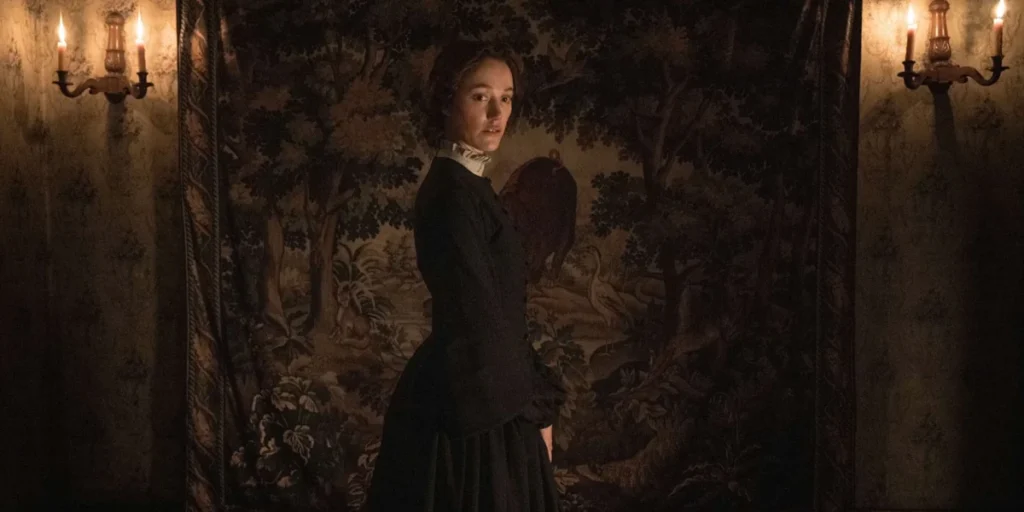
The landscape of contemporary cinematic family melodrama often treads a hazardous path between unearned emotional manipulation and genuine human resonance. In her latest directorial effort, Up Against It, filmmaker Trudie Styler navigates this delicate equilibrium, crafting a 122-minute feature that examines the fault lines of modern divorce, medical crisis, and the heavy toll of maternal sacrifice. Starring an international ensemble led by Antonio Banderas, Forest Whitaker, and Eva Birthistle, the film premiered to critical discussions regarding its nuanced subtext beneath a high-concept, emotionally charged narrative premise.
Narrative Premise and Core Conflict
The central plot of Up Against It revolves around the uneasy reunion of Álvaro, played by Antonio Banderas, and his ex-wife Saffron, portrayed by Eva Birthistle. Long divorced, the former couple has successfully established separate lives with new partners—Álvaro is happily engaged to Lara, played by Úrsula Corberó, while Saffron is building a life with Kingsley, played by Arinzé Kene.
Their strained domestic stability is anchored by their 13-year-old daughter, Rose, brought to life by young actor Eden Hamilton. Following a disruptive appearance at her mother’s engagement party, Rose experiences a sudden and severe health crisis. Medical evaluations confirm a recurrence of a rare form of leukemia she first battled as an infant.
Presented by the family physician, played by Academy Award-winner Forest Whitaker, the family is dealt a sobering medical reality: an exact genetic match via a stem cell transfusion represents Rose’s most viable path to survival. Consequently, the medical team recommends in vitro fertilization (IVF) to conceive a biological sibling who can serve as a compatible donor. This clinical directive forces Álvaro and Saffron into an extraordinary ethical and emotional dilemma, upending the boundaries of their respective current relationships and igniting dormant grievances.
Production Team and Cast Collaboration
Directed by Trudie Styler, the film features a screenplay co-written by Chloe King and Camille Griffin. The production brings together a diverse international cast to explore universal themes through culturally varied lenses. Alongside Banderas, Whitaker, Birthistle, Corberó, and Kene, the supporting cast includes Selena Tan in a comedic role as a fertility specialist, providing brief levity amidst the heavy narrative stakes.
Styler’s direction leans into the inherent absurdities and emotional friction of the premise, allowing the stellar cast to ground the narrative’s more melodramatic beats in recognizable psychological realism. Birthistle assumes the demanding role of Saffron, shouldering the complex public and private burdens of a mother under critical scrutiny, while Banderas channels his familiar screen persona of the charismatic, artistically inclined, yet self-absorbed romantic.

Thematic Subtext: The Weight of Motherhood
Beyond its surface-level medical drama, Up Against It utilizes its premise to examine deeper societal pressures placed on women. Screenwriters Griffin and King construct a narrative that functions fundamentally as an exploration of the realities of motherhood, autonomy, and professional sacrifice.
Throughout the film, Saffron’s history reflects a common gendered disparity in career realization. While Álvaro pursued and achieved international renown as a musician, Saffron curtailed her legal ambitions, settling for a career as a paralegal to shoulder the primary burdens of domesticity and child-rearing. The narrative highlights how societal expectations demand perfection from mothers while offering little structural support, forcing women to navigate impossible choices between career fulfillment, familial preservation, and the critical gaze of their children.
Critics note that while the film risks falling into the well-worn tropes of illness-of-the-week melodramas—frequently compared to previous cinematic releases such as Life Itself and We Live in Time—it distinguishes itself through its sharp, perceptive focus on the unheralded labor of maternal endurance.
Critical Reception and Reception Metrics
Upon its release cycle, Up Against It earned a generally favorable critical consensus, culminating in a 7/10 final score from industry reviewers. Analysts have praised the film’s understated observations regarding human bonding, contrasting its emotional intelligence against occasional lapses into predictable plotting and overt sentimentality.
Among the narrative choices drawing debate is a culturally diverse musical sequence featuring the entire ensemble in a line-dancing routine. While intended to celebrate the multifaceted cultural representation of the cast, the scene has been cited by critics as an example of the film’s occasional susceptibility to pushy tonal shifts. Nevertheless, the committed performances of the principal cast largely anchor these stylistic excursions.
Broader Implications and Industry Context
Up Against It enters a crowded marketplace of contemporary dramas addressing terminal illness and fractured familial reconciliation. By focusing the lens on the systemic burdens carried by women within family structures, the film offers a perspective that elevates standard genre conventions.
While box office projections and awards season prospects remain modest—industry analysts currently project minimal major awards traction for the feature—the film solidifies Trudie Styler’s reputation for directing character-driven narratives that challenge audiences to look past familiar setups. By grounding its high-stakes premise in recognizable pain, lingering affection, and generational friction, Up Against It succeeds in delivering a resonant exploration of the lengths to which families will go when faced with ultimate loss.