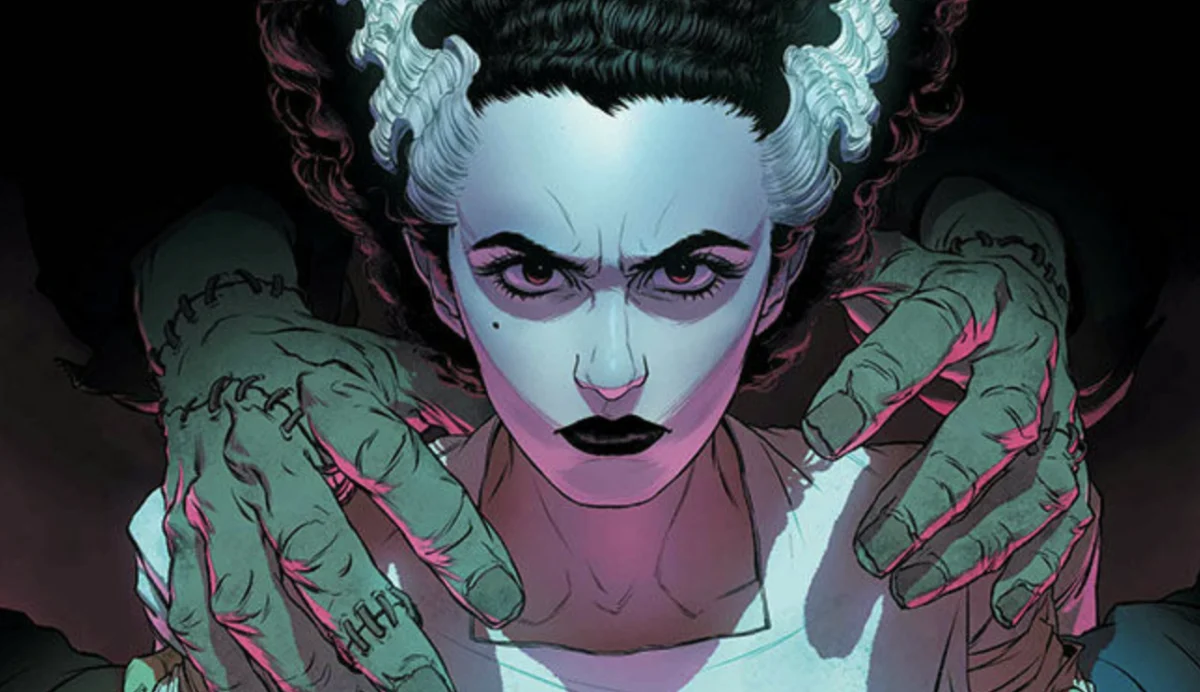
The upcoming four-issue miniseries, published by Image Comics, is set to hit comic shop shelves on October 28. The creative team behind this project, writer Kelly Thompson and artist Mattia De Iulis, previously collaborated on the critically acclaimed series The Cull. Their return to a shared creative space, coupled with the legacy of one of cinema’s most enduring icons, has generated significant anticipation among collectors and fans of classic monster cinema.

The debut issue, which spans 32 pages, carries a standard cover price of $4.99. In a strategic move to capitalize on the collector market, Image Comics has confirmed that the first issue will feature a total of 11 distinct cover variants. This extensive selection is designed to appeal to both long-term enthusiasts of the Universal Monsters franchise and modern comic book readers who prioritize unique cover art.
The Narrative Foundation of the Bride
The plot of the miniseries serves as a reimagining of the character’s origin, distancing itself from the traditional narrative constraints of the 1935 film. The story centers on the Bride, who awakens abruptly during a violent thunderstorm. Having been assembled from disparate parts of stolen flesh and reanimated through the primal force of electricity, she possesses no recollection of her past life or the circumstances of her creation.

This narrative arc forces the protagonist to confront the existential dread of her own existence. Without a roadmap to her history, she must navigate a world that is fundamentally hostile to her presence. The series explores themes of identity, bodily autonomy, and the struggle to find purpose in a society that views her as a monstrous anomaly. By focusing on her internal journey, Thompson and De Iulis aim to provide a more nuanced look at a character historically defined primarily by her brief appearance at the end of a feature-length film.
A Legacy of Cinematic Horror
The Universal Monsters brand remains a pillar of the horror genre, tracing its roots back to the early 1930s. The original Bride of Frankenstein, directed by James Whale and starring Elsa Lanchester, remains a high-water mark for gothic cinema. The character has since evolved from a brief, tragic figure into a cultural icon of autonomy and rebellion.

The decision to revisit the Bride in a comic format aligns with a broader trend of "legacy horror" expansion. Over the last decade, publishers have increasingly turned to classic intellectual properties to bridge the gap between golden-age cinema and contemporary serialized storytelling. The partnership between Universal Pictures and various comic publishers has allowed for a revival of characters like Dracula, the Mummy, and the Invisible Man, ensuring their relevance in a digital-first entertainment landscape.
Creative Synergy and Production Details
Kelly Thompson, a veteran writer known for her work on major superhero titles and creator-owned projects alike, brings a sharp, character-driven approach to this script. Her work with Mattia De Iulis on The Cull demonstrated a unique visual and narrative chemistry that the publisher is clearly looking to leverage here.

De Iulis, known for his hyper-realistic and atmospheric art style, is expected to bring a visceral quality to the "stolen flesh" and "electrical" elements of the Bride’s origin. The visual presentation of the series will be critical, as the character is defined by her iconic hair and stitched aesthetic. The 11 cover variants provide a canvas for a diverse range of artistic interpretations, from classic gothic illustrations to modern, minimalist graphic design.
Economic Implications for the Collector Market
The release of a 32-page, $4.99 debut issue is standard for contemporary monthly comics; however, the inclusion of 11 cover variants reflects a specific strategy for retailers and collectors. In the current comic book market, "variant covers" often serve as the primary driver for print run success.

Market analysts suggest that the "cover hunt" culture—where collectors attempt to acquire a complete set of variants—often pushes the initial sales volume of a debut issue into a higher tier. For Image Comics, this project represents a low-risk, high-reward strategy. By pairing a high-profile creative team with a globally recognized intellectual property, the publisher minimizes the barriers to entry for new readers while maximizing the engagement of the dedicated collector base.
Strategic Timing: The Halloween Window
The October 28 release date is strategically positioned for the Halloween season, a period when demand for horror-themed media reaches its annual peak. By releasing the first issue just days before the holiday, Image Comics ensures that the book is prominently displayed in brick-and-mortar comic shops during the period of highest foot traffic.

This timing also creates a "fear of missing out" (FOMO) dynamic, as readers are encouraged to pick up the book as part of their seasonal entertainment consumption. If the series maintains steady momentum through its four-issue run, it is likely to be collected into a trade paperback edition in the spring, further extending the intellectual property’s lifecycle.
Industry Reception and Anticipation
While official reviews are pending, the industry response has been one of curiosity regarding how a 2026 iteration of the Bride will address modern sensibilities. The focus on the character’s struggle for identity suggests a departure from the "damsel" tropes that occasionally plagued mid-century horror.

Retailers are reportedly preparing for strong demand, particularly for the rare "chase" covers among the 11 options. The reliance on established artists for these covers serves as a hedge against the unpredictability of a new series launch, ensuring that even if the story narrative faces mixed reception, the aesthetic value of the individual issues remains high.
Looking Toward the Future of Universal Monsters
The success of Universal Monsters: Bride of Frankenstein Lives may determine the trajectory of future character-centric miniseries from the franchise. If this model proves effective, it is probable that other iconic characters from the Universal library will receive similar treatment. The industry is currently moving away from massive, interconnected "shared universes" in favor of focused, prestige-format limited series that offer a complete story within a contained number of issues.

This shift benefits the consumer, as it reduces the commitment required to follow a story to its conclusion. For the Bride of Frankenstein, this is a particularly fitting evolution. After decades of being defined by her relationship to the Monster, this four-issue miniseries promises to finally grant her the spotlight—and the autonomy—she has been denied since her inception nearly a century ago.
As October 28 approaches, the focus remains on the synthesis of Thompson’s writing and De Iulis’s visual language. Whether this series will be viewed as a definitive modernization of a classic monster or simply a high-quality stylistic exercise remains to be seen. However, the sheer volume of artistic investment and the timing of the launch position the book as a significant release for the final quarter of the 2026 publishing calendar.