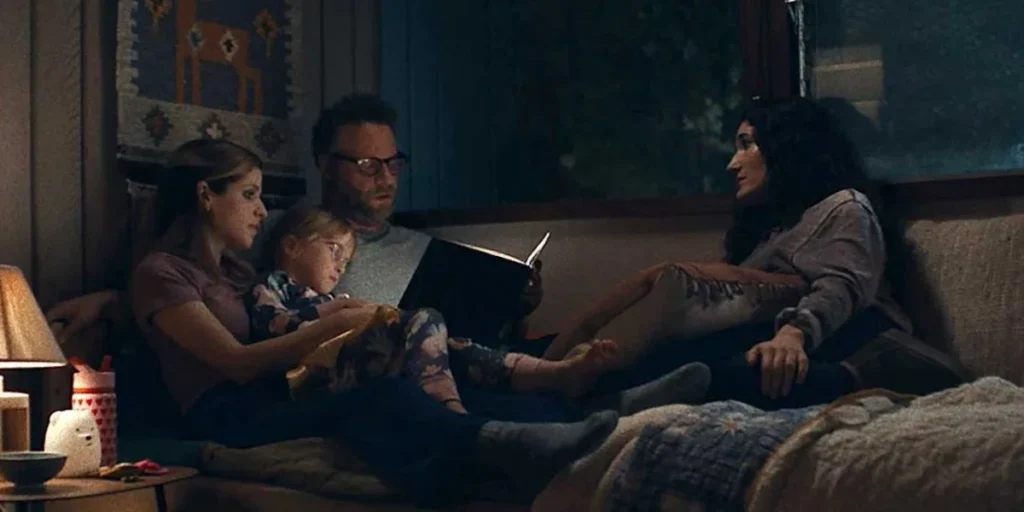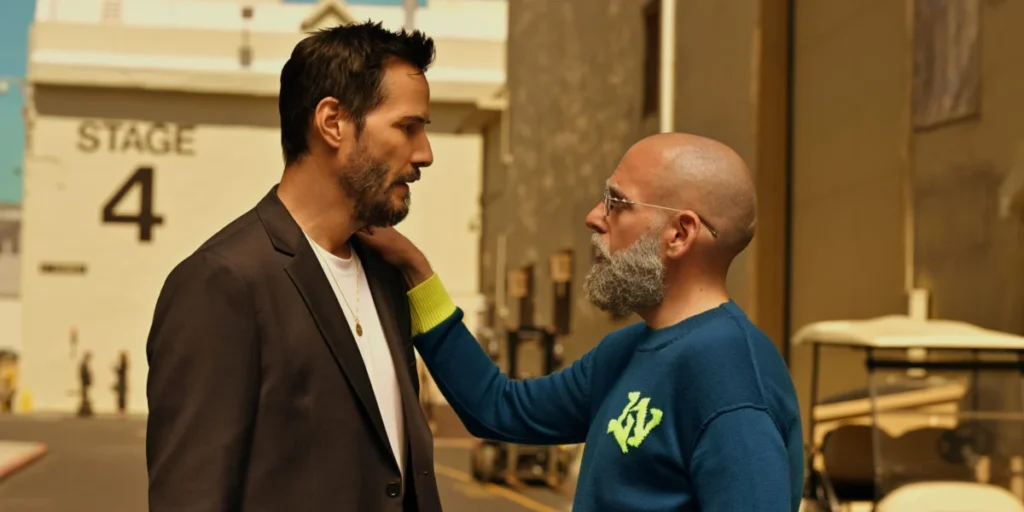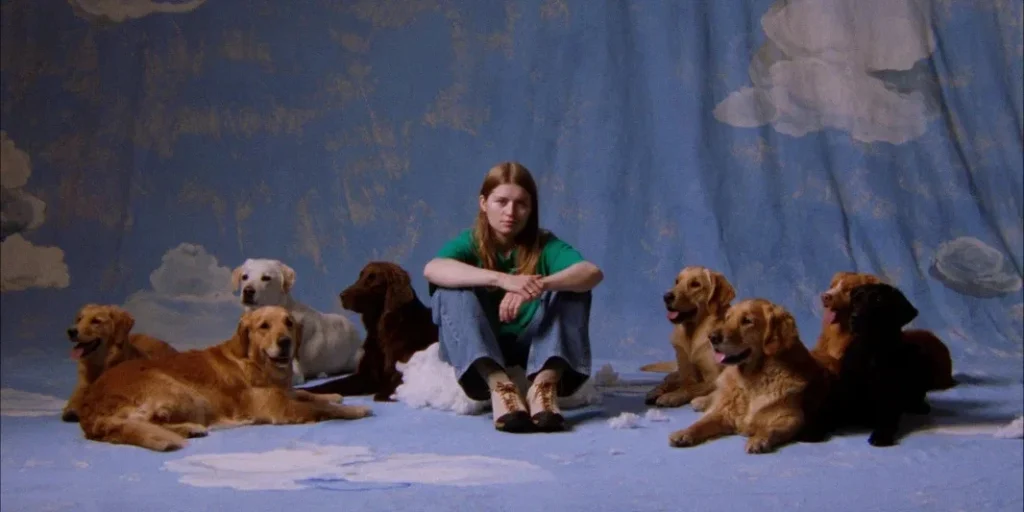
The landscape of prestige television has undergone a significant shift with the release of Pluribus, an American post-apocalyptic science fiction series developed by Vince Gilligan for Apple TV+. Marking a highly anticipated creative reunion between Gilligan and lead actress Rhea Seehorn following their celebrated work on Better Call Saul, the series explores a distinct narrative path within the science fiction genre. Set against the stark, atmospheric backdrop of Albuquerque, New Mexico, Pluribus departs from traditional "alien invasion" tropes to present a psychological and sociological examination of humanity. The story follows Carol Sturka, portrayed by Seehorn, a novelist who finds herself in a state of profound isolation after an extraterrestrial virus sweeps across the globe. Unlike the violent or destructive pathogens often depicted in the genre, this virus transforms the human population into a peaceful, content hive mind. While the collective consciousness is ostensibly harmonious, it presents a unique threat to the protagonist as it persistently seeks to assimilate her and other immune individuals into its unified existence.
The production has garnered widespread critical acclaim since its debut, with industry analysts and television critics highlighting Gilligan’s meticulous writing and direction. The series currently stands as a cornerstone of Apple TV+’s original programming strategy, emphasizing high-concept storytelling backed by established creative talent. Beyond the narrative structure, the performance of Rhea Seehorn has been a primary focal point of the show’s success, earning her significant accolades during the most recent awards season. To provide further insight into the making of the series, cast member Karolina Wydra recently participated in an extensive discussion on the Next Best Picture Podcast, detailing the collaborative environment on set and the specific challenges of bringing Gilligan’s vision to life.
Chronology of Development and Production
The trajectory of Pluribus began shortly after the conclusion of Better Call Saul in 2022. Following the critical success of his work within the Breaking Bad universe, Vince Gilligan entered a competitive bidding war for his next project, which was described at the time as a "grounded genre" series. Apple TV+ ultimately secured the rights with a two-season, straight-to-series order, a move that signaled the streaming service’s confidence in Gilligan’s ability to draw a dedicated viewership.
Pre-production commenced in late 2022, with Gilligan serving as showrunner and executive producer. The decision to film in Albuquerque was both a creative and practical choice. Having spent over fifteen years filming in the region, Gilligan utilized the familiar desert landscapes to create a sense of eerie, sun-drenched isolation that contrasts with the "peaceful" nature of the hive-mind virus. Principal photography for the first season took place throughout 2023, employing a significant number of local crew members and contributing to the growing film economy in New Mexico.
The series premiered on Apple TV+ to immediate critical interest, followed by a strategic rollout that allowed for word-of-mouth growth. By the time the awards season arrived in early 2024, Pluribus had established itself as a frontrunner in the drama and science fiction categories. The timeline of the show’s success was solidified when Seehorn secured wins at both the Golden Globe Awards and the Critics’ Choice Awards, marking a pivotal moment in her career and validating Apple’s investment in the project.
Supporting Data and Economic Context
The success of Pluribus is reflected not only in critical reviews but also in the broader context of the streaming industry and regional economic data. According to industry reports, Apple TV+ has seen a steady increase in its subscriber engagement metrics for original dramas, with high-concept sci-fi series like Silo, Severance, and now Pluribus leading the growth.
From a regional standpoint, the production of Pluribus contributed significantly to the New Mexico film industry. According to data from the New Mexico Film Office, the state’s film and television industry reached a record-breaking $5.75 billion in direct spending over the last several years. Gilligan’s continued commitment to Albuquerque has played a central role in this economic stability. The production of Pluribus utilized local soundstages and diverse locations, ranging from the urban centers of Albuquerque to the remote outskirts of the high desert, providing hundreds of jobs for local residents.

Furthermore, the "hive mind" concept within the show has sparked data-driven discussions regarding its thematic relevance in the digital age. Social media sentiment analysis during the show’s peak airing periods indicated a high level of audience engagement with the show’s philosophical questions regarding individuality versus collective security. The series maintains a high "fresh" rating on aggregate review sites, often cited for its 90th percentile performance in categories such as "originality" and "pacing."
Official Responses and Creative Perspectives
In her interview on the Next Best Picture Podcast, Karolina Wydra offered a firsthand account of the production’s atmosphere. Wydra emphasized the precision of Gilligan’s scripts, noting that the creator’s reputation for detail remains a defining characteristic of his work. According to Wydra, the collaborative process between Gilligan and Seehorn is a "masterclass in shorthand," developed through years of working together on previous projects. She described the set as one that prioritizes character depth over spectacle, a sentiment echoed by other members of the production team.
Official statements from Apple TV+ executives have praised the series for its ability to blend "high-stakes science fiction with intimate human drama." During a recent earnings call, representatives for the platform noted that Pluribus represents the type of "prestige, talent-driven content" that defines their brand identity. Vince Gilligan himself has stated in press junkets that his goal with the series was to move away from the "anti-hero" tropes of his previous work and explore the concept of "goodness" and "peace" as potentially unsettling or even antagonistic forces.
Critics have responded favorably to this subversion. Reviews from major outlets such as The Hollywood Reporter and Variety have lauded the show for its "unflinching look at the cost of autonomy." The consensus among the industry is that the series successfully balances the technical requirements of science fiction with the nuanced character work usually reserved for traditional stage dramas.
Broader Impact and Narrative Implications
The implications of Pluribus extend beyond its immediate entertainment value, as it challenges the established conventions of post-apocalyptic storytelling. Traditionally, the "end of the world" in cinema and television is characterized by chaos, violence, and the breakdown of social order. Pluribus introduces a "polite apocalypse," where the primary threat is not death, but the loss of the individual self into a benevolent collective. This narrative choice serves as a commentary on contemporary social structures, the influence of social media, and the human desire for belonging versus the need for personal identity.
The series also reinforces the "Albuquerque Cinematic Universe" legacy, proving that the location can be transformed into a variety of settings beyond the gritty crime drama associated with Breaking Bad. The aesthetic of Pluribus—characterized by wide-angle lenses, saturated colors, and a deliberate use of silence—establishes a new visual language for the region.
Furthermore, Rhea Seehorn’s success in the role of Carol Sturka has significant implications for the industry’s recognition of veteran television actors. Her wins at the Golden Globes and Critics’ Choice Awards are seen by many as a long-overdue acknowledgement of her range, potentially opening doors for more female-led science fiction projects that focus on intellectual and emotional resilience rather than physical combat.
As Pluribus continues its run on Apple TV+, its influence is expected to persist in discussions regarding the future of streaming content. The show’s ability to attract a wide audience while maintaining a high level of artistic integrity suggests a growing market for "smart" science fiction. With the second season already in development, the industry will be watching closely to see how Gilligan expands on the world he has created and whether the series can maintain its trajectory of critical and commercial success. For now, Pluribus remains a definitive example of how established creative partnerships and innovative storytelling can redefine a genre for a modern audience.