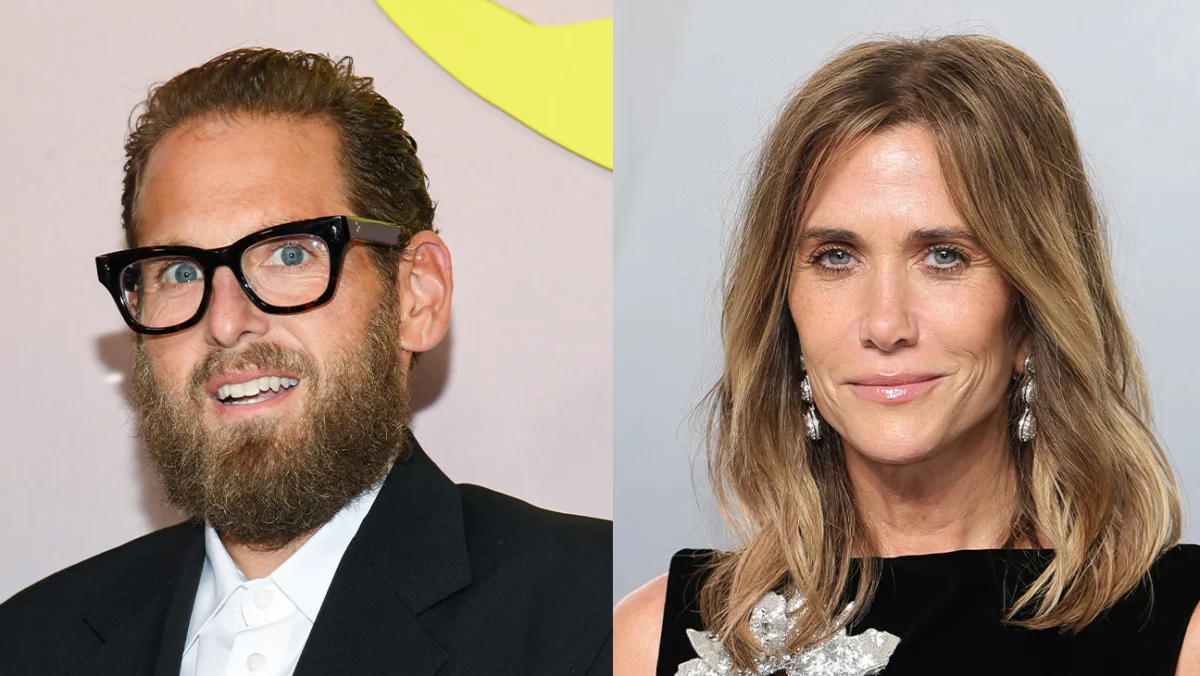
Jonah Hill’s eagerly anticipated comedy Cut Off, co-starring Kristen Wiig, is currently without a release date after being pulled from its initial July 17 slot, prompting a divergence of reports regarding the studio’s rationale. The film, which wrapped production in January, has become a subject of industry discussion as Warner Bros. navigates a complex theatrical landscape and recalibrates its slate. While Puck News recently reported the film was deemed "unreleasable" by some within the studio, a source close to the situation has informed The Hollywood Reporter that Warner Bros. is simply seeking more time to properly execute its marketing and distribution strategy. A new release date is reportedly forthcoming, though no specifics have been provided by the studio.
The Initial Announcement and Subsequent Delay
The journey of Cut Off to the big screen has been marked by a series of developments. The film, which sees Hill not only starring but also directing, producing, and co-writing alongside Ezra Woods, was first highlighted for its ensemble cast and promising comedic premise. It features Hill and Wiig as two wealthy, albeit "dumbass," adult siblings who find their lives upended when their affluent parents abruptly cut off their financial support. Hill himself has described the project as a "classic comedy," drawing comparisons to beloved films like Step Brothers, Clueless, and Trading Places, promising audiences "the dumbest shit you’ve ever seen in your entire life."
The initial plan saw Cut Off slated for a July 17 release. This date, however, placed it in direct competition with a major tentpole: Christopher Nolan’s epic Oppenheimer. For a mid-budget comedy, even one with significant star power like Hill and Wiig, a head-to-head battle against a highly anticipated, critically acclaimed director’s historical drama often presents an insurmountable challenge at the box office. Studios typically strategize to avoid such direct clashes, especially when target demographics might overlap or when one film is expected to dominate multiplex screens and promotional real estate.
The first public indication of trouble for Cut Off‘s original slot emerged in May when the film was conspicuously absent from Warner Bros.’ 2026 release slate presentation at CinemaCon, a major industry event where studios unveil their upcoming projects and release schedules. This omission immediately fueled speculation that the July 17 date was no longer viable, leading to widespread reports that the film had lost its theatrical window. The recent report from Puck News on Friday reignited these discussions, presenting a more critical assessment of the film’s standing within the studio.
Conflicting Narratives: "Unreleasable" vs. "More Time"
The core of the current industry debate revolves around the conflicting reasons attributed to Cut Off‘s delay. Puck News‘s report suggested that the film was viewed as "unreleasable," a strong and potentially damaging descriptor that implies fundamental issues with the finished product—be it creative quality, commercial viability, or audience testing results. Such a label, if widely believed, could significantly impact the film’s future prospects, potentially leading to a re-evaluation of its release strategy, including a possible pivot to a streaming-only debut or even, in extreme cases, a shelving similar to Warner Bros.’ controversial decision with Batgirl.
However, The Hollywood Reporter‘s counter-report, citing a source close to the production, presented a different picture. According to this source, the delay is purely strategic, with Warner Bros. simply desiring "more time in the run-up to its release." This explanation suggests a deliberate marketing and distribution decision, aiming to position Cut Off for maximum success by securing a more advantageous release window. This could involve finding a date with less direct competition, allowing for a longer and more impactful promotional campaign, or waiting for a period when the comedy genre might perform better at the box office.
The discrepancy between these two narratives highlights the often-opaque nature of studio decision-making and the varying perspectives within the industry. While "unreleasable" points to inherent problems, "more time" suggests a belief in the film’s potential, provided it receives the right strategic push. Without an official statement directly from Warner Bros. executives, the exact reasons remain subject to interpretation, though the latter explanation aligns more closely with typical studio practices for films they intend to release theatrically. The Hollywood Reporter noted that attempts to reach Hill’s representative for comment were unsuccessful by the time of publication.
Jonah Hill’s Evolving Career and Creative Ambitions
The delay of Cut Off also casts a spotlight on Jonah Hill’s evolving career trajectory. Known initially for his breakout roles in broad comedies like Superbad and 21 Jump Street, Hill has steadily broadened his artistic scope. He has earned critical acclaim and Academy Award nominations for his dramatic performances in films such as Moneyball and The Wolf of Wall Street. More recently, Hill has increasingly ventured into directing and writing, signaling a clear ambition to move beyond acting and shape narratives from behind the camera.
His directorial debut, Mid90s (2018), was a critically lauded coming-of-age drama that showcased his nuanced storytelling abilities. He followed this with Stutz (2022), a documentary exploring mental health and his relationship with his therapist, further cementing his reputation as a filmmaker with a distinctive voice. His most recent directorial effort, Outcome for Apple TV, also saw him co-writing, producing, and starring alongside an impressive cast including Keanu Reeves, Cameron Diaz, and Matt Bomer. This diverse body of work demonstrates Hill’s commitment to both comedic and dramatic storytelling, making Cut Off a significant project as it represents his return to a more overtly comedic directorial vehicle, especially one he has personally championed as a "classic comedy."
Hill’s enthusiastic description of Cut Off – "I’m about to go on a run of just the dumbest shit you’ve ever seen in your entire life. I hope you left your brains at home" – underscored his confidence in the film’s comedic appeal. This personal investment as director, writer, producer, and star makes the delay particularly noteworthy for his creative path.
The Ensemble Cast and Production Details
Beyond Hill and Wiig, Cut Off boasts an impressive ensemble cast, a testament to the project’s appeal and Hill’s standing in Hollywood. Legendary performers Bette Midler and Nathan Lane are set to play the wealthy parents who cut off their adult children. Their presence alone promises a dynamic and seasoned comedic energy to the film. Additionally, the cast includes pop superstar Camila Cabello, veteran actress Adriana Barraza, and acclaimed comedian Chelsea Peretti, adding further layers of talent and potential audience draw.
The film’s premise, following "rich kids in their mid-40s who get cut off by their rich parents," taps into themes of privilege, arrested development, and the harsh realities of financial independence, all fertile ground for comedic exploration. The combination of Hill’s directorial vision, his co-writing with Ezra Woods, and a cast capable of delivering both physical comedy and sharp wit suggested a potentially strong entry into the comedy genre. The fact that production wrapped in January indicates that the film is a completed product, or at least in an advanced stage of post-production, making the "unreleasable" claim, if true, even more perplexing for industry observers.
Broader Industry Context: Warner Bros. and the Comedy Genre
The situation surrounding Cut Off is not isolated but rather indicative of broader trends and challenges within the film industry, particularly concerning Warner Bros.’ recent strategic shifts and the evolving landscape for theatrical comedies.
Warner Bros. Discovery, under CEO David Zaslav, has made headlines in recent years for significant changes to its content strategy, including controversial decisions to scrap completed films like Batgirl and Coyote vs. Acme for tax write-offs or strategic realignments. While the situation with Cut Off does not appear to be on the same scale, it underscores a studio environment where films are subject to rigorous re-evaluation based on commercial prospects, budgetary considerations, and overall strategic fit within the company’s long-term vision. The decision to pull a film from its slate, especially after production has wrapped, often signals internal deliberation about its optimal path to market.
Furthermore, the comedy genre, particularly original, R-rated, or mid-budget comedies, has faced increasing hurdles at the theatrical box office. Audiences have increasingly gravitated towards large-scale blockbusters, superhero films, and established intellectual properties for their cinema outings. Many comedies now find their primary audience on streaming platforms, where they can reach viewers directly without the pressure of theatrical box office returns. For a studio to invest in a theatrical release for an original comedy, it requires a strong belief in its breakout potential and a clear strategy to cut through the noise. The initial decision to place Cut Off against Oppenheimer may have been an early miscalculation, or perhaps an attempt to counter-program, but it clearly necessitated a rethink.
The desire for "more time" could mean Warner Bros. aims to give Cut Off the best possible chance to succeed by finding a less competitive slot, potentially in late 2025 or early 2026, allowing for a robust marketing campaign that can effectively highlight its comedic pedigree and star power. This would contrast sharply with a "dumping" strategy often associated with films perceived to be struggling.
Implications and Future Outlook
The indefinite delay of Cut Off carries several implications. For Jonah Hill, it represents a pause in the momentum of his directorial career, particularly for a project he championed as a return to his comedic roots. While a delay for strategic reasons is common, the "unreleasable" narrative, however contested, can create an unwelcome perception. For Warner Bros., it reflects ongoing efforts to optimize its release slate and maximize returns in a challenging market, but also highlights the complexity of managing stakeholder expectations and industry perceptions.
For the film itself, the limbo status presents challenges. Losing a release date can disrupt marketing plans, cool audience anticipation, and make it harder to regain momentum. However, if the studio truly believes in the film’s potential and is using this time to craft a stronger release strategy, it could ultimately benefit Cut Off. A well-executed marketing campaign, coupled with a less crowded theatrical window, could allow the film to find its audience and deliver on Hill’s promise of a "classic comedy."
The industry will be watching closely for Warner Bros.’ next move. The announcement of a new release date, ideally accompanied by a clear message of support for the film, will be crucial in shaping the narrative around Cut Off. Until then, the project remains an interesting case study in the dynamics of modern Hollywood, balancing creative vision with commercial realities in an ever-shifting entertainment landscape. The hope among fans and industry observers alike is that Hill’s "dumbest shit" will eventually get its rightful chance to entertain audiences on the big screen.