Frankfurt am Main is poised to host the 26th Nippon Connection Film Festival, commencing on Tuesday, June 2, 2026, for a six-day cinematic and cultural immersion that promises to be its most extensive edition to date. Spanning 13 distinct locations across the city, the world’s largest festival dedicated to Japanese cinema will showcase an impressive roster of 145 short and feature-length films, complemented by 87 diverse cultural events and the esteemed presence of approximately 200 attending filmmakers and artists. This annual event, a cornerstone of Frankfurt’s cultural calendar, invites visitors to delve deeply into all facets of Japanese culture, from cutting-edge cinematography to traditional arts and contemporary music, centered around its primary hubs: the Künstler*innenhaus Mousonturm and Produktionshaus NAXOS. Beyond the film screenings, a vibrant Japanese market will offer unique arts, crafts, and culinary delights, while a series of open-air events will be accessible free of admission, fostering a broad community engagement. The comprehensive program and ticketing information are readily available on the festival’s official website, NipponConnection.com.
A Legacy of Cinematic Excellence: The Festival’s Enduring Vision
The Nippon Connection Film Festival has, over its quarter-century history, evolved into an indispensable platform for showcasing the breadth and depth of Japanese cinema outside of Japan. Established with the vision of fostering cultural exchange and promoting independent Japanese filmmaking, the festival has consistently expanded its reach, program, and international recognition. Its journey from a grassroots initiative to a globally respected institution underscores a sustained commitment to artistic discovery and cross-cultural dialogue. Each year, it draws thousands of film enthusiasts, industry professionals, and members of the public, solidifying Frankfurt’s reputation as a significant European hub for East Asian culture. The festival’s longevity and continuous growth reflect the enduring appeal of Japanese storytelling, its innovative cinematic techniques, and the rich tapestry of its cultural expressions. This 26th edition, marked by an unprecedented scale in film selection and cultural offerings, stands as a testament to the festival’s unwavering dedication to its founding principles, further cementing its role as a vital bridge between Japan and the international community. The meticulous curation process ensures a diverse array of genres, from poignant dramas and thought-provoking documentaries to experimental works and vibrant animations, offering a comprehensive snapshot of contemporary Japanese filmmaking.
Unprecedented Scale: A Deep Dive into the 26th Edition’s Program
This year’s festival distinguishes itself not only by its sheer volume of content but also by the quality and diversity of its programming. With 145 films, ranging from intimate shorts to ambitious features, and 87 cultural events, the organizers have crafted an immersive experience designed to appeal to a wide audience. The presence of nearly 200 filmmakers and artists underscores the festival’s commitment to direct engagement, providing unparalleled opportunities for audiences to connect with the creators behind the works.
Grand Opening: A Dual Premiere
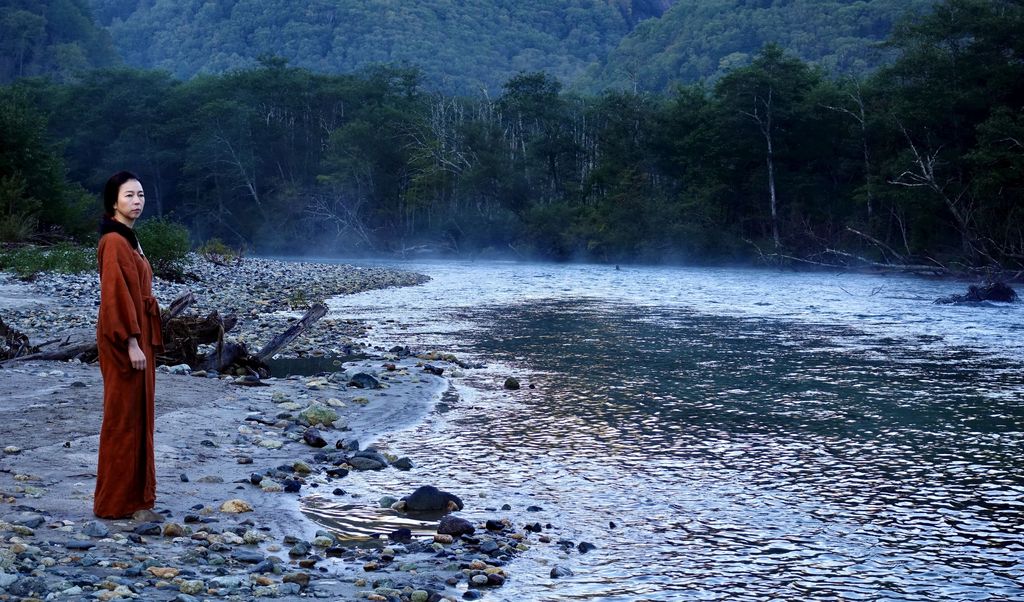
The festival will officially commence on Tuesday, June 2, 2026, at 7:00 p.m. at the Künstler*innenhaus Mousonturm with the German premiere of "Fujiko." This captivating tragicomedy, directed by Taichi Kimura, delves into the struggles of a single mother navigating the patriarchal Japanese society of the 1970s and 80s. The film’s recent triumph, securing the Golden Mulberry Audience Award at the prestigious Far East Film Festival in Udine, signals its powerful narrative and universal resonance. Director Taichi Kimura will be in attendance to present his work, offering audiences insights into the film’s creation and thematic depth. The opening ceremony will be graced by prominent figures, including Hessian state secretary Christoph Degen and Lord Mayor of Frankfurt am Main Mike Josef, highlighting the strong institutional support for the festival. Concurrently, at 7:30 p.m. on June 2, the naxos.Kino will host its own opening with the German premiere of "Numakage Public Pool." This poignant documentary, directed by Shingo Ota and produced by Kyoko Takanaka, chronicles the emotional closure of a beloved public outdoor pool, a narrative that speaks to community, memory, and the passage of time. Both director Ota and producer Takanaka will personally introduce their film, sharing the personal stories and motivations behind this deeply human project.
Beyond the Screen: Immersive Cultural Experiences
The Nippon Connection experience extends far beyond the cinema auditoriums, with a rich "Nippon Culture" section designed to showcase the multifaceted nature of Japanese traditions and contemporary expressions. The opening night alone offers a free supporting program at Künstler*innenhaus Mousonturm starting at 5 p.m., featuring traditional Ryukyu dance from Okinawa, an interactive challenge with a real sumo wrestler, and a nostalgic journey through retro video games played on authentic CRT televisions. The evening culminates with FloFilz’s live presentation of his new album, "HAGAKI," an auditory travel journal to Japan that masterfully blends jazz and beats with traditional Japanese musical motifs, creating a unique sonic landscape.
Throughout the festival, a diverse range of workshops will invite active participation, covering subjects from the fundamentals of sumo wrestling and the intricacies of game design to the specialized craft of subtitling Japanese films. These hands-on sessions provide practical insights and foster deeper engagement with Japanese culture and industries. Complementing these workshops are numerous lectures and panel discussions, offering academic and critical perspectives on various cultural, social, and cinematic topics. The musical program is equally compelling, featuring a unique collaboration on June 3 at 8:00 p.m. at the Internationales Theater Frankfurt, where tabla player U-zhaan will join forces with rappers Tamaki Roy and Chinza Dopeness, merging traditional Indian rhythms with innovative Japanese hip-hop. On June 5 at 5:00 p.m., actor Tomoya Kawamura will present "Letters From Chiran" at the Internationales Theater Frankfurt, a powerful modern mask performance vividly recounting the fate of young kamikaze pilots during World War II, offering a poignant reflection on history and sacrifice. The serene sounds of the shakuhachi, a Japanese bamboo flute, will fill the Theater Die Käs on June 4 at 4:00 p.m., with Tony Clark performing and inviting the audience into a musical meditation. For fans of genre cinema, the cult director Jörg Buttgereit and film journalist Christian Fuchs will bring their acclaimed talk show, "EIN SUPERHEISSES DING – Der Film-Talk des Grauens," to Frankfurt for the first time on June 5 at 8:30 p.m. The cultural program will be gracefully rounded off on June 6 at 8:00 p.m. by musician Kanako Horiuchi, who will present traditional music from Okinawa, Japan’s southernmost prefecture, offering a melodic journey to the archipelago’s unique heritage.
Spotlight on Diverse Genres: From Animation to Experimental Film
The 26th Nippon Connection Film Festival is particularly notable for its robust genre programming, ensuring that every cinematic taste is catered to. In a special collaboration with "exff – tage des experimentellen films frankfurt," the festival will present two short film programs on Wednesday, June 3, at 7:00 p.m. and 9:00 p.m. at Pupille Kino. These programs will feature rarely screened Japanese experimental films shown on analog film prints, offering a unique opportunity to experience avant-garde works in their intended format and preserving the tactile history of filmmaking. Anime aficionados can eagerly anticipate the international premiere of Wataru Takahashi’s "The Obsessed," an unconventional anime musical that promises a visually and aurally distinct experience. This highly anticipated film will screen at Cinéma Arthouse Kino on June 4 at 3:45 p.m. and will have a repeat screening at Künstler*innenhaus Mousonturm on June 7 at 11:30 a.m., catering to the global fascination with Japanese animation and its boundary-pushing narratives.
Documenting Reality: Reflecting Contemporary Society
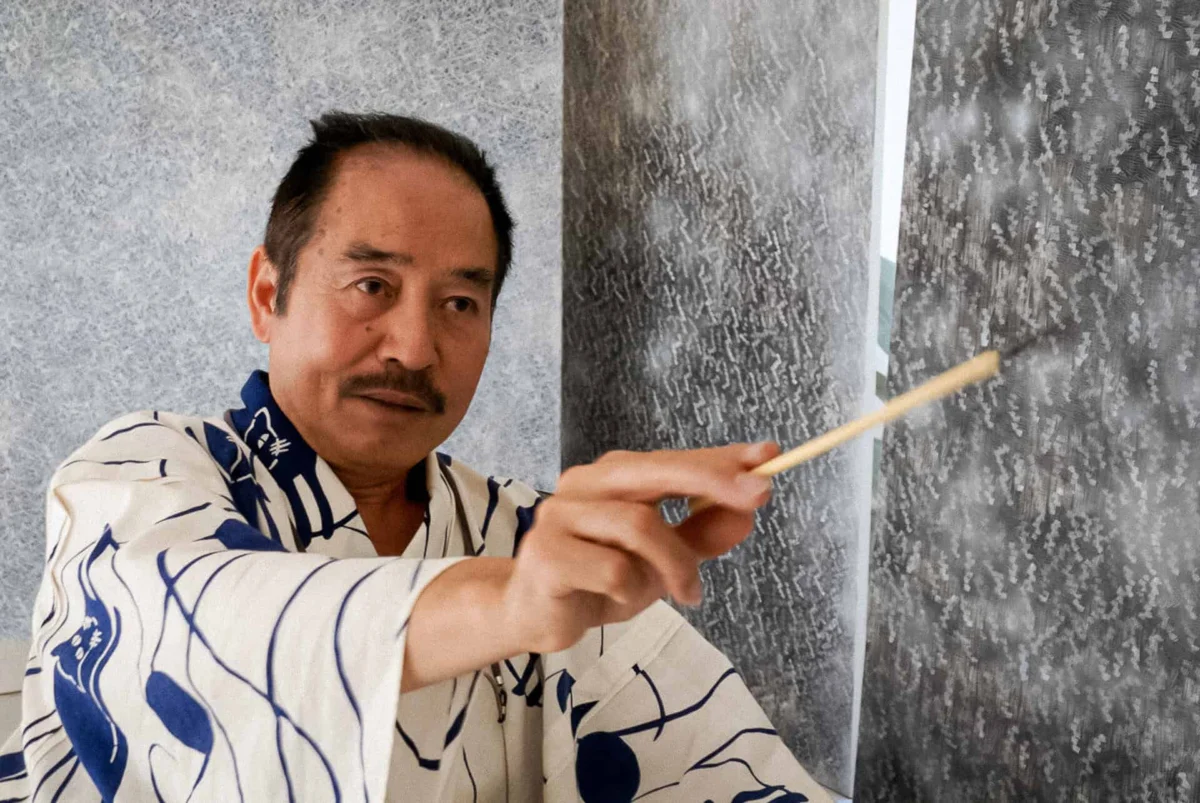
A significant portion of this year’s festival is dedicated to an extensive program of current Japanese documentaries, offering profound insights into societal issues, personal journeys, and artistic legacies. On June 5 at 7:15 p.m., naxos.Kino will host the world premiere of "ZEN & EROS," a deeply personal portrait film directed by Miwa Yoshimine. The director spent 15 years accompanying and documenting the life of painter Morio Matsui prior to his passing in 2022, offering an intimate look at his artistic process and philosophy. Yoshimine will be present for the premiere, providing context to this remarkable long-term project. For those unable to attend the premiere, a second screening is scheduled for June 6 at 2:00 p.m. at Mal Seh’n Kino. Addressing a highly relevant global issue, Kaspar Astrup Schrøder’s documentary "Dear Tomorrow" explores the escalating problem of loneliness in society through the experiences of its two protagonists. This German premiere, taking place on June 4 at 10:00 p.m. at naxos.Kino, resonates particularly with contemporary discussions in Germany and worldwide regarding mental health and social isolation. A subsequent screening will be held on June 6 at 10:45 p.m. at Mal Seh’n Kino, allowing more viewers to engage with this timely and impactful film. These documentaries collectively highlight the power of cinema to reflect, question, and illuminate the complexities of the human condition and the societies we inhabit.
A Nexus of Culture: Official Support and Broader Impact

The sustained success and expansion of the Nippon Connection Film Festival are underpinned by robust support from various stakeholders. The presence of Hessian State Secretary Christoph Degen and Lord Mayor of Frankfurt am Main Mike Josef at the opening ceremony signifies the strong endorsement from both state and municipal governments. This institutional backing underscores the festival’s recognized contribution to Frankfurt’s cultural landscape and its role in fostering international relations. Festival organizers, while not explicitly quoted, are understood to express immense pride in presenting this most extensive edition, emphasizing their dedication to creating a platform for cultural exchange that is both accessible and deeply enriching. The festival’s growth, from its humble beginnings to its current stature as the largest Japanese film festival outside Japan, is a testament to the tireless efforts of its volunteer-driven team and the enthusiastic engagement of its audience. The broader implications of an event of this magnitude are significant, extending beyond mere entertainment. Nippon Connection acts as a vital conduit for cultural diplomacy, enhancing understanding between Germany and Japan, and promoting artistic innovation. It provides a crucial window into Japanese society, allowing European audiences to engage with diverse perspectives and contemporary issues through the lens of its vibrant cinema. Furthermore, the festival contributes to the local economy, attracting visitors to Frankfurt and supporting numerous cultural venues and businesses across the city. Its commitment to showcasing independent voices and experimental works also reinforces its role as an incubator for emerging talent and a guardian of cinematic heritage.
The Heart of the Festival: Venues Across Frankfurt
To accommodate its expansive program and diverse offerings, the 26th Nippon Connection Film Festival leverages a network of 13 carefully selected venues across Frankfurt am Main. The Künstler*innenhaus Mousonturm and Produktionshaus NAXOS serve as the primary festival centers, bustling with activity, screenings, and cultural events. Complementing these central hubs are a variety of esteemed cinematic and cultural institutions, each contributing to the festival’s unique atmosphere. These include Eldorado Arthouse Kino, Cinéma Arthouse Kino, Kino des DFF – Deutsches Filminstitut & Filmmuseum, Mal Seh’n Kino, and Pupille – Kino in der Uni, all providing state-of-the-art screening facilities. Beyond film exhibition, cultural performances and workshops will unfold at the Internationales Theater Frankfurt, Theater Die Käs, Saalbau Bornheim, Dr. Arthur Pfungst-Stiftung, NAXOS 2. OG, and SCHAUT! Ausstellungsraum. This multi-venue approach not only allows for a broader program but also integrates the festival more deeply into the fabric of the city, encouraging exploration and discovery across Frankfurt’s vibrant cultural districts.
Engaging the Future: Workshops and Interactive Sessions
A cornerstone of Nippon Connection’s educational mission lies in its comprehensive workshop and interactive session offerings. These programs are meticulously designed to move beyond passive viewing, encouraging active participation and skill development. From practical workshops on game design, reflecting Japan’s significant influence in the digital entertainment sector, to specialized sessions on subtitling, which demystifies the complex art of translating cinematic dialogue for international audiences, the festival offers unique learning opportunities. Furthermore, discussions and panel sessions delve into critical topics, providing platforms for dialogue on contemporary Japanese society, cinematic trends, and the challenges faced by filmmakers today. This commitment to educational outreach and interactive engagement ensures that the festival is not just a showcase of films but a dynamic forum for intellectual and artistic growth, solidifying its role as a key contributor to cultural understanding and creative development.
Connecting Worlds: The Enduring Mission
As the 26th Nippon Connection Film Festival prepares to open its doors, it reinforces its enduring mission: to serve as a vital cultural bridge between Japan and the global community. Through its meticulously curated film program, vibrant cultural events, and direct engagement with artists, the festival continues to foster a deeper appreciation for Japanese arts and society. It offers a unique opportunity for audiences in Frankfurt and beyond to explore the rich narratives, innovative techniques, and diverse perspectives that define Japanese cinema and culture. This year’s record-breaking edition not only celebrates a quarter-century of dedication but also sets a new benchmark for cultural exchange, promising an unforgettable six days of discovery, dialogue, and cinematic brilliance.