The 28th Shanghai International Film Festival (SIFF), running from June 12 to 21, has made a historic declaration by announcing that all 12 films competing for its prestigious Golden Goblet Awards in the main competition section will be world premieres. This unprecedented move marks a significant strategic shift for SIFF, positioning it firmly as a primary global launchpad for cinematic talent and new works, rather than a secondary showcase for films already debuted on the international festival circuit. This bold decision underscores the festival’s ambition to amplify its global standing and cement its reputation as a crucial discovery platform within the highly competitive international film festival ecosystem.
SIFF’s Strategic Pivot: Elevating Global Influence
Founded in 1993, the Shanghai International Film Festival holds the distinction of being China’s oldest international film festival and is one of only 15 A-list film festivals accredited by the International Federation of Film Producers Associations (FIAPF), placing it alongside renowned events such as Cannes, Venice, and Berlin. For years, SIFF has served as a vital bridge for cultural exchange, introducing global cinema to Chinese audiences while simultaneously presenting Chinese films to the world. Its mission has consistently revolved around fostering film industry development, discovering new talent, and promoting artistic innovation.
The decision to feature an entirely world premiere main competition slate represents a conscious and deliberate elevation of this mission. By mandating that all Golden Goblet contenders debut in Shanghai, SIFF signals its intent to be at the forefront of cinematic discovery. This strategy not only enhances the prestige of the Golden Goblet Awards but also offers unparalleled visibility to participating filmmakers, especially emerging voices who might otherwise struggle to gain traction in an oversaturated market. For SIFF itself, this move is expected to attract an even higher caliber of submissions in future editions, solidifying its position as a go-to destination for filmmakers seeking a significant global launch.
This year’s festival received a record-breaking submission pool of approximately 4,100 films from 125 countries and regions, a testament to its growing international appeal and the effectiveness of its outreach efforts. From this vast selection, a total of 49 titles across five competitive sections were chosen to vie for prizes, reflecting a rigorous curation process designed to identify cinematic excellence and diverse storytelling.
The Golden Goblet Main Competition: A Diverse Global Tapestry
The 12 films selected for the main competition represent a truly international cinematic dialogue, hailing from 15 countries and territories across four continents. This geographical breadth underscores SIFF’s commitment to showcasing a wide array of cultural perspectives and filmmaking styles.
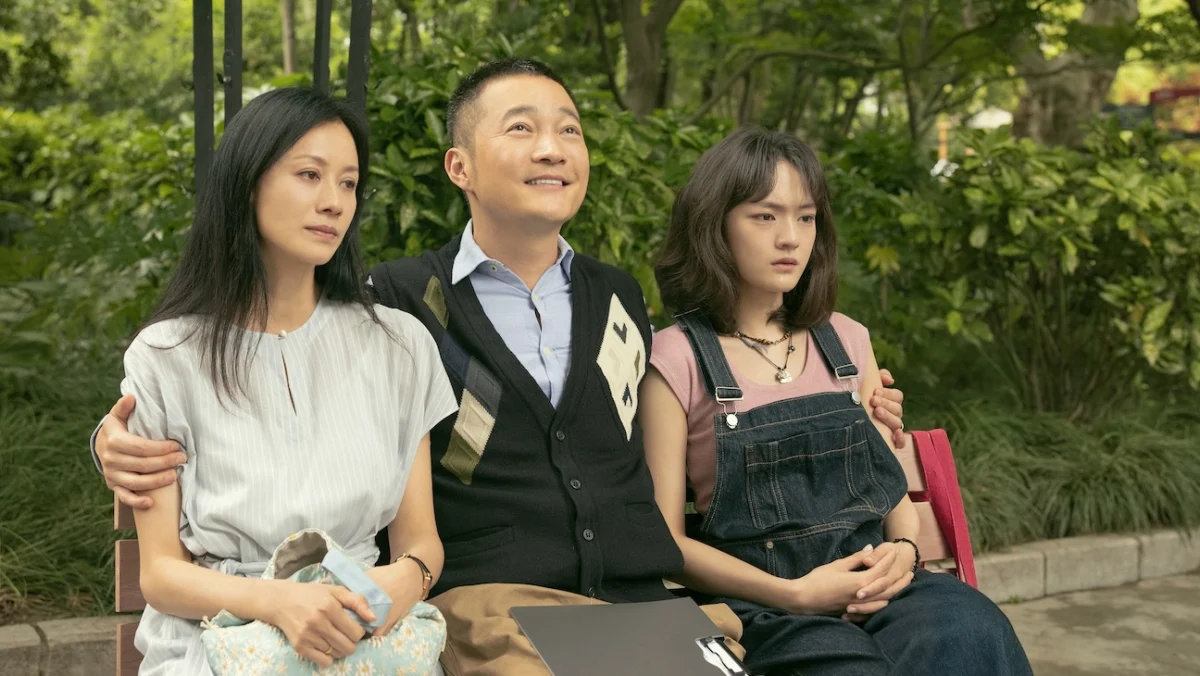
Among the standout entries are three Chinese-language productions, all from emerging directors, signaling a vibrant new wave of talent within the domestic industry. From mainland China, Zhong Kaifeng’s Atlantic Rhapsody promises a unique blend of drama, comedy, and fantasy. The film delves into the surreal experiences of a supermarket stock clerk who finds himself sleepless and hearing voices after an unusual encounter with a shark he accidentally cooks. This premise suggests an exploration of psychological states and the absurdities of modern life through a distinctly East Asian lens. Also from the mainland is Liu Xiaoyang’s The Great Skull, a dark comedy featuring a stellar cast including Wen Qi, Ni Hongjie, and Yu Entai. The narrative follows a young woman on the cusp of graduation and her mother as they navigate the complexities of a "funeral committee" her recently deceased father had clandestinely arranged, hinting at themes of grief, family secrets, and societal expectations.
The third Chinese-language entry, Secret in the Box, is a mainland-Hong Kong co-production directed by Frankie Tam Gong-Yuen. Led by acclaimed actors Zhang Songwen, Patrick Tam, and Isabella Leong, the film draws inspiration from Hong Kong’s infamous 1970s "Box Murder Case." This historic crime, notable as the first local case cracked through forensic evidence, provides a compelling backdrop for a story about a convicted man who steadfastly maintains his innocence for decades and the tenacious young investigator determined to uncover the truth. The inclusion of a co-production like Secret in the Box highlights SIFF’s role in fostering cross-regional collaboration and celebrating the rich cinematic heritage shared between mainland China and Hong Kong.
Beyond the Chinese-language selections, the main competition features a robust international lineup. Indonesia’s sole entry, Ismail Basbeth’s My Own Last Supper, represents Southeast Asian cinema. Europe, however, secures the majority of the remaining slots, reflecting the continent’s prolific filmmaking output and strong presence in the festival circuit. Germany, a powerhouse in European cinema, contributes two films: Josef Brandl’s Superbuhei and Susanne Heinrich’s The Miserable Mother. Notably, The Miserable Mother will share its world premiere with the Munich International Film Festival, indicating a collaborative spirit among global festivals for certain highly anticipated works.
Other significant European entries include Reis Çelik’s Turkey-Germany co-production Night of Blindness, Nicolàs Rincòn Gille’s Belgian title Iluminada, and Daniil Merkulov’s Russian entry Sea Sons. From Africa, Yassine El Idrissi’s Moroccan feature Halima brings a distinct voice. The Americas are represented by Alan Minas’s Brazil-U.K. co-production Luiza’s Desert and Louis Godbout’s Canadian entry The Parking Spot. This diverse collection promises a rich cinematic experience, covering a spectrum of genres, narrative styles, and cultural narratives for festival attendees.
Nurturing Emerging Voices: The Asian New Talent Section
Complementing the main competition’s global scope, the Asian New Talent section remains a cornerstone of SIFF’s commitment to fostering regional filmmaking. This section, specifically reserved for debut and second features by Asian directors, features 12 titles this year, reinforcing the festival’s dedication to identifying and promoting the next generation of Asian cinematic masters.
Similar to the Golden Goblet, the Asian New Talent section predominantly features world premieres, with just one exception: Thai director Sompot Chidgasornpongse’s 9 Temples to Heaven, which had its debut in Directors’ Fortnight at the Cannes Film Festival in May. This inclusion demonstrates SIFF’s pragmatic approach, acknowledging films that have already gained significant international recognition while still prioritizing new discoveries.
Chinese-language titles once again dominate this section, underscoring the dynamic and prolific nature of the Chinese film industry. Notable entries include Zhang Hanyi’s Cassowary, Gong Yiwen’s Her First Taste, Liu Shichuan’s No Hard Feelings, Wan Bo’s Strangers in the Mountain, and Mak Tin Shu’s mainland-Hong Kong co-production Dog Day Evening. These films represent a snapshot of contemporary Chinese storytelling, exploring diverse themes and pushing creative boundaries.
The jury for the Asian New Talent section is chaired by Singaporean filmmaker Anthony Chen, whose own journey from emerging talent to international acclaim makes him an ideal figure to guide and inspire new directors. Chen won the prestigious Cannes Camera d’Or in 2013 for his debut feature Ilo Ilo, a poignant family drama that resonated deeply with audiences and critics alike. His presence on the jury lends significant credibility and an empathetic perspective to the evaluation process, recognizing the challenges and triumphs inherent in early-career filmmaking. Other Asian nations represented in this section include Turkey (About the Mother), Jordan/Saudi Arabia (Boomah), India/Germany (Hunter’s Moon), Kazakhstan (No Good in Sight: A Story), Kyrgyzstan (Skylark), and Bangladesh/Germany (The Blind Girl and an Elephant), showcasing the vast and varied cinematic landscape of Asia.
Beyond Narrative Features: Documentaries, Animation, and Shorts
SIFF’s comprehensive program extends beyond narrative features to embrace other vital forms of cinematic expression. The documentary and animation competitions each present five titles, recognizing the power of non-fiction storytelling and the boundless creativity of animated works. These categories are crucial for a well-rounded film festival, offering platforms for diverse voices and innovative techniques often overlooked in mainstream cinema.
The documentary jury is chaired by acclaimed U.S. filmmaker Geeta Gandbhir, known for her powerful and insightful works that tackle complex social issues. Her expertise ensures a discerning eye for compelling non-fiction narratives. Heading the animation panel is British animator Will Becher, celebrated for his contributions to stop-motion animation, including his work on Aardman Animations’ beloved films. His leadership brings a deep understanding of the craft and artistic vision required in animation. Additionally, the festival includes competitions for 10 live-action and five animated shorts, providing a crucial platform for emerging filmmakers to showcase their nascent talents and experiment with form and narrative.
A Jury of Global Acclaim Led by Tony Leung Chiu-wai
Presiding over the seven-member main competition jury is the iconic Hong Kong actor Tony Leung Chiu-wai, a figure whose illustrious career spans decades and has earned him immense international recognition. Leung is revered for his nuanced performances in seminal films such as Wong Kar-wai’s In the Mood for Love (for which he won Best Actor at Cannes), Happy Together, and 2046, as well as his roles in blockbusters like Hero and Infernal Affairs. His appointment as jury president not only brings unparalleled prestige to the Golden Goblet Awards but also underscores SIFF’s commitment to artistic integrity and global cinematic excellence. Leung’s deep understanding of performance and storytelling makes him an ideal leader for evaluating the competition’s diverse entries.
The jury comprises an equally distinguished panel of international film professionals, each bringing a unique perspective and wealth of experience. Chinese director Guan Hu, whose film Black Dog recently won the Un Certain Regard prize at Cannes in 2024, represents a powerful contemporary voice in Chinese cinema. Georgian writer-director Déa Kulumbegashvili, whose film April competed at Venice in 2024, offers insights from the European art-house scene. Mexican filmmaker Fernanda Valadez, celebrated for taking the World Cinema Dramatic Audience Award at Sundance in 2020 for Identifying Features, adds a strong Latin American perspective.
Chinese actress Xin Zhilei, who was named Best Actress at Venice last year for The Sun Rises on Us All, provides an invaluable actor’s viewpoint. Tunisian producer Dora Bouchoucha, a highly respected figure in African and Arab cinema, brings her extensive experience in film development and production. Completing the panel is Kyrgyz director Aktan Arym Kubat, known for his unique storytelling and contributions to Central Asian cinema. This diverse and globally representative jury ensures that the Golden Goblet Awards are judged by a broad spectrum of artistic sensibilities and industry expertise.
The Grand Opening: ‘Afterpiece’ Sets the Tone
The 28th SIFF commenced its proceedings on June 12 with the world premiere of Afterpiece, a compelling Hong Kong psychological drama. Produced by the veteran filmmaker Derek Yee and directed by first-time feature filmmaker Keane T.K. Wong, the film serves as a testament to SIFF’s dual commitment to showcasing new talent and supporting regional cinema. Afterpiece emerged from the Hong Kong government’s Directors’ Succession Scheme, an initiative designed to nurture promising new voices in the industry. The film stars Stephen Fung as a blocked stage director who finds himself dangerously entangled with a young actress during a casting process, promising an intense exploration of artistic ambition, psychological manipulation, and the blurred lines between reality and performance. Its selection as the opening film highlights the festival’s embrace of bold, character-driven narratives from emerging talents within the Greater China region.
SIFF’s Enduring Legacy and Future Trajectory
The 28th Shanghai International Film Festival, with its groundbreaking "all world premiere" strategy for the Golden Goblet main competition, marks a pivotal moment in its history. This strategic pivot, combined with record submissions and a robust program across all sections, firmly establishes SIFF as a major player in the global film festival landscape. By prioritizing new talent and fresh cinematic works, the festival not only enriches the cultural landscape of Shanghai but also plays a crucial role in shaping the future of international cinema.
Festival organizers, while not issuing direct statements, have implicitly conveyed their vision through this programming. The emphasis on world premieres positions SIFF as an essential first stop for filmmakers, offering them a unique platform for global exposure and critical acclaim. This approach is expected to foster stronger relationships with international producers and distributors, ultimately enhancing Shanghai’s role as a significant hub for film market activities, co-production deals, and talent discovery. The festival’s commitment to diverse narratives, from the intricacies of Chinese family life to global stories of identity and struggle, reinforces its mission as a champion of cinematic art and cultural dialogue. As the festival unfolds, the industry will keenly watch how these new works resonate with audiences and critics, further solidifying SIFF’s reputation as an indispensable launchpad for the next generation of global filmmaking.
SHANGHAI’S 28TH GOLDEN GOBLET AWARDS – FULL SELECTION
Main Competition
- Atlantic Rhapsody, Zhong Kaifeng (China)
- Halima, Yassine El Idrissi (Morocco)
- Iluminada, Nicolàs Rincòn Gille (Belgium)
- Luiza’s Desert, Alan Minas (Brazil, U.K.)
- My Own Last Supper, Ismail Basbeth (Indonesia)
- Night of Blindness, Reis Çelik (Turkey, Germany)
- Sea Sons, Daniil Merkulov (Russia)
- Secret in the Box, Frankie Tam Gong-Yuen (China, Hong Kong)
- Superbuhei, Josef Brandl (Germany)
- The Great Skull, Liu Xiaoyang (China)
- The Miserable Mother, Susanne Heinrich (Germany, France)
- The Parking Spot, Louis Godbout (Canada)
Asian New Talent
- 9 Temples to Heaven, Sompot Chidgasornpongse (Thailand)
- About the Mother, Büşra Bülbül (Turkey)
- Boomah, Zaid Abu Hamdan (Jordan, Saudi Arabia)
- Cassowary, Zhang Hanyi (China)
- Dog Day Evening, Mak Tin Shu (China, Hong Kong)
- Her First Taste, Gong Yiwen (China)
- Hunter’s Moon, Ridham Janve (India, Germany)
- No Good in Sight: A Story, Alibi Mukushev (Kazakhstan)
- No Hard Feelings, Liu Shichuan (China)
- Skylark, Narghiza Dotieva (Kyrgyzstan)
- Strangers in the Mountain, Wan Bo (China)
- The Blind Girl and an Elephant, Ishtiyak Ahmad Zihad (Bangladesh, Germany)
Documentary
- Benigno, David Baute (Spain)
- Notes Unheard, Gu Yun (China)
- Ruins, Elena Chemerska (North Macedonia, Croatia, Slovenia)
- The Tiger of the East, Jorge Acevedo (Chile)
- Wheels of Forgotten Dreams, Milos Ljubomirovic, Danilo Lazovic (Serbia, Bulgaria, Croatia)
Animation
- Amadeo and the Hypothetical New World, Brenda Lígia, Edu Felistoque (Brazil)
- Dante, Linda Hambäck (Sweden, Norway, Denmark)
- Garuda: Dare to Dream, Ronny Gani (Indonesia)
- Lucy Lost, Olivier Clert (France)
- Winnipeg, Seeds of Hope, Elio Guiroga, Beñat Beitia (Spain, Chile, Argentina)