The exploration of non-fiction that fuels speculative fiction, a cornerstone of the "Seeds of Story" series, often delves into books and scholarly articles. However, recent journeys through Belgium and Scotland have illuminated the profound ways in which real-world experiences—from museum exhibits and academic conferences to the very landscapes themselves—serve as fertile ground for imaginative storytelling. This dispatch moves beyond the printed page to capture the sensory and intellectual richness encountered during these travels, revealing how tangible encounters with art, history, technology, and nature can spark compelling narratives.
Renaissance Art: Where Petty Revenge Meets Artistic Genius
A recent excursion to Brussels, facilitated by a convenient two-hour train journey from the author’s European base, led to an engagement with the Bozar exhibition, "Beauty and Ugliness in the Renaissance." While the initial draw was the promise of multiple works by Sandro Botticelli, a master whose angels are often imagined to be sharing celestial gossip, the exhibition presented a more nuanced, and at times, surprisingly petty, facet of Renaissance artistry. The collection, though featuring only a single, modest portrait of Botticelli’s muse, Simonetta Vespucci, offered a compelling deep dive into the period’s artistic rivalries and the potent blend of beauty and ugliness that characterized the era.
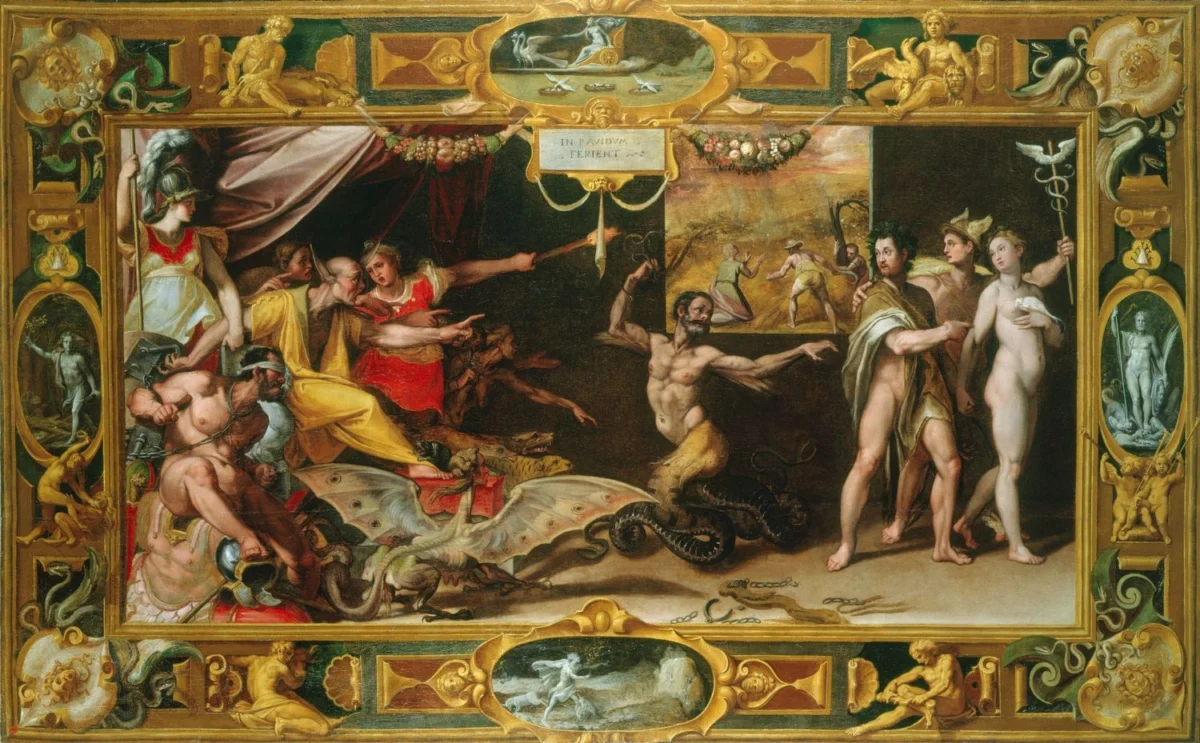
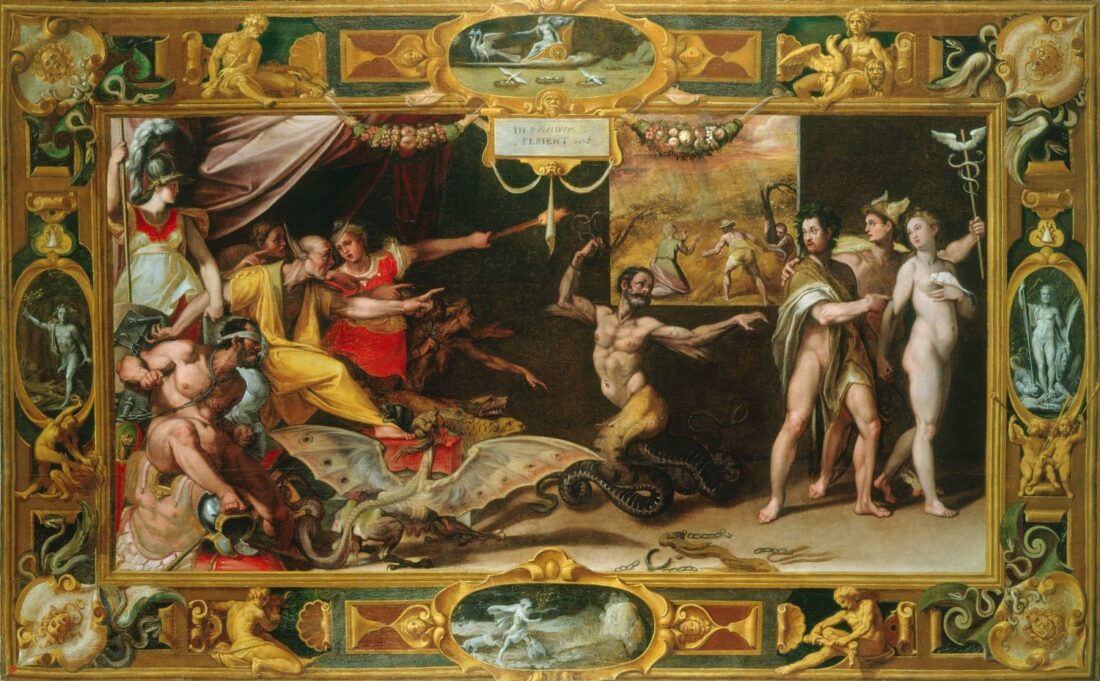
The exhibition’s highlight, in terms of narrative potential, emerged from the works of Federico Zuccari. Zuccari’s "Calumny" paintings, inspired by a lost classical work by Apelles, are allegorical depictions of slander. However, Zuccari’s rendition is particularly notable for its autobiographical venom, as recounted by a docent. Facing a deadline for a commission, Zuccari was reportedly supplanted by another artist, a transgression he memorialized with biting artistic commentary. The artwork depicts his former client adorned with donkey ears, the rival artist sporting exaggerated tentacle-like legs, and the allegorical figure of Truth embracing a lop-eared ermine. A second painting features Minerva intervening to admonish the Pope, presumably Zuccari’s client, for criticizing a work in progress. The docent’s account, rich with the spirit of artistic revenge, underscores how personal grievances and professional slights could manifest in enduring, albeit spiteful, masterpieces. This episode serves as a potent reminder that even the most refined artistic creations can be rooted in very human, and often petty, motivations, offering a compelling seed for speculative narratives exploring the darker undercurrents of creative ambition. The visual details, such as the dubious serpents on the floor and what appeared to be an unusual canine-like creature, further invited imaginative interpretation.
Musical Instruments: Echoes of Innovation and Untold Stories
The Musical Instrument Museum (MIM) in Brussels, initially anticipated as a brief two-hour visit, proved to be a captivating immersion into the vast and intricate world of musical instrument history. The museum’s exceptional audio tour, which allows visitors to hear instruments played in their intended musical contexts, transformed the experience into a multi-hour exploration, particularly within the European Musical History section. This extended engagement highlighted the profound depth of specialized knowledge and the continuous evolution of even the most familiar instruments.
The MIM’s collection showcased centuries of experimentation, from early flutes that echo neolithic melodies to the complex mechanisms of modern orchestral instruments. Each instrument is a testament to its intended use, whether for grand religious processions, intimate parlor performances, or the clear direction of military bands. The ornate designs speak to wealth and status, while the materials and construction methods reveal the ingenuity of artisans. The sheer dedication of individuals who spent entire careers mastering or building a single type of instrument is inspiring. For speculative fiction writers, these instruments offer a treasure trove of narrative possibilities. Imagine an "evil overlord" commanding a chorus of snake-headed trumpets, or a historical drama where a crucial clue is hidden within the intricate lining of a 17th-century lute. The concept of instruments designed for specific social and technological contexts—like the aforementioned snake-trumpet—or the sheer variety of string materials and the potential for instruments with multiple necks, all serve as powerful prompts for world-building and character development. The MIM’s collection is a vibrant reminder that the history of music is as much about human ingenuity and cultural context as it is about sound itself.
Rewilding the Web: A Digital Ecosystem in Flux
A solo trip to Edinburgh for a workshop on "Rewilding the Web" provided a stark counterpoint to the historical explorations, focusing instead on the present and future of online interaction. This concept, articulated by Maria Farrell and Robin Berjon, draws a parallel between the internet’s increasing consolidation into corporate "walled gardens" and the destruction of natural ecosystems. The proposed solution is a return to a more diverse and decentralized web, characterized by smaller, more numerous sites and varied models of interaction and information sharing. The urgency of this discussion was amplified by concurrent news that Google intended to limit search result sharing in favor of its AI chatbot, Gemini, underscoring the rapid shift towards centralized, proprietary online environments.
The workshop featured a spectrum of perspectives, ranging from the practical application of bioregional governance models in rural Scotland to philosophical inquiries into the fundamental purpose of computing. Robin Berjon’s call for enhanced user agency, distinct from external control or offloading surveillance responsibilities onto users, resonated deeply. Presentations also explored the intersection of art and technology. Sonia Sobrino Ralston introduced the concept of "sensor gardens," where mechanical sensors and indicator plants would visually represent pollution and recovery in Superfund sites. The author’s own contribution discussed how science fiction portrays networks, using bison rewilding on Dutch dunes as an analogy for ecological restoration. The provocative question posed by Farrell—"What are the bison that will do the necessary tearing up soil for the internet?"—encapsulates the challenge of fostering healthy, complex online ecosystems analogous to natural ones. This concept offers a potent metaphor for speculative fiction, exploring themes of digital collapse, resistance, and the potential for decentralized networks to emerge and thrive in the face of overwhelming corporate dominance.
Edinburgh’s Hidden Corners: Obscure Technologies and Subversive Histories
Edinburgh itself, a city steeped in history, culture, and geology, provided a rich backdrop for further exploration. Beyond the conference, time was dedicated to experiencing the city’s physical and cultural landscapes. A museum dedicated to optical illusions, notable for housing Edinburgh’s first purpose-built tourist attraction, featured a 19th-century camera obscura. The guide’s explanation of the building’s strategically narrow windows—designed to prevent prying eyes from observing the camera obscura’s operations—offered a glimpse into the historical interplay of technology and privacy. The presence of "woad-streaked warriors" posing for tourist selfies on High Street served as a humorous, albeit anachronistic, reminder of how history is often commodified for the present-day economy of tourism.
The Edinburgh City Museum hosted a temporary exhibit on the history of queer bookstores in the city, highlighting a 1970s establishment located down a particularly daunting staircase. This exhibit revealed fascinating connections between early "slash" zines, "Star Trek" fandom (represented by IDIC pins), and the gay liberation movement in Scotland. The sentiment "We have always been here," a powerful affirmation of LGBTQ+ history, was palpable. The author’s desire for reproduction zines or pins, such as a "Lesbian Vegetarian Vampire SF Fans Against the Bombs" design, underscores the enduring appeal and potential narrative power of such subcultural artifacts. These elements—obscure technologies, hidden histories, and the vibrant subcultures they represent—provide fertile ground for speculative narratives exploring themes of resistance, hidden communities, and the reclamation of marginalized histories.
Arthur’s Seat: Geological Majesty and Mythic Echoes
A quintessential Edinburgh landmark, Arthur’s Seat, offered a different kind of inspiration—one rooted in geological time and the enduring power of myth. This ancient volcano, dormant for 340 million years, stands as a testament to Scotland’s dynamic geological past, with local students wryly suggesting it’s "where geology was invented." The site is a popular hiking destination, providing stunning panoramic views of the city and serving as a potent reminder of the natural world’s grandeur. The well-trodden paths are alive with a diverse array of people, from energetic students to those audibly questioning their life choices, offering ample opportunity for observation and quiet contemplation.
The connection to King Arthur, while tenuous, adds a layer of mythic resonance. Arthur’s Seat, like numerous other locations across the UK, has been posited as a potential site for Camelot. The question posed by a companion, "What’s King Arthur doing in Scotland?" finds a simple, yet profound, answer in the act of sitting atop this majestic peak, a desire that likely resonates with anyone who has ascended to its summit. The geological history of Arthur’s Seat, carved into the cityscape alongside literary quotes, speaks to a deep connection between the land, its scientific understanding, and its cultural narratives. This blend of raw geological power and the human tendency to weave myth into the landscape offers a compelling foundation for speculative fiction that explores the deep past, the formation of landscapes, and the enduring human impulse to find meaning in the natural world.
Further Reading and Future Inspirations
The journey’s encounters inevitably expanded the reading list, highlighting the interconnectedness of creative disciplines. At the Bozar gift shop, "140 Artists’ Ideas for Planet Earth," edited by Hans Ulrich Obrist and Kostas Stasinopoulos, was acquired. This collection, featuring contributions from figures like Cosmo, Merlin Sheldrake, and Kim Stanley Robinson, offers short, instruction-based artistic pieces on ecology and the Anthropocene, serving as a valuable source of intellectual stimulation.
The Musical Instrument Museum’s podcast, with each episode dedicated to a specific instrument, provides an accessible avenue for further exploration of musical history. During the "Rewilding the Web" workshop, Elena Rovenskaya recommended "The Ecology of Law: Toward a Legal System in Tune With Nature and Community" by Fritjof Capra and Ugo Mattei, a text that bridges ecological principles with legal systems. The city of Edinburgh itself is rich in literary heritage, with quotes from poets such as Kathleen Jamie, Norman MacCaig, and George MacDonald adorning public spaces, offering further inspiration.
Finally, Ada Hoffman’s novel, "Ignore All Previous Instructions," was a significant discovery during the Edinburgh trip. This work, a vibrant celebration of queer artistic innovation and a sharp critique of Large Language Model companies, offers a compelling blend of queer joy and corporate dystopia, echoing themes found in Alexis Hall’s "Hell’s Heart." Both novels are highly recommended for their exploration of contemporary social and technological issues through a speculative lens. As summer travel season approaches, the pursuit of inspiration continues, encouraging a proactive engagement with the world’s diverse cultural and natural landscapes.