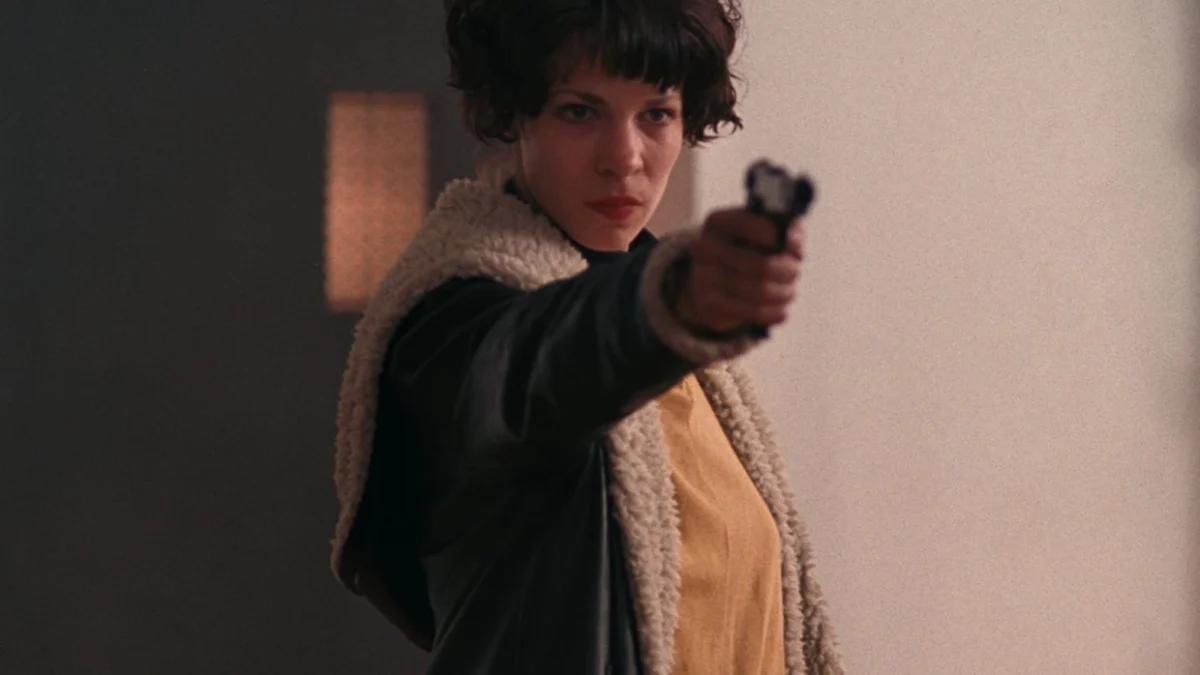
Mary Harron’s seminal 1996 debut feature, I Shot Andy Warhol, is poised for a significant cinematic re-evaluation with its return to screens in a pristine 4K restoration. The film, which vividly chronicles the life and motivations of radical feminist Valerie Solanas, the woman who famously attempted to assassinate pop art icon Andy Warhol, continues to resonate with its complex portrayal of marginalization, artistic ambition, and societal rebellion. More than a quarter-century after its initial release, this meticulously preserved version offers both longtime admirers and new audiences an opportunity to experience Harron’s distinctive vision, enhanced by the clarity and depth of modern digital technology. The restoration not only revitalizes the film’s visual and auditory fidelity but also underscores its enduring thematic power in an era grappling anew with questions of gender, power, and societal dissent. Upon its original release, I Shot Andy Warhol garnered critical acclaim for its daring subject matter and strong performances, particularly Lili Taylor’s, solidifying its place as a landmark film of 1990s independent cinema.
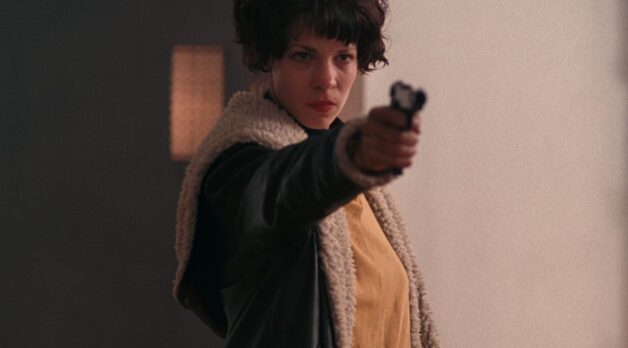
Valerie Solanas: A Life on the Margins and the Genesis of a Manifesto
To understand the explosive narrative of I Shot Andy Warhol, one must first delve into the tumultuous life of Valerie Solanas. Born in 1936 in Ventnor City, New Jersey, Solanas’s early years were marked by profound instability and trauma, including sexual abuse and a transient childhood. Despite these immense challenges,