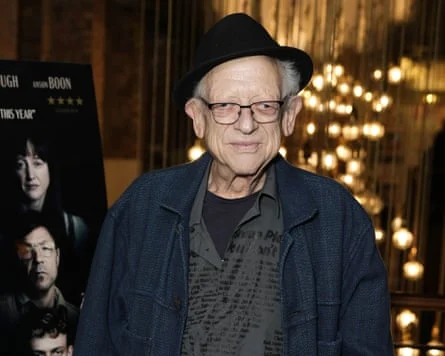
The global film community is mourning the loss of Jeremy Thomas, a towering figure in British and international independent cinema whose career spanned over five decades, who has died at the age of 77. Renowned for his fearless commitment to auteur-driven cinema, Thomas bridged the gap between commercial viability and uncompromising artistic vision. As an independent producer, he combined the authoritative confidence of a classical Hollywood studio mogul with the refined, passionate soul of a dedicated cineaste. His death marks the end of an era for European independent filmmaking, leaving behind a legacy defined by creative daring, international collaboration, and an unwavering eye for exceptional talent.
Main Facts and Industry Legacy
Born into a family deeply embedded in the British film industry—his father was director Ralph Thomas and his uncle was director Gerald Thomas, celebrated for the Doctor in the House and Carry On series—Jeremy Thomas charted a distinctive path that set him apart from his familial roots. Rather than pursuing mainstream British commercial comedies, Thomas gravitated toward boundary-pushing, globally minded narratives.
Over a career producing dozens of acclaimed feature films, he championed iconic directors including Bernardo Bertolucci, Nicolas Roeg, David Cronenberg, Nagisa Oshima, Stephen Frears, Jim Jarmusch, and Takashi Miike. His crowning commercial and critical achievement came in 1988, when he won the Academy Award for Best Picture as the producer of Bertolucci’s monumental epic, The Last Emperor. The production made history by securing unprecedented Western access to Beijing’s Forbidden City, a logistical and diplomatic triumph that mirrored Thomas’s own internationalist worldview.
Chronology of a Storied Career
Thomas’s filmography traces a chronological map of modern independent cinematic history, marked by high-risk ventures that yielded enduring artistic masterpieces:
- Late 1970s: Thomas established his reputation as a formidable producer by backing Jerzy Skolimowski’s eerie psychological drama The Shout (1978), which won the Grand Prix at the Cannes Film Festival.
- 1980s: He entered a prolific period working with visionary auteurs. He produced Nicolas Roeg’s unsettling thrillers Bad Timing (1980) and Eureka (1983), Nagisa Oshima’s powerful prisoner-of-war drama Merry Christmas Mr. Lawrence (1983) starring David Bowie and Ryuichi Sakamoto, and Stephen Frears’s gritty crime film The Hit (1984).
- 1988: Secured international acclaim and nine Academy Awards, including Best Picture, for Bernardo Bertolucci’s The Last Emperor.
- 1990s: Continued his global collaborations with Bertolucci on The Sheltering Sky (1990) and produced David Cronenberg’s highly controversial adaptation of J.G. Ballard’s Crash (1996), famously brushing off moral outrage with characteristic amusement. In 1998, Thomas stepped behind the camera to direct All the Little Animals, a critically praised drama starring John Hurt and Christian Bale.
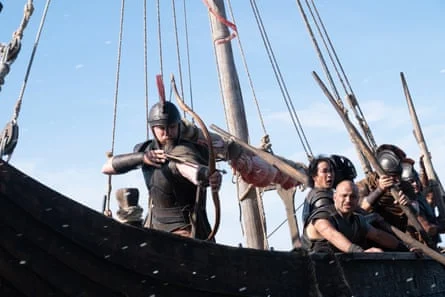
- 2000s–2020s: Transitioned smoothly into the new century by bringing Jonathan Glazer’s razor-sharp British crime film Sexy Beast (2000) to the screen. His later producing credits included Jim Jarmusch’s vampire romance Only Lovers Left Alive (2013), Takashi Miike’s action epic 13 Assassins (2010), Ben Wheatley’s dystopian satire High-Rise (2015), and a reunion with Skolimowski for the black comic satire Good Boy in 2025.
Supporting Data and Production Philosophy

Unlike modern studio executives driven strictly by market research and algorithm-based greenlighting, Thomas operated on personal intuition, long-term relationships, and tenacity. He was known for spending years doggedly pursuing complex projects that major studios considered too risky. His approach was fundamentally democratic and meritocratic; despite his upper-echelon status in the industry, he remained remarkably accessible to emerging filmmakers.
Colleagues frequently noted his hypervigilance for new talent and his ability to cultivate a supportive environment for directors to execute their artistic visions without unwarranted studio interference. His presence at major international gatherings, particularly the Cannes Film Festival, became legendary. Operating as a creative flaneur, Thomas would hold court at prominent hotel terraces along the Croisette, networking, sharing wine, and actively "fishing" for future collaborators and kindred spirits across generations.
Official Responses and Industry Tributes
Following the announcement of his death, tributes poured in from across the global film community, with directors, actors, and critics praising his integrity, wit, and generosity of spirit.
Peers highlighted his rare ability to maintain complete creative independence while navigating the complex financial structures of international co-productions. Film historians and cultural commentators emphasized that Thomas was not merely a producer who secured financing, but an active creative partner who shaped the aesthetic and thematic depth of the films bearing his credit. Organizations dedicated to independent cinema recognized him as a foundational pillar who protected auteur theory during decades of sweeping commercialization within the global entertainment industry.
Broader Impact and Implications for Modern Cinema
The passing of Jeremy Thomas underscores a profound structural shift in contemporary filmmaking. As the global film market increasingly relies on intellectual property, franchises, and risk-averse financing models, producers of Thomas’s caliber—those willing to stake reputations and resources on original, challenging, and culturally diverse art-house projects—are becoming exceedingly rare.
Thomas’s career serves as a masterclass in independent production, demonstrating that artistic integrity and international commercial success are not mutually exclusive. His filmography remains a testament to the power of resilient producing, proving that visionary storytelling requires not only talented directors, but champions willing to protect the creative process against commercial pressures. As the industry reflects on his monumental contributions, the loss of Jeremy Thomas serves as both a celebration of a golden era of independent cinema and a poignant reminder of the vital role passionate producers play in shaping cultural history.