The Toronto International Film Festival (TIFF), a cornerstone of the global film industry, serves as the annual barometer for prestige cinema and emerging talent. During a keynote conversation held at TIFF: The Market, Canadian actor, writer, and producer Seth Rogen provided a rare, candid glimpse into the mechanics of his sustained career, offering a retrospective on his journey from a teenage stand-up comedian in Vancouver to a formidable creative force in the Los Angeles entertainment landscape.
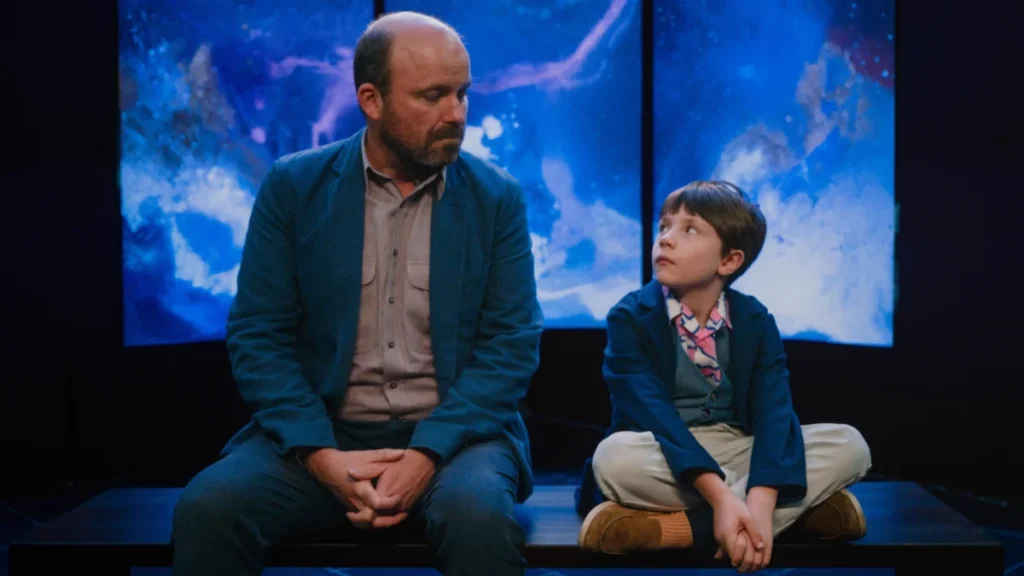
Rogen’s presence at this year’s festival is underscored by his dual contribution as a producer: the film Babies, directed by his wife, Lauren Miller Rogen, and the animated feature Tangles. These projects signify a shift in Rogen’s creative output, moving toward more personal, grounded storytelling that mirrors his own life stages.
From Vancouver Comedy Clubs to Industry Stardom
Seth Rogen’s trajectory into the professional spotlight began in Vancouver, British Columbia, during his adolescence. His early foray into stand-up comedy—specifically at a lesbian bar known as The Lotus—was facilitated by his parents, who actively encouraged his comedic development. This early exposure to the club circuit provided Rogen with a foundational understanding of audience dynamics, a skill that would later prove essential in his transition to television and film.
The chronology of Rogen’s ascent is marked by a pivotal relocation to Los Angeles at age 16. Upon arriving in California, Rogen connected with Judd Apatow, an encounter that would define the next two decades of his professional life. Apatow’s mentorship emphasized a core tenet that Rogen continues to champion: the necessity of writing honestly about one’s personal experiences. This guidance was formative during the production of Knocked Up, where Apatow famously pushed the writers to prioritize emotional resonance over crude humor, a directive that helped bridge the gap between niche stoner comedy and broader, critically acclaimed narratives.
The Dynamics of Collaboration and Creative Longevity
A significant component of Rogen’s success is his enduring 30-year partnership with Evan Goldberg. The two, who have been friends since the age of 12, have cultivated a collaborative workflow defined by a high degree of mutual forgiveness and an overlapping skill set. In the volatile environment of Hollywood, where creative partnerships frequently fracture, Rogen and Goldberg’s longevity serves as an outlier.
Rogen attributes his immunity to traditional writer’s block to a self-imposed lack of pressure during the initial drafting stages. By treating the blank page as an opportunity rather than a burden, he maintains a consistent output. This discipline has been tested throughout his career, particularly during his early days in Los Angeles, where he faced the rejection of several scripts and endured the uncertainty of the audition circuit following his early work on Freaks and Geeks.
Navigating the Studio System and Creative Autonomy
The current landscape of Rogen’s career is defined by the AppleTV+ series The Studio, now in its second season. The series offers a meta-commentary on the film industry, a subject Rogen is uniquely positioned to satirize. According to Rogen, the production of the show has benefited from a rare level of creative autonomy. Apple’s decision to allow the production team to operate with minimal oversight has been a decisive factor in the show’s tonal consistency and creative freedom.
Rogen’s commentary on this experience highlights a broader industry trend: as streaming platforms compete for original content, the negotiation of creative control has become the primary currency for high-profile creators. By securing an environment where he functions as a writer, producer, and actor, Rogen has successfully navigated the institutional challenges that he once described as "crushing" earlier in his career.
Personal Narratives and the Intersection of Humor and Hardship
The thematic focus of Rogen’s recent work, particularly Babies, represents a transition into more vulnerable subject matter. The film is deeply influenced by the experience of his wife, Lauren Miller Rogen, whose mother was diagnosed with early-onset Alzheimer’s disease at age 55.
Rogen’s approach to this material is consistent with his work on the 2011 film 50/50, which explored the reality of a cancer diagnosis through a comedic lens. His argument—that humor can be an effective tool for processing illness and aging—is a reflection of his broader philosophy on storytelling: that the most challenging human experiences are often those that require the most profound, yet accessible, artistic exploration.
Industry Context: The Canadian Influence
During his TIFF keynote, Rogen addressed the "Canadian connection" within Hollywood, noting that while his early realization of the nationality of icons like John Candy and Michael J. Fox did not initially influence his career goals, his current perspective is one of heightened appreciation for Canadian talent. This sentiment resonates with the festival’s broader mission to celebrate the impact of Canadian creators on the international stage.
The statistics surrounding Canadian involvement in Hollywood remain significant; Canada consistently serves as a major production hub for global studios, and the success of individuals like Rogen provides a roadmap for domestic talent seeking to enter the global market. The festival’s role in highlighting these narratives is essential for fostering the next generation of filmmakers.
Analysis: Implications of a Changing Hollywood
Rogen’s reflections at TIFF suggest that the "Hollywood machine," while demanding, is not insurmountable for those who maintain a clear sense of identity and a strong collaborative core. His advice—to lean into the frustration of industry unfairness rather than succumbing to it—is a pragmatic acknowledgement of the systemic barriers inherent in entertainment.
The success of The Studio and his recent production efforts indicate that Rogen is moving toward a model of "auteur-producer," where he exerts influence over the entire pipeline of content creation. This shift has several implications for the industry:
- Shift in Power Dynamics: High-level talent is increasingly prioritizing creative freedom over massive studio budgets, leading to a landscape where streamers are willing to cede control to established, reliable voices.
- The "Personal Turn": As creators reach mid-career, there is a visible trend toward mining personal trauma and life transitions (such as caregiving or aging) for content. This is proving commercially viable, as audiences continue to seek "authentic" or "relatable" storytelling.
- The Sustainability of Collaboration: Rogen’s 30-year partnership with Goldberg offers a blueprint for long-term career sustainability in a high-turnover industry. Their ability to adapt their creative focus over decades suggests that artistic evolution is the primary hedge against irrelevance.
Conclusion: The Future of the Rogen Brand
As the Toronto International Film Festival continues through September 20, Rogen’s keynote stands as a testament to the resilience required to thrive in the entertainment sector. By pivoting from the broad, slapstick humor that characterized his early work toward more introspective, personal projects, Rogen is positioning himself to remain relevant well into the next phase of his career.
His evolution from a teenager writing scripts in Vancouver to a seasoned producer managing complex studio relationships at Apple highlights a fundamental truth about Hollywood: the ability to adapt, maintain core professional relationships, and treat the creative process with both seriousness and humor is the ultimate secret to longevity. Whether through the lens of comedy or the gravity of familial illness, Rogen’s work continues to serve as an example of how personal experience can be successfully translated into mass-market entertainment.