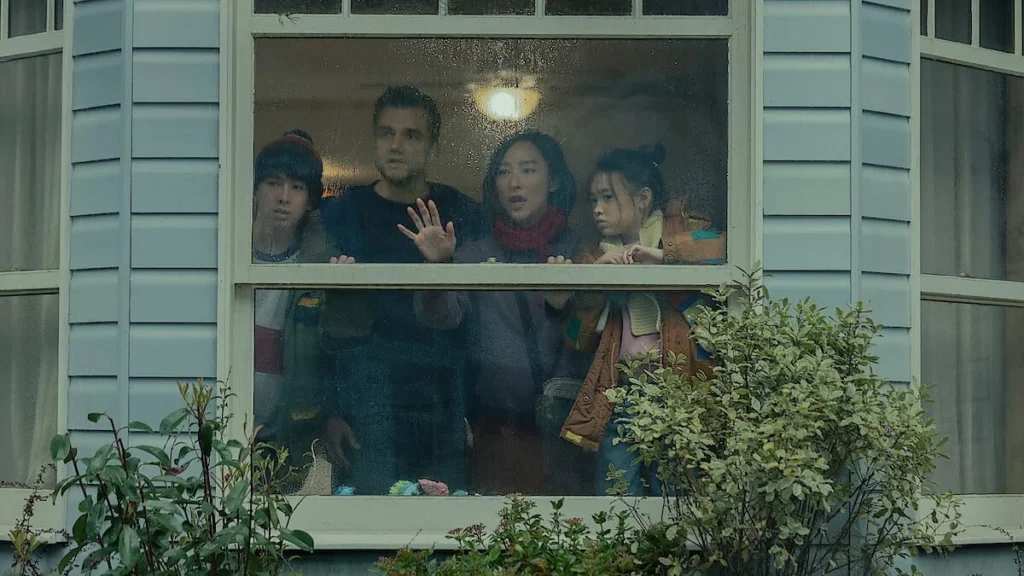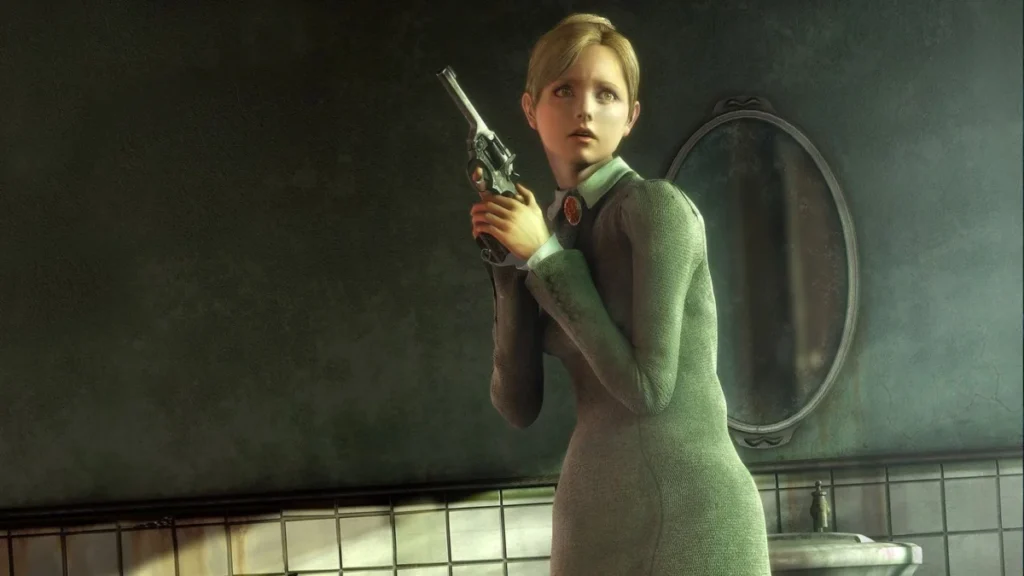
The long-running Resident Evil cinematic franchise appears poised for a significant commercial resurgence as the latest installment, directed by Zach Cregger, prepares to hit theaters worldwide this weekend. Industry analysts, including those at Deadline, are currently tracking a domestic opening weekend between $40 million and $50 million, supplemented by an anticipated $31 million from international markets. These figures suggest a total global bow of approximately $80 million, a threshold that would mark the highest-grossing domestic opening in the history of the intellectual property.
While these initial forecasts are robust, market observers are increasingly suggesting that the film’s performance could exceed these conservative estimates. The convergence of high-profile marketing, positive pre-release sentiment, and the directorial involvement of Zach Cregger—who garnered critical and commercial acclaim with his breakout horror feature Barbarian and his subsequent project Weapons—has expanded the film’s potential audience demographic beyond the traditional core of the franchise’s fanbase.
A Chronology of the Resident Evil Cinematic Legacy
The Resident Evil film franchise has undergone several iterations since its inception, reflecting the shifting trends in horror and action cinema over the past two decades.
- 2002–2016: The Paul W.S. Anderson Era. Spanning six films, this series focused on the character Alice, played by Milla Jovovich. While critical reception was often polarized, the series was a massive commercial success, grossing over $1.2 billion worldwide, making it one of the most profitable video game-to-film adaptations in history.
- 2021: Resident Evil: Welcome to Raccoon City. Directed by Johannes Roberts, this film was intended to be a more faithful adaptation of the original Capcom video games. Despite its thematic closeness to the source material, it struggled to gain significant traction, grossing approximately $42 million worldwide against a $25 million production budget, ultimately failing to launch the anticipated cinematic universe.
- 2026: The Cregger Relaunch. Sony Pictures and Constantin Film shifted strategy, seeking a filmmaker with a distinct voice in the horror genre. By tapping Zach Cregger, the studios aimed to revitalize the property by moving away from the high-octane action aesthetic of the Anderson era and toward the tension-filled, atmospheric horror that defined the early video games.
Market Dynamics and Box Office Projections
The projected $80 million opening is significant for several reasons. First, it signifies a return to theatrical viability for a franchise that has spent the last few years in a state of creative flux. Second, it highlights the influence of contemporary horror directors in driving ticket sales. Cregger’s involvement is widely viewed by industry experts as a "prestige" factor that differentiates this film from previous installments.
Statistical trends in horror cinema over the last three years suggest that audiences are gravitating toward films that offer a unique directorial stamp. Films like Talk to Me, Smile, and Barbarian have proven that mid-budget horror projects can compete with blockbuster tentpoles when marketing campaigns successfully leverage social media engagement and high-concept premises. If Resident Evil manages to surpass the $100 million mark in its opening frame, it would join an elite tier of horror releases, further cementing the genre’s dominance in the post-pandemic box office landscape.
Narrative Shift and Production Context
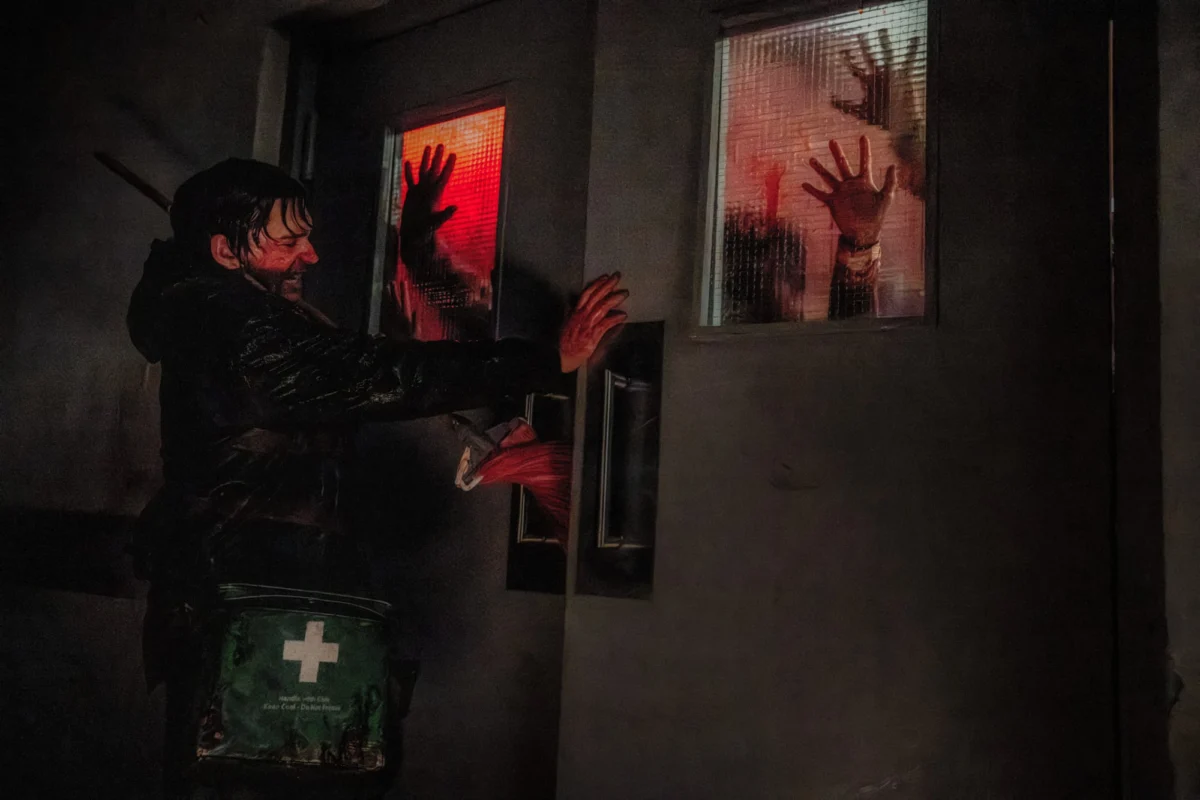
The latest installment, which features Austin Abrams in the lead role of Bryan, represents a structural pivot in the franchise’s storytelling. Rather than focusing on established game characters or superhuman protagonists, the screenplay centers on an "everyman" narrative. Bryan is depicted as a medical courier whose mundane professional responsibilities lead him into the center of a Raccoon City outbreak.

This "ordinary person in extraordinary circumstances" approach is intended to restore the sense of vulnerability that many fans felt was absent in the later Anderson-led films. By grounding the narrative in a survival-horror framework, the creative team has aimed to align the film more closely with the survival mechanics of the source material. According to production notes from Sony Pictures, the film emphasizes claustrophobic environments and resource scarcity, prioritizing tension over the large-scale spectacle that characterized previous entries.
Industry Implications and Future Potential
The success of this production is critical for the future of the Resident Evil IP under the Constantin Film and Sony Pictures partnership. Should the film hit the higher end of its projections, it is expected that the studios will fast-track sequels or spin-off projects. Conversely, a failure to meet these targets could signal to the industry that the Resident Evil brand may have reached a point of audience fatigue, necessitating a longer hiatus or a complete change in strategy.
From an analytical standpoint, the film serves as a test case for whether a legacy horror franchise can be successfully "re-authored" by an auteur filmmaker. In the past, studio-led adaptations of video games often prioritized the brand name over the creative vision. The decision to grant Cregger the latitude to bring his specific sensibilities to the project represents a shift in how major studios manage their intellectual property.
Critical Reception and Audience Anticipation
Initial reviews, including those from critics like Matt Konopka, have highlighted the film’s visceral approach to horror and its successful integration of the franchise’s iconic creature designs. The emphasis on practical effects, as opposed to the heavy reliance on CGI that marred earlier iterations, has been a key talking point in early promotional materials.
As the industry prepares for the weekend’s final tallies, all eyes are on the box office figures as a barometer for the health of horror-based intellectual properties. With a wide release across major markets, the film is set to compete with current mid-season holdovers, and its performance will likely dictate the release schedule for other genre films currently in development at Sony.
Ultimately, the goal of this release is not merely to sell tickets but to re-establish Resident Evil as a cornerstone of modern horror cinema. Whether it will achieve the longevity of the original Milla Jovovich series or remain a singular, well-received experiment remains to be seen. However, given the current projections and the enthusiasm surrounding the film’s marketing, it is clear that the project has successfully generated the momentum necessary to command a significant portion of the global theatrical audience. The industry will be closely monitoring the Sunday morning box office reports to determine if this new chapter in the Resident Evil saga is truly the start of a sustained resurgence.