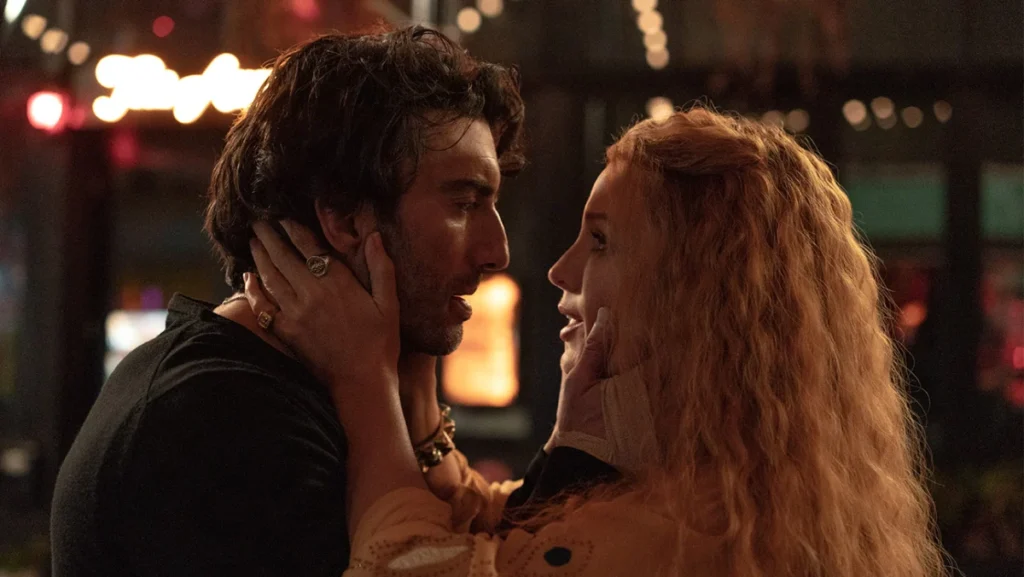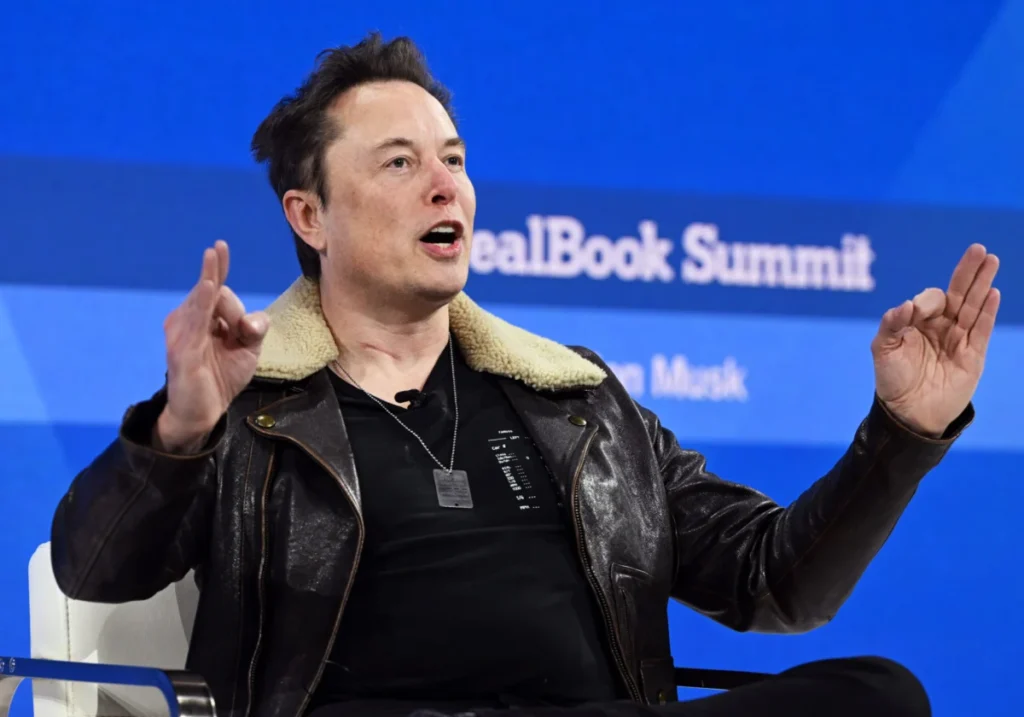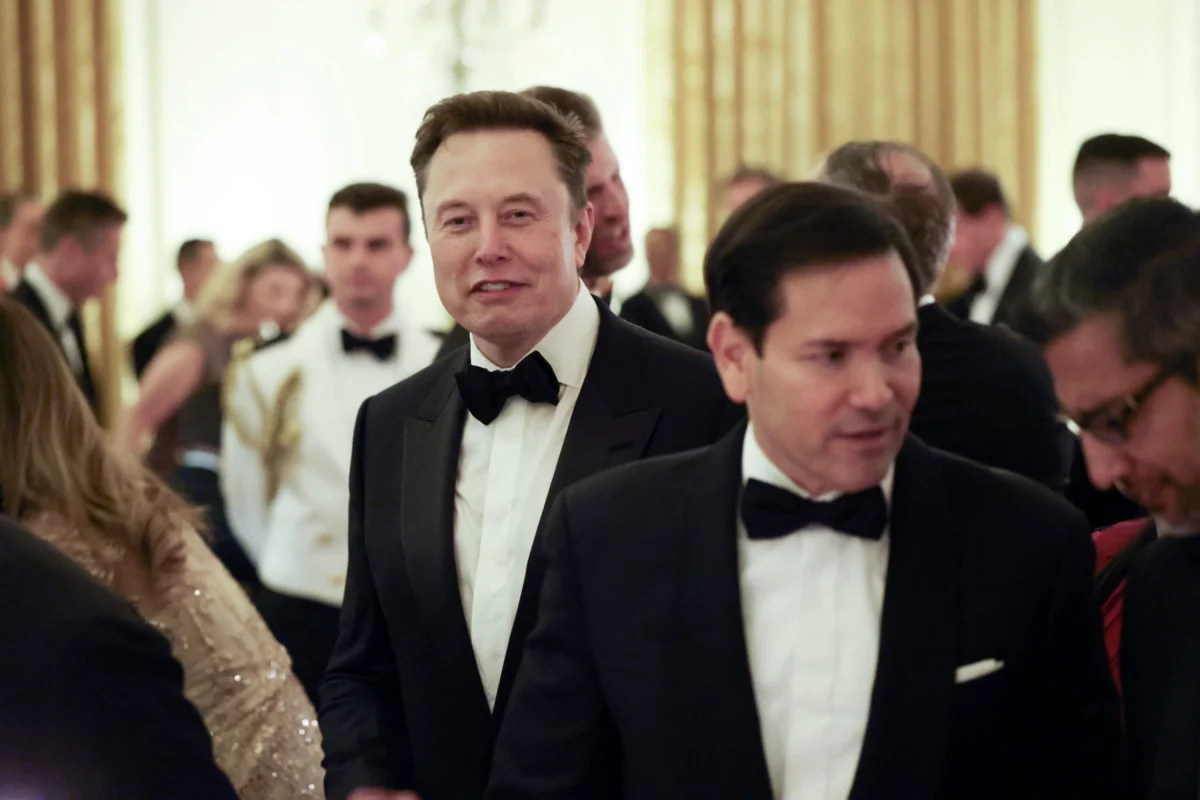
The release of Alex Gibney’s highly anticipated four-hour documentary, Musk, has encountered an unexpected and formidable obstacle: a near-total blackout across the most influential advertising platforms in the digital ecosystem. Distributor Bleecker Street, tasked with promoting the deep-dive investigation into the life and influence of Elon Musk, has found its marketing campaign effectively stifled by YouTube, TikTok, Meta (parent company of Facebook and Instagram), and, predictably, X itself. This collective rejection of paid advertising for the film has sparked an urgent debate regarding the power of tech conglomerates to dictate the boundaries of public discourse and the potential for algorithmic censorship to stifle critical investigative journalism.
A Chronology of Exclusion
The friction began shortly after Bleecker Street finalized the trailer for the film, which is scheduled for a theatrical debut on October 9. As is standard practice for major documentary releases, the distributor sought to leverage the reach of social media platforms to build momentum and foster the grassroots buzz necessary for a successful opening. However, the attempt to purchase ad space was met with a swift and uniform refusal from the industry’s primary digital gatekeepers.
The rejection, which has left Bleecker Street scrambling to decipher the underlying reasoning, follows a series of high-profile challenges surrounding the film’s distribution. Earlier this year, Universal Pictures—the international distributor—briefly signaled an intent to distance itself from the project before public outcry and internal deliberations led the studio to reaffirm its commitment to the film. The current domestic advertising impasse serves as the latest chapter in what many industry analysts describe as a broader struggle for transparency in how tech platforms handle content that touches upon political figures or controversial public interest topics.
The Rationale: Policy vs. Practice
The explanations provided by the platforms have been characterized by a lack of clarity, with most citing vague policies regarding "political content." Meta and TikTok maintain strict prohibitions against political advertising, a policy framework that gained significant momentum following the 2016 Cambridge Analytica scandal. In that era, the unchecked spread of micro-targeted political messaging forced platforms to overhaul their advertising standards to prevent foreign and domestic interference in democratic processes.
However, Bleecker Street argues that the Musk trailer does not constitute political advocacy. The two-minute promotional clip features a fleeting shot of a 2024 political rally and a brief reference to the upcoming election cycle—standard editorial choices for a biographical film about a man who has become a central figure in modern political discourse. Industry experts note that documentaries often utilize archival footage of real-world events to establish context, and barring such content under "political" rubrics may set a concerning precedent for the documentary genre, which historically relies on its ability to interrogate power.
YouTube’s stance remains particularly confounding. Unlike Meta or TikTok, YouTube permits political advertising, provided the content includes the mandatory "paid for by" disclosures and adheres to its verification standards for political candidates. By classifying a documentary trailer as a restricted political ad, the platform has effectively placed a higher barrier to entry on artistic and journalistic content than it does on explicitly partisan electioneering.
The Role of Corporate Consolidation
The irony of the blackout has not been lost on critics. Alex Gibney’s documentary explores the precise theme of centralized power: the ability of a single individual or a small group of tech entities to control the digital public square. By suppressing the advertisement of a film that investigates this very phenomenon, the platforms are providing a real-time, high-stakes demonstration of the editorial influence they wield.
As of mid-September, Bleecker Street has initiated formal appeals with YouTube and TikTok, while Meta has already denied the initial appeal. X, formerly Twitter, has ceased all direct communication regarding the film, effectively closing its doors to any promotional campaign from the distributor—a move that industry insiders suggest is a direct consequence of the platform’s ownership structure.
The concentration of digital advertising power in the hands of three primary companies—Google (YouTube), Meta, and ByteDance (TikTok)—means that when these platforms reach a consensus on a restrictive policy, the impact on a film’s "discoverability" is total. In the digital age, a documentary without social media traction faces a near-impossible uphill battle to achieve theatrical success. Unlike big-budget studio tentpoles that benefit from massive traditional marketing spends, documentaries thrive on word-of-mouth, social shares, and targeted digital advertising.
Broader Implications for Media and Democracy
The incident highlights a growing tension between platform policy and the First Amendment. While social media platforms are private entities with the legal right to curate their advertising inventory, the scale of their dominance in the digital marketplace has transformed them into the modern equivalent of the town square. When these platforms utilize broad, opaque definitions of "political content" to reject non-partisan, fact-based journalism, they inadvertently create an environment where critical inquiries into power are silenced by default.
This is not an isolated event. The upcoming release of The Social Reckoning, a film centered on Mark Zuckerberg and the rise of Meta, serves as a point of comparison. While that film’s trailer is currently active on YouTube, the differing treatment of similar films raises questions about the consistency and potential bias of automated moderation systems. Are these decisions the result of human intervention or algorithmic "over-compliance," where AI systems are programmed to err on the side of caution to avoid the reputational damage associated with political controversy?
Data from the advertising industry indicates that as election season approaches, platforms are becoming increasingly risk-averse. The "political" designation is often a catch-all for any content that could trigger user backlash or regulatory scrutiny. However, the casualty of this risk-aversion is the viability of documentaries that hold the powerful to account.
The Path Forward
Bleecker Street’s persistent efforts to appeal these decisions underscore the stakes of the situation. Should these appeals fail, the distributor will be forced to rely on traditional media channels, independent partnerships, and organic social media reach, none of which can match the precision or scale of paid digital ad campaigns.
The silence from the communications departments at Meta, TikTok, YouTube, and X further complicates the narrative. By declining to provide specific, case-by-case justifications for the rejection, the platforms maintain a shroud of opacity that prevents the public from understanding the boundaries of acceptable speech in the digital age.
For the documentary industry, the Musk incident serves as a wake-up call. If the platforms that act as the primary distribution channels for modern discourse continue to tighten their definitions of acceptable political content, the ability for filmmakers to bring difficult, necessary, and provocative stories to the public will be fundamentally compromised. As the October 9 release date approaches, the question remains whether these platforms will reconsider their stance or whether the digital blackout will become the defining story of the film’s rollout—a meta-commentary on the very subject the documentary seeks to explore.