The release of Christopher Nolan’s cinematic adaptation of Homer’s epic poem marks a significant milestone in contemporary filmmaking, cementing the ongoing creative partnership between the acclaimed director and Academy Award-winning editor Jennifer Lame. Their third consecutive collaboration following Tenet (2020) and Oppenheimer (2023), The Odyssey (2026) demonstrates an advanced application of non-linear storytelling, psychological editing, and rhythmic momentum. By dismantling classical chronology and reconstructing the ancient text through an impressionistic lens, Nolan and Lame have redefined how large-scale historical epics can be structured for modern audiences.
Main Facts of the Production
The Odyssey represents one of the most ambitious projects in Christopher Nolan’s filmography, utilizing a star-studded cast that includes Matt Damon as Odysseus, Anne Hathaway as Penelope, Elliot Page as Sinon, Robert Pattinson as Antinous, and a cameo appearance by Travis Scott as a traditional bard. Produced under traditional high-budget studio parameters with distribution by Warner Bros., the film diverges sharply from historical epic conventions of the past. Instead of lingering on opulent widescreen vistas or maintaining a steady, linear progression, the editorial style prioritizes subjective human memory, synaptic logic, and emotional resonance.
The production scale matches the mythological source material while maintaining the grounded, tactile aesthetic that has characterized Nolan’s work since his early independent features. Rather than relying on computer-generated imagery to establish grand vistas, the filmmakers utilize sweeping cinematography interspersed with rapid, fragmented edits that mimic the cognitive processing of characters recovering from trauma, war, and prolonged separation.
Chronology of the Nolan-Lame Partnership
The artistic synergy between Christopher Nolan and Jennifer Lame originated out of necessity during the pre-production of Tenet in 2019. Prior to joining Nolan’s team, Lame was widely recognized for her mastery of independent drama and character-driven narratives, having edited Noah Baumbach’s Frances Ha (2012), Mistress America (2015), and Marriage Story (2019), alongside Kenneth Lonergan’s Manchester by the Sea (2016) and Ari Aster’s hereditary horror film Hereditary (2018).

Transitioning from intimate domestic dramas to a high-concept sci-fi action thriller featuring reverse-filmed car chases and complex combat choreography presented a formidable challenge. Lame navigated the transition by conceptualizing mechanical objects with distinct personalities, treating complex action sequences with the rhythmic attention typically reserved for dialogue-driven scenes. This foundational philosophy allowed her to help Nolan refine a style of cinematic propulsion that relies on metered impact rather than standard continuity.
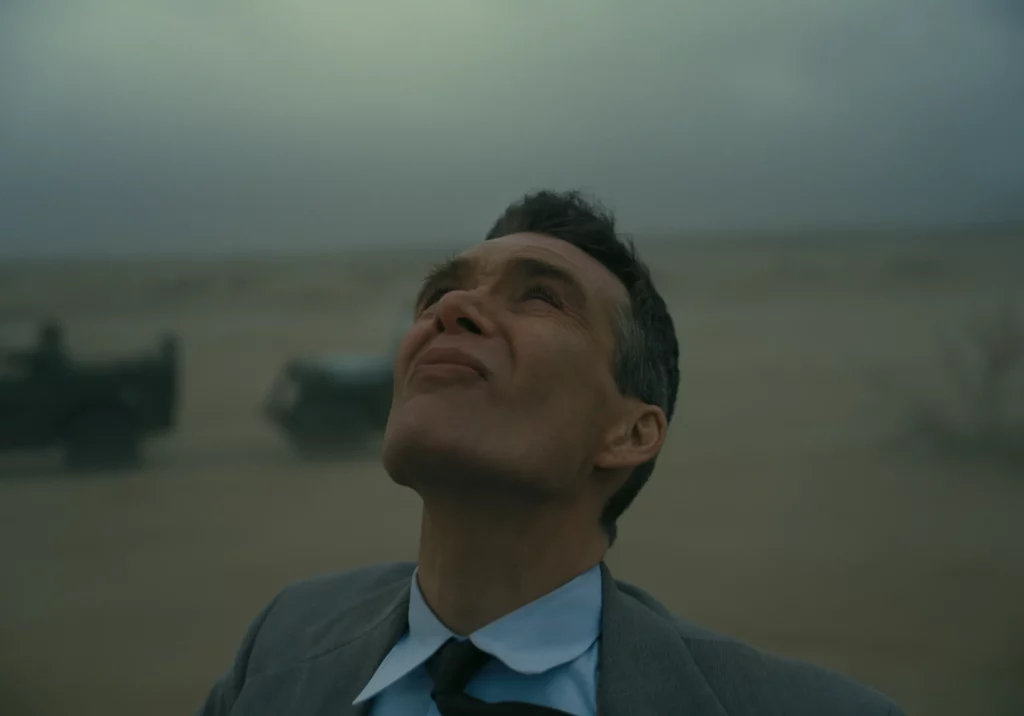
Following the success of Tenet, the duo reconvened for Oppenheimer (2023), a biographical drama chronicling the life of J. Robert Oppenheimer and the development of the atomic bomb. The film utilized a complex, multi-layered timeline filtered through the subjective perspectives of distinct characters across multiple decades. Lame frequently cited her prior experience with flashback structures in Manchester by the Sea as essential preparation for maintaining emotional clarity amid temporal displacement. Oppenheimer earned widespread critical acclaim and secured Lame the Academy Award for Best Film Editing, validating their shared commitment to audience engagement and structural discipline.
Supporting Data and Technical Methodology
The technical execution of The Odyssey relies heavily on what film theorists categorize as Eisensteinian montage—the concept that the juxtaposition of independent shots generates ideas and emotional reactions that transcend individual frames. In analyzing the collaborative process behind Oppenheimer and The Odyssey, Lame has detailed the rigorous organizational passes required to manage extensive ensemble casts and non-chronological narratives.
For Oppenheimer, the editing bay operated through focused passes centered on specific supporting figures, ensuring that recurring characters—regardless of their screen time—retained immediate visual and emotional recognition for the audience. This meticulous approach carried over to The Odyssey, where historical and mythological figures weave in and out of the narrative with brief, impactful appearances.
Data regarding runtime pacing and cut frequency in Nolan’s films indicate a progressive acceleration of editorial cadence over his career. Beginning with his self-edited 1998 debut Following and progressing through the intricately nested flashbacks of Memento (2000), Nolan’s editing strategies have consistently tested the limits of audience spatial and temporal orientation. In The Odyssey, the average shot length is significantly reduced compared to traditional historical epics such as Ben-Hur (1959) or Kingdom of Heaven (2005). Shots rarely exceed a few seconds, creating a breathless, cascading effect that mirrors the fragmented memories of Odysseus as he recounts his journey to Calypso.
Official Responses and Industry Perspectives

While major studio directors often maintain strict adherence to script continuity, Nolan and Lame have consistently emphasized the primacy of emotional logic over rigid chronological storytelling. In interviews surrounding their collaborative projects, both filmmakers have articulated a philosophy centered on audience respect.
Lame noted in a 2024 retrospective interview regarding Oppenheimer that temporal shifts must carry absolute emotional weight to prevent audience detachment. "You don’t want them to feel like you’re using something frivolously that doesn’t have any meaning," Lame explained. "They’ll stop caring. Every time we switch timelines, it has to be incredibly emotional."
Industry analysts and film critics have responded favorably to this methodology, noting that applying psychological impressionism to classical mythology breathes new life into ancient source material. By framing the Trojan War and the ensuing journey not as a straightforward adventure story, but as a fractured psychological recovery from war and displacement, the creative team has aligned classical literature with modern understandings of trauma and memory.
Broader Impact and Implications for the Industry
The release of The Odyssey and the maturation of the Nolan-Lame partnership carry significant implications for modern blockbuster filmmaking. In an era where franchise filmmaking frequently relies on predictable formulas, standardized pacing, and exposition-heavy digital effects, the Nolan-Lame aesthetic demonstrates that complex, formally daring editing can be successfully scaled to commercial tentpole productions.
Furthermore, the film challenges the traditional division between independent character studies and large-scale studio epics. By recruiting editors with roots in independent cinema—a strategy Nolan successfully employed by pairing Lame with his historic preference for propulsive, large-format action—studios are increasingly recognizing the value of psychological depth in high-budget spectacles.
The Odyssey ultimately establishes a new benchmark for literary adaptations on screen. Rather than sanitizing Homeric epic poetry into a reverent, museum-piece tableau, Nolan and Lame have constructed a visceral, impressionistic experience that treats ancient myths as living, breathing manifestations of the human subconscious. As the film secures its place in contemporary cinema history, its structural boldness will likely influence a new generation of editors and directors seeking to reconcile epic scale with intimate emotional truth.