The trajectory of independent cinema often follows a predictable path: production, festival exposure, brief distribution, and eventual obscurity. Yet, every so often, a long-dormant work reemerges to challenge the modern cultural landscape, bridging decades with startling relevance. Such is the case with No Picnic, the 1986 noir-infused punk comedy directed by downtown fixture Phil Hartman. Financed through the proceeds of the Lower East Side bar the Great Jones Cafe and photographed on rich 16mm black-and-white stock by experimental filmmaker Peter Hutton, the film languished in near-total obscurity for nearly four decades. However, following a meticulous restoration and a surprise theatrical engagement at New York City’s Film Forum, No Picnic has transformed from a forgotten artifact into a box office phenomenon, resonating powerfully with contemporary urban audiences.
Chronology of a Lost Masterpiece: From Production to Rebirth
The origins of No Picnic trace back to the mid-1980s, a volatile period of transition for Manhattan’s Lower East Side and East Village. Phil Hartman, utilizing profits from his cofounded Cajun bar, set out to capture an ethnographic, episodic portrait of a neighborhood caught in the crosshairs of rapid gentrification, real estate speculation, and shifting cultural demographics. Production wrapped in 1987, bolstered by financial and logistical backing from Wim Wenders’s New York-based production company, Gray City Films, alongside funds generated by Hartman’s subsequent entrepreneurial venture, Two Boots Pizza.
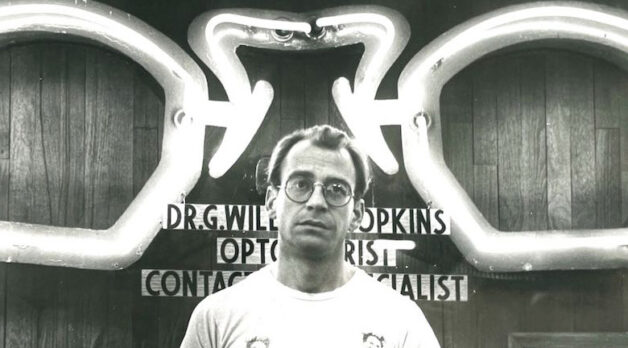
The film’s early festival run held considerable promise. No Picnic premiered at the 1987 Sundance Film Festival, where Peter Hutton secured the cinematography award. Initial plans for a proprietary screening venue at the floundering St. Mark’s Cinema were derailed when Gray City Films folded. Intervention eventually arrived via legendary filmmaker Jonas Mekas, who arranged for a run at Anthology Film Archives in the summer of 1990. Propelled by a rave review from critic Manohla Dargis in The Village Voice, the film achieved a record-setting six-week run.
Despite this critical validation, No Picnic retreated from public view for the next 35 years. Hartman became consumed by the expanding operations of the Two Boots empire—which famously housed the Pioneer Theater, a vital 99-seat repertory cinema that operated from 2000 until rising rents forced its closure in 2008. The film survived primarily on VHS and DVD formats sold out of the Two Boots Video Store, effectively gating the title from broader art-house circulation.
The tide turned in 2025 through a web of generational New York indie film connections. Mary Engel, archivist and daughter of pioneering neorealist filmmakers Morris Engel and Ruth Orkin, introduced Hartman and his film to Jake Perlin, head of the archival distribution outfit The Film Desk. Perlin, coincidentally a former student of Hutton at Bard College and an alumnus of the Pioneer Theater programming desk, spearheaded a full preservation and restoration of the feature.
Box Office Data and Theatrical Triumph
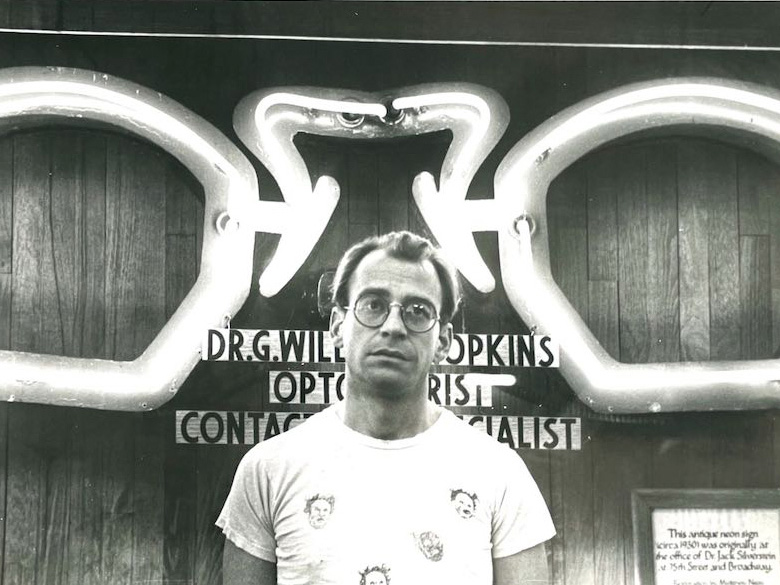
The restored version of No Picnic made its official public bow in January at the Museum of Modern Art (MoMA) as part of the esteemed "To Save and Project" series. Curators and audiences immediately recognized its historical weight, prompting Film Forum repertory director Bruce Goldstein to slot the picture into a massive spring retrospective. Despite initial hesitation regarding an unknown vintage title, the film opened on Friday, April 17, competing directly against high-profile contemporary indie releases.
The theatrical run shattered expectations. Playing to modest, twice-daily screenings, No Picnic sold out virtually every show during its opening week, grossing more than $28,000 to become the theater’s top-performing film. Held over for a second week, it added another $16,000, eventually surging past the $50,000 threshold and ultimately accumulating a cumulative gross of $123,000 over a twelve-week engagement.
To contextualize these commercial figures within repertory cinema standards, No Picnic outperformed renowned classics during their respective historical runs at major revival houses, out-grossing Federico Fellini’s 8½ ($120,000), Akira Kurosawa’s Seven Samurai ($103,000), and narrowly trailing Satyajit Ray’s Days and Nights in the Forest ($127,000).
Institutional and Industry Responses
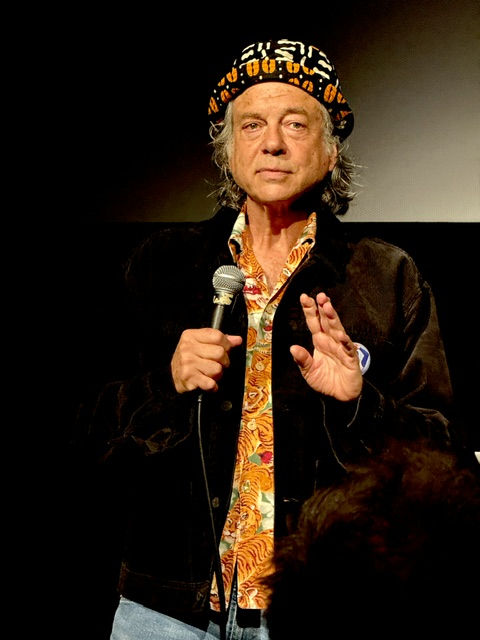
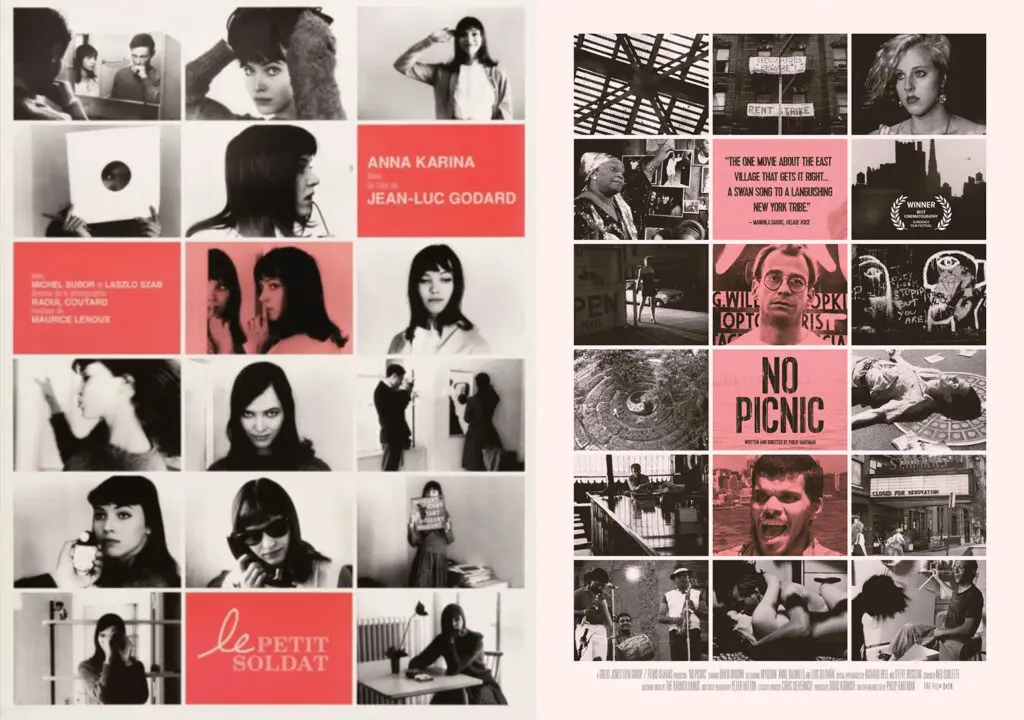
The unexpected commercial vitality of the release caught industry veterans and contemporary creators alike by surprise. The promotional strategy executed by The Film Desk—anchored by a dynamic trailer modeled on the visual language of Jean-Luc Godard’s 1963 film The Little Soldier—played a critical role in priming the audience. Furthermore, Hartman’s active presence at post-screening Q&As, paired with promotional tie-ins involving complimentary slices of Two Boots pizza for ticket holders, fostered direct engagement between the filmmaker and modern viewers.
Producer Christine Vachon, who worked as an uncredited assistant sound editor on the original production, noted the unique temporal alignment of the project. "I think it has this mix of being relevant to today because it’s about being able to afford a place, but it also is a world that’s sort of past," Vachon observed. "It just manages to be sort of a perfect time capsule that in a funny way has folded back onto this time."
Similarly, critic Manohla Dargis emphasized that the thematic core of the film—namely, the acute anxiety surrounding urban affordability—remains evergreen. "The film speaks to the familiar, relatable issue of affordability," Dargis stated, drawing parallels between the economic pressures faced by artists in the 1980s Lower East Side and those confronting today’s creative class across outer-borough neighborhoods like Ridgewood and Bushwick.
Sociological Implications and Cultural Resonance
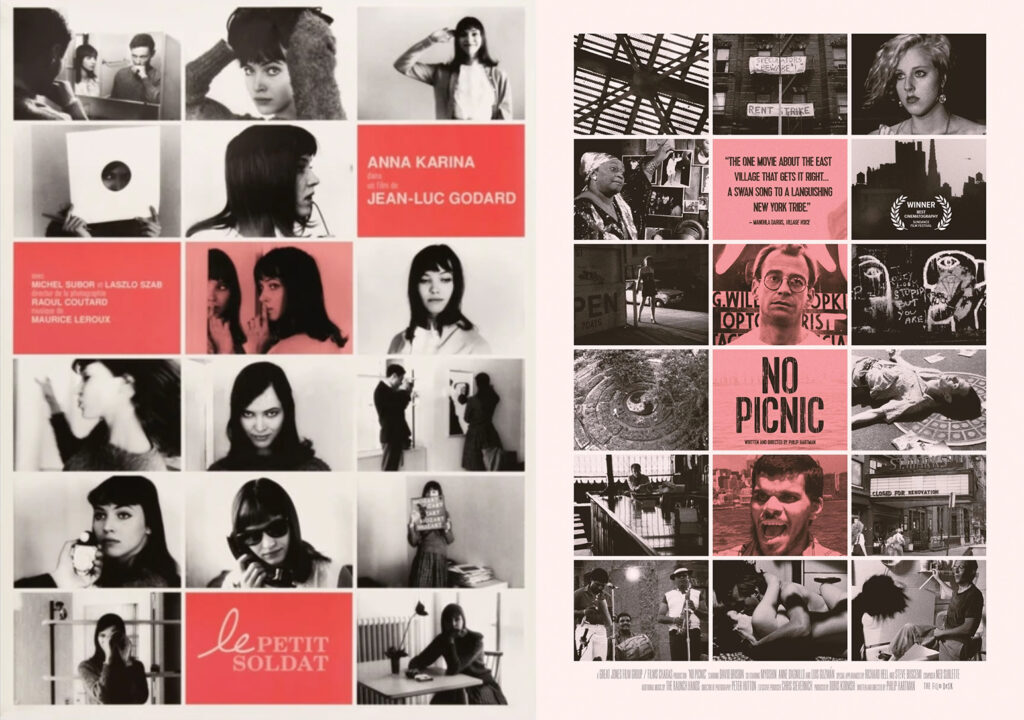
The enduring appeal of No Picnic extends beyond mere nostalgia, functioning instead as a sociological document of a predigital, pre-corporate metropolis. Set against a backdrop of walk-up apartments featuring kitchen bathtubs, wall-mounted analog telephones, bustling record stores, and neighborhood rent strikes, the film chronicles the mundane yet high-stakes realities of scraping together rent through jukebox and cigarette machine routes.
For younger generations of New Yorkers, the film provides a vital historical link. Emerging filmmakers, such as Ridgewood-based director Meg Aubry, have embraced the work as an educational primer on urban culture. "We don’t really know the grounds we’re stomping on or the history of it," Aubry noted. "So it felt like it was an education in New York culture… It is willing to laugh at itself as much as it is willing to take itself very seriously."
The resonance across demographics—bridging older cinephiles seeking to reconnect with the texture of their youth and younger audiences grappling with contemporary housing crises—underscores a broader cultural appetite for authentic, unpolished cinematic representations of city life. As cast member David Brisbin reflected following retrospective screenings, the film succeeds precisely because it avoids cynical didacticism: "Phil and Peter showed us the end of an era, but not in a nostalgic or dystopian way. Things change, but some things stay the same."
Ultimately, the revival of No Picnic demonstrates the viability of deep-catalog repertory curation when paired with targeted marketing and community-driven exhibition. By treating a 40-year-old regional punk comedy with the curatorial seriousness typically reserved for canonical international art cinema, distributors have unlocked a lucrative and engaged demographic hungry for the distinct "terroir" of pre-gentrification metropolitan history.