The cinematic landscape is once again bracing for the footsteps of the world’s most famous kaiju as Toho and distribution partner GKids have officially unveiled the final trailer for Godzilla Minus Zero. The film serves as the direct, highly anticipated sequel to Takashi Yamazaki’s groundbreaking 2023 blockbuster Godzilla Minus One, a cinematic triumph that captured the Academy Award for Best Visual Effects—a historic first for the long-running franchise. Scheduled to smash into international and domestic theaters on November 6, 2026, following a prestigious premiere at the 2026 New York Film Festival, the new feature promises to expand the scope of post-war devastation and existential dread that defined its predecessor.
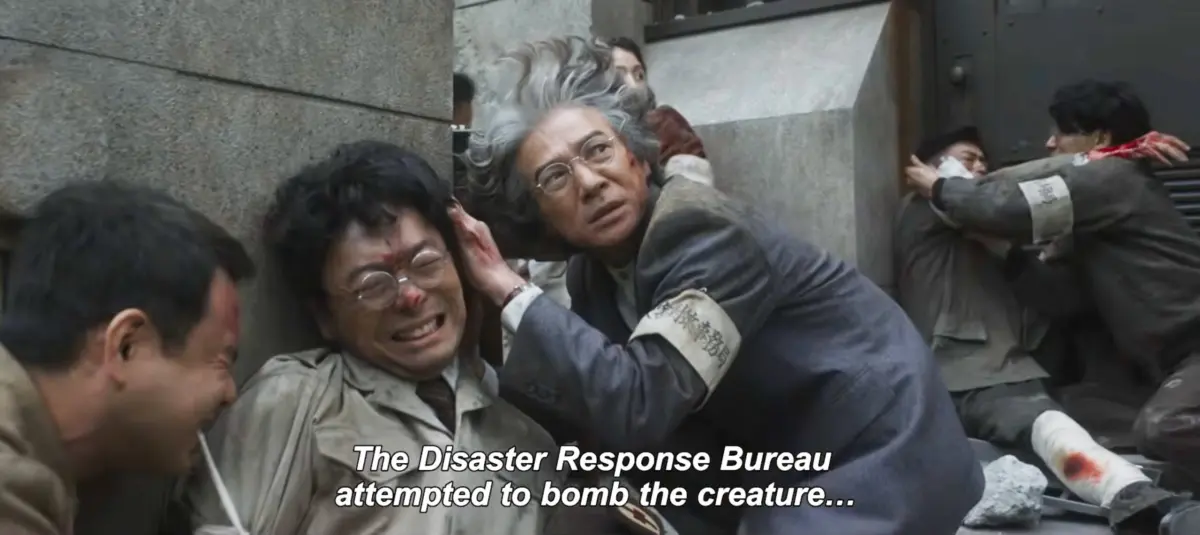
True to the marketing strategy employed for the earlier teasers and promotional footage, Toho’s final trailer keeps actual, detailed monster footage remarkably scarce. Instead of indulging in comprehensive CGI showcases, the promotional campaign leans heavily on dramatic tension, atmospheric dread, and the psychological weight borne by characters who survived the initial atomic-age catastrophe. The trailer’s haunting tagline, "Weapons that require a sacrifice… they know all about it," sets a grim, reflective tone, suggesting that humanity’s efforts to defend itself will demand harrowing moral and physical costs. By withholding extensive monster reveals, the filmmakers and distributors are deliberately preserving the theatrical experience, ensuring that audiences encounter the full scale of the destruction and the identity of the new threats strictly within the cinema.
Chronology of a Franchise Phenomenon

The trajectory of Godzilla Minus Zero began immediately following the unprecedented global success of Godzilla Minus One. Released in late 2023, the original film became a critical and commercial darling, grossing over $115 million worldwide on a modest budget and sweeping international accolades. Its victory at the 96th Academy Awards in March 2024 validated Toho’s return to a darker, character-driven narrative framework that honors the original 1954 allegorical vision of Ishirō Honda.
Capitalizing on this momentum, writer, director, and visual effects master Takashi Yamazaki quickly re-entered production under Toho Studios and Robot Communications. The sequel’s timeline advances to 1949, setting the narrative two years after the tumultuous events of the first film. Japan remains in a precarious state of post-war recovery, complicated further by the ongoing presence of American occupation forces assisting in the reconstruction effort. However, geopolitical rebuilding takes a backseat when the Shikishima family and the nation are forced to confront an all-new calamity. Notably, the narrative progression hints at the emergence of another kaiju alongside Godzilla, complicating the military and humanitarian response and shifting the tactical landscape of the franchise.
Familiar Faces and Returning Creative Talent
The continuity of Godzilla Minus Zero is anchored by the return of its core cast and creative team. Ryunosuke Kamiki reprises his acclaimed role as Koichi Shikishima, the traumatized former kamikaze pilot who sought redemption through resistance in the first film. Joining him is Minami Hamabe, who returns as Noriko Oishi, having miraculously survived the devastating shockwave and initial atomic breath attack on Tokyo.

The ensemble cast also welcomes back several key survivors from the previous film, including Miou Tanaka, Sakura Ando, Hidetaka Yoshioka, Yuki Yamada, and Kuranosuke Sasaki. These characters, having forged deep bonds of trauma and resilience in the shadow of the monster’s first assault, are positioned once again on the front lines of humanity’s survival.
Behind the camera, Takashi Yamazaki maintains absolute creative control. Serving as writer, director, and lead visual effects supervisor, Yamazaki brings the distinct aesthetic and technical precision that defined his extensive filmography, which includes Space Battleship Yamato, Parasyte: Part 1 & 2, and Stand by Me Doraemon. Producer Kazuaki Kishida returns alongside composer Naoki Satō, whose sweeping, melancholic orchestrations are expected to once again elevate the film’s emotional gravity.
The Strategic Marketing and Distribution Approach
The decision by Toho and GKids to withhold comprehensive monster footage in the final marketing rollout represents a calculated shift in modern blockbuster promotion. In an era dominated by spoiler-heavy trailers that outline complete narrative arcs and showcase climactic set pieces, the marketing team behind Godzilla Minus Zero has adopted a retro-styled restraint.

Industry analysts note that this approach builds on the organic word-of-mouth momentum generated by the previous film. Godzilla Minus One proved that audiences respond enthusiastically to strong narrative integrity, compelling human stakes, and high-production-value suspense without requiring constant exposure to computer-generated spectacle in advertising spots. By focusing the final trailer on the human element—the psychological scars of survivors, the political tension of post-war occupation, and the looming inevitability of sacrifice—the production emphasizes that the core appeal of the franchise lies in its dramatic resonance rather than mere creature destruction.
Broader Industry Implications and Cultural Impact
The release of Godzilla Minus Zero arrives at a significant juncture for Toho’s intellectual property management. For years, the studio maintained a dual-track strategy, balancing its domestic live-action projects with Hollywood’s Legendary Pictures-produced MonsterVerse. However, the resounding success of Godzilla Minus One demonstrated that Japanese-produced cinematic narratives possess immense, standalone global commercial viability outside of Hollywood studio systems.
The upcoming sequel carries the responsibility of proving that the 2023 breakout was not a localized anomaly, but the establishment of a sustainable, prestige-driven franchise model. By securing a high-profile festival debut at the New York Film Festival and partnering with GKids for a wide North American and international theatrical rollout on November 6, 2026, Toho is positioning Godzilla not merely as a pop-culture monster, but as a medium for serious, critically acclaimed speculative fiction.

As theaters prepare for the November debut, anticipation among cinephiles and sci-fi enthusiasts continues to reach a fever pitch. With the promise of expanding lore, the return of a beloved cast, and Yamazaki’s proven ability to blend intimate human drama with large-scale disaster, Godzilla Minus Zero is poised to dominate the autumn box office and cement the enduring legacy of the world’s most enduring cinematic monster.