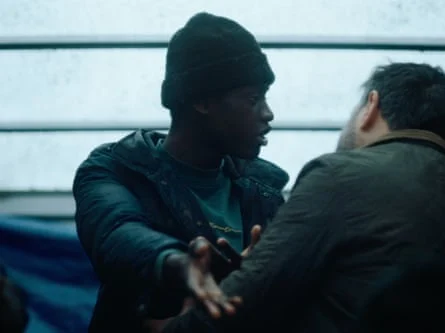
Israeli Prime Minister Benjamin Netanyahu has escalated the government’s confrontation with the creative and journalistic community by formally ordering the nation’s top security officials to unmask the military personnel featured in the controversial documentary NAZA. In a high-stakes directive sent to Attorney General Gali Baharav-Miara, IDF Chief of Staff Lt. Gen. Eyal Zamir, and Shin Bet head David Zini, Netanyahu demanded immediate action to identify all soldiers and officers who gave testimonies in the film. The Prime Minister called for swift criminal investigations and prosecutions, citing alleged information security violations, criminal defamation, and severe harm to Israel’s diplomatic standing and national security interests.
The directive represents a dramatic escalation in the state’s response to NAZA, an investigative documentary produced by the Guardian and directed by Oscar-winning filmmakers Yuval Abraham and Rachel Szor. The film provides a harrowing examination of Israel’s military campaign in Gaza, focusing extensively on the mechanisms and intelligence systems behind the mass casualties of Palestinian civilians. Since its debut, the documentary has sparked global discussions, international acclaim, and severe domestic backlash within Israel, placing freedom of the press, military accountability, and state censorship at the center of an international storm.
Chronology of an International Controversy
The trajectory of NAZA has been marked by intense public friction and rapid escalation across political, legal, and cultural spheres:
- September 10, 2026: Preliminary investigative findings regarding secret intelligence systems used in Gaza airstrikes are published collaboratively by the Guardian, +972 Magazine, and Local Call.
- September 12, 2026: NAZA premieres at the 83rd Venice International Film Festival. It secures the Special Jury Prize following the longest sustained ovation in the festival’s history, immediately drawing the ire of Israeli officialdom.
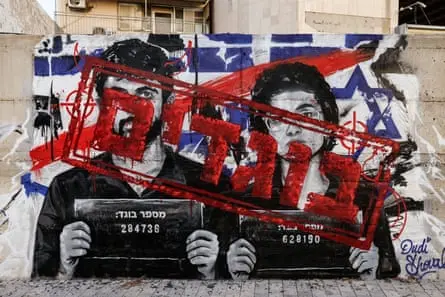
- Mid-September 2026: Israeli government officials publicly threaten to strip directors Yuval Abraham and Szor of their citizenship. Protesters picket Szor’s family home in Savyon, while threatening graffiti targeting the filmmakers appears in cities such as Ashdod.
- Late September to Early October 2026: The documentary opens in commercial cinemas across the United States, the United Kingdom, and more than 50 other nations. International film festival leaders, including representatives from Locarno, issue joint statements supporting artistic freedom.
- October 8, 2026: In an effort to counter the documentary’s narrative, the Israeli government promotes an online counter-project titled NAZA: The Real Story, produced by army reservist and attorney Ariel Averbuch.
- Mid-October 2026: Prime Minister Benjamin Netanyahu issues his formal letter to the attorney general, the IDF chief of staff, and the Shin Bet director, demanding the criminal investigation, identification, and prosecution of all military personnel appearing in the film.
Behind the Lens: Production and Verification of NAZA
The title NAZA refers to a chilling euphemism utilized within military intelligence frameworks to denote expected civilian casualty thresholds associated with specific airstrikes. The documentary itself is the culmination of a rigorous, multi-year journalistic investigation. Production teams spanning multiple outlets conducted interviews with more than 100 sources directly tied to the Israel Defense Forces (IDF) operations in Gaza, including senior-ranking commanders who previously authorized strikes.
According to statements from the Guardian, the investigative process relied on heavily vetted testimonies corroborated by leaked classified documents, granular strike verification metrics, and confidential background sources who chose to remain off-camera. This methodological rigor was deployed to counter anticipated accusations of fabrication, establishing a documented evidentiary trail that has nonetheless been rejected outright by the Israeli security establishment.

Domestic Backlash and Public Intimidation
The domestic reaction within Israel has crossed from political condemnation into active hostility directed at the filmmakers and participants. Following the film’s success in Venice, senior military and political figures labeled the project an "attack on the state of Israel" and characterized its contents as "blood libels."
Government supporters have engaged in aggressive campaigns against the directors. Public demonstrations outside the private residences of family members, coupled with threatening rhetoric from prominent political commentators, have created a hostile climate for domestic dissidents and documentarians. The state’s initial threats to revoke the citizenship of Abraham and Szor drew widespread condemnation from international human rights organizations, who viewed the rhetoric as an authoritarian attempt to suppress internal dissent and penalize independent reporting.
Legal Hurdles and the Protection of Journalistic Sources
While Prime Minister Netanyahu has demanded the immediate unmasking and prosecution of the military whistleblowers, the implementation of his order faces significant legal barriers under Israeli law and international standards.
Military Advocate General Itai Ofir has previously noted that pursuing criminal charges against soldiers appearing in documentary projects requires tangible evidence of active security breaches, such as the unauthorized disclosure of classified materials. Merely expressing critical perspectives or detailing operational realities, while politically damaging to the state, does not automatically cross the threshold of criminal information security offenses.
Furthermore, the legal protection of journalistic sources remains a bedrock principle of international human rights law and press freedom. Ricardo Gutiérrez, general secretary of the European Federation of Journalists—representing over 320,000 media professionals across the continent—condemned Netanyahu’s latest directive. Gutiérrez characterized the move as a "blatant act of intimidation against journalists who have simply been doing their job, in strict accordance with ethical standards and in the public interest," adding that the response reflects a broader pattern of suppressing scrutiny regarding military operations in Gaza.
Legal analysts point out that compelling journalists or security agencies to reveal confidential sources sets a dangerous precedent that undermines investigative journalism globally. International press freedom groups have urged foreign governments to monitor the situation closely and exert diplomatic pressure to prevent the persecution of the filmmakers and their sources.

Counter-Narratives and the Battle for Public Perception
Recognizing the profound global impact of NAZA, the Israeli government and affiliated legal advocates have moved aggressively to contest its findings on digital platforms. The promotion of counter-projects, such as Ariel Averbuch’s NAZA: The Real Story, represents an institutional strategy designed to reframe the public debate. By mimicking the aesthetic and structural elements of investigative documentaries, these state-backed projects attempt to discredit the original film as politically motivated misinformation.
However, the international cinematic and journalistic communities have largely stood firm. Film festival directors, human rights defenders, and global media organizations continue to screen the documentary and champion the rights of creators to investigate matters of urgent public concern without fear of state reprisal or physical violence.
Broader Implications for Freedom of Expression and Accountability
The clash over NAZA underscores a deepening rift between state-enforced national narratives and independent investigative journalism concerning the ongoing conflict in Gaza. By demanding the criminal prosecution of soldiers who shared their experiences on film, the Israeli administration is signaling a zero-tolerance policy toward internal whistleblowing within its security apparatus.
At the same time, the global reception of the documentary highlights the international community’s appetite for independent accountability mechanisms when official transparency is absent. As the legal battles over source confidentiality and criminal defamation unfold in Israeli courts, the outcome of this confrontation will likely have profound repercussions for the future of military whistleblowing, journalistic protections, and the freedom of documentary filmmakers operating in zones of active conflict.