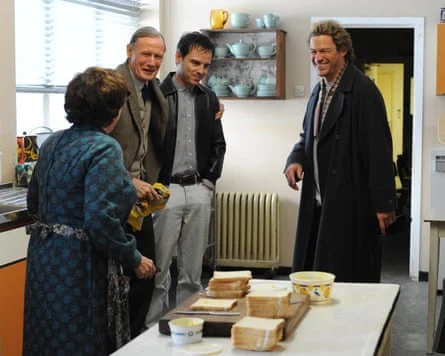
As World Refugee Day, observed annually on June 20th, draws near, the United Kingdom is set to host a comprehensive series of events as part of its national Refugee Week. This year’s commemoration, running under the overarching theme of "Home," promises a rich tapestry of cultural and artistic expressions designed to foster understanding, empathy, and dialogue surrounding the experiences of refugees and asylum seekers. A cornerstone of this year’s programming is an evocative film festival, which will transport audiences from the stark realities of Ain el-Helweh, Lebanon’s largest Palestinian refugee camp, to the contained anxieties of an immigration removal centre in the UK, offering a dual perspective on the global refugee crisis.
A Diverse Cinematic Journey Through the Refugee Experience
The Refugee Week film festival presents a curated selection of cinematic works that delve into the multifaceted lives of individuals forced to flee their homes. Among the featured films is Mahdi Fleifel’s "A World Not Ours," a poignant documentary that offers an intimate and unflinching look at life within the Ain el-Helweh camp. The film provides a window into the daily struggles, enduring hope, and the unique social fabric that develops in protracted displacement. Complementing this is "Dreamers," directed by Joy Gharoro-Akpojotor. This film shifts the focus to the UK’s asylum system, exploring the often-unseen processes and emotional toll associated with immigration removal centres. By juxtaposing these narratives, the festival aims to highlight the universal human desire for safety and belonging, regardless of geographic location or the circumstances of displacement.

Further illuminating the complexities of the UK’s asylum system is "Allies in Exile," a powerful first-person documentary from Syrian filmmakers Hasan Kattan and Fadi al-Halabi. The film, which premiered at the BFI Southbank, serves as a stark portrayal of the bureaucratic labyrinth and emotional challenges that asylum seekers navigate upon arrival in a new country. It offers an insider’s perspective on the systemic hurdles and the often-impersonal nature of the asylum process.
In a significant collaboration, the refugee charity Choose Love, in partnership with Tarot Productions, has assembled a compelling collection of four short films. Titled "Fearless Stories," this series meticulously chronicles the diverse stages of the asylum journey. The films begin by depicting the arduous realities of everyday life in individuals’ home countries, often marked by conflict or persecution, before transitioning to the perilous cross-border journeys undertaken over land and sea. The narrative culminates in the often-challenging arrival in a new environment, where refugees can face ostracism, cultural barriers, and the lingering trauma of their past experiences. This collection, showcased at Picturehouse Central in London, is designed to "challenge division" and underscore the shared humanity of those seeking refuge.
Voices of Compassion and Urgent Calls for Empathy
Josie Fernandez-Marelli, Chief Executive of Choose Love, articulated the profound significance of these narratives: "The UK wouldn’t be what it is today without all the incredible people and cultures that make it up. As division is growing, it’s more important than ever to work together to make sure that refugees are seen as human beings, with hopes, dreams and ambitions." Her statement underscores a central tenet of Refugee Week: to humanize the refugee experience and counter prevailing narratives that can dehumanize or generalize. The growing political and social discourse around immigration in the UK amplifies the importance of such initiatives, aiming to foster a more inclusive and empathetic public consciousness.
The Perilous Journeys and the Moral Compass
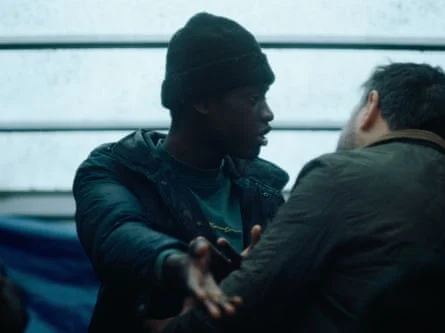
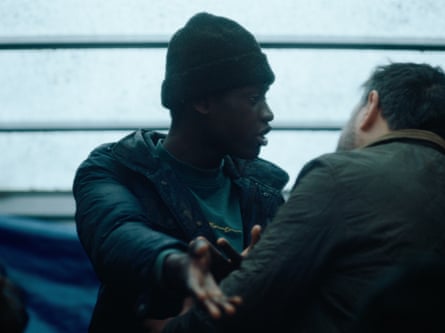
The "Fearless Stories" programme includes "The Long Spring," a film inspired by Olly Ginelli’s volunteer work in the refugee camps of Dunkirk. The film draws from his encounter with Saady, an Iraqi Kurdish asylum seeker who fled his homeland during the advance of Islamic State. Saady himself had previously aided displaced people within his own country, adding a layer of profound irony to his own displacement. After reaching the UK and gaining refugee status, Saady reconnected with Ginelli, sharing his harrowing experiences. The film predominantly unfolds within the confined space of a lorry, depicting the agonizing passage of time and the constant threat of discovery by border forces. Saady himself described the viewing experience as "very difficult," akin to "see[ing] your nightmare on screen." Ginelli further commented on the societal disconnect, stating, "There’s a heated temperament at the moment about people coming over here, but what they don’t realise is that a lot of people are being forced into jobs where they’re working 80 hours a week and living with 30 people in a two-bedroom house." This observation highlights the precarious economic exploitation that can follow arrival, often driven by desperation and a lack of alternative support structures.
Further exploring the complexities of public perception and intervention is Max Fisher’s "Rule, Britannia." The film humorously yet pointedly satirizes the actions of a trio of would-be vigilantes intent on intercepting boats crossing the English Channel. Rob and his friend Walshy, accompanied by Rob’s young son, embark on a mission to "stop the boats." However, their own vessel sinks, leading to a stark moral dilemma when an overcrowded refugee boat appears as their potential saviour. The film’s sense of dark farce gained an unexpected real-world parallel when a boat belonging to Danny Thomas, an associate of far-right figure Tommy Robinson, which was used for similar anti-immigration excursions, sank. Fisher remarked that such an instance of life imitating art "seemed inconceivable at the time we wrote the film," adding a cautionary note: "If we don’t, as a society, get a hold of what is going on, we are going to sleepwalk into not Nigel Farage [being] our PM. We are going to sleepwalk into something much worse than we have now." This commentary reflects a broader concern about the escalating rhetoric and its potential societal consequences.
Resilience in the Face of Oppression and Displacement
Elham Ehsas’s Bafta-nominated film "Yellow" offers a powerful portrayal of the lives of women in Taliban-controlled Afghanistan. The film centers on the seemingly mundane act of shopping for clothes, which, under the current regime, necessitates the wearing of a full-cover chadaree. Ehsas intends the film as a reminder to those who have averted their gaze from Afghanistan since the Taliban’s return in 2021, aiming "to show Afghan girls and Afghan women in a different light… they’re funny, they’re brave, they’re intelligent." Despite these inherent human qualities, the film starkly illustrates that "their fundamental rights have been rescinded and this is a society that is almost an apartheid state between two genders." The film’s focus on personal agency and resilience within a context of severe oppression resonates deeply, challenging simplistic portrayals of victimhood.
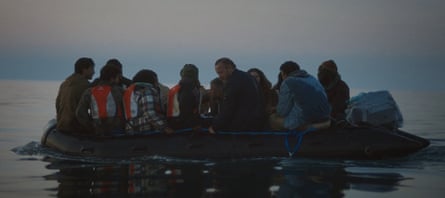
Alexandra Wain’s "In the Clouds," set on a London housing estate, offers a more intimate perspective on the refugee experience through the eyes of six-year-old Sara. The film masterfully employs an atmosphere of claustrophobia, with Wain’s use of colour amplifying the pervasive sense of loss that defines the narrative. For Wain, the paramount objective is to foster "a connection and empathy to these characters." She has received moving messages from viewers, including recently arrived Hongkongers, who have found resonance in the film’s depiction of alienation and the challenges of building a new life.
The Power of Art to Bridge Divides
The overarching message from the filmmakers and organizers is one of connection and understanding. Alexandra Wain emphasizes, "As people, we need to feed our inquisitive minds, and Refugee Week allows us to engage with arts, culture and stories from people we may never have a chance to engage with." This sentiment encapsulates the core mission of Refugee Week: to provide a platform for shared human experience, to challenge preconceptions, and to build bridges of understanding through the universal language of art and storytelling.
This year’s Refugee Week, with its diverse cinematic offerings, serves as a vital counterpoint to the often-politicized discourse surrounding refugees and asylum seekers. By presenting nuanced, human-centered narratives, the festival invites the public to engage with the profound challenges and remarkable resilience of individuals who have been forced to leave their homes, fostering a more informed and compassionate response to a global humanitarian issue. The timing, coinciding with World Refugee Day, further amplifies the urgency and importance of these conversations, urging a collective reflection on what it means to offer sanctuary and embrace diversity in an increasingly interconnected world. The events aim not only to raise awareness but also to inspire tangible actions of support and solidarity, ensuring that the voices of refugees are heard and their dignity upheld.