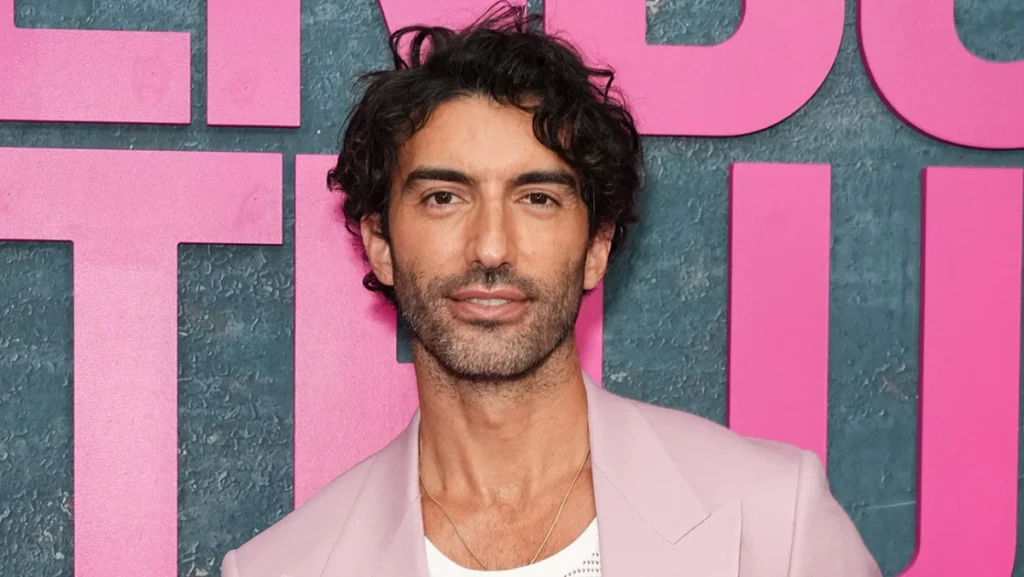
As Netflix navigates a period of significant corporate recalibration, the streaming giant has confirmed the departure of senior film executive Doug Belgrad. His exit, which comes amid the company’s largest workforce reduction in four years, marks a notable shift in the leadership hierarchy within Netflix’s film division. Belgrad, a veteran industry figure who joined the streamer in 2024 to serve as a key lieutenant to film chief Dan Lin, was among the approximately 1,000 employees affected by a company-wide layoff representing roughly 6 percent of the Netflix workforce.
The decision to part ways with Belgrad underscores the volatile nature of the current streaming landscape, where even high-ranking creative executives are not immune to the pressures of bottom-line efficiency and strategic pivoting. For Netflix, which has spent the better part of a decade aggressively scaling its original content production, this latest round of cuts represents a departure from its previous growth-at-all-costs trajectory, signaling a new era of lean operations and optimized creative output.
A Career Defined by Industry Transitions
Doug Belgrad’s tenure at Netflix was relatively brief but high-impact. Brought in by Dan Lin shortly after Lin succeeded former film head Scott Stuber, Belgrad was tasked with helping navigate the complex machinery of Netflix’s original film slate. His appointment was widely viewed at the time as a strategic hire, intended to provide the streamer with institutional knowledge and traditional studio sensibilities—traits Belgrad cultivated during his lengthy and influential career at Sony Pictures.
Prior to his arrival at Netflix, Belgrad served as the president of Columbia Pictures, where he oversaw a diverse portfolio of major motion pictures. His transition from the traditional theatrical studio model to the streaming ecosystem was emblematic of a broader industry trend in 2024, as major tech-driven platforms sought to blend Silicon Valley data metrics with the established creative production expertise of legacy Hollywood. His most recent public-facing duties included managing the high-profile rollout of the Ben Affleck-directed film Animals, which held its world premiere in Los Angeles earlier this month. The suddenness of his departure, appearing shortly after such a significant project launch, has prompted industry observers to reflect on the tightening of executive ranks within the streamer’s Santa Monica and Los Gatos offices.
The Anatomy of the Restructuring
The layoffs, announced on a Wednesday by Netflix co-chief executives Ted Sarandos and Greg Peters, represent a seismic event for the company. To understand the scale of this restructuring, one must look at the historical context of Netflix’s hiring practices. Since its inception as a content producer, the company has operated with a culture of rapid expansion. However, the slowing subscriber growth and the saturation of the domestic market have forced leadership to reassess the necessity of certain layers of management.
The memo circulated to staff by Sarandos and Peters was framed as a necessary evolution. "We know changes like this are tough, but let’s stay focused," the executives noted. "This is one of the most dynamic times in the history of entertainment—and it’s a moment perfectly suited to a company like ours that’s built at the intersection of technology and entertainment."
This language suggests that the layoffs are not merely a reaction to financial downturns but a proactive realignment. By reducing the headcount by 6 percent, Netflix is effectively consolidating its creative departments, likely aiming to shorten the distance between decision-makers and content creators. The departure of an executive of Belgrad’s stature—a direct report to the head of film—indicates that the restructuring is not confined to entry-level or mid-level roles, but extends into the upper echelons of the creative suite.
Historical Context and Industry Precedents
To place these layoffs in perspective, it is necessary to examine the evolution of the streaming model over the last four years. Following the pandemic-era boom, where streaming platforms saw unprecedented spikes in engagement, the industry faced a "correction" period beginning in 2022. During this time, Netflix and its competitors—including Disney+, Warner Bros. Discovery, and Paramount+—began to pivot away from volume-based production toward profitability and margin expansion.
Belgrad’s tenure occurred exactly during this transition. When Dan Lin took over the film division, the mandate was clear: quality over quantity. This shift required a different kind of executive talent, one capable of managing budgets more stringently while maintaining the "prestige" factor of Netflix’s film catalog. The departure of a key architect of this new strategy suggests that the company may be looking to further simplify its command structure, perhaps moving away from the "studio-within-a-studio" model that had been popularized during the Stuber era.
Market Implications and Future Outlook
The broader implications of these layoffs for the film industry are profound. As Netflix trims its workforce, other studios are likely to observe the impact on content pipeline consistency. If the company successfully maintains its volume of releases with fewer executive layers, it may set a new standard for studio operations. Conversely, if the departure of seasoned executives like Belgrad leads to a disruption in creative relationships or project development, it could signal that the company has reached a point of diminishing returns regarding internal consolidation.
Furthermore, the talent market in Hollywood is currently in a state of flux. With fewer high-level roles available at the major streamers, top-tier executives are facing a narrowed landscape. The talent that departs Netflix is often absorbed by legacy studios attempting to modernize their own digital strategies, or by emerging production companies funded by private equity.
The Path Forward for Netflix Film
As the company moves past this restructuring phase, the focus for Dan Lin and the remaining film team will be the execution of the existing slate. The current strategy relies heavily on a mix of tentpole franchise films, awards-contending dramas, and mid-budget genre pieces. Maintaining this balance requires precise management, and the void left by Belgrad will necessitate a redistribution of responsibilities among the remaining film executives.
Analysts tracking the company’s business performance suggest that this move is a play for increased free cash flow. By cutting administrative and executive overhead, Netflix aims to demonstrate to shareholders that its content investment is becoming more efficient. In the quarterly earnings reports that follow, investors will be looking for signs of sustained growth despite the reduction in staff. The success of this strategy will ultimately be measured by the performance of the film slate in the coming 12 to 18 months, particularly how well the studio manages its high-stakes upcoming releases.
Conclusion: A New Phase of Maturation
The departure of Doug Belgrad is more than just a personnel change; it is a marker of the maturation of the streaming business model. Netflix is transitioning from a disruptive startup mentality to a stable, disciplined media conglomerate. This process involves painful decisions and the loss of experienced talent, but for the company’s leadership, it is viewed as a prerequisite for long-term survival in an increasingly crowded and competitive entertainment market.
For now, the industry watches to see how Netflix will navigate the post-restructuring landscape. The memo from Sarandos and Peters emphasized "stepping up to meet the moment," a sentiment that serves as the company’s rallying cry as it heads into a new, leaner phase of its corporate history. While the loss of a veteran executive like Belgrad is a significant change, it is likely only the beginning of a broader transformation that will redefine the roles and responsibilities of film executives across the industry for years to come. The era of unchecked growth has concluded; the era of measured, data-driven optimization has firmly taken its place.