Directed by acclaimed French filmmaker Romain Gavras, the high-concept dark comedy Sacrifice arrives as one of the most polarizing and star-studded streaming releases of the year. Following its high-profile festival circuit debut at the Toronto International Film Festival in the autumn of 2025, the film employs a hybrid release model reminiscent of post-pandemic distribution strategies. While securing a theatrical run in select international territories, Sacrifice debuted directly on Netflix exclusively in the United States and France. This strategic rollout immediately drew industry scrutiny, raising questions regarding the shifting economics of global feature film distribution, the role of premium streaming platforms in acquiring high-budget auteur-driven projects, and the evolving viability of traditional theatrical windows for mid-to-high-tier satire.
The production boasts an ensemble cast led by Chris Evans, Anya Taylor-Joy, Vincent Cassel, Salma Hayek-Pinault, and John Malkovich, supported by performers such as Sam Richardson. Gavras, widely recognized for his visually striking music video direction and previous feature films including the Netflix original Athena (2022), attempts to blend apocalyptic dread with heavy-handed social critique. Set against the picturesque backdrop of a Greek island, the narrative unfolds during an exclusive charity gala ostensibly organized to raise funds to combat climate change. The film explores themes of performative philanthropy, elite hypocrisy, and radical environmentalism, though its execution has sparked intense debate among critics and audiences regarding the efficacy of its satirical commentary.
Chronology and Plot Architecture
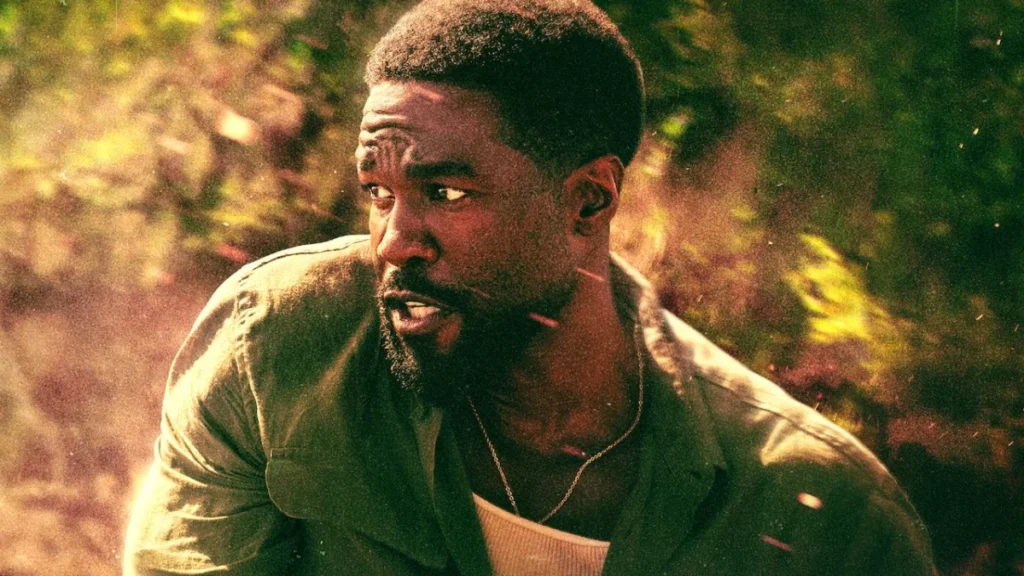
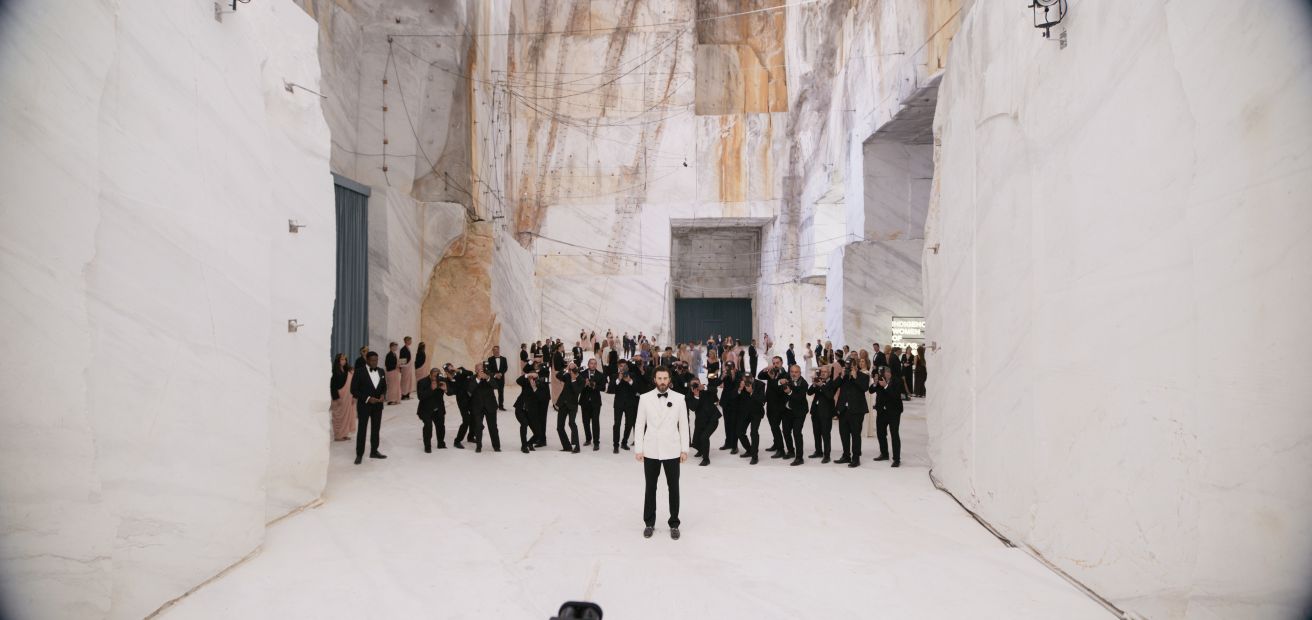
The narrative of Sacrifice begins with a traumatic framing sequence establishing the motivations of a radical anti-climate faction led by a young woman named Joan, portrayed by Anya Taylor-Joy. The plot swiftly transitions to the present day on a sun-drenched Greek island, introducing Mike Tyler, played by Chris Evans. Tyler is an actor attempting a precarious return to the public sphere following a widely publicized, career-damaging public meltdown on the set of a historical peplum film. Monitored closely by his agent and handler, played by Sam Richardson, Tyler finds himself thrust into an environment saturated with self-absorbed billionaires and cultural elites.
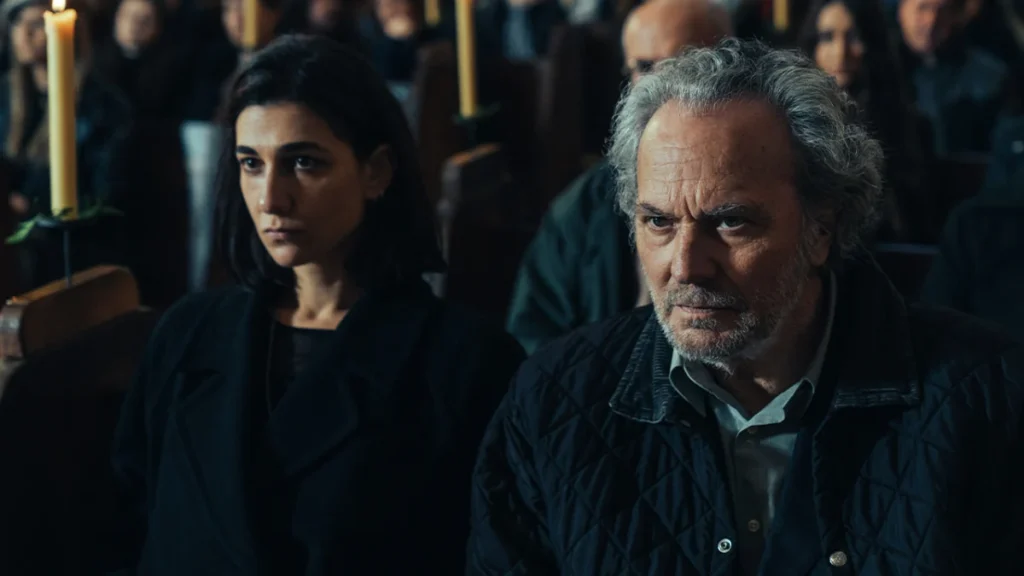
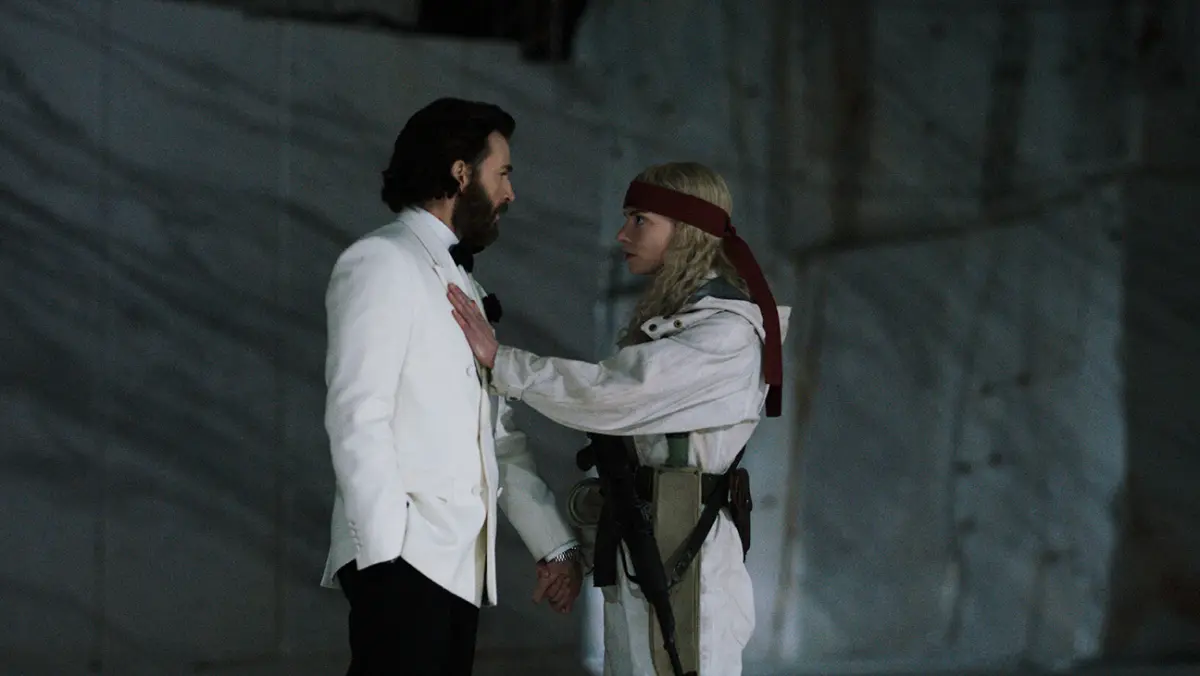
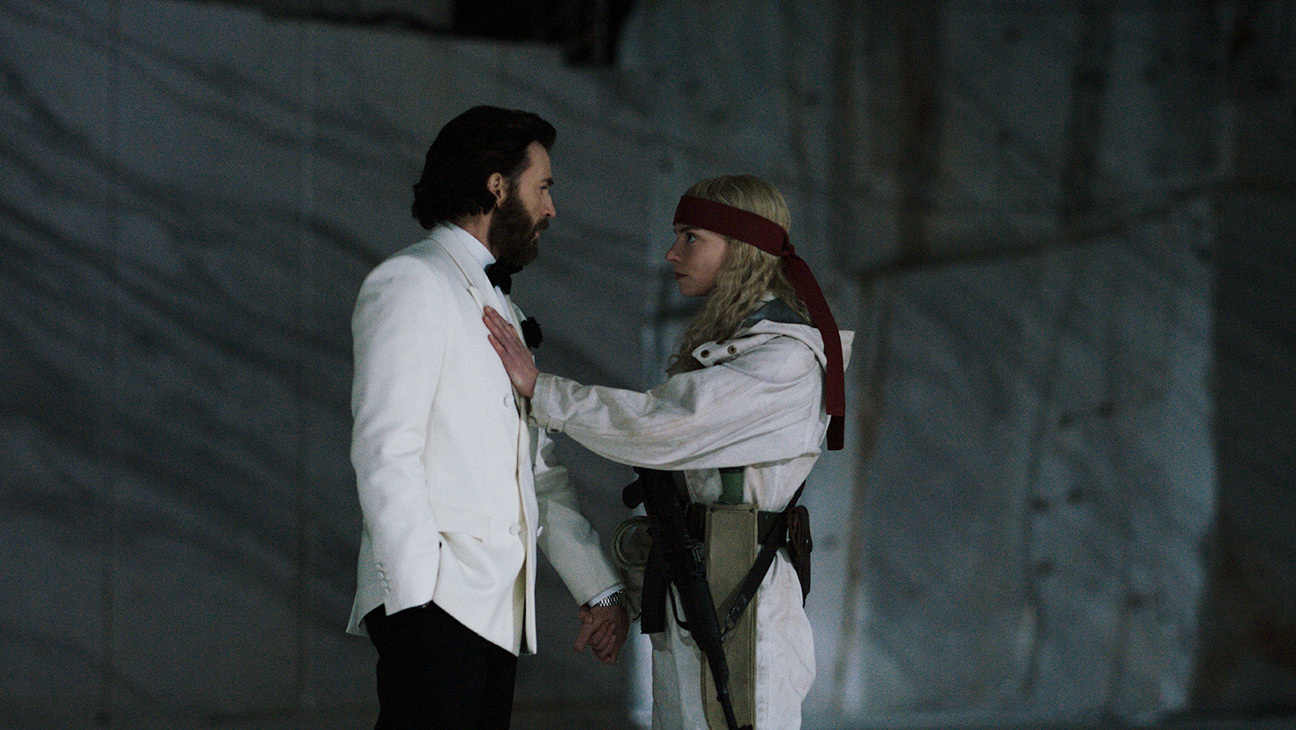
Among the gala attendees are tech billionaire Ben Bracken, portrayed by Vincent Cassel, and his pop-star wife Gloria, played by Salma Hayek-Pinault. Bracken harbors a personal grievance against Tyler, while Gloria publicly professes empathy for the actor’s mental health struggles, adding a layer of superficial corporate harmony to the proceedings. The veneer of charitable goodwill is shattered when Joan and her heavily armed radical group infiltrate the island retreat, taking the attendees hostage. Their ultimatum is absolute: three specific individuals must be offered as a human sacrifice into a nearby, rumbling volcano to appease ecological forces and avert a catastrophic global apocalypse.
Rather than developing into a traditional, slow-burn psychological hostage thriller where captives gradually sympathize with their radical captors, the film pivots rapidly. Following a ritualistic humiliation of the wealthy guests, Joan and her followers select their sacrifices and successfully escape the premises, leaving the remaining attendees to grapple with their survival. The second half of the film follows Tyler as he navigates his role as an unwilling mouthpiece for the group, torn between his distain for the shallow elites and his attraction to Joan’s radical pursuit of authenticity. The narrative ultimately culminates in a series of surreal dream sequences, apocalyptic visions, and escalating plot complexities that blur the lines between biting political satire and generalized chaos.
Production Background and Distribution Strategy
The trajectory of Sacrifice reflects broader transformations within the contemporary film industry. Romain Gavras, known for his ability to merge high-fashion aesthetics with chaotic, kinetic action sequences, collaborated with a powerhouse production team to bring the project to fruition. Filming locations spanned multiple international sites, including landscapes in Iceland, utilized to generate the dramatic, fire-and-brimstone visual palette that underscores the film’s apocalyptic themes. The integration of choral music, stark color grading, and meticulously composed wide shots highlights Gavras’s signature visual style, which prioritizes immediate sensory impact.
The distribution strategy orchestrated for Sacrifice underscores the ongoing friction between traditional theatrical exhibition and subscription-based streaming services. By opting for a bifurcated release model—releasing the film theatrically in select global markets while dropping it directly onto Netflix in major territories like the United States and France—the distributors navigated the complex financial realities of post-pandemic audience behavior. Industry analysts note that such hybrid releases are increasingly utilized to mitigate financial risk for high-budget, star-driven comedies that might otherwise struggle to find a stable footing in a crowded global theatrical box office dominated by established intellectual property franchises.
However, this approach also introduces significant challenges regarding audience perception. Direct-to-streaming releases in key markets can sometimes diminish a film’s cultural longevity, positioning high-profile auteur projects as disposable content within expansive streaming libraries rather than cultural events. For Netflix, acquiring Sacrifice aligns with its ongoing strategy of securing prestige titles featuring globally recognized talent to bolster its subscriber retention metrics, even as individual titles face rigorous critical scrutiny.
Satirical Themes and Critical Reception
At its core, Sacrifice functions as an aggressive satire targeting the socio-economic elite—specifically the wealthy one percent who engage in performative environmentalism while maintaining lifestyles antithetical to sustainability. Characters like Gloria, who releases an avant-garde pop album purportedly composed from the perspective of a flood, serve as direct targets for the film’s mockery of corporate and celebrity virtue signaling. Tyler, the cynical and volatile actor, acts as an audience surrogate who vocalizes contempt for the superficiality of the gala attendees, though his outbursts are largely dismissed by the crowd as eccentric entertainment.
Despite its ambitious thematic targets, the film has drawn mixed reactions from media critics. Reviewers have pointed out that the satire frequently lacks precision, relying on broad archetypes and predictable comedic beats reminiscent of sketch comedy rather than sustained, incisive social commentary. The ideological motivations of Joan and her radical faction, while visually striking, are supported by a thin expositional background that occasionally reduces a determined revolutionary figure to the archetype of a rebellious adolescent.
Furthermore, as the narrative progresses, the tonal shift from sharp societal critique to surreal apocalyptic fantasy creates a noticeable narrative disconnect. The integration of convoluted dream sequences and heightened plot mechanics obscures the film’s intended political messaging, leaving critics to debate whether the project constitutes a profound examination of climate anxiety or an insular dark comedy playing exclusively to its creators’ sensibilities.
Cast Performances and Standout Elements
Despite narrative inconsistencies in the screenplay, the ensemble cast has universally been cited as a stabilizing force that elevates the material. Chris Evans delivers a committed performance as the pompous, self-absorbed, yet deeply insecure Tyler, successfully balancing unlikeable arrogance with moments of vulnerable self-awareness. Vincent Cassel and Salma Hayek-Pinault bring grounded physical presence and comedic timing to their respective roles as cynical tech wealth and detached celebrity culture.
Nevertheless, industry consensus largely identifies Anya Taylor-Joy as the standout performer of the production. Building upon her extensive resume in projects such as The Queen’s Gambit, Mad Max: Furiosa, and her subsequent collaborations with Netflix, Taylor-Joy infuses the character of Joan with an intense, commanding poise. Even when the script struggles to fully flesh out the sociological underpinnings of her character’s radical movement, her screen presence anchors the more chaotic elements of the second act. Her performance provides the necessary gravitas to maintain narrative tension throughout the hostage sequence, establishing her as a formidable focal point amidst an ensemble of heavy-hitters.
Broader Industry Implications and Outlook
The release of Sacrifice serves as a microcosm of current industry dynamics, illustrating the creative and commercial complexities of producing original, high-concept mid-budget cinema in an era dominated by algorithmic distribution and IP-driven blockbusters. By pairing an internationally renowned director with an A-list cast, the production successfully captured global attention upon its festival premiere. However, the subsequent critical reception underscores the ongoing difficulty of translating complex satirical concepts into universally resonant cinematic experiences.
As streaming platforms continue to recalibrate their acquisition strategies, balancing prestige festival acquisitions with mass-market appeal, titles like Sacrifice will likely remain a focal point for discussions on film economics. Whether the film’s unique hybrid release model becomes a blueprint for future auteur projects or remains an isolated distribution experiment will depend heavily on its long-term viewership metrics on Netflix and its performance in international theatrical markets. For now, Sacrifice stands as a visually arresting, albeit uneven, exploration of modern hypocrisy, anchored by robust performances that manage to weather the storms of an ambitious yet disjointed script.