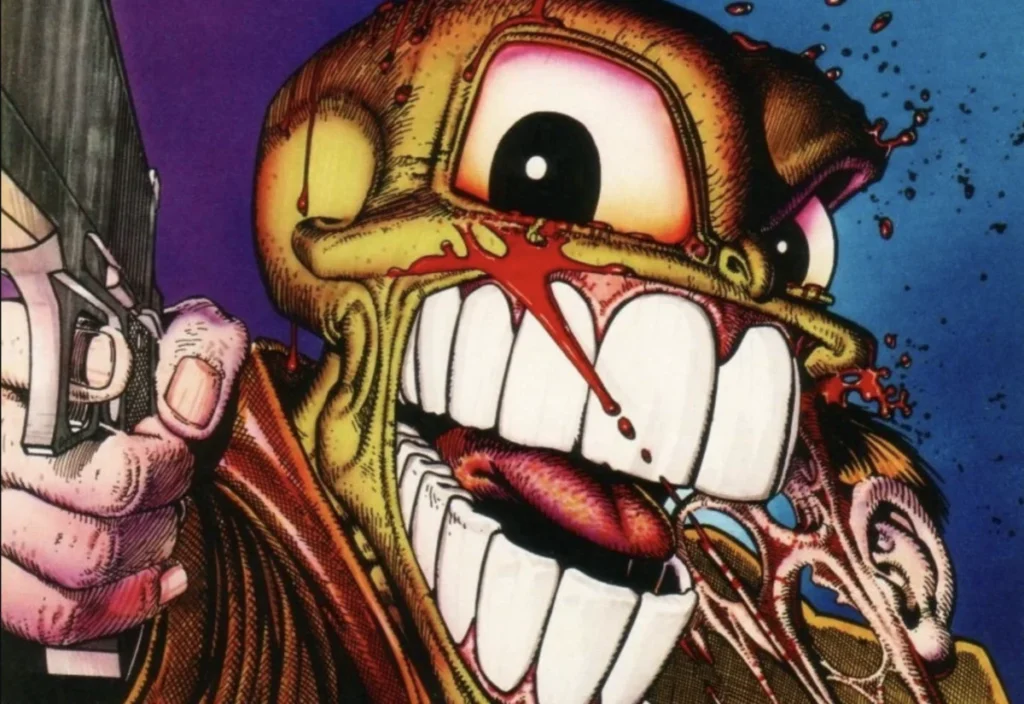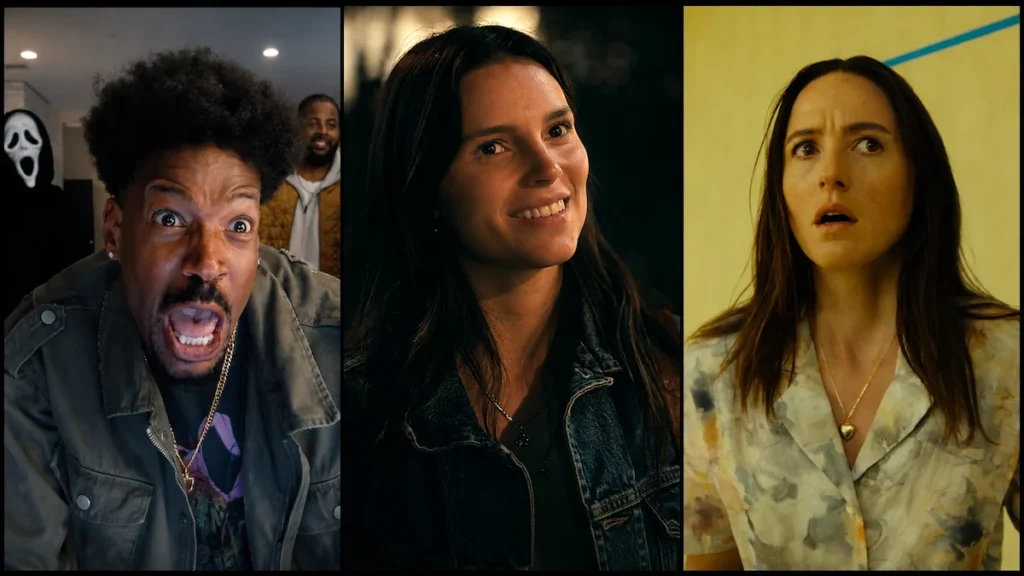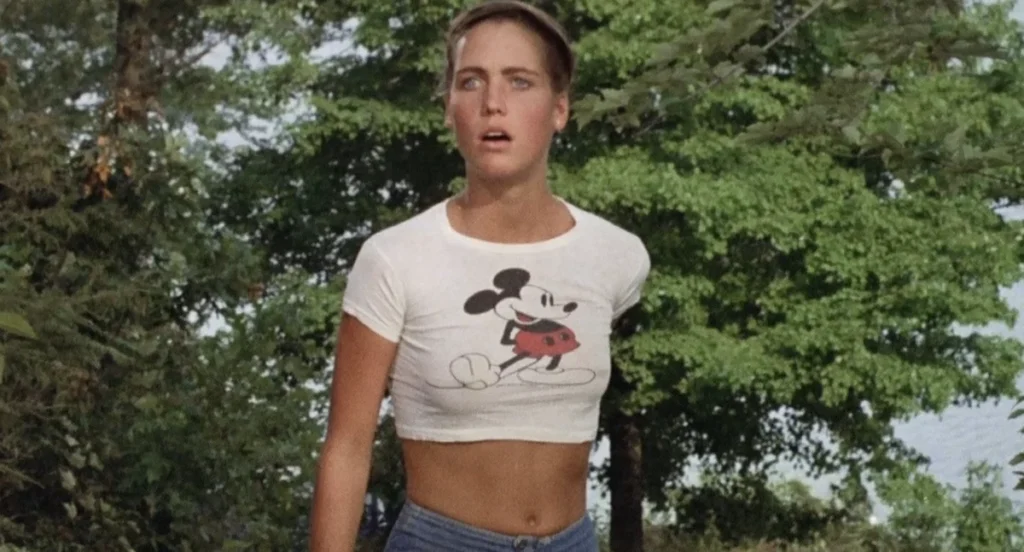
Bryan Fuller, a celebrated architect of genre television, has finally unveiled his inaugural feature film, Dust Bunny, a project that has been eagerly anticipated by fans of his distinctive, often darkly whimsical storytelling. The film, which made its debut on streaming platforms, has rapidly ascended to the top of the HBO Max charts, signaling a significant commercial and critical reception for Fuller’s transition from the small screen to the silver screen. This success underscores the enduring appeal of Fuller’s unique brand of genre filmmaking, which blends elements of horror, fantasy, and dark comedy with a profound understanding of emotional resonance.
Fuller, renowned for his critically acclaimed television series such as Hannibal, Pushing Daisies, Dead Like Me, and Wonderfalls, has cultivated a reputation for crafting visually striking narratives with complex characters and thematic depth. His involvement in a forthcoming series with horror icon Clive Barker, the mastermind behind Hellraiser and Candyman, further solidifies his status as a pivotal figure in contemporary horror. However, Dust Bunny marks his first foray into directing a feature-length film, a milestone many in the industry and among his fanbase have long awaited.
A Genre-Bending Vision Takes Flight
Dust Bunny is not a conventional horror offering, a characteristic that Fuller himself has embraced. Instead, it navigates a delicate balance between being a "gateway horror" experience and a vintage action-adventure, drawing clear influences from beloved cinematic touchstones. This multifaceted approach has clearly resonated with audiences, propelling the film to the coveted number one position on HBO Max’s streaming charts. The film’s immediate popularity suggests Fuller’s innate ability to connect with viewers on a fundamental level, particularly in his masterful handling of what constitutes effective gateway horror—films that can captivate younger audiences while offering sophisticated enjoyment for adults.
In a candid interview conducted around the film’s premiere at the Toronto International Film Festival (TIFF), Fuller articulated his deep affection for this specific subgenre. "I love gateway horror," he stated. "I love Return to Oz, and I love Gremlins and Poltergeist… that Amblin brand of horror. The Goonies, while not quite horror, is definitely a thriller. Those were the movies I grew up on, and I don’t really see them in the marketplace anymore—movies that are as much for kids as they are for adults, and that adults can enjoy just as much." This philosophy is demonstrably at the heart of Dust Bunny, a film designed to appeal across generational lines.
A Narrative Tapestry of Influences
The narrative of Dust Bunny centers on a young girl who forms an unlikely alliance with a hitman to confront a formidable monster. Critics have drawn parallels to Luc Besson’s The Professional for its depiction of a complex mentor-mentee relationship, infused with the whimsical sensibility of Fuller’s own Pushing Daisies and echoing the fantastical elements found in films like Return to Oz. This unique blend creates a remarkably versatile cinematic experience, one that is both accessible to children and deeply engaging for adults.

The film boasts a stellar cast, with the legendary Sigourney Weaver taking on a memorable villainous role, a casting choice that further amplifies the film’s genre pedigree. Mads Mikkelsen, known for his captivating performances, portrays the hitman, adding a layer of gravitas and intrigue to the central dynamic. The synergy between these acclaimed actors, guided by Fuller’s distinct vision, appears to be a key ingredient in the film’s success.
A recent review from its TIFF Midnight Madness World Premiere lauded the film, describing it as "like a dazzling, mildly dangerous display of backyard fireworks, Bryan Fuller’s Dust Bunny is charming and stylish gateway horror." This description encapsulates the film’s ability to be both thrilling and accessible, a characteristic that has clearly struck a chord with viewers.
The Rise of a Visionary Director
Bryan Fuller’s journey to feature filmmaking has been a deliberate and carefully curated one. For years, he has been instrumental in shaping the landscape of television horror, demonstrating an unparalleled ability to imbue his projects with a unique visual style, dark humor, and emotional depth. His work on Hannibal, in particular, garnered widespread critical acclaim for its sophisticated portrayal of psychological horror and its artistic cinematography, setting a high bar for what television could achieve within the genre.
The decision to helm Dust Bunny as his directorial debut is significant. It represents a culmination of his creative evolution and a testament to his ambition to explore storytelling in a new medium. The film’s immediate success on a major streaming platform like HBO Max suggests that Fuller’s transition is not only artistically sound but also commercially viable. This achievement positions him as a director to watch, with the potential to leave a lasting impact on the film industry.
Industry Context and Future Implications
The success of Dust Bunny arrives at a time when the film industry is increasingly exploring hybrid release models and relying on streaming platforms for wider reach. For a director with Fuller’s established fanbase, a strong streaming debut provides a powerful platform to showcase his cinematic vision to a global audience. The film’s top ranking on HBO Max indicates a strong audience appetite for content that deviates from traditional genre formulas and embraces creative risk-taking.
The implications of Dust Bunny‘s performance extend beyond Fuller’s career. It signals a continued demand for films that can bridge the gap between different age demographics, a niche that has historically been challenging to fill. The "gateway horror" model, as championed by Fuller, offers a promising avenue for studios and filmmakers looking to cultivate new generations of genre enthusiasts. By providing accessible yet sophisticated entry points into horror, these films can foster a lifelong appreciation for the genre.

Furthermore, the film’s critical reception, as highlighted by its positive review from TIFF, suggests that Dust Bunny is being recognized not just for its entertainment value but also for its artistic merit. This dual acclaim is crucial for establishing a film’s longevity and its ability to be discussed and analyzed within cinematic discourse.
Behind the Scenes and Production Context
While specific details regarding the film’s production timeline are not extensively documented in the provided text, the mention of its premiere at TIFF in 2025 places its development and release within a recent timeframe. The festival circuit, particularly a prestigious event like TIFF’s Midnight Madness section, often serves as a crucial launchpad for genre films, generating buzz and securing distribution deals.
Fuller’s collaboration with established actors like Sigourney Weaver and Mads Mikkelsen suggests a project that attracted significant talent, likely due to Fuller’s reputation and the compelling nature of the script. The development of such a film, from initial concept to streaming release, typically involves years of pre-production, filming, and post-production, underscoring the dedication and effort invested by Fuller and his team.
Audience Reception and Streaming Impact
The immediate ascent of Dust Bunny to the number one spot on HBO Max is a powerful indicator of audience engagement. In the competitive streaming landscape, achieving such a high ranking signifies strong viewership numbers and a positive word-of-mouth effect. This success can be attributed to several factors:
- Bryan Fuller’s Brand: His dedicated fanbase, built over years of delivering unique television shows, likely flocked to his directorial debut.
- Genre Appeal: The film’s positioning as "gateway horror" broadens its appeal beyond traditional horror aficionados to families and a more general audience.
- Star Power: The inclusion of acclaimed actors like Sigourney Weaver and Mads Mikkelsen undoubtedly draws attention.
- Critical Acclaim: Positive reviews from festival screenings can influence viewer interest and drive initial viewership.
The impact of this streaming success is multifaceted. For HBO Max, it represents a significant acquisition that is performing exceptionally well, potentially boosting subscriber engagement and retention. For Fuller, it validates his directorial vision and opens doors for future film projects. For the broader industry, it offers a case study in the potential of auteur-driven genre films to thrive in the streaming era.
Conclusion
Bryan Fuller’s Dust Bunny is more than just a directorial debut; it is a statement piece that reaffirms his status as a visionary storyteller. By successfully blending elements of horror, adventure, and heartfelt storytelling, Fuller has crafted a film that not only entertains but also resonates deeply with audiences of all ages. Its immediate triumph on HBO Max charts is a testament to his unique artistic voice and his ability to connect with viewers on an emotional and imaginative level. As Dust Bunny continues to captivate audiences, it solidifies Fuller’s legacy and promises an exciting future for his contributions to the world of film and television.