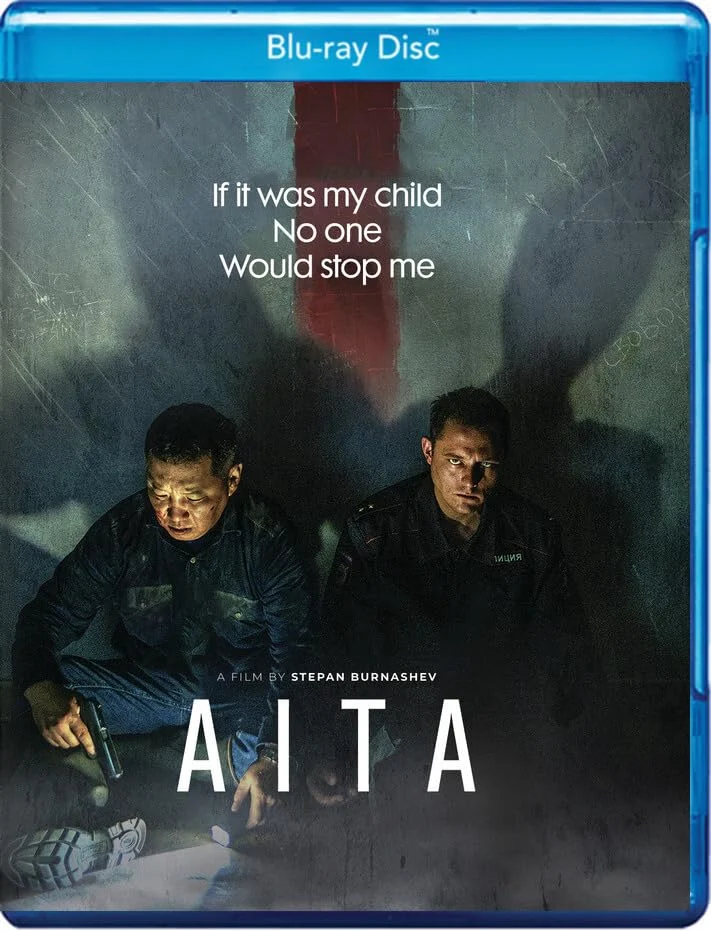
Stepan Burnashev’s film "Aita" has emerged as a landmark achievement within Sakha cinema, garnering significant commercial success and critical attention before facing an official ban in Russia. The film’s narrative, set against the stark backdrop of a remote Yakut village, delves into profound themes of mob psychology, justice, and inter-ethnic tensions, resonating deeply with audiences even as its controversial subject matter ultimately led to its prohibition. Its journey from local triumph to national censorship underscores the delicate balance between artistic expression and state control over cultural narratives in contemporary Russia.
The Rise of Sakha Cinema: A Cultural Phenomenon
The success of "Aita" is emblematic of the remarkable rise of Sakha cinema, often dubbed "Yakutwood," over the past two decades. Originating from the Sakha Republic (Yakutia), the largest subnational entity in the world, this cinematic movement has carved a unique niche in global independent filmmaking. Characterized by its fiercely local focus, often low budgets, and high artistic ambition, Sakha films frequently explore the distinct cultural identity, mythology, and social realities of the Sakha people. Directors like Stepan Burnashev have leveraged limited resources to produce works that are not only aesthetically compelling but also deeply resonant with their primary audience, fostering an extraordinary sense of community ownership and support.
This cinematic flourishing is a testament to the resilience and creative spirit of the Sakha people, an indigenous Turkic group with a rich history and distinct language. Their films frequently feature local actors, speak the Sakha language, and depict the unique challenges and beauty of life in the vast, often harsh, Siberian environment. The narratives often blend traditional folklore with modern genre conventions, from thrillers and dramas to horror and comedies, captivating viewers with their authenticity and universal human stories. Before the ban of "Aita," Sakha films had increasingly gained recognition at international festivals, signaling a growing appreciation for their distinctive voice and storytelling prowess.
Stepan Burnashev and the Genesis of "Aita"
Stepan Burnashev stands as one of the most prolific and respected figures in this burgeoning cinematic landscape. Known for his keen eye for social commentary and his ability to craft compelling narratives, Burnashev has directed numerous films that reflect the intricacies of Sakha life. His work often oscillates between genre filmmaking and profound psychological drama, using local settings to explore universal human conditions. "Aita" is widely considered one of his most impactful works, pushing boundaries both artistically and thematically.
The conception of "Aita" likely stemmed from a desire to confront sensitive social issues prevalent in remote communities, particularly those concerning justice, rumor, and inter-ethnic dynamics. The film’s title, "Aita," is the name of the teenage girl whose tragic circumstances ignite the central conflict, immediately grounding the narrative in a personal tragedy that quickly spirals into a broader societal crisis. Burnashev’s directorial approach in "Aita" is characterized by a taut, suspenseful style, drawing viewers into a rapidly escalating whodunnit while simultaneously forcing them to grapple with uncomfortable truths about human nature and societal fault lines.
The Haunting Premise: A Village Unravels
The narrative of "Aita" commences with a shocking event in a tiny Yakut village. Following a vibrant youth dance, teenage Aita returns home and, in a moment of despair, attempts to hang herself. Her mother discovers her in critical condition, rushing her to the local hospital. The immediate aftermath sees Police Inspector Nikolai Sirditov, a local resident, initiating an investigation. His discovery of a cryptic note in Aita’s pocket—"Afonya, I hate you!"—swiftly points suspicion towards Afanasy, a police officer nicknamed Afonya, who is a Russian man transferred to the remote area. Afonya, having moved for better pay and early retirement prospects, is already regarded with suspicion and dislike by many locals, particularly due to his outsider status.
Under questioning, Afonya admits to giving Aita a ride home on the night of the dance, placing him among the last individuals to see her alive. This revelation, coupled with the note, rapidly escalates the situation. News of Aita’s suicide attempt and the perceived involvement of the "outsider" Afonya spreads like wildfire through the village, exacerbated by social media. Aita’s father, Aiaal, consumed by grief and a thirst for vengeance, quickly mobilizes a vigilante mob. The escalating tension also impacts Afonya’s Yakut wife, Sardaana, who finds herself ostracized and shunned by her own community, illustrating the ripple effect of collective accusation and prejudice.
This scenario plunges Inspector Nikolai into an agonizing moral and professional dilemma. As a law enforcement officer, he is bound to protect Afonya and uphold due process. However, as a member of the community, he shares the outrage and suspicion, finding his professional obligations clashing violently with his personal loyalties and deeply ingrained sense of justice. The precariousness of his position forms the core dramatic tension, reflecting the broader struggle between the rule of law and the primal instinct for retribution within a community on the brink of internal conflict.
Unpacking the Thematic Layers: Mob Rule, Justice, and Identity
"Aita" transcends its thriller framework to offer a rich tapestry of social and philosophical commentary. One of the film’s most potent explorations is the psychology of the mob. Burnashev meticulously portrays how a community, under the grip of collective grief and outrage, can swiftly descend into irrationality, prioritizing vengeance over evidence. The narrative powerfully illustrates how rumor, amplified by social media, can create an unshakeable belief in guilt, particularly when directed at an "outsider." This dynamic, where the crowd’s thirst for blood essentially drives the entire story, serves as a stark warning about the dangers of unchecked collective emotion and the fragility of truth in such circumstances.
The film also meticulously examines the role of the law when confronted with such intense societal pressure. Inspector Nikolai’s predicament is central to this theme; he is forced to navigate the treacherous waters between his duty to protect a suspect, regardless of personal feelings, and his allegiance to his community. This internal conflict is mirrored among other members of the precinct, who grapple with the moral ambiguity of shielding a man who might be guilty, especially from friends and neighbors. The question of whether it is truly worth protecting someone accused of molesting a girl against the fervent demands of the community becomes a haunting, overarching dilemma.
Furthermore, "Aita" delves into the complexities of inter-ethnic relations within Russia. The conflict between an indigenous Sakha girl and a Russian outsider taps into historical and contemporary sensitivities regarding power dynamics, cultural clashes, and perceived injustices. While the film refrains from overt political statements, it effectively highlights the deep-seated prejudices and mistrust that can simmer beneath the surface of seemingly peaceful co-existence. The plight of Afonya’s Yakut wife, Sardaana, caught in the crossfire of this blind hatred, further underscores the devastating impact of such divisions, portraying a community teetering on the edge of a civil war. The eventual introduction of firearms into the conflict dramatically intensifies this internal strife, making the stakes even higher.
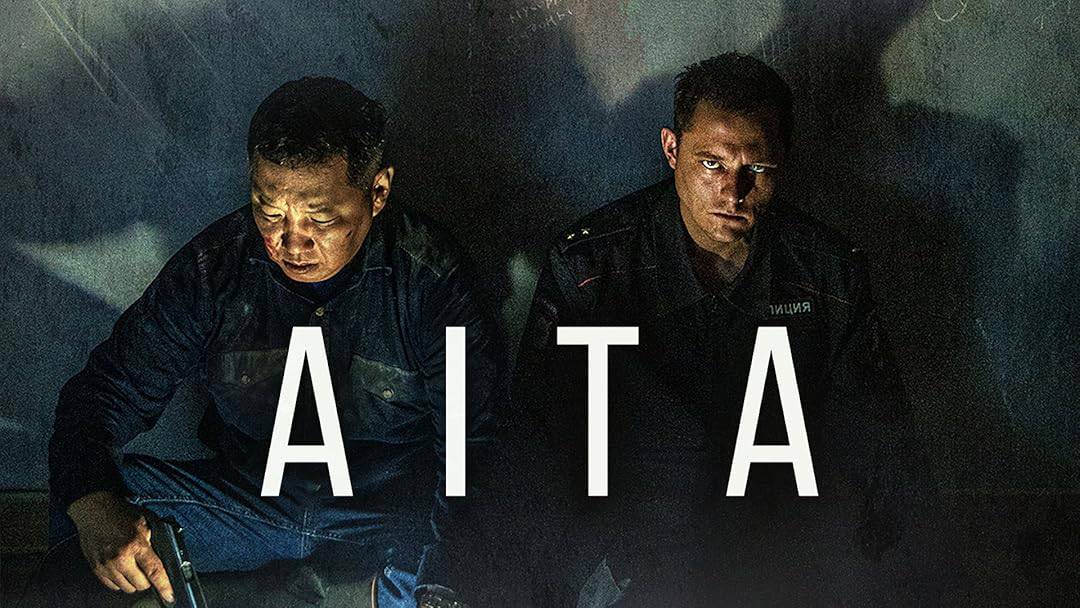
Beyond these macro-level societal themes, Burnashev also touches upon the more intimate and universal issue of parental awareness. The film subtly critiques how parents often remain largely oblivious to the hidden lives, struggles, and secrets of their children, adding another layer of tragic complexity to Aita’s story and the events that unfold. This rich thematic context ensures that "Aita" functions not merely as an entertaining thriller but as a thought-provoking social commentary that resonates on multiple levels.
Artistic Craftsmanship: Capturing Yakutia’s Bleak Beauty
The thematic depth of "Aita" is powerfully supported by its exceptional artistic and technical execution. The psychological impact and raw emotion that permeate the narrative are greatly enhanced by the high caliber of acting from the ensemble cast. Innokenty Lukovtsev, as Inspector Nikolai, delivers a particularly compelling performance, masterfully portraying his character’s agonizing inner struggle. His quiet intensity and occasional outbursts of frustration vividly convey the immense pressure he faces, making his internal conflict palpable to the audience.
Andrey Fomin, in the role of Afonya, maintains a crucial ambiguity throughout the film. His performance keeps viewers guessing about his guilt or innocence, adding layers of suspense and ethical complexity to the narrative. Georgiy Bessonov embodies the vengeful father Aiaal with raw gusto, his portrayal of a man driven to the brink by grief and anger providing a powerful counterpoint to Nikolai’s measured approach. Aytalina Tsypandina, as Sardaana, convincingly portrays the victim of misplaced community wrath, her resolve in the face of ostracization adding a poignant human element to the broader conflict.
Danila Goryunkov’s cinematography is another standout element, crucial in establishing the film’s immersive atmosphere. He skillfully captures the intense weather and bleak, expansive setting of Yakutia, blending realism with a striking artistry. The night scenes, despite their occasional stylization, are particularly memorable, utilizing deep shadows and sparse light to amplify the sense of isolation, mystery, and impending danger. While some daytime scenes might lean towards excessive brightness, the overall photographic work is more than competent, turning the stark landscape into a character itself that mirrors the internal desolation of the inhabitants. The editing contributes significantly to the film’s tension, maintaining a fast pace that propels the story forward and keeps the audience on edge. At a concise 86 minutes, "Aita" is expertly paced, ensuring that every scene contributes to the escalating drama without unnecessary filler.
The Ban: A Crackdown on Artistic Expression
The critical acclaim and commercial success of "Aita" were ultimately overshadowed by its ban in Russia. While specific official grounds for the ban were not publicly detailed, films that touch upon sensitive ethnic tensions, portray mob justice, or could be perceived as challenging state authority or social cohesion often face heightened scrutiny in Russia’s increasingly conservative cultural landscape. The film’s depiction of an indigenous community in conflict, with an "outsider" at its center and the law struggling to maintain order, likely triggered concerns within official circles regarding potential incitement of social discord or the portrayal of a state unable to control its populace.
The ban on "Aita" was met with disappointment and concern within the Russian and international filmmaking communities. Many cultural figures viewed it as another instance of tightening censorship and a restriction on artistic freedom, particularly concerning works that dare to explore complex social issues. For the filmmakers and the Sakha cinema movement, the ban represented a significant setback, potentially stifling future creative endeavors that might venture into similarly sensitive territory. It also highlights the growing pressure on artists to align with approved narratives, limiting their ability to reflect nuanced or critical perspectives on societal challenges.
Broader Implications for Russian and Indigenous Cinema
The banning of "Aita" carries significant implications, both for Russian cinema as a whole and specifically for the indigenous filmmaking movements within the Russian Federation. For Russian cinema, it reinforces a perception of diminishing artistic freedom, where films that challenge conventional narratives or expose societal fault lines risk official sanction. This can lead to self-censorship among filmmakers, impacting the diversity and boldness of cinematic output.
Paradoxically, bans often generate increased international interest in the prohibited work. The "Streisand effect" could potentially draw more global attention to "Aita," leading to its wider distribution and appreciation outside Russia. This might, in turn, offer a platform for Sakha cinema to gain even greater international recognition, albeit under difficult circumstances. However, within Russia, the ban could isolate these burgeoning indigenous film movements, making it harder for them to reach their domestic audiences and secure funding for future projects.
For indigenous communities like the Sakha, cinema serves as a vital medium for cultural preservation, identity assertion, and the articulation of their unique perspectives. A ban on a commercially successful and thematically significant film like "Aita" could be seen as an attempt to silence these voices, hindering their capacity to engage in important cultural dialogues and represent their own realities on screen. It underscores the ongoing tension between centralized state control and the aspirations of diverse ethnic groups for cultural autonomy and self-expression.
Conclusion: "Aita"’s Enduring Legacy
Despite the official ban, "Aita" stands as a powerful and enduring work. It is a testament to Stepan Burnashev’s directorial vision and the vibrant talent within Sakha cinema. While the film’s ending may be considered tame compared to the escalating tension throughout the narrative, it offers a satisfying, albeit often somber, conclusion that consolidates its themes rather than sensationalizing them. The film’s ability to entertain while simultaneously provoking deep thought ensures its place as a significant contribution to contemporary cinema.
"Aita"’s journey—from commercial success to critical acclaim, and ultimately to its prohibition—serves as a compelling case study of artistic courage in the face of censorship. It will likely continue to spark discussions about justice, community, identity, and the boundaries of freedom of expression, cementing its legacy as a film that dared to ask uncomfortable questions and depict complex truths, even at a cost. The film’s themes, particularly those concerning mob mentality and the struggle between law and communal passion, remain universally relevant, ensuring that "Aita"’s message will resonate far beyond the borders of Yakutia and Russia.