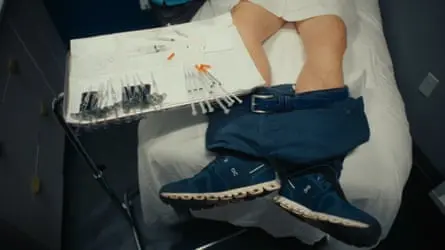
The cultural fixation on male anatomy is as ancient as civilization itself, echoing through the ages from towering architectural monuments to colloquial expressions of status and power. Yet, in the decades following the pharmaceutical revolution sparked by the introduction of the blue pill, a new frontier has emerged. The modern intimate wellness industry has evolved into a lucrative, largely unregulated commercial enterprise, offering everything from dermal fillers and specialized therapies to invasive cosmetic procedures. This rapidly expanding landscape serves as the focal point of Manhood, a piercing 90-minute documentary by acclaimed journalist and filmmaker Daniel Lombroso, known for his sharp dissections of contemporary male culture and identity.
The Genesis of a Trend and the Rise of Outpatient Enhancements
Lombroso’s journey into the underbelly of male cosmetic enhancement began during his tenure reporting on plastic surgery trends for national publications. Intrigued by the rising demand for procedures that promised physical alterations to intimate areas, the documentarian began contacting practitioners across the United States. Statistical data supports his investigative curiosity; a 2024 analysis of search engine trends tracked a steady, measurable increase in public interest regarding penile enhancement injections spanning a decade from 2013 through 2022.
To capture this phenomenon from the inside, Lombroso embedded himself within a sprawling network of providers and clients, resulting in a film that examines modern male self-esteem through a stark, uncompromising lens. The narrative is anchored by Bill Moore, a charismatic entrepreneur operating out of a Dallas strip mall office. Moore, who is not a licensed medical doctor, markets outpatient procedures—primarily girth enhancement via his company PhalloFill—for prices ranging between $15,000 and $20,000 per session.
Moore’s marketing pitch frames these procedures as transformative interventions capable of curing depression, turbocharging sex lives, and altering career trajectories. Behind the clinical facade, however, the commercial motivations are transparent. Moore’s enterprise has rapidly scaled to encompass 32 locations nationwide, with the entrepreneur openly expressing a desire to normalize the procedure to the ubiquity of routine dermatology treatments like Botox.
Personal Narratives and the Complex Psychology of Clients
The documentary avoids treating its subjects as mere spectacles, instead exploring the profound psychological vulnerability driving men to undergo elective intimate surgery. The clientele spans various demographics, including professionals, law enforcement personnel, and religious figures, many of whom maintain strict anonymity out of fear of social stigma.
Among the central figures profiled in the film is Ruben, a father of five whose obsession with physical enhancement exacts a heavy toll on his personal and domestic life. Driven by an urgent desire to afford the procedure, Ruben takes the drastic step of relocating his family in with an ex-partner to free up financial resources. His daily routine—consisting of consuming online commentary centered on traditional masculinity and performing to unresponsive crowds at local comedy open-mics—illustrates a deeper narrative of isolation and the search for validation. Despite his devotion as a father, his fixation on physical upgrading destabilizes his marriage, pushing his wife, Lana, toward the brink of divorce.

Another key subject, David, represents a cautionary tale within the industry. Seeking corrective surgery to repair the damage inflicted by a botched procedure performed by Victor Loria—a practitioner infamous for his malpractice disclaimers and colorful background—David embodies the regret and physical risks associated with unregulated cosmetic alterations. His narrative takes an unexpected turn as his personal relationship with Moore and his partner is revealed, adding layers of complexity to an already intricate documentary.
Industry Regulation and the Gray Areas of Modern Medicine
The operations of providers like Moore and Loria highlight significant regulatory challenges within the booming cosmetic wellness sector. Operating in a gray area of medicine, these non-physician or questionable practitioners often leverage patient insecurities while maintaining legal disclaimers. Loria’s office, adorned with a malpractice disclaimer reminiscent of historical proclamations, exemplifies the precarious nature of procedures performed outside traditional medical oversight.
Despite the clinical marketing, industry observers note the profound irony underlying these procedures. Lombroso’s film subtly draws parallels between the intimate wellness treatments sought by men and the broader category of gender-affirming care. Yet, the clientele and practitioners rarely frame the procedures in these terms, preferring to couch their motivations in the language of traditional machismo and social capital.
Broader Impact, Cultural Implications, and Future Outlook
The release of Manhood arrives at a time of heightened cultural discourse regarding male loneliness, mental health, and the societal pressures tied to physical appearance. Analysts and sociologists point out that the rising popularity of "looksmaxxing" and intimate cosmetic procedures reflects broader anxieties surrounding modern identity, social connectivity, and self-worth.
While industry proponents argue that these treatments offer psychological relief and enhanced confidence, critics and public health advocates warn of the risks associated with unregulated procedures, predatory marketing tactics, and the exploitation of vulnerable consumers. As companies like PhalloFill continue to expand their geographic footprint and market share, the intersection of commerce, mental health, and medical regulation remains a critical area of scrutiny.
Ultimately, Lombroso’s documentary refrains from offering simplistic moral judgments, opting instead to present a nuanced portrait of modern male insecurity. By examining the lengths to which individuals will go in pursuit of perceived perfection, the film opens a broader dialogue on the societal structures that equate physical attributes with personal worth in the twenty-first century.