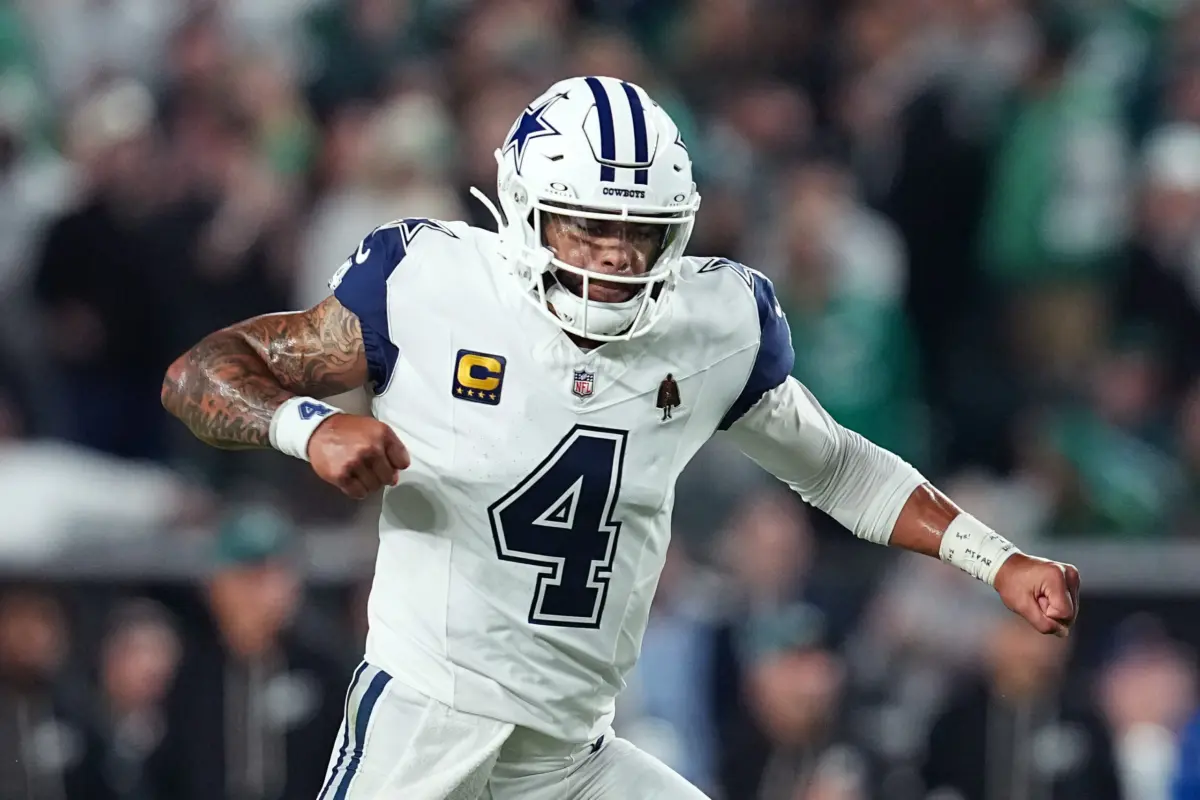
The traditional NFL game-day experience, long synonymous with the local sports bar atmosphere, is undergoing a significant evolution as major cinema exhibitors look to leverage their sprawling infrastructure for live sporting events. Cinemark Holdings, Inc., the Plano-based theater giant, has announced a landmark initiative to broadcast a Monday Night Football game between the Dallas Cowboys and the Seattle Seahawks on December 7. This event, hosted at the company’s flagship theater in West Plano, Texas, represents the first in-market NFL watch party of its kind, marking a strategic pivot in how audiences consume high-stakes professional sports.
The Strategic Partnership: A New Era for Exhibitors
The December 7 screening is the direct result of a formal sponsorship agreement established in September 2026, which designated Cinemark as the "Official Movie Theater of the Dallas Cowboys." This partnership is multi-faceted, integrating the exhibitor into the fabric of the NFL franchise’s branding ecosystem. Beyond the cinema screenings, the deal provides Cinemark with prominent branding visibility inside AT&T Stadium, the home of the Cowboys, and establishes a framework for ongoing fan-focused activations at select theater locations nationwide.
By utilizing the official ESPN broadcast feed, Cinemark aims to replicate the electric atmosphere of the stadium within the controlled, high-definition environment of a luxury multiplex. The initiative seeks to bridge the gap between the communal excitement of a stadium crowd and the comfort of a climate-controlled, high-fidelity theater setting.
Chronology of the Initiative
The push toward alternative programming in theaters has been building for several years. While the Cinemark-Cowboys event is a milestone for NFL coverage, the precedent for non-cinematic content in movie houses is well-established:
- Pre-2020s: Canadian exhibitor Cineplex pioneered the model, regularly screening NHL and NBA games, Olympic coverage, and high-profile UFC and WWE bouts, proving that audiences were willing to pay for premium theater experiences outside of traditional film releases.
- Early 2020s: The U.S. market began to experiment with niche sports, including Premier League soccer matches, which frequently drew crowds to multiplexes during weekend morning hours.
- September 2026: Cinemark and the Dallas Cowboys announced their official sponsorship, setting the stage for deeper collaboration.
- December 7, 2026: The scheduled date for the inaugural in-market Monday Night Football watch party, featuring a tailored fan experience.
Immersive Fan Experience and Luxury Amenities
Cinemark is moving beyond simple projection by offering a "field-side" immersion package. Attendees are encouraged to participate in a pre-game tailgate party featuring merchandise pop-up shops, allowing fans to engage with team culture before the opening kickoff. The event will also feature appearances by notable figures from the Cowboys organization, including team legend Darren Woodson, the franchise mascot Rowdy, and members of the Dallas Cowboys Cheerleaders.
To cater to the premium expectation of the movie-going public, the concessions menu has been overhauled for the event. Offerings will include star-shaped pretzels, a signature "blue ritz margarita," and limited-edition, Cinemark-exclusive cups that feature six prominent Cowboys players.
From a technical perspective, the event promises a high-end visual and auditory experience. Tickets go on sale November 10, with a tiered pricing structure. Standard screenings will offer the traditional luxury recliner experience, while a $30 "XD" ticket grants access to the theater’s largest screen, featuring custom-calibrated surround sound designed to simulate the acoustics of a live stadium.
Market Implications and Industry Trends
The decision to host a live NFL game in a suburban multiplex is not merely a promotional stunt; it is a calculated response to the shifting landscape of cinema revenue. As the traditional theatrical window for Hollywood films continues to fluctuate due to the rise of streaming platforms, exhibitors are under pressure to diversify their offerings.
Data from the National Association of Theatre Owners (NATO) suggests that "alternative content"—which includes concerts, live sports, and gaming tournaments—can account for a growing percentage of annual theater revenue. By filling auditoriums on weeknights with live sporting events, Cinemark can generate ancillary revenue during periods that might otherwise see lower foot traffic.
Furthermore, the "in-market" aspect of this event is critical. While national screenings of sports are common, hosting a home-team game within that team’s own market requires careful coordination with the NFL’s broadcast rights agreements. The success of this event could serve as a case study for future league-wide agreements, potentially leading to a broader rollout of local NFL screenings across the country.
Analysis of the "Communal Viewing" Model
The cultural shift toward the "theater-as-stadium" model reflects a desire for shared experiences. While home viewing via high-end television sets is at an all-time high, the social element of watching a game in a room filled with fellow supporters remains a powerful draw.
Industry analysts observe that the success of this model depends on three key factors:
- Broadcast Quality: Ensuring the digital projection is as instantaneous and clear as a home feed.
- Community Building: Integrating elements like mascot appearances and team legends to make the experience distinct from a living room setting.
- Pricing Strategy: Balancing the cost of tickets against the value proposition of a premium environment and social connectivity.
If the December 7 event proves successful, it is highly probable that other NFL franchises will seek similar partnerships with regional cinema chains. This would create a new secondary market for sports broadcasting, where the theater functions as a "third space"—distinct from the stadium and the home—providing a high-density environment for fans to engage with their team.
Official Stance and Future Outlook
While specific statements from the NFL regarding the long-term expansion of this model have been measured, the league has historically been open to partnerships that increase engagement and accessibility. The partnership with Cinemark provides the league with an additional touchpoint for fans who may not be able to secure tickets to a sold-out stadium, yet still crave the intensity of a live, public event.
For Cinemark, the initiative aligns with its broader digital projection revolution, which has seen the company invest heavily in laser projection and advanced audio systems. These investments, originally intended for blockbuster cinema, are now being repurposed for high-speed sports, which demand high frame rates and precise color accuracy.
As the industry looks toward 2027 and beyond, the theater-as-stadium model may well become a standard component of the professional sports landscape. Whether this remains a one-off "test case" or evolves into a recurring weekly feature for NFL fans will likely depend on the turnout and fan sentiment following the Cowboys-Seahawks broadcast in West Plano.
Ultimately, the marriage of the NFL and the cinema industry is indicative of a broader trend: the transformation of traditional physical spaces into multi-purpose entertainment hubs. By blending the convenience of a modern multiplex with the high-stakes drama of professional football, Cinemark is attempting to capture a segment of the audience that prizes collective experience over solitary viewing, signaling a potentially transformative chapter for both the sports and exhibition industries.