As the cultural phenomenon known as Rocky approaches its 50th anniversary, the cinematic world prepares to revisit the legacy of Sylvester Stallone’s quintessential underdog story. Since the 1976 release of the original film, which grossed over $117 million domestically against a modest $1 million budget, the franchise has expanded into a sprawling cinematic universe, recently bolstered by the announcement of the biopic I Play Rocky. While the narrative is defined by the physical endurance of Rocky Balboa, the franchise’s longevity is anchored by the complex, often volatile relationships that sustained the boxer through five decades of personal and professional transformation.
The Foundation of the Balboa Narrative: Adrian Pennino
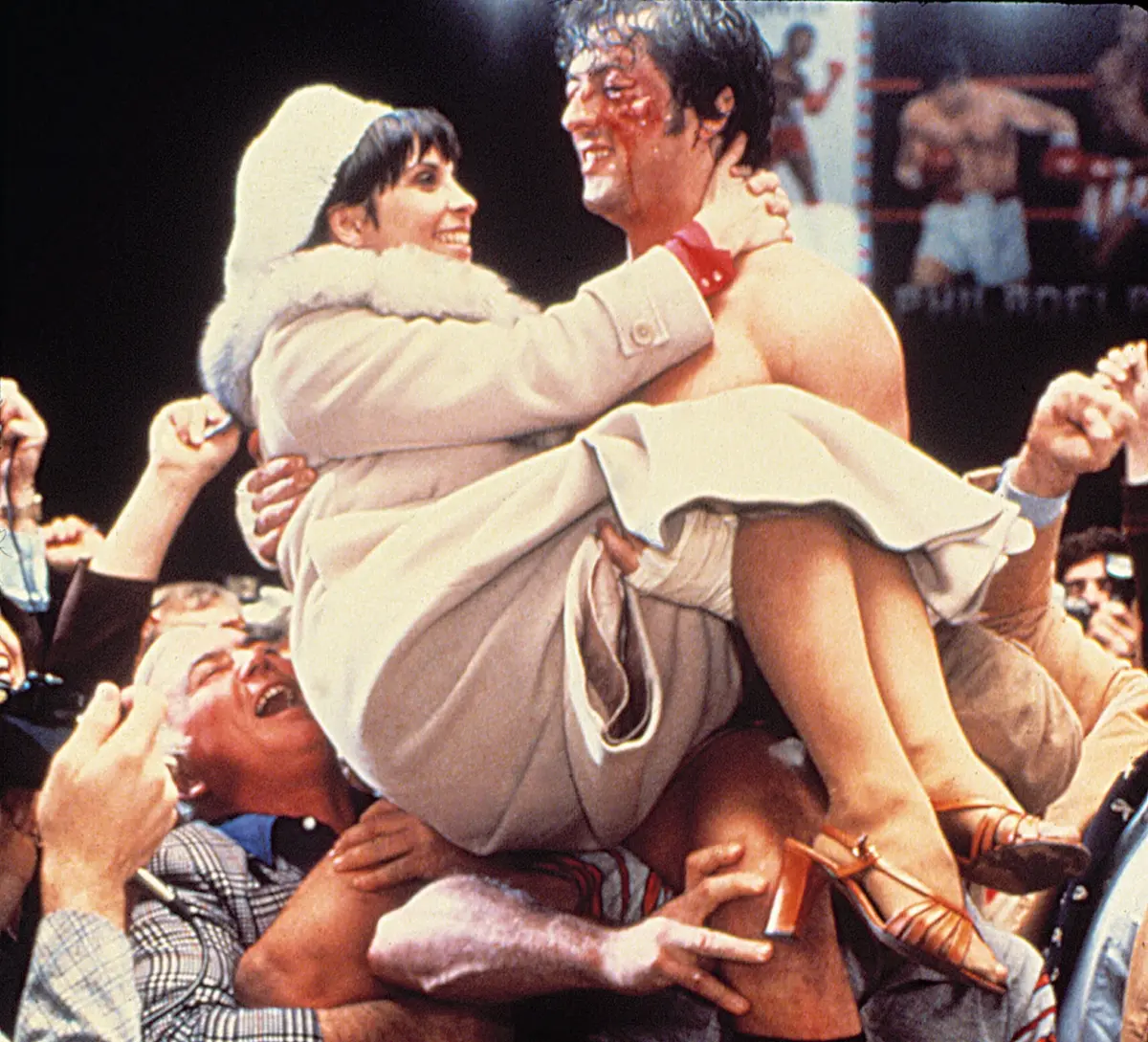
At the heart of the saga lies the bond between Rocky Balboa and Adrian Pennino. Talia Shire, who portrayed Adrian, provided the emotional counterweight to the brutality of the ring. Her Academy Award-nominated performance was not merely a supporting role; it served as the moral compass of the series. Stallone himself noted in various retrospective interviews that while boxing provided the spectacle, the story was fundamentally about the domestic partnership between a man seeking redemption and a woman seeking self-actualization.
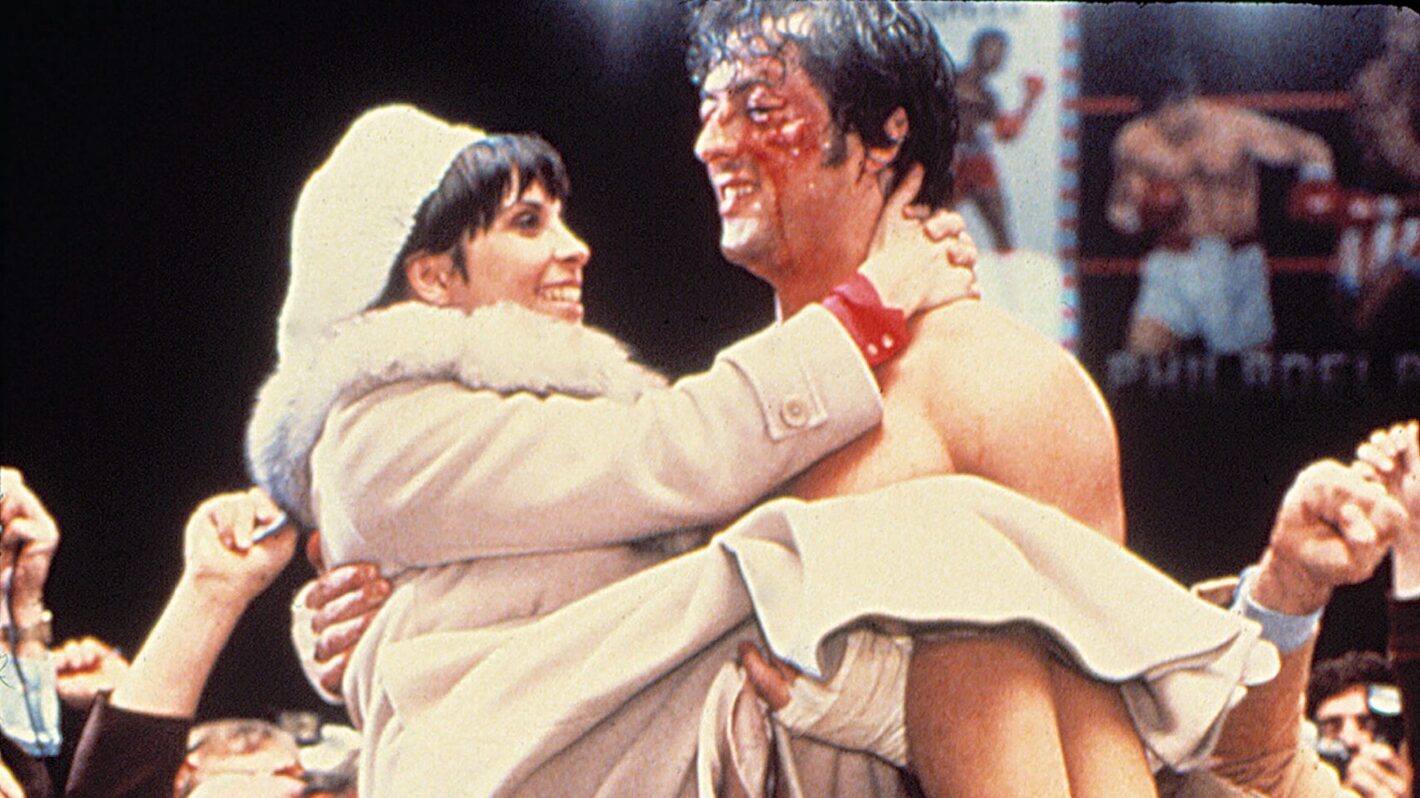
The trajectory of the character spans from the timid pet store clerk in 1976 to the matriarch of the Balboa family. In the original film, Adrian’s hesitation to engage with Rocky mirrors his own insecurities. Their union, formalized in Rocky II, transformed the narrative from a sports drama into a multi-generational character study. The decision to write Adrian out of the story in 2006’s Rocky Balboa—citing her death from ovarian cancer in 2002—marked a significant pivot in the franchise. It forced the protagonist to navigate the landscape of grief, a theme that has continued to resonate through the subsequent Creed spin-offs. This transition was a calculated narrative choice to explore the vulnerability of an aging champion, proving that the character’s most profound battles were often fought outside the ropes.
The Mentor’s Toll: Mickey Goldmill and the Price of Ambition
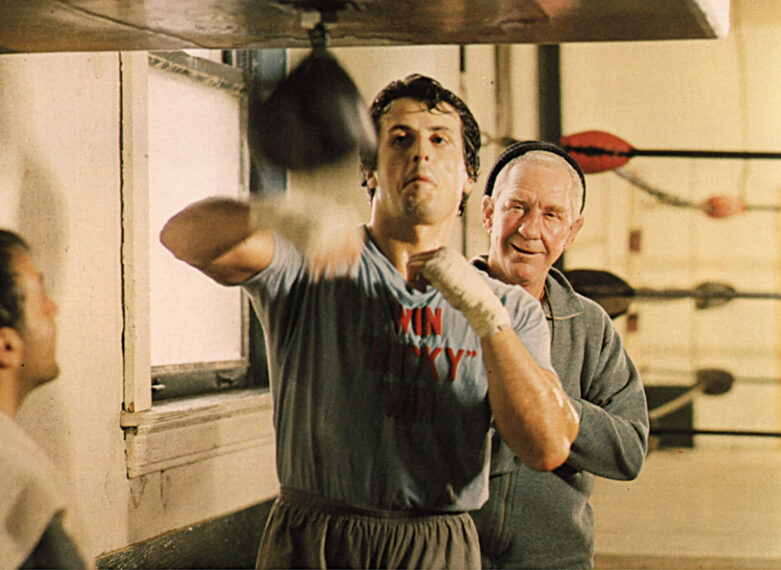
If Adrian was the heart of the franchise, Mickey Goldmill was its conscience. Portrayed by the legendary Burgess Meredith, whose career spanned from the 1930s to the 1990s, the character of the grizzled, cynical trainer represents the classic archetype of the "hard-knock" mentor. Meredith’s performance earned an Academy Award nomination, a testament to his ability to blend abrasive irritability with genuine paternal care.
Chronologically, the relationship between Rocky and Mickey serves as a blueprint for the "struggling protégé" trope. Their dynamic in the first three films reflects the shifting nature of professional sports. Mickey’s evolution from the gatekeeper of the Mighty Mick’s Gym to a dedicated manager who would sacrifice his health for his fighter’s success provides the series with its most tragic stakes. The cardiac arrest suffered by Mickey in Rocky III during a confrontation with Clubber Lang’s camp remains one of the most pivotal moments in the series. It serves as a narrative inflection point: the moment Rocky loses his tether to the "old guard" and must reconcile his reliance on others with his need to forge his own identity. The loss of Mickey forced Rocky to confront his own mortality and the ephemeral nature of fame.

The Complicated Kinship: Paulie Pennino
Burt Young’s portrayal of Paulie Pennino offers the most nuanced exploration of toxic loyalty in the franchise. As the brother of Adrian and the best friend of Rocky, Paulie exists in a state of permanent resentment. He is the foil to Rocky’s earnestness, a man plagued by substance abuse and a lack of professional direction.
Paulie’s role in the franchise is that of an accidental catalyst. His introduction of Rocky to Adrian, combined with his suggestion to train in the meat lockers of the Philadelphia packing plant, provided the iconic visual imagery that defined the 1976 film. However, his descent into jealousy during the height of Rocky’s championship success in the 1980s serves as a grounded critique of how proximity to greatness can foster bitterness. From a sociological perspective within the story, Paulie represents the "everyman" who failed to adapt to the changing economic fortunes of the Balboa family. His eventual decline and death, revealed in the Creed films to have occurred in 2012, concludes a trajectory of a character who was consistently present but perpetually detached from the success he helped build.
Analytical Overview: The Evolution of the Rocky Formula
The enduring success of the Rocky franchise—spanning nine feature films including the Creed series—can be attributed to the consistency of these foundational relationships. Data from box office tracking and critical reception over the last five decades indicates that audiences respond most strongly to the franchise when the focus remains on the "human interest" elements of the characters.
- 1976-1985 (The Rise): Focus on the rise from poverty to championship status. The trio of Adrian, Mickey, and Paulie acts as the primary support structure.
- 1990-2006 (The Decline and Reflection): The franchise shifts toward the internal struggles of the protagonist, moving away from high-stakes championship bouts toward themes of legacy and loss.
- 2015-Present (The Succession): The transition to the Creed films, where the ghosts of the original characters—specifically Adrian and Paulie—continue to inform the motivations of the new generation.
The industry impact of these characters cannot be understated. The "Rocky" template has become a gold standard for sports biopics and underdog narratives in Hollywood. The upcoming biopic, I Play Rocky, aims to examine the behind-the-scenes creation of these characters, highlighting how Stallone’s own struggle as an unknown actor mirrored the trajectory of his onscreen counterpart.
Broader Implications and Legacy
As the 50th anniversary approaches, the implications of these characters remain a subject of study in film schools and media analysis. The "Rocky" universe is not merely a collection of boxing matches; it is a longitudinal study of aging, grief, and the American dream. The decision by Stallone and his collaborators to keep these characters grounded in working-class realities—often struggling with debt, illness, and broken family dynamics—is what prevented the series from becoming a one-dimensional action franchise.
Official statements from the studio and production entities involved in the anniversary celebrations emphasize that the legacy of the franchise is defined by its emotional stakes. While the boxing choreography evolved from the grit of the 1970s to the high-definition spectacle of the modern era, the emotional core—the memory of Adrian, the lessons of Mickey, and the presence of Paulie—remains the anchor. These figures were not just characters; they were the essential components of a cultural icon that, 50 years later, continues to influence the narrative architecture of contemporary cinema. As fans and scholars prepare for the golden anniversary, the focus remains on the enduring power of these relationships, proving that in the ring or out of it, the most meaningful victories are the ones shared with those closest to us.