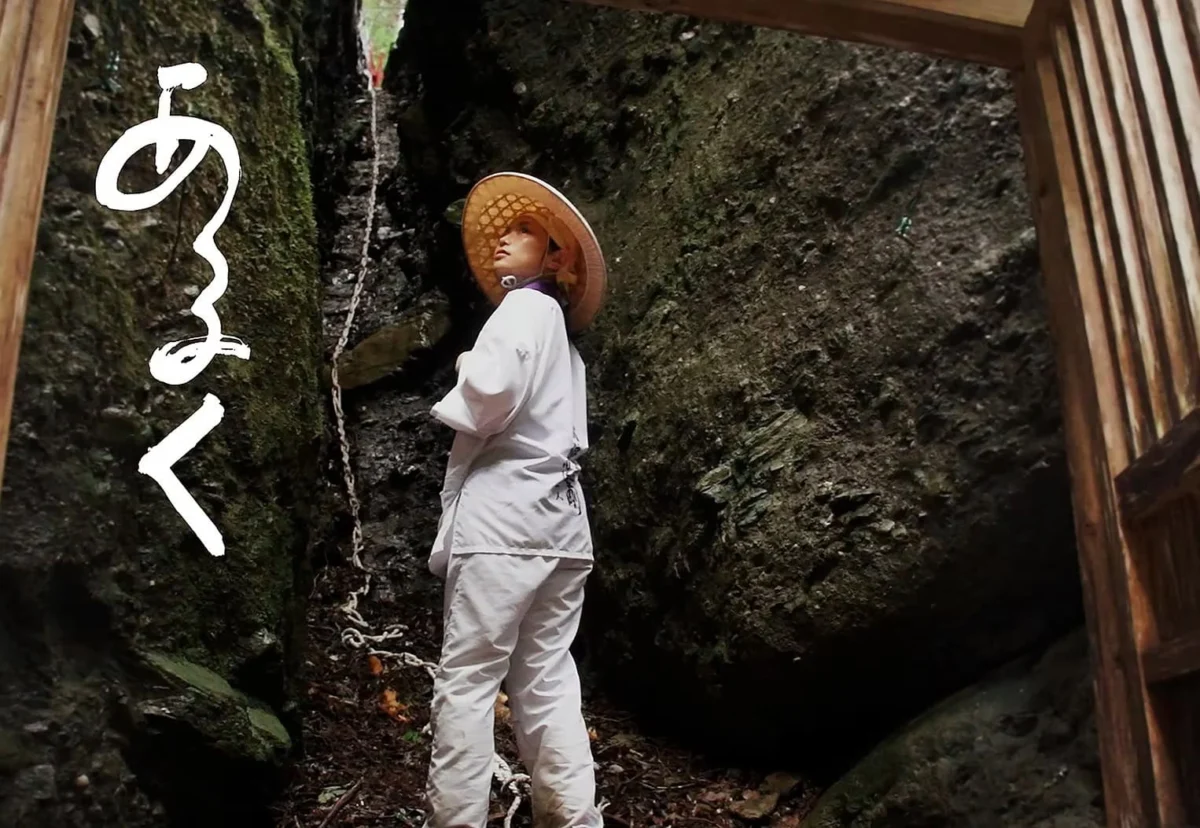
The adage that walking is the sport of philosophers takes on a profound, visceral dimension in the context of the Shikoku 88-temple pilgrimage, a gruelling 750-mile (1,200 km) journey across mountains and coastal paths in Japan. Each year, an estimated 150,000 individuals embark on this sacred circuit, driven by a myriad of motivations, all converging on a singular, deeply meaningful occupation: the pilgrimage. This arduous yet transformative odyssey is meticulously documented in "Aruku" ("I Walk"), a thoughtful and introspective film that delves into the universal human need to detach, to lose oneself, in the hopeful pursuit of discovering a more authentic or refined version of oneself along the way.
The Ancient Path: Tracing the Footsteps of Kobo Daishi
The religious pilgrimage at the heart of "Aruku" unfolds on the picturesque and spiritually resonant island of Shikoku, the smallest of Japan’s four main islands. Here, pilgrims, known as henro, follow a meticulously maintained path connecting 88 Buddhist temples, each imbued with historical and spiritual significance. This venerable route honours the legacy of the revered Buddhist monk Kukai (774–835 AD), posthumously known as Kobo Daishi, whose spiritual journey and enlightenment on Shikoku more than a millennium ago laid the foundation for this sacred circuit.
Kukai’s early life saw him immerse himself deeply in the island’s natural landscape, a period of ascetic training and profound meditation that led to his spiritual awakening. Following this, he travelled to China, where he studied esoteric Buddhism, returning to Japan to found the Shingon sect, one of the major schools of Japanese Buddhism. His teachings, emphasizing the attainment of enlightenment in this very body and the interconnectedness of all phenomena, continue to inspire countless individuals. Today, Kukai’s ideas and precepts serve as a powerful beacon, drawing thousands to temporarily disengage from the relentless pace of modern life. For a few weeks or, more typically, two months for the full circuit, pilgrims shed most material possessions, carrying only the bare necessities, and embark on this ancient path of self-discovery around Shikoku.
The pilgrimage, often referred to as Ohenro, is more than just a physical trek; it is a spiritual metaphor for life itself. Historically, it began as a challenging ascetic practice for monks and hermits, but over centuries, it gradually opened to laypeople. By the Edo period (1603-1868), it had become a popular form of spiritual quest for commoners, seeking blessings, expiation for sins, or simply a deep spiritual experience. The route is marked by specific rituals at each temple, including purification, chanting sutras, and collecting nōkyōchō (pilgrim’s stamp books) as proof of their visit. The unique culture of o-settai, where local residents offer food, lodging, or small gifts to pilgrims out of generosity and respect for Kobo Daishi, further distinguishes this journey, fostering a profound sense of community and human connection along the solitary path.
"Aruku": A Tapestry of Modern Journeys
Filmmaker Shiho Kataoka’s "Aruku" masterfully weaves together the separate, yet intrinsically linked, journeys of primarily four contemporary pilgrims. Kataoka’s directorial skill lies in her silent observation, allowing the narratives to unfold organically, capturing the raw, unadulterated essence of the pilgrims’ experiences. The camera acts as an unobtrusive witness, documenting moments of physical exertion as they sweat on the long, meandering paths up Shikoku’s mountains, and capturing candid confessions shared in the quiet evenings, often directly to the camera. Extreme long shots frequently punctuate the film, not only revealing the breathtaking beauty of the island’s diverse landscapes—from dense forests and dramatic coastlines to serene rural villages—but also visually articulating how one might indeed wish to lose oneself amidst such grandeur.
On the surface, the pilgrims featured in the documentary could not be more disparate in age, background, and immediate motivations. Yet, beneath these superficial differences, they are united by a shared, albeit often unspoken, yearning for something beyond their current circumstances. One central figure is a 30-year-old woman, fresh from resigning from her job, who embarks on the Ohenro seeking clarity and a new beginning. Her journey is a period of intense rumination, as she contemplates fundamental life choices, including the possibility of starting a family with her boyfriend. Her path reflects the contemporary struggle for purpose and direction amidst career transitions and personal crossroads.
In stark contrast is a retired man, a seasoned pilgrim who has grown accustomed to a life detached from the immediacy of his family. He dedicates his golden years to walking from shrine to shrine, often living out of his minivan. His commitment is profound; he has completed dozens of full pilgrimages between the 88 temples, embodying a deep, almost ritualistic devotion. His environmental consciousness also stands out, as he diligently picks up plastic bottles and the carcasses of dead animals along the way, transforming his spiritual quest into an act of stewardship for the sacred path and the natural world.
These individual paths rarely intersect physically, though the pilgrims do encounter other henro during their overnight stays at some of the temples or designated pilgrim lodges along the route. These interactions form some of the most touching moments in "Aruku," offering poignant glimpses into the shared human experience. In these communal settings, people open up, sharing their deepest doubts, their struggles, and their dreams with newfound companions. We soon learn of Shoji, a young man who joins the pilgrimage after being fired from his first job, a devastating blow that shattered his nascent dream of becoming a filmmaker. His bond with a fragile old man, nearing the end of his life’s journey, is particularly affecting, underscoring how the pilgrimage transcends individual introspection, evolving into a powerful space for human connection, empathy, and mutual inspiration. It illustrates that the path is not solely about silent contemplation but also about the profound impact of meeting others and being moved by their stories and presence.
The Philosophy of Emptiness and the Ups and Downs of the Road
Perhaps one of the most compelling narratives within "Aruku" is that of Li Kai, a young Chinese exchange student. Despite speaking minimal Japanese, Li Kai is animated by an infectious, deep sense of wonder at life. He is portrayed as a perpetually smiling young man who spontaneously shouts his love to the forest, a vibrant expression of his pure joy and connection to nature. His personal philosophy, which he articulates through repeating to himself the virtues of emptiness (sunyata) and the importance of freeing oneself from the pangs of everyday emotions, resonates deeply with the core tenets of Buddhist thought.
With Li Kai, the physical ups and downs of the pilgrimage road become powerful metaphors for the cyclical nature of human feeling – moments of pleasure inevitably followed by periods of sadness, and vice-versa. His journey is one of blissful acceptance, walking on, even stopping to help struggling butterflies along the way, a testament to his innate compassion. He is depicted as following his own inner light, guided by an intuitive spiritual wisdom. It is not difficult to imagine a young Kukai himself, centuries ago, having possessed a similar countenance and spirit when he first embarked on his own transformative voyage of discovery on Shikoku. Li Kai’s segment highlights the universal appeal of the pilgrimage, transcending cultural and linguistic barriers, and demonstrating the direct, experiential pathway to understanding profound philosophical concepts through physical engagement with the world.
The Physical and Mental Crucible: Data and Implications
The pilgrimage is undeniably a crucible, demanding significant physical and mental endurance. The challenges include navigating varied terrain, from steep mountain passes to long stretches of road, often under unpredictable weather conditions. The sheer distance—1,200 km—translates to weeks of continuous walking, carrying one’s pack, and enduring fatigue, blisters, and muscle aches. This physical discomfort, however, is often seen by pilgrims as an integral part of the spiritual process, a means to purify the body and mind, and to detach from worldly attachments.
Beyond the physical, the mental demands are equally rigorous. The solitude, the prolonged introspection, and the confrontation with one’s inner thoughts can be overwhelming. Yet, it is precisely in this stripping away of distractions that profound healing and self-discovery can occur. Supporting data from various studies on the benefits of walking and immersion in nature corroborate these experiential observations. Research on "forest bathing" (shinrin-yoku), a practice deeply ingrained in Japanese culture, indicates that spending time in natural environments can significantly reduce stress hormones, lower blood pressure, improve mood, and enhance cognitive function. The repetitive, meditative act of walking, coupled with exposure to the serene landscapes of Shikoku, serves as a powerful antidote to the chronic stress and mental clutter of modern urban life.
A 2018 study published in Environmental Health Perspectives highlighted the positive impact of green spaces on mental health, reducing symptoms of depression and anxiety. For pilgrims, the Ohenro offers an extended, immersive experience in such environments. Furthermore, the concept of "losing yourself" on the path aligns with psychological theories of flow state and mindfulness, where individuals become so engrossed in an activity that their sense of self-consciousness diminishes, leading to feelings of profound enjoyment and presence. This detachment from routine and external pressures allows for a deeper level of self-reflection, enabling individuals to process grief, resolve dilemmas, or gain clarity on their life’s purpose. While specific comprehensive demographic data on henro motivations is sparse, anecdotal evidence and smaller surveys consistently point to themes of healing, spiritual seeking, recovery from loss, career changes, or simply a desire for a profound, challenging experience.
Ethical Imperatives in Documentary Filmmaking
"Aruku" also subtly raises pertinent ethical questions inherent in the process of documenting such a deeply personal and spiritual journey. As much as the camera strives for invisibility, its very presence inevitably creates a dynamic, and sometimes tension, within pilgrimages that are fundamentally about soul-searching solitude. The documentary implicitly probes the ethical boundaries: How appropriate is it, after all, to intrude upon and trouble worshippers with the presence of a film crew? In an era where pilgrims intentionally leave their smartphones behind to embrace disconnection, should a digital camera be present, capturing their most vulnerable moments?
Filmmaker Shiho Kataoka’s approach appears to navigate these challenges with a deep sense of respect and sensitivity. Her silent, observational style minimizes direct interference, aiming to allow the pilgrims’ stories to unfold authentically. The confessional moments, often shared directly into the lens, suggest a level of trust built over time, perhaps indicating that the camera, for some, became a non-judgmental confidante. Nevertheless, the film’s capacity to highlight these ethical dilemmas adds another layer of thoughtfulness, inviting viewers to consider the complex relationship between observer and observed in the realm of deeply personal experiences.
Beyond the Path: The Echoes of Transformation
Perhaps the most compelling aspect of "Aruku" is its insightful epilogue, which revisits the pilgrims after their return to their everyday lives. This segment directly addresses the pivotal question: Can a pilgrimage truly make a lasting difference? What happens after the journey concludes, when the temporary detachment from the world gives way to reintegration? This post-pilgrimage analysis is crucial, moving beyond the immediate experience to examine its enduring impact.
The documentary subtly suggests that while the intensity of the pilgrimage experience may wane, the lessons learned, the perspectives gained, and the inner transformations undergone often persist. The retired man continues his devoted walks, incorporating his pilgrimage into his life’s rhythm. The young woman may find renewed clarity for her future decisions. Shoji, though his filmmaking dream was initially shattered, likely carries forward the resilience and human connection he forged on the path, perhaps finding new avenues for creative expression or personal fulfillment. Li Kai’s philosophical insights might continue to guide his approach to life’s challenges.
The Ohenro is not necessarily about finding definitive "answers" or a complete eradication of problems. Instead, it offers a framework for developing resilience, fostering introspection, and gaining a new lens through which to view one’s life. The physical and emotional journey itself, rather than a fixed destination or outcome, emerges as what matters most. It is in the act of walking, enduring, and connecting that individuals acquire new coping mechanisms, a renewed sense of purpose, or simply a deeper understanding of themselves and their place in the world. The integration of these lessons into daily life is the ultimate test of the pilgrimage’s transformative power, suggesting that while the path ends, the journey of self-discovery continues.
Broader Impact and the Universal Call of the Road
"Aruku" is particularly successful in highlighting this simple yet profound fact: the sheer beauty and inherent power behind the act of dropping out, even temporarily, and getting on the road. The documentary transcends its specific cultural context, resonating with a universal human desire for meaning, connection, and self-improvement in an increasingly fast-paced and often disconnected world. The Shikoku pilgrimage, as portrayed, serves as a powerful testament to the enduring human need for ritual, for challenge, and for the quiet wisdom that can only be found in motion and contemplation.
The film’s broader implications extend to the growing global interest in spiritual tourism and wellness travel, where individuals seek experiences that offer more than mere sightseeing. Pilgrimages, whether the Camino de Santiago, the Shikoku Ohenro, or countless others, offer a structured yet deeply personal means of engaging with one’s inner landscape while physically traversing an external one. This phenomenon speaks to a collective yearning for authenticity and a break from the digital saturation of modern existence.
In conclusion, "Aruku" powerfully articulates that walking, far from being merely a physical activity, possesses an innate capacity to teach, to help, and to heal each one of us, irrespective of whether we identify as philosophers, spiritual seekers, or simply individuals at a crossroads. It celebrates the profound simplicity and enduring power of placing one foot in front of the other, illustrating how such a fundamental human act can unlock deep reserves of resilience, foster unexpected connections, and ultimately guide individuals towards a more integrated and meaningful existence. The film serves as a poignant reminder that sometimes, the most direct path to finding oneself is to first lose oneself on the long, winding road.