The arrival of October has prompted a measurable surge in digital audiobook circulation and podcast downloads across North America, driven largely by consumers turning to auditory formats to navigate modern literary consumption habits. Publishers and public libraries report heightened engagement with horror titles during the autumn months, a seasonal trend that capitalizes on shifting reader demographics and the increasing popularity of immersive, multi-voice audio productions. Industry analysts attribute this steady growth not merely to seasonal traditions, but to broader technological advancements in mobile listening applications and a structural shift in how contemporary audiences access long-form narrative fiction.
The Resurgence of the Spoken Word in Fiction Consumption
In recent years, traditional print publishers and independent audio platforms have documented a distinct behavioral shift among readers experiencing literary fatigue. While long-form reading metrics fluctuate based on economic factors and digital distractions, auditory storytelling has maintained a resilient trajectory. According to data compiled by the Audio Publishers Association (APA), audio-first consumption has experienced double-digit year-over-year growth over the past decade, with horror, thriller, and speculative fiction consistently ranking among the fastest-expanding genres.

Industry specialists suggest that the heightened sensory nature of professional voice acting, ambient sound design, and full-cast immersive production bridges the cognitive gap for listeners struggling to maintain focus with traditional physical texts. This format has proven particularly effective for modern consumers balancing demanding professional schedules, transforming passive commuting time into extended literary engagement.
Historical Chronology of the Modern Horror Audio Market
The commercial viability of horror audiobooks has evolved significantly from the abridged cassette tapes of the late twentieth century to today’s unbridled digital streaming ecosystems:
- 1970s–1980s: The commercialization of spoken-word audio takes root primarily through cassette tape releases, often featuring single-reader abridgements of classic horror titles and cinematic tie-ins.
- 1990s–2000s: Compact discs replace magnetic tape, allowing for longer runtimes and more comprehensive, unabridged recordings of contemporary bestsellers and historical horror texts.
- 2010s: The proliferation of smartphones and dedicated subscription platforms (such as Audible and various library-linked applications like Libby and Hoopla) democratizes access, turning digital audiobooks into a mainstream media format.
- 2020s: The maturation of serialized fiction podcasts and full-cast audio dramas establishes a new standard for sound-engineered storytelling, elevating independent and traditionally published horror alike.
Critical Analysis of Recent Acclaimed Releases
Recent releases in the horror audiobook and audio drama sectors illustrate the genre’s thematic breadth, moving beyond conventional jump scares to explore historical trauma, domestic psychology, and complex speculative worldbuilding.

Historical Isolation and Social Strife in Lone Women
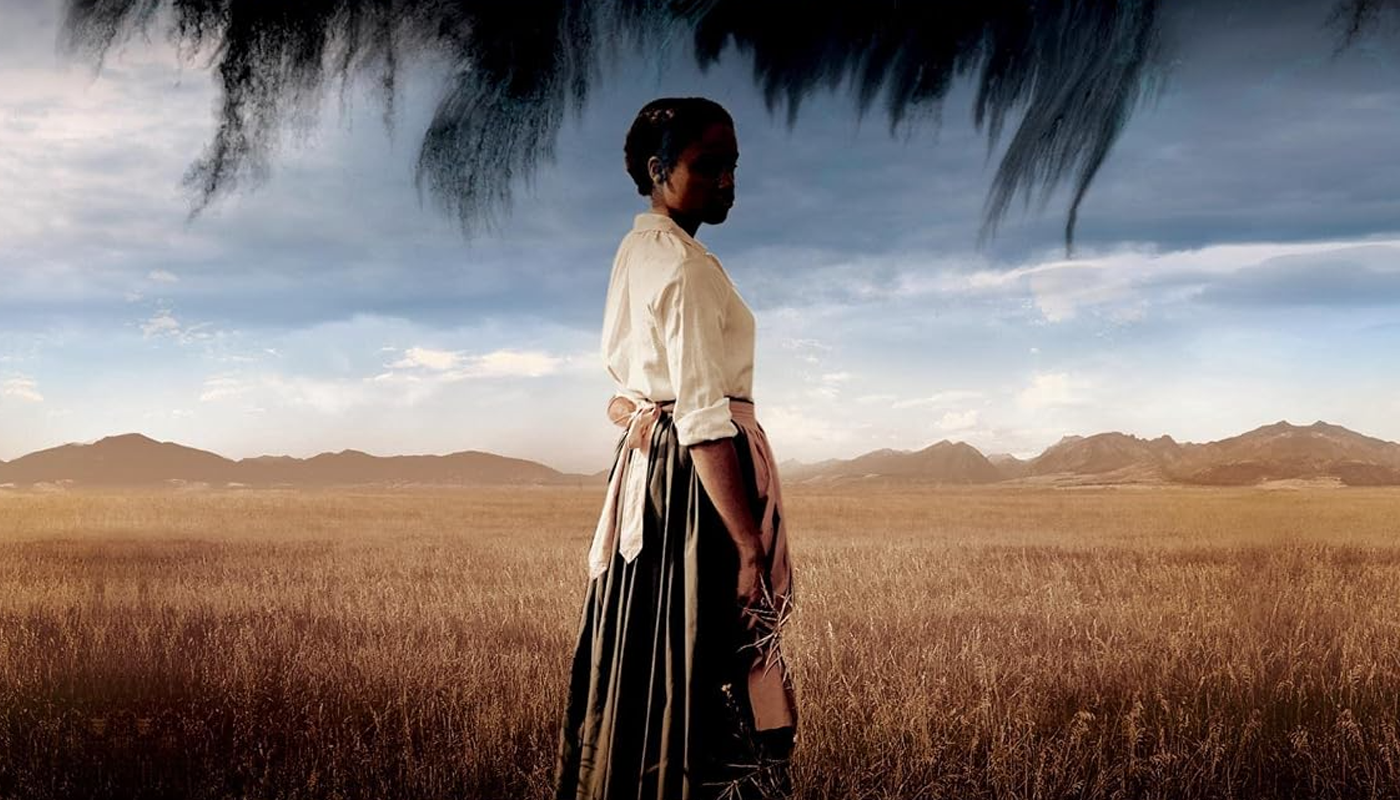
Victor LaValle’s Lone Women, narrated by Joniece Abbott-Pratt and published by Penguin Random House, sets its narrative in remote rural Montana during the year 1915. The story follows a young Black woman fleeing a family tragedy in Southern California to claim a homestead, carrying a locked steamer trunk of closely guarded secrets.
Literary analysts note that LaValle utilizes the historical Western backdrop to examine intersections of race, gender, and isolation at the turn of the century. Abbott-Pratt’s performance has been highlighted by critics for establishing an atmosphere of sustained psychological tension, amplifying the physical harshness of the environment alongside the social precarity experienced by marginalized settlers during the era.
Deconstructing Domestic Trauma in The September House
Carissa Orlando’s debut novel, The September House, narrated by Kimberly Farr and published by Penguin Random House, confronts the conventions of traditional haunted house narratives. Rather than building a slow progression toward supernatural reveals, the novel introduces a violently active haunting from its opening sentence—complete with bleeding walls and spectral manifestations—while centering on a protagonist managing the psychological aftermath of an abusive marriage.

Reviewers have observed that the novel’s commercial and critical success lies in its juxtaposition of dark thematic material with a darkly comedic, resilient first-person narrative voice. Farr’s audiobook delivery maintains this delicate tonal balance, grounding surreal horror within the recognizable confines of domestic endurance.
Meta-Narrative Exploration in Horror Movie
Paul Tremblay’s Horror Movie, brought to life by a large ensemble cast of voice actors and published by HarperCollins, employs a multimedia storytelling approach combining narrative prose, screenplay excerpts, and oral history retrospectives. The plot revolves around the nostalgic rediscovery and subsequent remake of an unfinished, avant-garde horror film produced decades prior by a circle of ambitious young artists.
Media scholars view Tremblay’s work as a self-aware commentary on cult-film culture and the psychological toll of artistic obsession. The utilization of a multi-narrator audio production mirrors the oral history framework of the text, providing distinct auditory perspectives for characters looking back across generational divides.

Lyrical Grief in Our Wives Under the Sea
Julia Armfield’s Our Wives Under the Sea, narrated by Annabel Baldwin and Robyn Holdaway and distributed by Dreamscape Publishing, resists simple generic categorization. Utilizing alternating points of view between a marine biologist returning from a catastrophic deep-sea mission and her partner at home, the novel functions simultaneously as a body horror narrative and an elegy for a transforming relationship.
Critics have praised the book for its poetic prose style, which translates effectively into a dual-narrator audio format. The measured pacing and atmospheric sound production allow the narrative’s underlying existential dread to unfold organically, prioritizing emotional resonance alongside speculative mystery.
Literary Legacy and Institutional Roots in The Exorcist
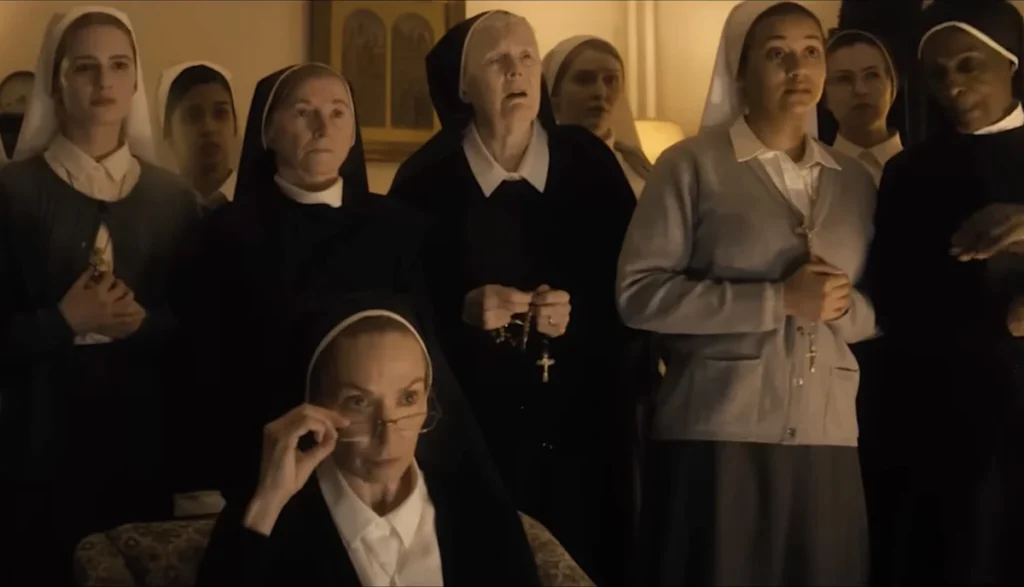
William Peter Blatty’s foundational 1971 novel The Exorcist, notably read by the author himself and distributed via HarperCollins, continues to serve as a benchmark for modern possession narratives. Library circulation data indicates that classic horror titles experience significant seasonal resurgences during October, as contemporary readers seek out the source material behind decades of cinematic and television tropes.

Literary historians emphasize that while certain cultural markers of the novel reflect its 1970s origins, the structural craftsmanship—particularly the procedural investigation conducted by the weary Detective Kindemann—established enduring narrative standards that inform contemporary horror fiction and true-crime media alike.
The Expansion of Audio Drama Podcasting: The Silt Verses
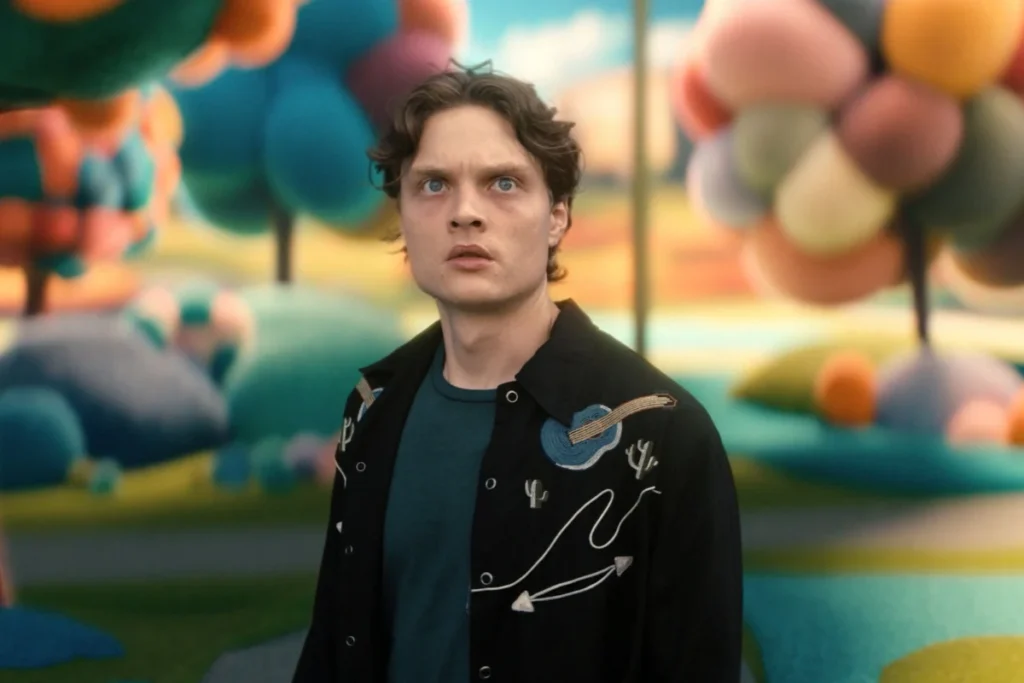
Beyond traditional audiobook adaptations, serialized audio dramas have carved out a substantial market share within the digital landscape. The Silt Verses, written by John Ware, produced by Muna Hussen, and featuring an ensemble cast including Méabh de Brún, B. Narr, Jimmie Yamaguchi, and Lucille Valentine, exemplifies the burgeoning popularity of long-form folk horror podcasts.
Spanning three seasons, the series explores a modern world governed by the ruthless, tangible rules of alternative religion, where everyday institutions—from corporate entities to municipal services—manifest as literal, demanding deities. Industry observers note that productions like The Silt Verses, alongside comparable successes such as The Magnus Archives and Welcome to Night Vale, demonstrate the commercial viability of creator-owned, highly serialized audio fiction supported by listener funding models and targeted digital distribution networks.

Implications for the Publishing and Broadcasting Industries
The steady commercial performance of horror audiobooks and audio dramas highlights a broader adaptation strategy within the publishing sector. As production companies invest in high-end sound design, diverse voice acting pools, and simultaneous print-and-audio release schedules, consumer accessibility continues to widen.
Publishing economists project that sustained investments in spoken-word formats will remain a critical revenue driver, particularly as younger demographics demonstrate a preference for multimedia and episodic narrative structures. By combining accessible digital platforms with sophisticated storytelling techniques, the modern audio horror market has successfully transformed a seasonal niche into a year-round pillar of contemporary literary culture.