In the intricate tapestry of contemporary global geopolitics and culture, few nations remain as frequently misunderstood or obscured from international view as the Islamic Republic of Iran. While the machinery of the state, its ruling clergy, and foreign policy disputes routinely dominate global headlines, the daily realities, private aspirations, and psychological negotiations of everyday Iranian citizens largely stay shielded behind a veil of isolation. Non-fiction filmmakers operating within the country face formidable hurdles, navigating rigid state censorship, strict limitations on visual documentation, and the constant threat of penal retaliation. It is precisely against this backdrop of stringent oversight and profound economic strain that director Afsaneh Salari’s latest 84-minute documentary emerges as a vital piece of cinematic journalism. By focusing on an unexpected yet deeply revealing cultural phenomenon—the surging popularity of cosmetic surgery amidst international boycotts and economic deprivation—Salari provides an unprecedented, empathetic window into the private lives of Iranian citizens.
The Genesis of a Cinematic Investigation: Chronology and Access
The journey toward realizing Salari’s documentary began years prior to principal photography, born out of observations regarding shifting urban aesthetics in Tehran and other major Iranian metropolitan areas. As international sanctions tightened through the 2010s and early 2020s, isolating the Iranian economy and depreciating the national currency, observers of Iranian society noted a paradoxical counter-trend: the proliferation of aesthetic clinics, rhinoplasty bandages on city streets, and an insatiable demand for physical modification.
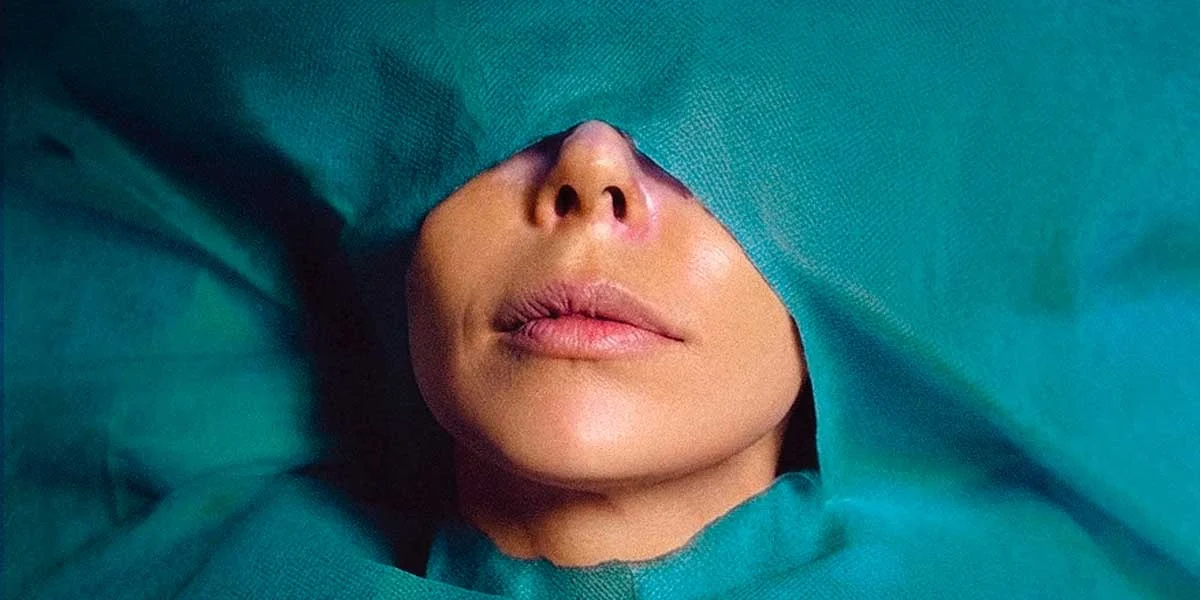
Salari, a Tehran native now based in Paris, spent months negotiating access to medical facilities, consulting with local practitioners, and building trust with patients before cameras ever rolled inside the operating theatres and consultation rooms. Production took place over an extended period, capturing the raw, unfiltered vulnerabilities of individuals—both male and female—seeking transformation. By anchoring her lens primarily within the sterile, brightly lit confines of these clinics, Salari established a deliberate narrative chronology that moves from the initial apprehension of the consultation room to the physical reality of the operating table, and finally to the psychological aftermath of bodily alteration. This intimate pacing allows the documentary to transcend mere visual novelty, elevating it to a sophisticated sociological study of modern identity in the Middle East.
Data and Demographics: The Economics of Beauty in a Sanctioned State
To fully grasp the magnitude of the phenomenon documented by Salari, one must examine the macroeconomic and demographic context of Iran’s aesthetic medicine sector. According to regional health ministry estimates and international plastic surgery associations, Iran has consistently ranked among the top countries globally for per capita rates of rhinoplasty, earning unofficial monikers as the nose job capital of the world.
This boom persists despite staggering economic hardships. With inflation rates soaring and the Iranian rial facing severe devaluation, the cost of elective cosmetic procedures represents a significant financial sacrifice for middle- and lower-income families. Yet, young Iranians routinely prioritize saving for surgical interventions over other traditional milestones, such as purchasing property or marrying. Demographically, the client base skews heavily toward young women aged eighteen to thirty-five, though a steadily growing percentage of male clients are also seeking procedures ranging from rhinoplasty to jawline contouring and liposuction. The juxtaposition of a collapsing national economy with a booming, highly resilient luxury cosmetic industry forms the foundational economic puzzle that Salari’s film investigates through individual narratives rather than dry statistical tables.
Cosmetic Surgery as Bodily Sovereignty Under Strict State Decrees
The core analytical thesis of Salari’s work explores the intersection of mandatory public conformity and private bodily reclamation. In the Islamic Republic of Iran, legal frameworks enforce strict dress codes for women, most notably the mandatory covering of hair and the wearing of loose-fitting Islamic attire in public spaces. Failure to comply with these regulations can lead to enforcement by the morality police, legal penalties, fines, and, in severe cases, violent confrontations with tragic outcomes.
In an environment where external public appearance is heavily regulated by ideological edicts from the state, the human body becomes a primary battleground for autonomy. Salari’s interviews reveal that for many young Iranians, the decision to undergo cosmetic surgery is not merely a vain pursuit of conventional beauty, but a desperate, tangible assertion of personal agency. Where one cannot choose how to style one’s hair or display one’s face freely in the public sphere, altering the nose, reshaping facial features, or undergoing bodily augmentations that remain hidden beneath conservative garments offers a profound psychological counterweight. It represents a space of ownership—a domain where the individual, rather than the religious state, dictates the final form.
Journalistic Distance and the Aesthetics of the Outside Gaze
As a director straddling two worlds—her upbringing in Tehran paired with her contemporary artistic residence in Paris—Afsaneh Salari brings a dual perspective to the material. This positioning successfully shields the documentary from the pitfalls of orientalist voyeurism or heavy-handed political moralizing. Salari neither aggrandizes the surgical procedures as an unblemished triumph of liberation, nor does she chastise the participants for engaging in what some critics might dismiss as superficial vanity.
Instead, the film maintains an objective, journalistic distance that allows the subjects to speak for themselves. The camera observes young women who have traveled hundreds of kilometers from rural provinces to major urban centers, pleading with surgeons to grant them a new look. There is an unmistakable sense of urgency and desperation in their pleas, reflecting how deeply internalized beauty standards intersect with the psychological toll of living under systemic constraints. Salari’s voiceover narration provides sparse, contextual framing, ensuring that the audience remains grounded in the immediate human stories unfolding on screen rather than getting lost in external political rhetoric.
Broader Implications: Beauty Standards, Globalization, and Resistance
The compulsion to modify one’s physical appearance is by no means unique to Iran. Across the globe, aesthetic trends wax and wane, from the hyper-contoured beauty standards popularized by Western social media algorithms—such as the American aesthetic colloquially dubbed "Mar-a-Lago face"—to the shifting post-pandemic demands for natural-looking cosmetic enhancements observed throughout international markets in 2026. In every society, physical modifications function as a social signifier, signaling a desire for upward mobility, tribal affiliation, or alignment with contemporary ideals of success.
However, the geopolitical and social stakes of these procedures carry vastly different implications within the borders of Iran compared to liberal democracies. In Salari’s framing, the scalpel becomes an instrument of subtle, non-violent resistance. The documentary prompts viewers to consider the paradoxes of a citizenry finding pathways for self-expression and individualism inside a system explicitly designed to suppress those very traits. Beauty standards, as the film illustrates, are inextricably tied to power dynamics; when public self-expression is outlawed, private bodily modification rushes in to fill the vacuum of autonomy.
Limitations of the Setting and the Silence of the State
While the documentary succeeds brilliantly in capturing the microcosm of the clinic, critics and cultural analysts have noted certain deliberate thematic boundaries within the project. Salari’s camera remains firmly stationed inside waiting rooms, consultation cubicles, and recovery wards. Consequently, the broader societal debate surrounding the ethics of spending scarce financial resources on cosmetic procedures during a time of widespread national economic distress remains largely on the periphery.
Furthermore, the film does not feature direct commentary from state regulators, religious authorities, or conservative critics who might view the rampant commercialization of plastic surgery as decadent or contrary to revolutionary values. By intentionally keeping the focus tightly trained on the patients and practitioners, Salari avoids getting bogged down in state-sanctioned talking points, prioritizing the raw human narrative over institutional debate. This artistic choice creates a nearly claustrophobic viewing experience, yet it heightens the emotional resonance of the individual journeys depicted.
Conclusion: Understanding the Complexities Beneath the Skin
Ultimately, Afsaneh Salari’s documentary serves as a profound reminder that human societies cannot be easily reduced to monolithic political labels. By examining the booming plastic surgery industry in Tehran, the film peels back the layers of a complex culture caught between ancient traditions, modern globalized aesthetic desires, and severe authoritarian rule.
The documentary navigates the aspirations of Iranian men and women with patience, empathy, and intellectual rigor, avoiding the trap of reducing its subjects to victims of circumstance or agents of superficiality. By demonstrating how a medical procedure can double as an act of quiet defiance, the film offers a rare, nuanced look at the quiet resilience of everyday people striving to reclaim their identities. In doing so, it proves that the most telling stories of a nation are often found not in the grand speeches of its leaders, but beneath the surface, in the private choices of its people.