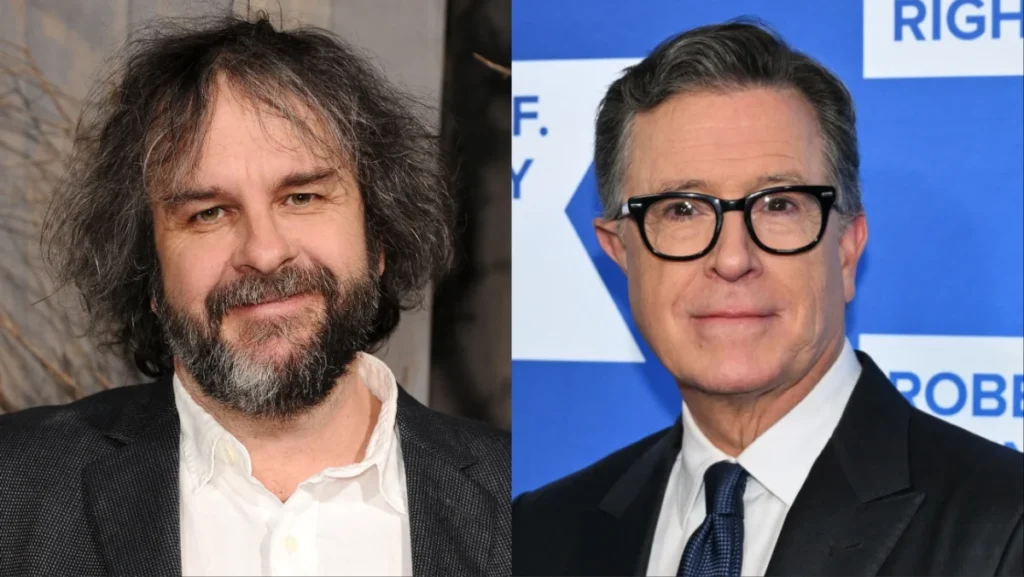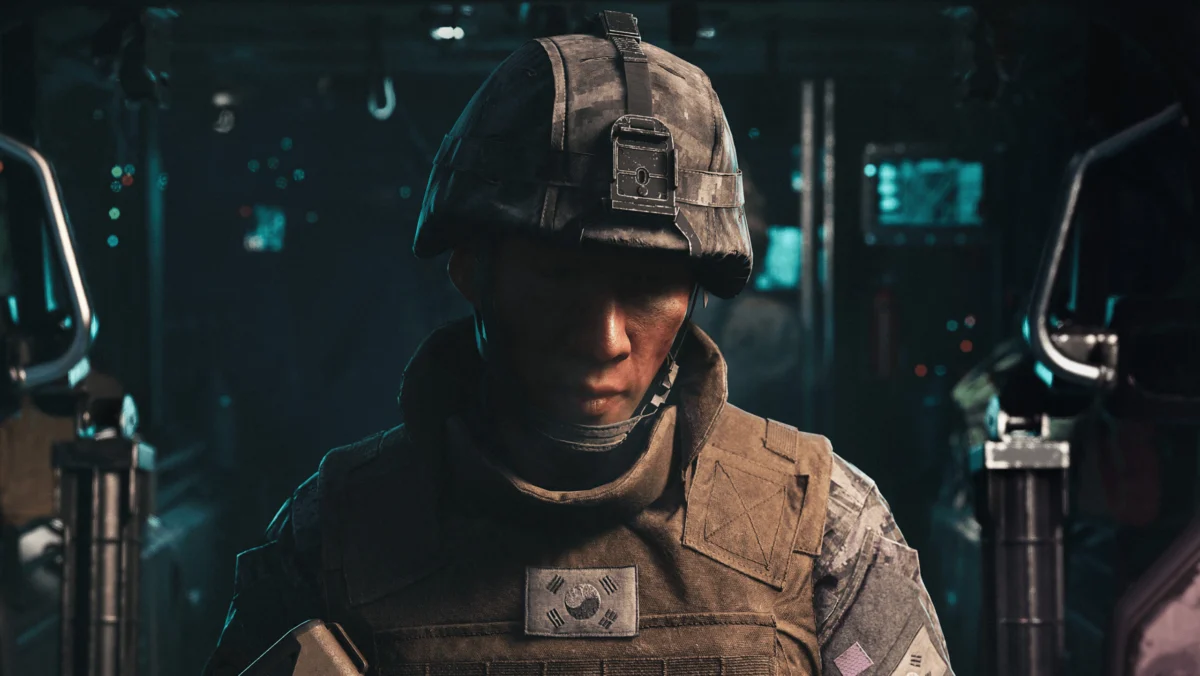
The highly anticipated live-action adaptation of Activision’s seminal Call of Duty franchise will immerse audiences directly into the critically acclaimed Modern Warfare universe, director and co-writer Peter Berg confirmed this past Saturday during an appearance at Fanatics Fest in New York City. This strategic decision aligns the film with the subseries widely recognized as the most popular and influential within the sprawling Call of Duty canon, promising a narrative deeply rooted in contemporary military conflicts and complex geopolitical intrigue. The film, a joint venture between Paramount Pictures and Activision, is slated for a theatrical release on June 30, 2028, a date strategically chosen to coincide with the 25th anniversary of the franchise’s debut.
The Genesis of a Cinematic War
The announcement at Fanatics Fest, while confirming the specific subseries, builds upon prior revelations. During Paramount’s CinemaCon presentation in April, the studio had initially disclosed the planned theatrical release date. The journey to bring Call of Duty to the big screen has been a protracted one, marked by years of speculation, various creative teams, and a steadfast commitment from Activision to ensure the integrity and authenticity of their flagship intellectual property. Rob Kostich, head of Activision, articulated this vision at the time of the CinemaCon announcement, stating, "I told everyone we were only going to make a movie if it’s right. In David Ellison, we found that partnership. We want to make sure that the authenticity of it is captured on a human level so that it feels really real and infuse that with epic scope." This statement underscores Activision’s cautious approach, seeking a partner who understood the franchise’s core appeal and cinematic potential, ultimately finding it in Paramount and Skydance Media, the latter led by David Ellison.
The Call of Duty franchise, launched in 2003, has transcended its origins as a video game to become a global cultural phenomenon. With over 500 million copies sold worldwide across its numerous installments, it stands as one of the best-selling video game series of all time. Its narrative breadth has spanned pivotal historical conflicts, from the battlefields of World War II and the jungles of Vietnam to futuristic combat scenarios and, most notably, the morally complex battlegrounds of modern warfare. The choice to adapt the Modern Warfare universe, specifically, is a testament to its enduring popularity and the rich, character-driven storytelling it has consistently delivered.
A Deep Dive into the Modern Warfare Universe
The Modern Warfare sub-series initially captivated players with its groundbreaking 2007 title, Call of Duty 4: Modern Warfare. This game dramatically shifted the franchise’s focus from historical conflicts to a fictionalized contemporary setting, exploring themes of terrorism, nuclear proliferation, and the ethical ambiguities of 21st-century warfare. It introduced iconic characters who have become synonymous with the Call of Duty brand: the stoic and battle-hardened Captain John Price, the intrepid Sergeant John "Soap" MacTavish, and the enigmatic Simon "Ghost" Riley. These characters, alongside a gripping narrative that spanned global hotspots, redefined military shooters and set a new standard for cinematic storytelling within video games.
The original Modern Warfare trilogy (2007-2011) was lauded for its immersive campaigns, visceral combat, and impactful twists. It tackled sensitive subjects with a surprising degree of nuance for a blockbuster game, often forcing players to confront the grim realities and moral compromises inherent in modern conflict. The series was later rebooted with Call of Duty: Modern Warfare (2019) and Call of Duty: Modern Warfare II (2022), which reimagined the classic characters and storylines for a new generation, further solidifying the sub-series’ relevance and appeal. The latest installment, Call of Duty: Modern Warfare III (2023), continues this narrative thread. The original article mistakenly references Modern Warfare 4 and a North/South Korea conflict, which suggests either an unannounced future game or a misinterpretation, but the core focus remains on the Modern Warfare thematic and character legacy. This universe provides a ready-made framework for a film that can blend high-stakes action with compelling character arcs and timely geopolitical commentary.
The Creative Minds Behind the Mission: Berg and Sheridan
The choice of Peter Berg and Taylor Sheridan to helm this ambitious project speaks volumes about the creative direction Activision and Paramount intend to pursue. Peter Berg, known for his gritty, realistic, and often intense directorial style, has a proven track record with military and action-thriller films. His directing credits include the critically acclaimed Lone Survivor (2013), Deepwater Horizon (2016), and Patriots Day (2016), all of which demonstrate his ability to craft taut narratives rooted in real-world events and human endurance. Even his earlier work like Friday Night Lights showcased a talent for capturing authentic human drama under pressure. His experience in portraying the visceral nature of combat and the psychological toll it takes on soldiers aligns perfectly with the thematic depth of the Modern Warfare games.
Taylor Sheridan’s involvement as co-writer and producer further elevates the project’s dramatic potential. Sheridan has emerged as one of Hollywood’s most distinctive voices, celebrated for creating expansive, character-driven sagas that explore themes of loyalty, power, and the complex interplay between individuals and vast systems. He is the mastermind behind the Yellowstone universe, including 1883 and 1923, as well as Landman and Lioness, among others. His screenwriting credits for films like Sicario (2015) and Hell or High Water (2016) earned him critical acclaim and demonstrated his prowess in crafting morally ambiguous narratives populated by complex, often tormented characters. Sheridan’s signature style—characterized by sharp dialogue, intricate plotting, and a keen understanding of the human condition under duress—suggests that the Call of Duty film will aim for more than just explosions. His involvement signals an intent to imbue the action with substantial dramatic weight and character development, appealing not only to gamers but also to a broader audience appreciative of sophisticated storytelling. The producing partnership with David Glasser of 101 Studios, a key collaborator on Sheridan’s Yellowstone universe, further strengthens the creative alignment, promising a cohesive vision from page to screen.
Activision and Paramount: A Strategic Alliance
The partnership between Activision and Paramount is a strategic move for both entities. For Activision, a successful cinematic adaptation of Call of Duty represents an unparalleled opportunity to expand the franchise’s reach beyond its gaming roots. It can introduce the universe to new audiences who may not engage with video games, potentially drawing them into the gaming ecosystem. Furthermore, a high-quality film can reinforce the brand’s cultural relevance and solidify its status as a multi-platform entertainment juggernaut. The emphasis on "authenticity" and "epic scope" articulated by Rob Kostich reflects Activision’s desire to translate the immersive and intense experience of the games into a compelling cinematic narrative without sacrificing the core essence that fans cherish.
For Paramount Pictures, securing a Call of Duty film represents a significant acquisition of a proven global brand, capable of serving as a tentpole release in a competitive cinematic landscape. In an era where established intellectual properties are highly coveted, Call of Duty offers instant global recognition and a built-in fanbase. The film’s June 2028 release positions it squarely in the lucrative summer blockbuster season, where it will contend for audience attention. Paramount’s investment in a project with such strong creative leadership suggests confidence in its potential to deliver both critical acclaim and substantial box office returns.
The Evolving Landscape of Video Game Adaptations
The announcement comes at a pivotal time for video game adaptations. For decades, Hollywood struggled to translate the interactive magic of games into compelling films, leading to a reputation for box office disappointments and critical failures. However, recent years have witnessed a dramatic shift. Adaptations like Sonic the Hedgehog (2020) and its sequel, Detective Pikachu (2019), The Super Mario Bros. Movie (2023), and HBO’s critically acclaimed series The Last of Us (2023) have broken the curse, demonstrating that successful adaptations are not only possible but can also achieve massive commercial and critical success. These projects succeeded by respecting their source material while also understanding the unique demands of their respective new mediums.
The Call of Duty film is poised to join this new wave of successful adaptations. Unlike some other game franchises, Modern Warfare already possesses a narrative structure that is inherently cinematic, complete with strong character arcs, clear antagonists, and global stakes. The challenge will lie in translating the interactive element of first-person combat into a passive viewing experience that maintains the intensity and engagement players feel. With Berg’s expertise in action and Sheridan’s mastery of dramatic storytelling, the creative team appears well-equipped to navigate these complexities.
Anticipating the 2028 Release: Challenges and Opportunities
The nearly four-year lead time until the June 2028 release date provides ample opportunity for the creative team to meticulously develop the screenplay, assemble a formidable cast, and execute the ambitious production envisioned. However, it also means facing the inherent challenges of translating a beloved interactive experience into a linear film.
One of the primary opportunities lies in the depth of the Modern Warfare lore. The film could draw inspiration from the intricate campaigns of the games, perhaps focusing on a specific narrative arc or blending elements from various installments to create a fresh yet familiar story. The presence of iconic characters like Captain Price or Soap MacTavish would undoubtedly excite fans, but the filmmakers will need to balance fan service with the need to craft a standalone cinematic experience accessible to newcomers.
A significant challenge will be capturing the essence of the Call of Duty gameplay experience—the fast-paced, visceral combat and the sense of being "in the boots" of a soldier—without simply creating a cutscene compilation. Berg’s signature style, characterized by handheld cameras and immersive action sequences, could be instrumental in achieving this. Furthermore, Sheridan’s influence suggests the film will delve into the moral complexities of modern warfare, which could provide a thought-provoking layer to the action, distinguishing it from simpler military blockbusters.
The film will also need to address the mature themes prevalent in the Modern Warfare series, which often include depictions of war crimes, civilian casualties, and the psychological impact of combat. How the filmmakers choose to handle these sensitive topics will be crucial in defining the film’s tone and message, potentially inviting both critical praise and public debate.
Broader Implications for the Call of Duty Franchise and Beyond
The success of the Call of Duty movie could pave the way for a broader cinematic universe, potentially exploring other popular sub-series like Black Ops or even original storylines inspired by the franchise’s vast history. This expansion would further solidify Call of Duty as a cornerstone of modern entertainment, bridging the gap between gaming and traditional cinema.
Beyond the franchise itself, the Call of Duty film represents another significant test case for the burgeoning video game adaptation trend. If successful, it will further validate the viability of adapting complex, mature video game narratives for the big screen, potentially encouraging more studios to invest in similar projects. The collaborative effort between Activision, Paramount, Peter Berg, and Taylor Sheridan suggests a concerted effort to deliver a film that is not only a commercial hit but also a critical triumph, ultimately setting a new benchmark for what video game adaptations can achieve. As the June 2028 release date approaches, anticipation will only grow for what promises to be a powerful and expansive cinematic journey into the heart of modern warfare.