Paramount Pictures has officially set a release date of July 16, 2027, for the highly anticipated sequel to its 2019 sleeper hit, Crawl. The production, which will once again be helmed by director Alexandre Aja, marks a significant expansion of the franchise, shifting the predatory action from the humid swamplands of Florida to the urban sprawl of New York City. Alongside the scheduling announcement, the studio confirmed that rising stars Mason Gooding and Emily Rudd have been cast in leading roles, signaling a fresh narrative direction for the creature-feature series.
A Proven Formula for Summer Success
The original 2019 film, also directed by Aja, was a critical and commercial outlier in a crowded landscape of summer blockbusters. Produced on a modest budget of approximately $13.5 million, the film resonated with audiences by focusing on a claustrophobic, high-stakes premise: a competitive swimmer attempting to rescue her father from their flooding Florida home during a Category 5 hurricane, only to find themselves hunted by a pack of apex-predator alligators.
The film’s success was largely attributed to its taut pacing, practical creature effects, and the central performance of Kaya Scodelario. By the end of its theatrical run, Crawl had grossed over $91 million worldwide, representing a return on investment of nearly seven times its production budget. This performance solidified its status as one of the most profitable horror films of the late 2010s and created the fiscal justification for the franchise’s expansion. The decision by Paramount to greenlight a sequel speaks to the enduring appeal of the "nature-run-amok" subgenre when paired with a disciplined production budget and high-concept execution.
The Urban Shift: From Florida to New York
While the first installment relied on the atmospheric isolation of a suburban home trapped in a storm, Crawl 2 is set to radically alter the environment. Reports confirm that the screenplay—penned by Jason Harry Pagan and Andrew Deutschman, with additional contributions from Aja and Gregory Levasseur—will transplant the threat of aggressive alligators into the dense infrastructure of New York City.
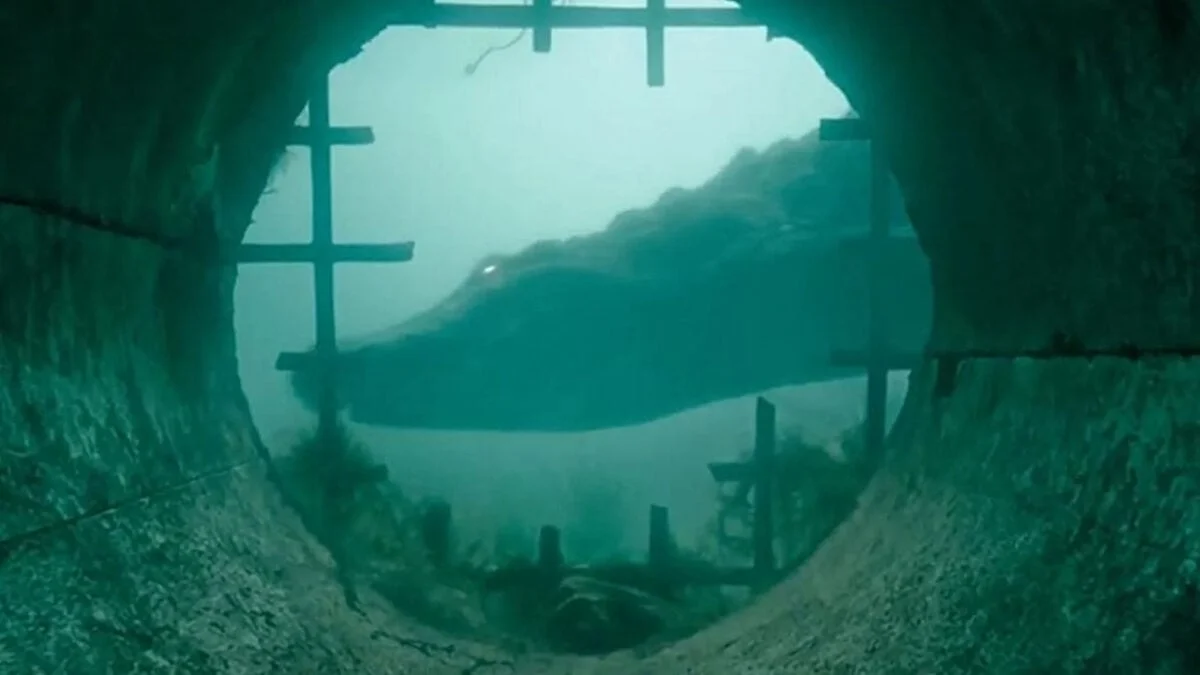
The logistical challenge of an alligator infestation in a metropolitan setting provides a fertile ground for suspense. Unlike the rural, localized threat of the first film, the sequel’s premise implies a systemic failure of urban defenses. Hurricanes have historically caused significant flooding in coastal cities, and by incorporating the complex, subterranean labyrinth of the New York City sewer system, the production team appears to be aiming for a heightened sense of scale. This transition to a "big city" disaster movie aesthetic aligns with the trajectory of successful creature features that evolve by escalating the stakes and the size of the playing field.
Casting the New Leads
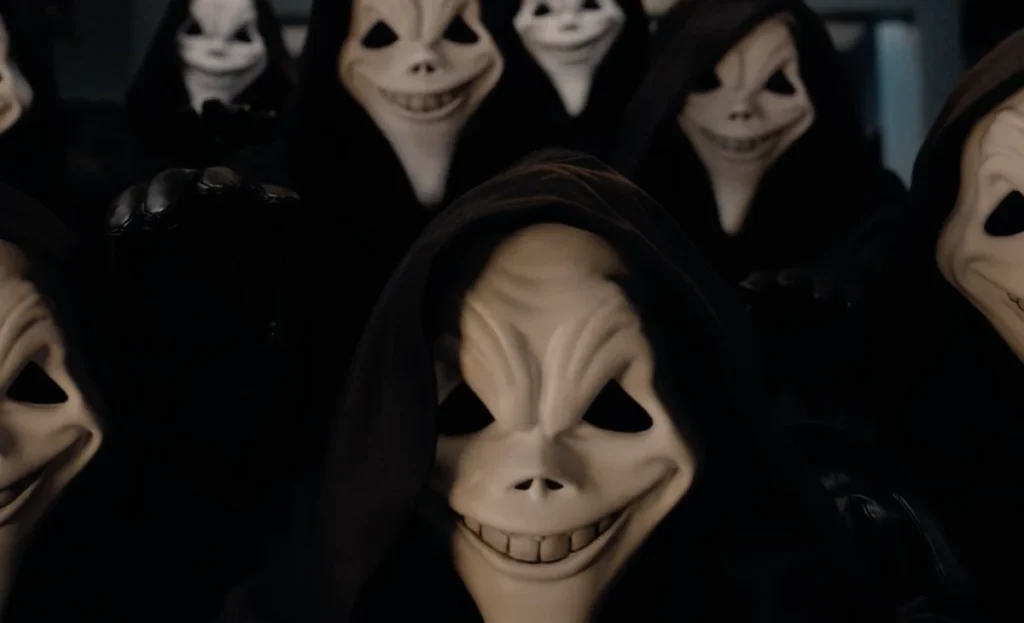
The casting of Mason Gooding and Emily Rudd is a strategic choice for the studio, reflecting a move toward talent with established followings in the genre space. Mason Gooding, whose credits include the recent Scream franchise and Heart Eyes, has demonstrated a capacity for navigating high-tension horror-thriller environments. His involvement suggests a character-driven approach to the survival narrative, ensuring that the human element remains as compelling as the reptilian threat.
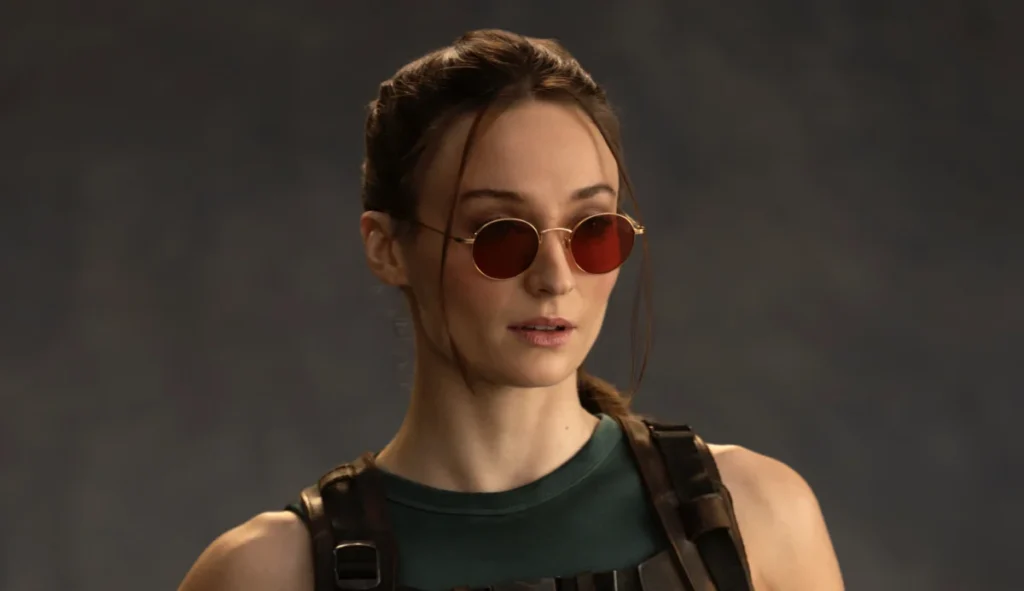
Emily Rudd, known for her breakout roles in the Fear Street trilogy and the survival-themed drama Whalefall, brings a background in projects that prioritize physical performance and intense, prolonged stunt work. Their combined experience suggests that the production intends to maintain the physical, visceral nature of the original film, which relied heavily on practical stunts and water-based sequences rather than over-reliance on digital effects.

Production and Creative Leadership
The creative core of the first film remains largely intact for the sequel. Alexandre Aja, a director renowned for his contributions to the French extreme horror movement and his ability to reinvigorate established horror properties—such as his 2006 remake of The Hills Have Eyes—will return as director. His presence is a key indicator that the sequel will maintain the specific visual language and tone that defined the original.
Behind the scenes, the project is backed by a robust production team. Craig Flores and Sam Raimi, who were instrumental in the development of the 2019 project, return as producers. Their involvement provides institutional knowledge of how to manage a creature-feature production effectively within a studio framework. Gregory Levasseur and Azizi have been tapped as executive producers, further cementing the continuity of the creative vision. The script development process, which involved a collaborative effort between the writers and the directors, suggests a meticulous approach to the story, ensuring that the logic of the "gator in the city" premise remains consistent with the established lore of the first film.
The Economic and Cultural Impact of Creature Features
The announcement of a July 2027 release date positions Crawl 2 as a mid-summer tentpole for Paramount. This scheduling is significant; it indicates that the studio views the Crawl brand as a viable counter-programming option against larger comic-book or franchise sequels that typically dominate the summer window.
Historically, creature features have been a staple of mid-budget studio filmmaking. The trend, which saw a resurgence in the 2010s, relies on the audience’s primal fear of nature and the technical artistry of creature design. By anchoring the film in a realistic, albeit terrifying, scenario—a major hurricane hitting a densely populated metropolis—Paramount is tapping into contemporary anxieties regarding climate change and urban fragility.
Analysts suggest that the success of the first film was not a fluke but rather a reflection of a growing market for high-quality, mid-budget horror. By keeping the budget controlled while leveraging the massive, global reach of the Paramount distribution network, the studio mitigates risk while maximizing potential returns. The sequel’s success will likely be measured by its ability to replicate the tension of the original while expanding the geography of the threat.
Future Implications for the Franchise
If Crawl 2 achieves the financial benchmarks set by its predecessor, the potential for a long-running franchise becomes a distinct possibility. The "urban survival" template allows for a variety of settings, potentially moving the threat to other major metropolitan areas or different weather-related disasters. However, for now, the focus remains on the specific challenges of a New York City environment.
The industry will be watching the production closely to see how Aja balances the practical effects that made the 2019 film a standout with the increased scope of a city-wide infestation. With the script finalized and the lead roles cast, the film is poised to enter a phase of intensive pre-production, with principal photography likely to commence in the coming year.
As of March 2026, the announcement has been met with positive anticipation from genre enthusiasts, who view the return of the original director and the inclusion of well-regarded genre actors as a sign of a high-quality production. For Paramount, the project represents a calculated investment in a proven intellectual property, designed to offer a visceral, suspenseful experience that differentiates itself from the broader spectrum of summer theatrical releases. Fans of the original, as well as those looking for the next evolution of the disaster-horror subgenre, can look forward to the return of the apex predator when Crawl 2 hits theaters on July 16, 2027.