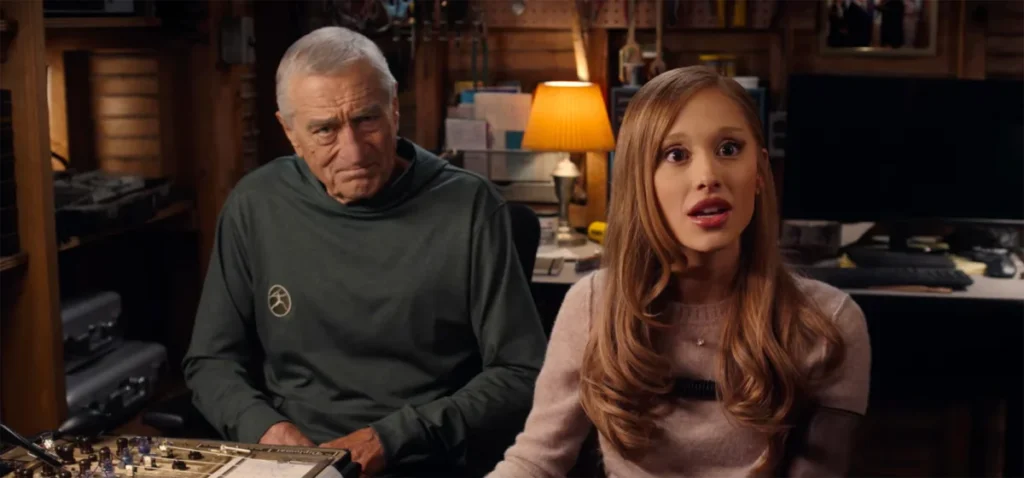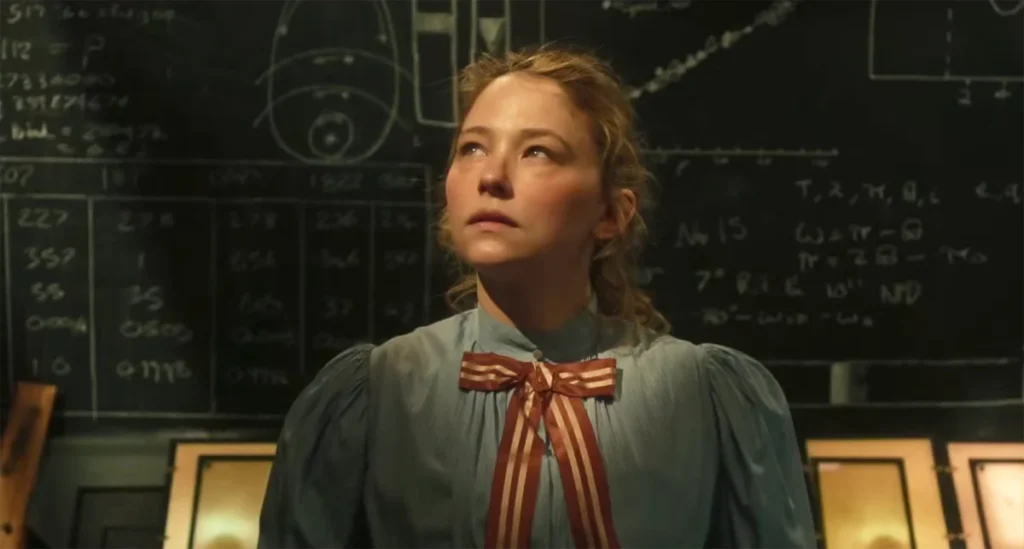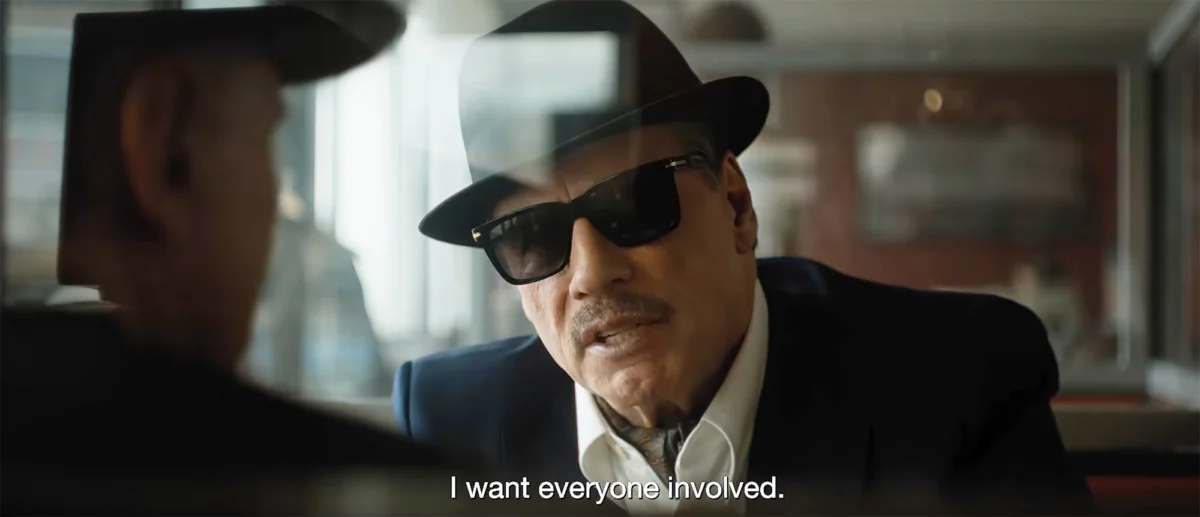
Ketchup Entertainment has officially unveiled the trailer and promotional poster for November 1963, a gripping historical conspiracy thriller that re-examines the assassination of President John F. Kennedy through the lens of organized crime. Directed by Academy Award nominee Roland Joffé—best known for critically acclaimed masterworks such as The Killing Fields and The Mission—the film marks a notable return for the veteran filmmaker. Spanning a tense, 48-hour timeline leading up to and immediately following the tragic events in Dallas, Texas, the feature shifts away from the conventional narrative centered on Lee Harvey Oswald or federal intelligence agencies, focusing instead on the alleged involvement of the Chicago Outfit and a high-stakes political betrayal.
The project features a prominent ensemble cast, including John Travolta, Robert Carlyle, Dermot Mulroney, Mandy Patinkin, and Jefferson White. Written by Nicolas Celozzi—the nephew of infamous Chicago crime boss Sam Giancana—from a story developed by Joseph Giancana and Nicolas Celozzi, the film draws heavily upon first-hand accounts and familial insights from the Giancana family lineage. According to the studio’s official logline, the narrative explores an alleged Faustian bargain struck between Joe Kennedy and the Chicago mob to secure the presidency for JFK, followed by the catastrophic fallout and deadly betrayal that ultimately sealed the leader’s fate.
Ketchup Entertainment is scheduled to release November 1963 in select United States theaters on November 20, 2026, positioning the feature squarely in the competitive autumn awards and prestige release window.
The Chronology of a Tragedy: Re-examining the 48-Hour Timeline
To fully understand the narrative framework of November 1963, historians and film analysts look back at the documented timeline of the fateful weekend in November 1963. The events that shook the United States and reverberated across the globe unfolded rapidly over a two-day period that permanently altered the trajectory of American politics and public trust.

On November 21, 1963, President John F. Kennedy embarked on a political trip to Texas alongside First Lady Jacqueline Kennedy, aimed at smoothing over intra-party friction within the Texas Democratic Party ahead of the 1964 presidential election. The presidential motorcade traversed downtown Dallas the following morning, Friday, November 22, 1963. At approximately 12:30 p.m. Central Standard Time, as the open-top Lincoln Continental limousine passed Dealey Plaza, multiple shots were fired.
President Kennedy was struck in the head and neck, and Texas Governor John Connally was severely wounded. Rushed immediately to Parkland Memorial Hospital, the President was pronounced dead at 1:00 p.m. Within hours, local law enforcement and federal agencies apprehended Lee Harvey Oswald at a nearby movie theater. Two days later, while being transferred from police headquarters to the county jail, Oswald was shot and killed by nightclub operator Jack Ruby, broadcasting the chaos live into millions of American living rooms and sparking decades of speculation, conspiracy theories, and official investigations.
November 1963 focuses its narrative lens directly on the clandestine machinations alleged to have occurred behind closed doors prior to and during this 48-hour window. By spotlighting alternative theories involving syndicate masterminds and coordinated second-shooter scenarios, the film aims to dramatize the murky intersection of high-level American governance and mid-century organized crime.
Behind the Lens and Script: Cast, Crew, and Familial Origins
The production pedigree behind November 1963 bridges classic Hollywood cinematic craftsmanship with deeply personal, family-sourced historical claims. Director Roland Joffé brings a storied career to the director’s chair. Gaining international prominence in the 1980s, Joffé earned Academy Award nominations for Best Director for both The Killing Fields (1984) and The Mission (1986). His extensive filmography also includes Fat Man and Little Boy (1989), City of Joy (1992), and The Scarlet Letter (1995). His involvement lends a classical cinematic gravity to a genre often dominated by sensationalized television programming.
The screenplay’s origins lend the project a unique layer of insider perspective. Written by Nicolas Celozzi, the nephew of Chicago crime boss Sam Giancana, the story is rooted in oral histories and familial archives passed down through generations of the Giancana family. Sam Giancana was a powerful and notorious boss of the Chicago Outfit—the Italian-American mafia organization that wielded immense political, economic, and social influence throughout the American Midwest during the mid-20th century.

For decades, independent researchers, journalists, and crime historians have probed the alleged ties between organized crime figures and the Kennedy family administration. The premise of November 1963 explores the controversial hypothesis that Joseph P. Kennedy Sr. allegedly enlisted the aid of Chicago mob leadership to swing crucial labor union support and voter turnout in Illinois during the tightly contested 1960 presidential election. According to lore and specific familial claims embedded in the film’s source material, the subsequent federal crackdowns on organized crime led by Attorney General Robert F. Kennedy were perceived by the mob as a profound betrayal, culminating in a deadly conspiracy.
Supporting the narrative vision is a powerhouse ensemble cast. Academy Award nominee John Travolta anchors the production alongside veteran dramatic actors Robert Carlyle, Dermot Mulroney, Mandy Patinkin, and Jefferson White. Produced by Kevin DeWalt, Carrie Wilkins, and Nicolas Celozzi, the feature reflects a concerted effort to bring a high-end production value to a frequently debated historical juncture.
Historical Context and Fact-Based Analysis
The assassination of John F. Kennedy remains one of the most thoroughly investigated yet continuously debated events in modern history. The official government inquiry, conducted by the President’s Commission on the Assassination of President Kennedy—widely known as the Warren Commission—concluded in 1964 that Lee Harvey Oswald acted alone in shooting the President from the sixth floor of the Texas School Book Depository, and that Jack Ruby also acted alone in killing Oswald.
However, subsequent government reviews, most notably the House Select Committee on Assassinations (HSCA) report published in 1979, challenged certain aspects of the Warren Commission’s findings. The HSCA concluded that based on acoustic evidence, there was a high probability that two gunmen fired at the President, suggesting the existence of a conspiracy, though investigators were unable to identify specific conspirators or organized crime involvement definitively.
Over the past six decades, public skepticism regarding the official narrative has remained consistently high. Polls conducted over the years consistently indicate that a significant majority of Americans believe multiple individuals or groups were involved in the assassination. Common theories have traditionally focused on the Central Intelligence Agency (CIA), anti-Castro Cuban exile groups, Soviet intelligence, or organized crime syndicates.

By centering its plot on the Chicago Outfit and the Giancana family perspective, November 1963 taps directly into the organized crime hypothesis. Historians note that while archival evidence confirms complex, indirect intersections between mob figures and political campaigns during the era—most famously documented through figures like Giancana and singer Frank Sinatra—mainstream historians generally debate the direct causality between these underworld connections and the tragedy in Dealey Plaza. Nevertheless, the enduring cultural fascination with the mob narrative ensures a receptive audience for cinematic explorations of this nature.
Broader Impact, Industry Implications, and Theatrical Release
The release of November 1963 by Ketchup Entertainment arrives at a time when audiences demonstrate an enduring appetite for sophisticated true-crime dramas, historical revisionism, and political thrillers. By opting for a traditional theatrical release strategy rather than an exclusive streaming premiere, the distributors are signaling confidence in the film’s broad commercial appeal, star power, and cinematic scope.
For Ketchup Entertainment, positioning a prestige-adjacent thriller with an ensemble cast featuring John Travolta and Mandy Patinkin represents a significant theatrical play for the autumn season. The film will test whether modern audiences continue to embrace cinematic dramatizations of mid-century American history or if contemporary fatigue with conspiracy culture will impact box office returns.
Furthermore, the film’s reliance on familial testimony from the Giancana lineage invites renewed academic and public debate regarding the veracity of long-standing mob lore. While motion pictures of this scale are fundamentally works of dramatic interpretation rather than peer-reviewed historical documents, they frequently serve as cultural catalysts that renew public interest in archival records, declassified government files, and historical research.
As the theatrical release date of November 20, 2026, approaches, industry analysts will closely monitor trailer engagement, marketing rollouts, and early critical reception. Whether November 1963 succeeds in offering a fresh, credible perspective on an enduring American enigma or simply adds another layer to the vast mythology of Dealey Plaza, Roland Joffé’s latest cinematic endeavor is poised to ignite fierce discussions among history enthusiasts, film critics, and general audiences alike.