The expansive television and literary universe of George R.R. Martin is officially preparing to make its long-awaited transition to the cinematic landscape. Warner Bros. Discovery and HBO have confirmed that the upcoming franchise installment, Game of Thrones: Aegon’s Conquest, is scheduled for an exclusive theatrical release on June 1, 2029. This strategic move marks a significant milestone for the multi-billion-dollar fantasy enterprise, which has historically maintained a strict exclusivity to home television networks through its flagship series and current spin-off projects.
The announcement of a 2029 release date provides a concrete anchor for the studio’s ongoing expansion of the Westeros IP. While the premiere date remains years away, the scheduling choice aligns precisely with executive strategy regarding content cadence, fan engagement, and theatrical distribution models. As the entertainment industry continues to navigate the post-streaming landscape, major conglomerates are increasingly leaning toward massive, globally recognizable theatrical tentpoles to secure box office stability.
Strategic Scheduling and the Westeros Roadmap
The decision to slot Aegon’s Conquest into the early summer corridor of 2029 is far from arbitrary. According to production timelines and network disclosures outlined by industry analysts, Warner Bros. and HBO have established a meticulous annual release strategy designed to maintain continuous audience engagement with the Game of Thrones universe without causing franchise fatigue.
The chronology of upcoming Westeros-set projects outlines a clear path leading directly to the 2029 film. Following the conclusion of prior seasons, the rollout includes:
- 2027: The scheduled release of the second season of A Knight of the Seven Kingdoms.
- 2028: The debut of the fourth and final season of House of the Dragon, which will bring the Dance of the Dragons conflict to its definitive conclusion.
- 2029: The theatrical premiere of Game of Thrones: Aegon’s Conquest on June 1.
By strategically leaving 2029 unallocated by television programming, studio executives have effectively positioned the cinematic venture as the pinnacle event of that year’s fantasy calendar. This deliberate pacing ensures that audiences receive a steady stream of high-budget Westeronian content annually, transitioning seamlessly from serialized television to a grand-scale cinematic experience.
Creative Leadership and Production Evolution
The development of Aegon’s Conquest has undergone notable structural changes behind the scenes. Initially conceived as a television series under the stewardship of writer Mattson Tomlin—known for his work on The Batman Part II—the project was subsequently elevated to feature film status. This format shift reflects a growing confidence within Warner Bros. regarding the visual and narrative scale required to depict one of the most pivotal eras in Martin’s fictional history.
The film’s creative helm has been entrusted to director Owen Harris, whose directorial portfolio includes critically acclaimed television work such as the Peacock anthology series Mrs. Davis and episodes of the forthcoming A Knight of the Seven Kingdoms. Harris’s ability to navigate complex narratives and maintain distinct stylistic tones will be critical in translating the sweeping historical epic to the silver screen.
Penning the screenplay is Beau Willimon, a veteran writer and producer whose credits include the political drama series House of Cards and the critically lauded Star Wars streaming series Andor. Willimon’s extensive experience in crafting intricate political maneuvering, tactical warfare, and character-driven power dynamics makes him uniquely suited to adapt the historical chronicles of Aegon Targaryen’s continental invasion.
Historical Context of the Source Material
While official plot synopses and promotional materials remain under strict embargo, the title Aegon’s Conquest points directly to the foundational event of the Targaryen dynasty’s reign over the continent of Westeros. Set centuries before the birth of Daenerys Targaryen and Jon Snow, the narrative is expected to chronicle Aegon I Targaryen, often referred to as Aegon the Conqueror.
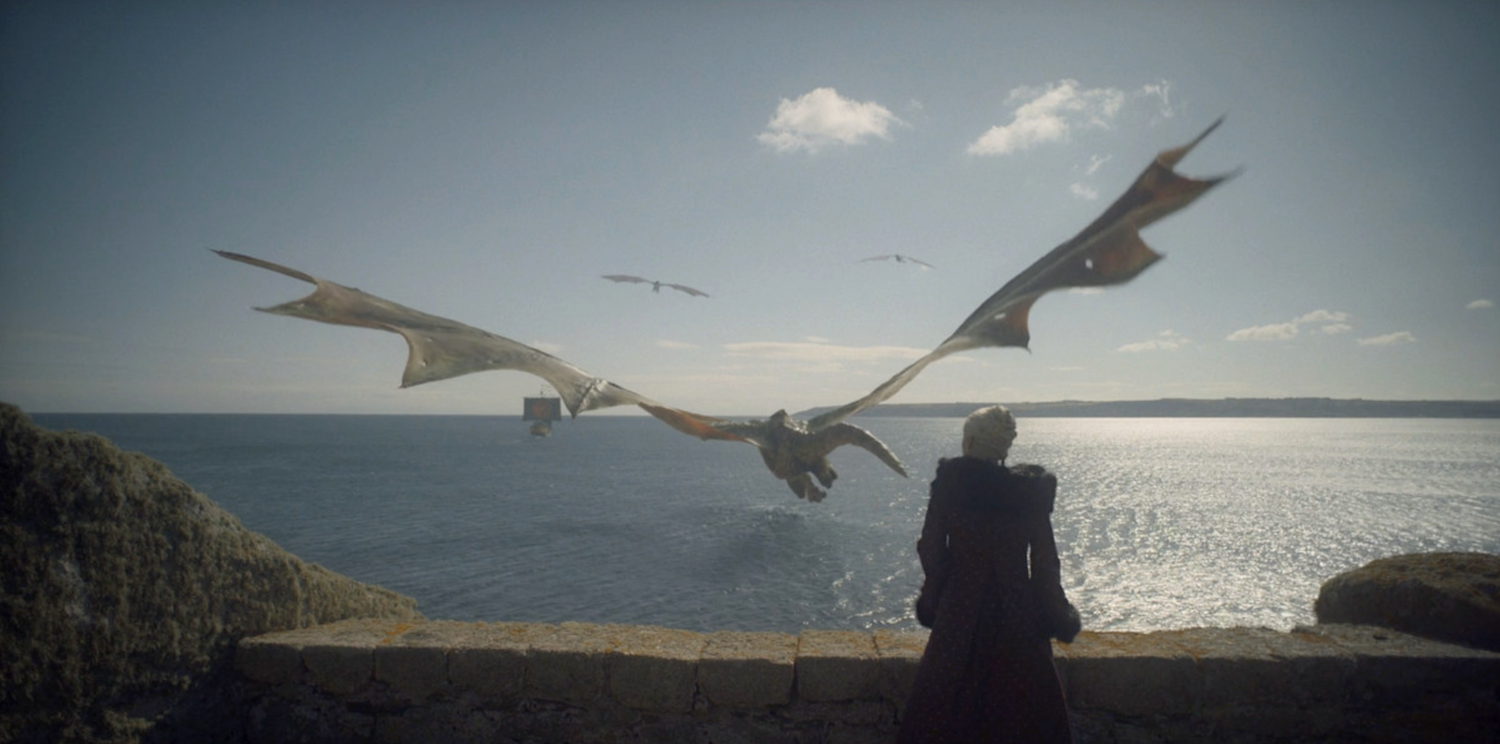
Operating from the ancestral stronghold of Dragonstone, Aegon initiated a military campaign alongside his sister-wives, Rhaenys and Visenya. Utilizing their formidable dragons—Balerion the Black Dread, Vhagar, and Meraxes—the trio subjugated six of the independent kingdoms of Westeros, unifying them under a single banner for the first time in history. The campaign culminated in the symbolic creation of the Iron Throne, constructed from the surrendered swords of defeated monarchs—a central artifact of power recognized by global audiences of the original HBO television series and readers of Martin’s companion texts, such as Fire & Blood.
Transition from Small Screen to Cinema
The shift from television episodic formatting to a feature-length film presents both technical and narrative challenges for the production team. Historically, the Game of Thrones franchise has thrived on slow-burn political intrigue, multi-episode character arcs, and sprawling ensemble casts made possible by long-form television. Condensing a massive continental war involving multiple reigning houses, massive armies, and three adult dragons into a standard two-to-three-hour cinematic runtime will require rigorous narrative focus.
However, industry observers note that the cinematic format offers unprecedented financial and technical resources. With a dedicated theatrical budget, the production can utilize state-of-the-art visual effects, grand set designs, and large-scale battle choreography that matches or exceeds the most ambitious sequences of the original television series, such as "Battle of the Bastards" or the dragon-centric skirmishes in House of the Dragon.
Industry Implications and Market Outlook
The announcement of a firm 2029 release date underscores Warner Bros. Discovery’s heavy reliance on established intellectual property to drive box office revenue. As legacy media companies recalibrate their theatrical slates in the wake of shifting consumer habits, tentpole franchises based on pre-sold global audiences have become essential financial pillars.
The financial implications are substantial. A June release positions Aegon’s Conquest directly in the heart of the highly lucrative summer blockbuster season, competing alongside superhero films, animated features, and sci-fi epics. Success at the box office could redefine the future of the Game of Thrones franchise, proving that Martin’s fictional universe can successfully cross the threshold from home television viewing to the global theatrical marketplace.
Casting and Future Outlook
As of publication, official casting announcements for Aegon’s Conquest have not been released. Given the considerable distance to the 2029 premiere date, principal photography has yet to commence, and studio executives are reportedly maintaining confidentiality regarding talent acquisition.
Industry insiders anticipate that casting notices and preliminary production updates will emerge in the coming months as pre-production milestones are achieved. Until then, fans and analysts will continue to monitor the synchronized rollout of Westeronian content, culminating in what Warner Bros. hopes will be a historic cinematic event in the summer of 2029.