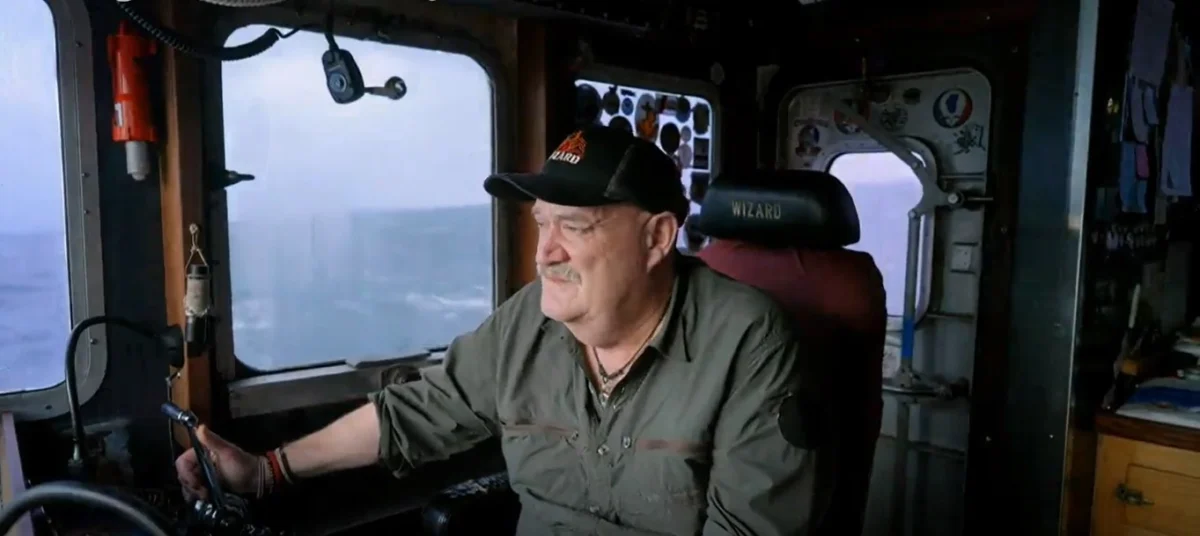
The volatile nature of the Bering Sea crab fishery was on full display during the latest episode of the long-running Discovery Channel series Deadliest Catch, as veteran captains faced a trifecta of challenges: territorial disputes with industrial trawlers, life-threatening mechanical failures, and the physical toll of an unforgiving environment. While Captain Johnathan Hillstrand of the Time Bandit and Captain Sig Hansen of the Northwestern formed an unlikely alliance to protect their gear from encroaching "draggers," Captain Keith Colburn of the Wizard found himself in a desperate race against time as his vessel’s engine room succumbed to catastrophic flooding. These developments highlight the razor-thin margins between a profitable season and a total maritime disaster in one of the world’s most dangerous professions.
The Territorial Siege: Hillstrand and Hansen vs. The Draggers
The episode opened with Captain Johnathan Hillstrand attempting to capitalize on what he described as a "vision." Having returned to the fishery after a brief retirement, Hillstrand has frequently relied on his decades of experience and intuition to locate crab hotspots. However, his latest endeavor in a lucrative "honey hole" was immediately threatened by the presence of a large industrial dragger—a trawler that pulls massive nets across the seafloor.
In the Bering Sea, the conflict between pot-fishing vessels like the Time Bandit and trawlers is a long-standing issue known as "gear conflict." Trawlers utilize nets that can be the size of two football fields, which, when dragged across the bottom, can snag, move, or completely destroy the stationary crab pots set by captains like Hillstrand. The financial stakes are immense; a single crab pot can cost upwards of $1,000, and losing a "string" of 40 pots represents not only a $40,000 loss in hardware but also the loss of the potential catch, which can value in the hundreds of thousands of dollars.
Hillstrand’s fears were realized when the dragger captain radioed to inform him that his gear had likely been snagged. Despite Hillstrand’s stern warnings to the trawler to avoid his territory, the larger vessel remained undeterred. This prompted Hillstrand to reach out to his long-time contemporary and occasional rival, Captain Sig Hansen of the Northwestern.

Hansen, operating nearby in the shallower sections of the same canyon, was facing his own set of pressures. The Northwestern was attempting to cycle 120 pots through the water, but the intensity of the operation led to a dangerous deck accident. Hansen’s son-in-law, Clark Pederson, was struck by a crane during the hauling process, highlighting the human cost of the high-pressure environment. With Pederson temporarily sidelined, Hansen was forced to manage a depleted crew while also contending with the same dragger threat that Hillstrand was facing. Hansen reported that he had already lost 11 pots to the trawler’s nets.
Strategic Alliances and the Impenetrable Wall
Recognizing that neither vessel could repel the industrial dragger alone, Hillstrand and Hansen brokered a tactical alliance. The two captains, representing a combined $150,000 in gear and millions of dollars in potential seasonal revenue, decided to implement a maneuver designed to force the trawler out of the area.
By coordinating the deployment of their remaining pots and utilizing extra buoys, the Time Bandit and the Northwestern created what Hillstrand described as an "impenetrable wall." This picket line of gear presented a navigational hazard for the trawler, as the risk of entangling its expensive nets in the crab pots became too great to ignore. The strategy proved successful; the dragger eventually altered its course and exited the territory, allowing the two crab vessels to haul their gear in peace. The subsequent "soak" time yielded high returns, with both captains reporting "nice numbers" in their pots, validating Hillstrand’s original intuition about the location.
Crisis Aboard the Wizard: A Battle for Buoyancy
While the Northwestern and Time Bandit were securing their territory, Captain Keith Colburn of the Wizard was engaged in a much more fundamental struggle for survival. The Wizard, a converted World War II-era Navy fueler, is one of the largest and most storied vessels in the fleet, but its age and the sheer force of the Bering Sea’s fall season began to take a visible toll.
Colburn entered the week with a daunting 380,000-pound quota of Bairdi crab to fill within a three-week window. The pressure to produce was compounded by "snake-bit" weather conditions—heavy seas and gale-force winds that made deck operations treacherous. However, the situation shifted from difficult to dire when Engineer Joe Serpas reported that water was pouring into the engine room.

The source of the leak was identified as a compromised hatch, which was allowing seawater to surge into the hull with every massive wave that broke over the bow. Serpas described the influx of water as "Niagara Falls," a vivid illustration of the volume of water threatening the vessel’s internal systems. In a makeshift attempt to stem the flow, the crew utilized tarps and duct tape to seal the hatch, but these measures were insufficient against the hydraulic pressure of the North Pacific.
The Engineering Struggle and the Decision to Abort
The flooding presented a two-fold threat to the Wizard. First, the accumulation of water in the engine room risked submerging the electrical systems, which would leave the vessel "dead in the water"—a potential death sentence in heavy seas. Second, there was a significant concern that the salt water would contaminate the fuel system, leading to catastrophic engine failure.
Captain Colburn, known for his "grind-it-out" mentality, initially urged his crew to continue setting gear, hoping that the engineer could bide them at least 12 hours of operational time. Colburn’s mantra that "crabs cure all wounds" reflected the economic necessity of staying on the grounds while the fishing was hot. However, as the water level continued to rise and the integrity of the hatch worsened, the situation became unmanageable.
Despite the fact that the pots were finally coming up full of crab, the safety of the crew and the vessel took precedence. Engineer Joe Serpas informed Colburn that the leak was becoming uncontrollable and that a hole may have developed in the hull or the intake system. Frustrated but cognizant of the stakes, Colburn made the difficult decision to cease operations and begin the trek toward the nearest port for emergency repairs.
Data and Economic Context: The Stakes of the 2026 Season
The events of this episode occur against the backdrop of a highly regulated and economically volatile fishing season. As of the 2024-2026 management cycles, the Bering Sea crab industry has faced significant fluctuations in Total Allowable Catch (TAC) limits. While Red King Crab stocks have shown signs of slow recovery, Bairdi (Tanner crab) remains a primary target for the fleet.

| Metric | Estimated Value |
|---|---|
| Cost of a Single Crab Pot | $1,000 – $1,500 |
| Estimated Daily Operating Cost (Wizard Class) | $5,000 – $10,000 |
| Market Price for Bairdi Crab (per lb) | $3.50 – $5.00 |
| Quota Remaining for Captain Colburn | 380,000 lbs |
| Potential Gross Revenue of Colburn’s Quota | $1.3M – $1.9M |
For Captain Colburn, the decision to head to town is not merely a logistical delay; it is a massive financial blow. Every day spent in port for repairs is a day of lost fishing time during the peak of the season. Furthermore, the cost of emergency dry-docking and hull repair can easily reach six figures, potentially erasing the profits from the early-season hauls.
Analysis of Implications and Safety Standards
The injuries aboard the Northwestern and the flooding on the Wizard serve as a stark reminder of why commercial fishing consistently ranks as one of the most hazardous occupations in the United States. According to data from the National Institute for Occupational Safety and Health (NIOSH), the fatality rate in the Alaskan fishing industry is significantly higher than the national average for all workers, with vessel disasters and falls overboard being the leading causes of death.
The "David vs. Goliath" struggle against the trawlers also highlights the ongoing need for clearer maritime boundaries and better communication between different sectors of the fishing industry. While the "wall of gear" strategy worked for Hillstrand and Hansen, it is a high-risk maneuver that could have resulted in even greater gear loss had the trawler captain not been observant.
As the fleet moves deeper into the fall season, the focus remains on the resilience of the captains and their crews. The Wizard’s departure for port leaves a significant portion of the Bairdi quota on the table, and it remains to be seen if Colburn can repair his vessel in time to return to the grounds before the season closes. For Hillstrand and Hansen, the victory over the dragger is a temporary reprieve in a season that promises continued challenges from both man and nature.
The next installment of Deadliest Catch will likely detail the extent of the damage to the Wizard and whether the Time Bandit can maintain its momentum in the newly secured "hotspot." For now, the Bering Sea continues to prove that no amount of planning or experience can fully insulate a crew from the unpredictable dangers of the deep.