Miroslav Terzić, the acclaimed Serbian director known for his impactful social dramas, is set to make a significant return to the international cinematic stage with his latest feature, 3 Weeks After. The film, which promises to delve deep into the raw emotional aftermath of youth suicide, will celebrate its world premiere within the prestigious Crystal Globe competition of the 60th Karlovy Vary International Film Festival (KVIFF) on July 7. This highly anticipated screening marks a pivotal moment for both the director and the festival, as it brings a vital, poignant narrative to a global audience.
A Journey Interrupted: The Premise of "3 Weeks After"
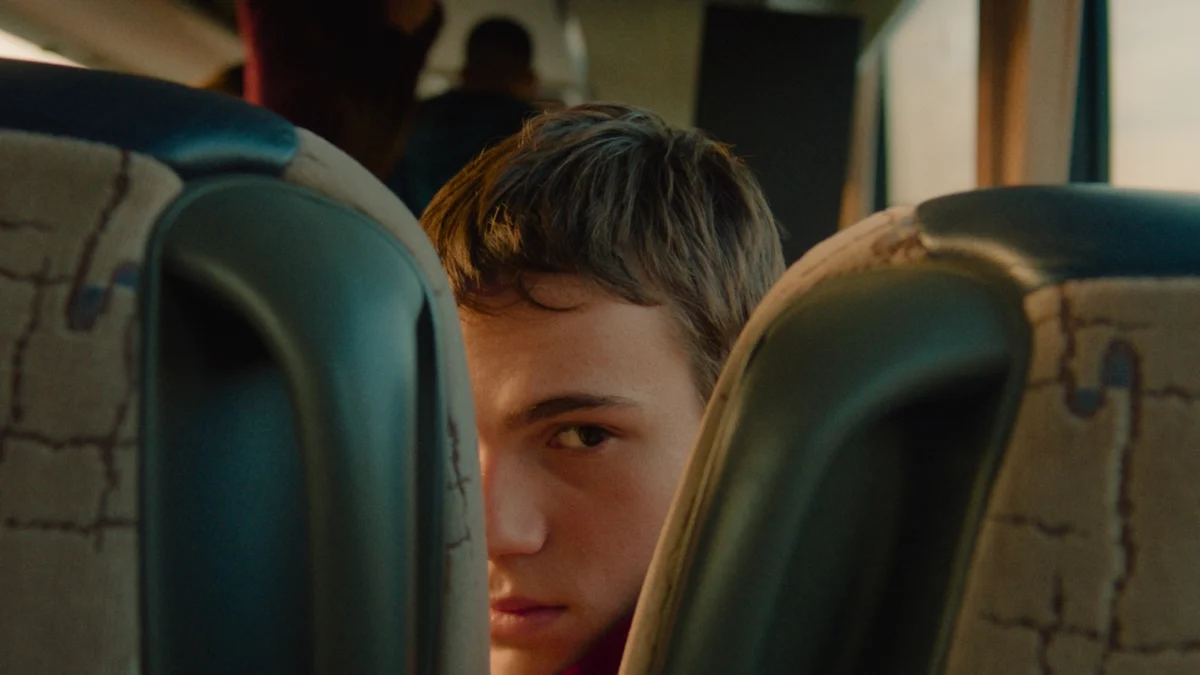
The narrative of 3 Weeks After begins innocuously enough, following a group of Serbian high-school students embarking on what should be a routine and joyous field trip to neighboring Bulgaria. The initial scenes hint at the typical youthful exuberance and burgeoning anxieties that characterize adolescence. However, beneath this veneer of normalcy, a palpable tension simmers, a silent unease that suggests a deeper, unaddressed trauma. The film masterfully builds this atmosphere, hinting at an unspoken burden carried by the young protagonists.
The seemingly mundane event of a broken-down coach serves as the unexpected catalyst that forces this simmering tension to boil over. Stranded and confined, the adolescents and their accompanying teachers are confronted with a painful and deeply unsettling topic: the recent suicide of one of their best friends, brought to the surface by a quieter, more introspective pupil. This revelation shatters the illusion of a carefree excursion, transforming the trip into an involuntary reckoning. The film then meticulously explores the ensuing emotional maelstrom, as the group grapples with profound questions: Who or what is truly to blame for this tragic loss? What complex factors contributed to the young man’s death? As these difficult questions are posed, the dynamics within the group begin to fracture, and the situation threatens to escalate into a heated confrontation, forcing everyone to confront uncomfortable truths about grief, guilt, and collective responsibility.
Terzić’s decision to base the story on "several true stories" lends an immediate and profound sense of authenticity and urgency to 3 Weeks After. This approach ensures that the film is not merely a fictional construct but a deeply resonant exploration of a real-world crisis, drawing directly from the lived experiences of individuals affected by youth suicide. This foundation imbues the narrative with a powerful realism, making the characters’ struggles and the societal implications all the more impactful and relatable.
Karlovy Vary: A Milestone 60th Edition and the Crystal Globe Competition
The Karlovy Vary International Film Festival, an institution renowned for its rich history and commitment to showcasing daring and diverse cinema, is celebrating its landmark 60th edition this year. As one of the oldest and most respected A-list film festivals in Europe, second only to Venice and predating Cannes, KVIFF has consistently served as a vital platform for films from Central and Eastern Europe, while also attracting significant international works. Its enduring legacy is built upon a tradition of artistic integrity, fostering critical discourse, and introducing groundbreaking talents to a global audience.
The Crystal Globe Competition stands as the festival’s highest honor, reserved for films that demonstrate exceptional artistic merit, originality, and a profound thematic resonance. Being selected for this prestigious section is a testament to 3 Weeks After‘s perceived quality and its potential to make a significant cultural impact. Films chosen for the Crystal Globe often go on to receive international acclaim and distribution, making this premiere a crucial launchpad for Terzić’s latest work. The festival’s discerning programmers, known for their rigorous selection process, have clearly identified 3 Weeks After as a film capable of sparking important conversations and challenging audiences with its unflinching portrayal of a difficult subject. The 60th anniversary adds an extra layer of significance, as the festival looks to its past achievements while simultaneously pointing towards the future of cinematic storytelling, making the inclusion of a timely and socially relevant film like 3 Weeks After particularly apt.
Miroslav Terzić’s Cinematic Trajectory: From "Stitches" to "3 Weeks After"
Miroslav Terzić is no stranger to crafting narratives that resonate deeply with social consciousness. His previous feature, Stitches (Šavovi), garnered significant international attention and critical acclaim, particularly for its powerful exploration of a real-life scandal in post-Yugoslav Serbia. Stitches told the harrowing story of a woman’s decades-long quest to uncover the truth about her baby, who she was told died at birth but suspected was stolen and sold. The film’s gritty realism, raw emotional performances, and courageous tackling of a deeply painful national trauma earned it the Europa Cinemas Label prize at the 2019 Berlin International Film Festival, among other accolades.
Terzić’s directorial style is characterized by a commitment to unflinching realism, often employing a restrained yet deeply impactful visual language to convey complex emotional states. He excels at extracting nuanced performances from his actors, allowing the characters’ internal struggles to drive the narrative forward. Both Stitches and now 3 Weeks After demonstrate his thematic preoccupation with societal wounds, suppressed truths, and the arduous process of healing, or at least confronting, collective and individual traumas. His films often place ordinary individuals at the center of extraordinary circumstances, forcing them to navigate moral dilemmas and existential crises, thereby reflecting broader societal challenges. This consistent thematic thread, coupled with his distinctive cinematic intensity, positions Terzić as a vital voice in contemporary European cinema, consistently pushing boundaries and initiating crucial dialogues.
The Creative Ensemble: Crafting a Poignant Narrative
The success of 3 Weeks After hinges not only on Terzić’s vision but also on the collective talent of its cast and crew. The film features a compelling ensemble of young actors, led by Jovan Ginić, who is recognized for his role in Lost Country. Ginić’s ability to convey complex emotions with subtlety makes him a fitting choice for a film that explores the intricate emotional landscape of adolescence under duduress. He is joined by Klara Hrvanović, Anđela Alavirević, Tihana Lazović Trifunović, and Branislav Trifunović, all contributing to a dynamic and believable portrayal of a group grappling with an immense tragedy. The synergy among these actors is crucial for depicting the nuanced and often volatile relationships that define adolescent social structures, especially when under the immense pressure of a shared, painful secret.
The screenplay, a collaborative effort by Terzić himself, Vladimir Arsenijević, and Bojan Vuletić, is expected to weave a tightly constructed narrative that navigates the delicate balance between external events and internal psychological turmoil. Arsenijević, a prominent Serbian writer, brings a literary depth to the project, while Vuletić, also an accomplished filmmaker, likely contributes to the script’s cinematic flow and emotional pacing. Their combined expertise ensures a narrative that is both intellectually stimulating and emotionally resonant.
Behind the camera, cinematographer Damjan Radovanović is tasked with translating the film’s intense emotional core into compelling visuals. Given the film’s themes of confinement, suppressed emotion, and eventual confrontation, Radovanović’s work is anticipated to be evocative, perhaps utilizing a stark and intimate visual style that mirrors the characters’ internal states. The editing, handled by Marko Ferković, will be critical in shaping the film’s rhythm and impact, guiding the audience through moments of quiet contemplation, escalating tension, and emotional outbursts. The pacing will undoubtedly play a significant role in how the narrative unfolds and how the film’s central mystery and emotional journey are experienced.
Crucially, Bendita Film Sales is managing the world sales for 3 Weeks After, indicating a strong belief in the film’s international appeal and its potential to resonate with audiences beyond the festival circuit. Their involvement suggests a strategic approach to ensure the film reaches a broad global audience, maximizing its impact and fostering wider discussions around its critical themes.
Exclusive Trailer Analysis: A Glimpse into the Unspoken
The Hollywood Reporter had the exclusive privilege of premiering the trailer for 3 Weeks After, offering the first public glimpse into the film’s unsettling atmosphere and narrative intensity. The trailer is a masterclass in building suspense and hinting at profound emotional depth without giving away critical plot points.
Visually, the trailer juxtaposes moments of typical adolescent revelry—music, dancing, and camaraderie—with stark, unsettling imagery. There are fleeting shots of the school kids and teachers, some appearing genuinely joyful, while others betray a subtle discomfort or guardedness. A particularly poignant detail highlighted in the trailer is the implicit suggestion that "some are happier than others" that the quiet kid, Tzotzic, is accompanying them on the trip. This seemingly minor observation immediately introduces themes of social dynamics, potential ostracization, and the quiet suffering that often goes unnoticed among peers. It suggests that the tragedy might not be an isolated event but rather rooted in complex interpersonal relationships and unspoken grievances.
The auditory elements of the trailer are equally impactful. The music, initially upbeat, subtly shifts to a more melancholic or ominous tone, mirroring the narrative’s descent into darker territory. Dialogue is sparse but loaded with implication. A particularly chilling moment comes from a teacher’s phone call, where a comment adds significantly to the "uncomfortable vibe." This snippet of adult conversation hints at a broader context of adult awareness, or perhaps ignorance, of the underlying issues, raising questions about the role of authority figures in recognizing and addressing adolescent mental health struggles. The tension is palpable, and the trailer strongly conveys that "a lot of things are left unsaid," building an almost unbearable sense of anticipation for the eventual revelations.
The overarching question posed by the trailer – "Was going on the class trip abroad, or anywhere for that matter, really a good idea after ‘it’ happened just a few short weeks ago?" – serves as the narrative’s central moral and psychological anchor. This rhetorical question encapsulates the film’s exploration of grief, the pressure to move on, and the complex decision-making processes that follow a traumatic event. It forces viewers to brace themselves, not just for the film’s narrative twists, but for a profound emotional experience that promises to challenge and provoke.
Broader Implications: Youth Mental Health in Focus
3 Weeks After transcends its specific narrative to become a powerful commentary on the global crisis of youth mental health. Suicide among adolescents is a pressing public health concern worldwide, influenced by a myriad of factors including academic pressure, social media bullying, family discord, identity struggles, and the pervasive stigma surrounding mental illness. Films like Terzić’s play a crucial role in bringing these difficult conversations into the public sphere, demystifying mental health issues, and encouraging empathy and understanding.
In the context of the Balkans, and indeed many post-conflict societies, the collective trauma of historical events can often manifest in various forms of psychological distress across generations. While the film’s premise focuses on an individual tragedy, it is likely to touch upon broader societal dynamics that either contribute to or exacerbate such personal crises. By portraying the raw and often messy process of confronting grief and guilt within a group, 3 Weeks After offers a nuanced perspective on how communities, both small and large, grapple with tragedy and the imperative to heal.
The film’s potential impact extends beyond mere entertainment. It has the capacity to serve as an educational tool, sparking vital discussions in schools, families, and communities about the importance of mental health awareness, suicide prevention, and fostering environments where young people feel safe to express their struggles. It implicitly calls for greater vigilance, compassion, and open communication channels to support vulnerable youth.
Conclusion: A Timely and Essential Cinematic Offering
Miroslav Terzić’s 3 Weeks After arrives at the 60th Karlovy Vary International Film Festival not just as a cinematic event, but as a culturally significant offering. Its world premiere in the Crystal Globe competition underscores its artistic merit and the festival’s commitment to showcasing challenging, relevant cinema. With its deeply personal yet universally resonant exploration of youth suicide and the complex aftermath of grief, the film is poised to be a powerful and emotionally charged experience for festival audiences and critics alike.
Building on Terzić’s established reputation for crafting intense, socially conscious dramas, 3 Weeks After promises to be an unflinching look at a topic that demands urgent attention. The intricate performances from its young cast, coupled with the meticulous craftsmanship of its creative team, are set to deliver a film that is both a compelling narrative and a profound meditation on the human condition. As the festival lights dim for its July 7th premiere, 3 Weeks After is anticipated to leave an indelible mark, not only on the cinematic landscape but also on the ongoing global conversation about youth mental health and the imperative of empathy.