The Genesis of a Web Manga Phenomenon: Somato’s Early Work
The journey of "Kuro" began on May 24, 2011, on Shueisha’s Aoblo! website, a platform that served as an early incubator for burgeoning talent in the digital manga landscape. This initial serialization marked Somato’s foray into a format that was rapidly gaining traction, allowing creators direct engagement with readers and greater artistic freedom. The transition of "Kuro" from Aoblo! to Aoharu Online in January 2013, and subsequently to Tonari no Young Jump in January 2014, reflects the evolving ecosystem of web manga publishing in Japan during the early 2010s. These platforms were crucial in democratizing manga creation and consumption, fostering a diverse range of styles and narratives that might not have found immediate homes in traditional print magazines.
Somato, the creative force behind "Kuro," later achieved widespread recognition with their subsequent series, "Shadows House," which further cemented their reputation for crafting visually striking and narratively complex stories. "Kuro" thus serves as a foundational work, showcasing the early development of thematic and artistic elements that would become hallmarks of Somato’s distinctive style. The duo’s ability to combine seemingly disparate genres—fantasy, mystery, and horror—into a cohesive and captivating narrative was evident from these early web chapters, attracting a dedicated readership and setting the stage for its eventual print and international success. The full color presentation of the web manga was a significant draw, differentiating it from the predominantly black-and-white print manga tradition and allowing for a richer, more atmospheric visual experience that translated seamlessly into the collected edition.
From Digital Pages to Collected Volumes: A Publishing Timeline
The serialization of "Kuro" spanned five years, concluding on June 24, 2016, a testament to its sustained popularity and the creators’ dedication to their vision. During this period, Shueisha recognized the series’ potential beyond the digital realm, collecting the completed story into three tankōbon volumes. These volumes were released sequentially between May 19, 2014, and June 17, 2016, allowing readers to experience the narrative in a traditional print format while the web serialization was still ongoing. This hybrid release strategy—simultaneous digital and print—became increasingly common for successful web manga, bridging the gap between new consumption habits and established publishing models.
The decision to release "Kuro: The Complete Edition" as a single, comprehensive volume for the English market by Yen Press on May 26, 2026, underscores a broader trend in the international manga industry. Publishers are increasingly opting for omnibus or deluxe editions to cater to new readers and collectors, offering a definitive presentation of a series. This approach often introduces a complete story to a global audience in a more accessible and aesthetically pleasing format, bypassing the episodic wait associated with individual volume releases. The licensing announcement by Yen Press in October 2025 generated considerable anticipation among English-speaking manga enthusiasts, eager to explore another work from the creators of "Shadows House."
Critical Acclaim and Industry Recognition: The Next Manga Award
"Kuro"’s impact within the Japanese manga community was officially recognized when it ranked tenth in the web category of the 2016 Next Manga Award (Tsugi ni Kuru Manga Taishō). This award, established to highlight promising new manga series, is highly regarded as an indicator of emerging talent and future hits. A top-ten ranking in the competitive web manga category signals not only a strong critical reception but also significant reader engagement and popular appeal. For "Kuro," this recognition validated its unique narrative approach and artistic execution, bringing it to the attention of a wider audience and solidifying its place among the standout web manga of its era.
The prestige associated with the Next Manga Award often translates into increased visibility and commercial success, both domestically and internationally. It serves as a seal of quality that can influence licensing decisions and fan interest, contributing to a series’ longevity and legacy. Furthermore, the crossover chapter titled "Shadows House × Kuro," published in "Young Jump Heroine" on August 10, 2022, speaks volumes about "Kuro"’s enduring relevance and its creators’ continued engagement with its universe. Such crossovers are often reserved for popular and well-loved series, bridging different narrative worlds and delighting long-time fans while potentially introducing new readers to both works. This cross-pollination further illustrates the interconnectedness of Somato’s creative vision and the sustained interest in their earlier works.
Anatomy of a Narrative: Blending Fantasy, Mystery, and Horror
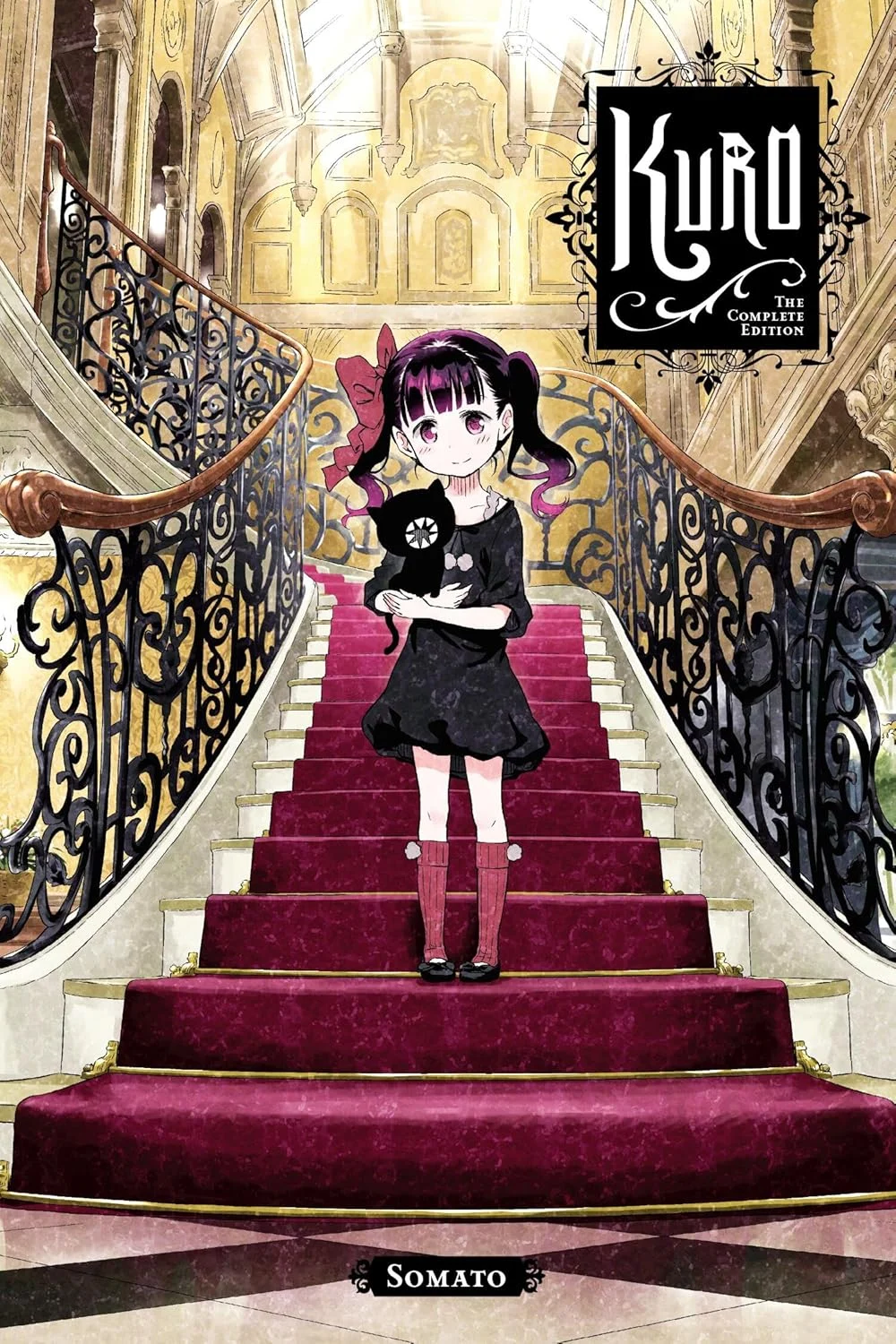
The narrative core of "Kuro" revolves around Coco, a young girl with black hair, living in an isolated manor on the outskirts of town with her devoted black cat, Kuro. The story masterfully begins with an idyllic, almost whimsical portrayal of their daily lives, establishing a sense of innocence and tranquility. However, this initial calm quickly gives way to an escalating sense of unease, a hallmark of Somato’s storytelling. The revelation that strange creatures inhabit the manor and its surroundings, coupled with Coco’s apparent obliviousness to their inherent danger, introduces the first layer of mystery. The most significant early twist—that Kuro is far from an ordinary feline and potentially a monstrous entity that has replaced the original pet—serves as a pivotal moment, fundamentally altering the reader’s perception of the narrative and establishing the pervasive undercurrent of horror.
Somato meticulously constructs a narrative that thrives on gradual revelation. The past events that led to Coco’s isolated existence, the true nature of Kuro, and the origins of the grotesque creatures surrounding the town are unveiled with deliberate pacing. This slow-burn approach allows for a deep immersion into the story’s psychological landscape, building tension and suspense effectively. The relationships Coco forms with the local girls, Maria and Milque, are explored with depth, evolving significantly as the hidden truths come to light. Similarly, the enigmatic figure of the doctor, who also serves as the Keeper of Flowers, adds another layer of intrigue. His multifaceted role and cryptic actions contribute to the overarching mystery, eventually revealing crucial connections to Coco’s past and the supernatural forces at play. This intricate web of characters and their evolving dynamics enriches the narrative, transforming what begins as a simple tale into a complex exploration of identity, memory, and perception.
Thematic Resonance: Exploring Trauma, Identity, and Societal Fears
Beyond its compelling plot, "Kuro: The Complete Edition" delves into profound thematic territories, enriching its narrative with layers of social and psychological commentary. The story expertly addresses the themes of trauma and memory, particularly through Coco’s fragmented childhood recollections. The gaps in her memory are not merely plot devices but serve as a metaphorical representation of the mind’s protective mechanisms against traumatic experiences. As buried memories surface, the narrative explores how past events shape present realities and identities, urging readers to question the reliability of perception.
The social dynamics within the nearby town introduce themes of trust, suspicion, and prejudice. The townspeople’s varied reactions to Coco, ranging from kindness to outright suspicion, mirror real-world societal responses to the unknown or the ‘other.’ This aspect of the story subtly comments on issues akin to racism and segregation, where differences—whether perceived or real—lead to fear and alienation. The "monsters" in "Kuro" can be interpreted not just as literal threats but also as manifestations of the townspeople’s collective anxieties and fear of the unknown. This allegorical depth elevates the manga beyond a mere fantasy-horror tale, imbuing it with a poignant reflection on human nature and societal constructs. The narrative suggests that fear, when left unchecked, can transform individuals and communities, creating its own brand of monstrosity. The story’s exploration of these complex themes makes it a rich text for analysis, resonating with readers on multiple levels.
Artistry in Motion: Somato’s Distinctive Visual Language
A cornerstone of "Kuro: The Complete Edition"’s appeal is Somato’s extraordinary artwork, which is consistently lauded for its quality and originality. The presentation of Kuro, the black cat, is particularly impressive, evolving from an adorable, innocent companion into a powerful, monstrous entity. This transformation is visually striking and serves as a powerful metaphor for the story’s shifting tone and revelations. The compelling contrast between the horrific events and the inherent cuteness of the young girls—Coco, Maria, and Milque—creates a unique aesthetic tension that carries the narrative from beginning to end. This juxtaposition enhances the sense of unease, as moments of innocent charm are constantly underscored by an lurking darkness.
Somato’s mastery of color and visual storytelling is evident throughout the omnibus. The strategic use of black-and-white chapters for past events provides a stark visual contrast to the majority of the story, which is presented in full color. This deliberate choice not only aids in distinguishing chronological periods but also accentuates the impact of the vibrant, sometimes dark, sometimes exceptionally bright, full-color pages. Additionally, sepia-toned sections further enrich the visual palette, adding an antiquated, dreamlike quality to certain scenes. This meticulous attention to coloring and visual composition highlights the immense effort invested in the artwork, resulting in a multitude of breathtaking and memorable images. Coupled with competent character designs that convey both innocence and hidden depths, and the atmospheric, baroque setting of the isolated mansion, the visual approach is perfectly tailored to the story’s intricate blend of fantasy, mystery, and horror, creating an immersive and unforgettable reading experience.
The Global Reach of Manga: Yen Press and International Distribution
The licensing of "Kuro" by Yen Press for English publication signifies the continued expansion and diversification of the global manga market. Yen Press, a prominent publisher of manga and light novels, has been instrumental in bringing a wide array of Japanese works to Western audiences. Their decision to release "Kuro: The Complete Edition" reflects not only the series’ inherent quality but also a growing demand for unique and thematically rich manga beyond mainstream shonen and shojo titles. The increasing sophistication of Western manga readership, coupled with the success of Somato’s "Shadows House," made "Kuro" a highly anticipated acquisition.
The international distribution of manga has been buoyed by digital platforms and dedicated fan communities, which often champion lesser-known or niche titles, influencing publishers’ licensing choices. The release of "Kuro: The Complete Edition" in May 2026 aligns with a broader industry trend of making complete series available in comprehensive formats, which appeals to both new readers seeking a full story and collectors valuing a definitive edition. This global reach ensures that compelling narratives like "Kuro" can transcend linguistic and cultural barriers, finding new audiences and contributing to the worldwide appreciation of Japanese sequential art. The success of such titles further encourages publishers to invest in diverse content, enriching the global literary landscape.
Legacy and Influence: "Kuro" in Somato’s Oeuvre and Beyond
"Kuro: The Complete Edition" stands as a significant work within Somato’s growing body of acclaimed manga. While "Shadows House" may be their most widely recognized series, "Kuro" demonstrates the early brilliance and foundational elements of their unique storytelling style. The themes of hidden identities, mysterious pasts, the uncanny, and the blurred lines between innocence and monstrosity are all present in "Kuro," showcasing a consistent artistic vision that would be further refined in subsequent works. For fans of "Shadows House," "Kuro" offers a fascinating glimpse into the evolution of Somato’s narrative techniques and visual motifs, providing deeper context to their later creations.
The impact of "Kuro" extends beyond Somato’s personal legacy. It exemplifies the potential of web manga as a platform for innovative storytelling and artistic expression. Its critical recognition and successful transition to print and international markets highlight the dynamic interplay between digital and traditional publishing. As a genre-blending work, "Kuro" contributes to the ongoing evolution of fantasy, mystery, and horror manga, proving that these genres can be intricately woven together to create profound and thought-provoking narratives. Its exploration of complex psychological and social themes, combined with its distinctive art style, positions "Kuro" as a work that challenges conventions and leaves a lasting impression on its readers.
Conclusion: An Essential Read for Discerning Manga Enthusiasts
"Kuro: The Complete Edition" is unequivocally an outstanding omnibus, showcasing storytelling and artwork of the highest caliber. Its intricate plot, deep thematic explorations, and stunning visual presentation combine to create a truly immersive and unforgettable reading experience. From its humble beginnings as a web manga to its triumphant release as a comprehensive collected edition, "Kuro" has captivated audiences with its unique blend of charm and dread. For enthusiasts of psychological horror, intricate mysteries, and visually rich fantasy, this complete edition is not merely recommended but essential reading. It stands as a testament to Somato’s masterful ability to craft a narrative that is both profoundly unsettling and deeply moving, solidifying its place as a significant contribution to contemporary manga.