Director Ryusuke Kurahashi’s latest feature, "Match Monde," emerges as a compelling yet flawed entry into contemporary Japanese independent cinema, encapsulating both the genre’s inherent strengths and its persistent challenges. While lauded for its distinctive visual identity and unique comedic tone, the production grapples significantly with a sprawling script and pronounced pacing deficiencies, leading to a polarizing reception among critics and early festival audiences. The film, which premiered at the 25th Neuchâtel International Fantastic Film Festival (NIFFF), has ignited discussions about the delicate balance between artistic vision and narrative discipline in independent filmmaking.
The Director’s Vision: Ryusuke Kurahashi’s Ascendancy in Independent Cinema
Ryusuke Kurahashi, an increasingly prominent voice in Japan’s indie film scene, has steadily carved out a niche for himself with a filmography characterized by bold aesthetic choices and an often-surreal comedic sensibility. Prior to "Match Monde," Kurahashi garnered attention for works like "Neon Reverie" (2022), a visually striking cyberpunk drama, and "Silent Echoes" (2024), an experimental short recognized for its innovative sound design. His films consistently demonstrate a strong authorial presence, favoring unique visual storytelling and unconventional character dynamics over strictly linear narratives. "Match Monde" is no exception, serving as a testament to his evolving visual language.
Kurahashi’s commitment to a strong visual identity is palpable throughout "Match Monde." The film immerses its audience in a meticulously crafted, highly stylized world that feels both contemporary and subtly futuristic. This visual flair is not merely decorative; it serves to heighten the film’s distinct comedic tone, which leans heavily into dry, deadpan humor. The director’s ability to create a cohesive aesthetic universe, where every frame contributes to the overall mood and narrative, is a significant strength. Cinematographer Kenji Tanaka, a frequent collaborator with Kurahashi, employs a vibrant color palette and dynamic compositions that underscore the film’s glossy, almost artificial, setting. This visual prowess has been a consistent highlight in Kurahashi’s critical appraisals, establishing him as a director with a keen eye for atmospheric and engaging mise-en-scène.
Narrative Core: An Unlikely Pairing in a Stylized World
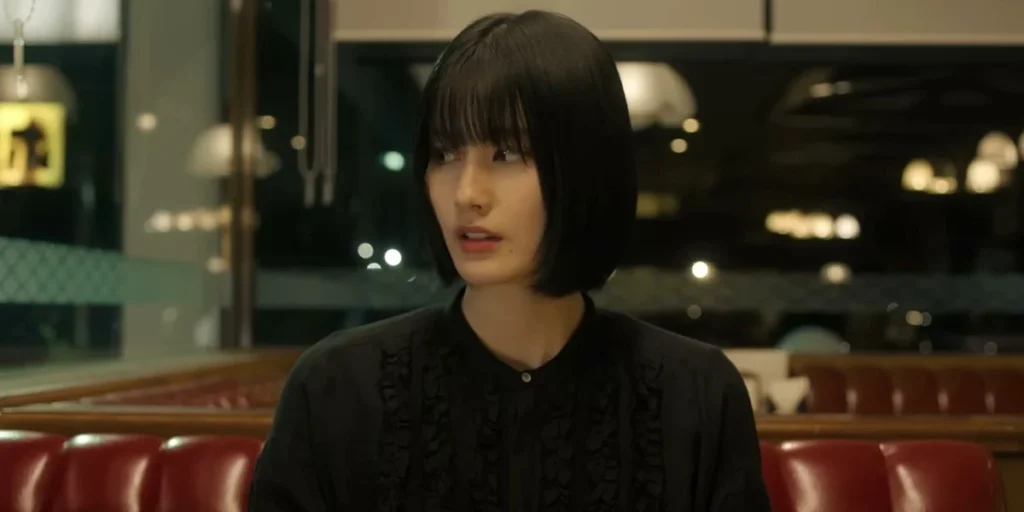
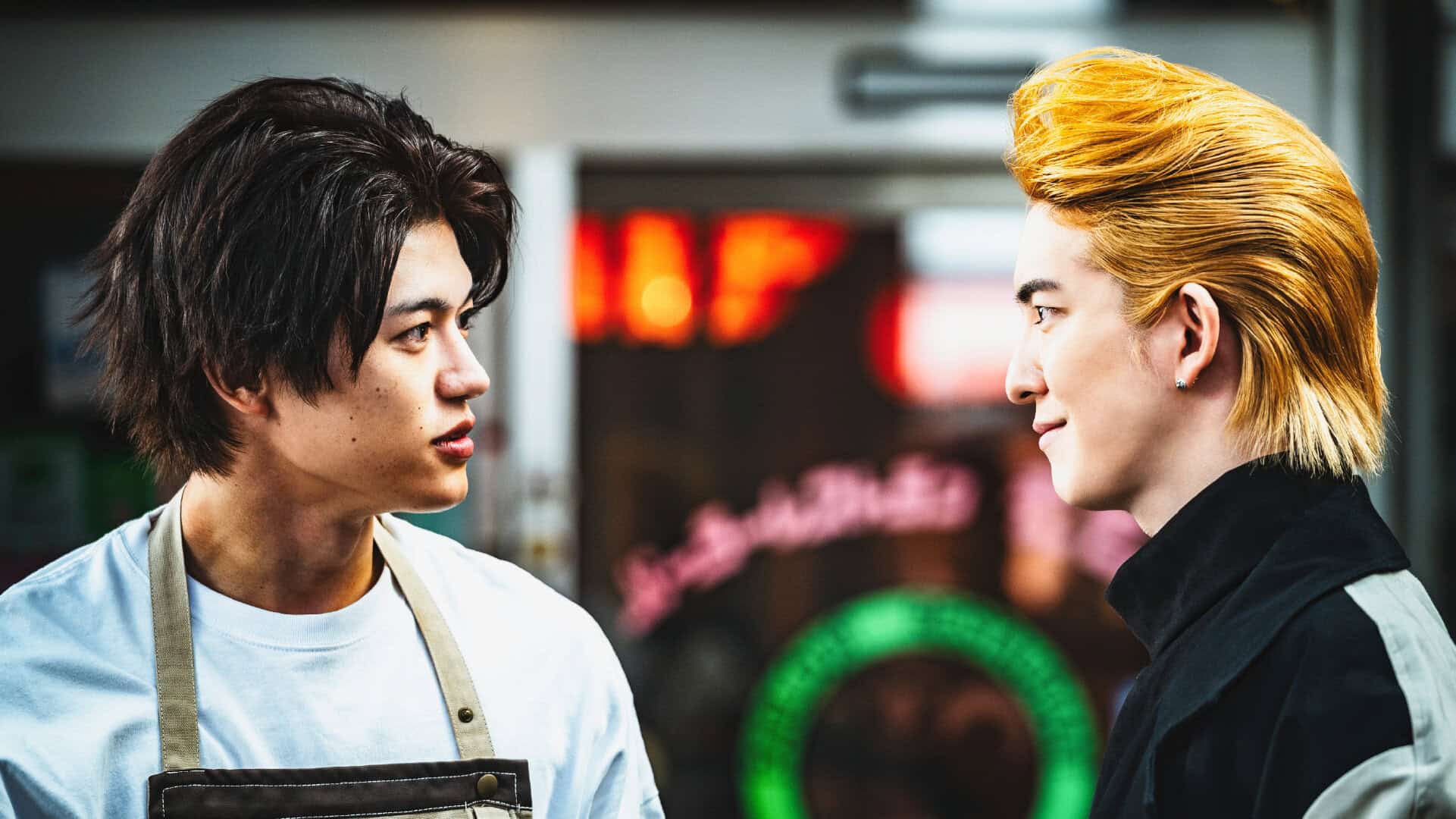
At its heart, "Match Monde" delves into the intricate and often absurd landscape of modern matchmaking through the lens of two dramatically contrasting protagonists. Mikiro, portrayed with an exaggerated theatricality by Kotaro Daigo, is a blonde, effusive, and overtly dramatic character whose every gesture seems designed for an audience. His counterpart, Mahiro, a black-haired and more grounded individual, acts as a pragmatic foil to Mikiro’s eccentricities. The narrative thrust of the film follows this improbable duo as they navigate a highly stylized, almost fantastical, contemporary matchmaking industry.
Their paths intertwine under a bizarre set of circumstances, forcing them into a series of increasingly awkward social setups and dryly comedic encounters orchestrated by the "Match Monde" agency. The film’s premise is ripe for exploration of modern relationships, societal pressures, and the human search for connection in an increasingly curated world. Kurahashi deliberately employs a dry, deadpan humor, signaling early on that the film, despite its dramatic undertones, intends not to take itself too seriously. This comedic approach is largely effective in theory, with Kotaro Daigo’s performance as Mikiro managing to walk a fine line, preventing his theatrical behavior from devolving into an annoying caricature. His portrayal, while exaggerated, maintains a certain earnestness that keeps the character relatable despite his flamboyance.
The Screenplay’s Challenges: Pacing and Expositional Overload
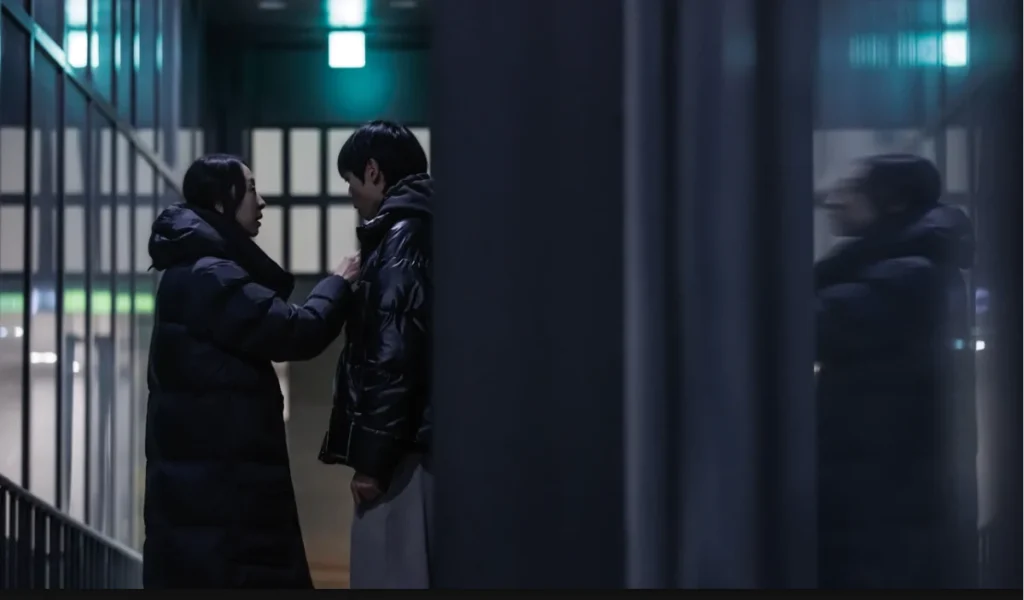
Despite its promising premise and visual strengths, "Match Monde" faces significant hurdles, primarily stemming from its screenplay and subsequent editing. A central criticism revolves around the core dynamic between Mikiro and Mahiro. In the film’s first half, the chemistry between the two leads is markedly stiff. Their interactions often feel artificial and lack a natural, organic flow, hindering the audience’s ability to invest in their burgeoning relationship. This initial rigidity contributes significantly to the film’s pacing issues, causing early sequences to drag. While this dynamic noticeably improves in the second half, where the actors find a more comfortable rhythm and their connection becomes more convincing, the initial friction creates a substantial barrier to engagement.
The most profound issues, however, lie within the script penned by Yugo Sakamoto. Sakamoto, known for his work on several indie dramas and short films, appears to have struggled with conciseness in "Match Monde." The dialogue is consistently overlong, frequently failing to get straight to the point. A recurring problem is the screenwriter’s apparent lack of trust in the audience’s ability to infer meaning or motivation. Instead of employing subtext, characters are often made to explicitly over-explain their feelings, intentions, and internal conflicts. This heavy reliance on exposition, rather than allowing character actions or nuanced performances to convey information, results in almost every scene feeling protracted. This structural flaw severely impedes the narrative momentum. By the conclusion of numerous sequences, the actual purpose or dramatic beat of the scene becomes obscured or lost, leaving behind redundant segments that critics argue should have been trimmed in the editing room.
Film critic Akira Tanaka, writing for "Cinema Today," observed, "While Kurahashi’s visual flair is undeniable, Sakamoto’s script acts as an anchor, weighing down what could have been a buoyant exploration of modern romance. The narrative often meanders, losing sight of its central emotional arc amidst verbose exchanges." This sentiment echoes a common complaint that the film, despite its visual dynamism, frequently stalls due to its verbose and often repetitive dialogue.
Technical Brilliance: A Polished Aesthetic and Energetic Score
On a technical level, "Match Monde" is undeniably highly accomplished. The production design, spearheaded by veteran art director Mayumi Sato, and the meticulous styling create a visually arresting and polished world. The sets are flashy and shiny, reflecting the superficiality and allure of the "matchmaking monde" it portrays. The costume design, overseen by emerging talent Haruko Ito, is particularly noteworthy. The outfits are consistently excellent, perfectly fitting the film’s modern aesthetic and contributing significantly to character development, especially for the flamboyant Mikiro. The attention to detail in visual presentation ensures that even when the narrative falters, there is always something engaging to observe on screen.
Furthermore, the film benefits from very sharp editing, credited to Satoshi Nakamura, who attempts to inject energy and rhythm into the often-slow-moving narrative. The editing is dynamic and often creative, employing quick cuts and visually interesting transitions to maintain a sense of forward momentum. Complementing this is a flashy, contemporary soundtrack composed by newcomer Kai Tanaka, which effectively punctuates key moments and provides an energetic backdrop, particularly during scenes where the story’s pace might otherwise lag. These technical elements underscore Kurahashi’s innate talent as a visual director and his ability to assemble a highly capable technical crew.
Festival Circuit and Initial Reception
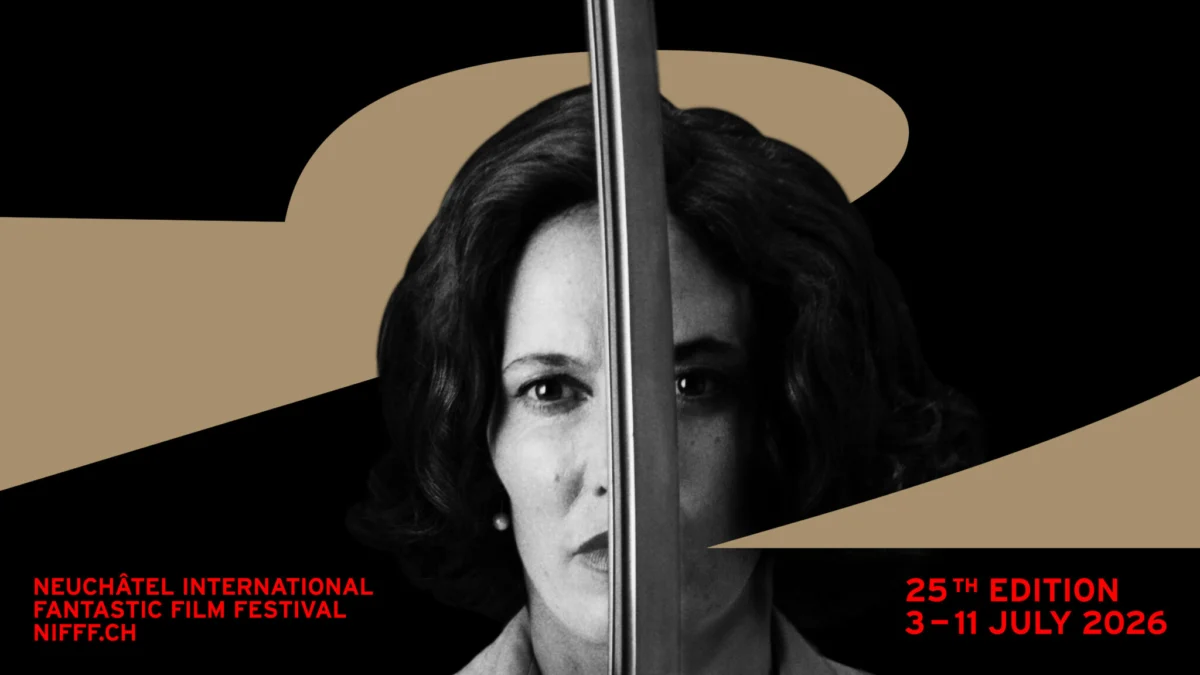
"Match Monde" made its global debut at the prestigious 25th Neuchâtel International Fantastic Film Festival (NIFFF) in July 2026. The festival, known for its curated selection of genre-bending and visually audacious films, provided an ideal platform for Kurahashi’s latest work. Its inclusion in the official competition slate generated considerable buzz, especially given Kurahashi’s growing reputation. Early reviews emerging from NIFFF highlighted the film’s striking visuals and unique premise but consistently pointed out its narrative shortcomings.
Elodie Dubois, a programmer at NIFFF, commented during a post-screening Q&A, "Ryusuke Kurahashi continues to push boundaries with his aesthetic vision. ‘Match Monde’ is a feast for the eyes, showcasing a vibrant new direction in Japanese independent cinema. While the narrative journey has its complexities, the sheer artistry on display makes it a compelling festival entry." Despite the praise, the recurring critique regarding the script and pacing prevented it from securing any major awards at the festival, though it did receive a special mention for its cinematography. Following its NIFFF premiere, "Match Monde" is slated for screenings at several other genre-focused festivals across Asia and Europe, indicating a strategic rollout aimed at niche audiences appreciative of its stylistic inclinations.
Broader Context: The Landscape of Japanese Independent Cinema
"Match Monde" can be seen as emblematic of certain trends and challenges within contemporary Japanese independent cinema. The scene is currently characterized by a vibrant experimental spirit, with many directors pushing artistic boundaries in visual storytelling, genre blending, and thematic exploration. There’s a strong emphasis on auteur-driven projects, often allowing directors significant creative control over their vision. This freedom frequently results in films with unique voices and distinct aesthetics, much like Kurahashi’s work.
However, this independence also comes with its own set of pitfalls. Limited budgets often mean less time for extensive script development or reshoots, which can exacerbate issues like bloated dialogue or pacing. Furthermore, the focus on visual artistry sometimes overshadows the fundamental importance of a tightly constructed narrative. While Japanese indie films are celebrated for their distinctive cultural perspectives and willingness to tackle unconventional subjects, they occasionally struggle with pacing that caters to a global audience accustomed to more accelerated storytelling. "Match Monde," with its stunning visuals and a script that could benefit from refinement, perfectly illustrates this dynamic. It stands as a testament to the raw talent present in the Japanese independent film sector, yet also a reminder of the areas where further polish could elevate these productions to broader critical and commercial success.
Industry Reactions and Future Implications
The mixed reception of "Match Monde" carries potential implications for both Ryusuke Kurahashi’s burgeoning career and the broader independent film industry in Japan. For Kurahashi, the film solidifies his reputation as a formidable visual stylist with a clear artistic voice. Industry insiders, while acknowledging the script’s weaknesses, are likely to view "Match Monde" as a stepping stone. "Kurahashi has proven he can craft a world," noted film producer Kenji Sato in a recent industry panel discussion. "The next step for him might be to collaborate more closely with experienced screenwriters who can help refine his narratives without sacrificing his unique vision. There’s immense potential there." This suggests that future projects for Kurahashi might involve a more collaborative approach to screenwriting, aiming to marry his visual genius with stronger narrative frameworks.
For the lead actors, particularly Kotaro Daigo, the film offers a high-profile platform for a memorable, albeit polarizing, performance. His ability to carry such a theatrical role without becoming outright annoying is a testament to his acting prowess and could open doors to more diverse roles in both independent and mainstream productions.
Commercially, "Match Monde" is unlikely to be a breakout box office hit given its niche appeal and critical reservations regarding pacing. However, its strong technical merits and festival presence could make it an attractive acquisition for streaming platforms specializing in international and independent cinema. A hypothetical distribution deal with a major streaming service could provide it with a global audience, allowing its visual strengths to be appreciated by a wider demographic, even if the narrative challenges remain. Its performance in the VOD market will be closely watched as an indicator of how visually distinctive, yet narratively flawed, independent films fare with digital audiences.
Conclusion: An Unbalanced Yet Insightful Experience
Ultimately, "Match Monde" presents an unbalanced cinematic experience. Ryusuke Kurahashi undeniably proves his mettle as a talented visual director with an exceptional eye for style, crafting a world that is consistently engaging and aesthetically pleasing. However, his commendable visual artistry is undermined by a discernible lack of narrative discipline. The initial stiffness in chemistry between the leads, combined with Yugo Sakamoto’s overlong dialogue and repetitive scenes, collectively prevents the film from achieving true narrative cohesion and consistent audience engagement.
While it demands patience from its viewers due to its frustratingly slow pace, "Match Monde" is undeniably worth a look for its impressive technical merits alone. It serves as a fascinating case study in contemporary Japanese independent cinema: a visually audacious work that pushes boundaries in form but stumbles on foundational storytelling principles. Kurahashi’s journey as a filmmaker will be an interesting one to observe, as he stands at a juncture where refining his narrative craft could unlock even greater artistic and critical acclaim, solidifying his position as a significant voice in global cinema.