The world of animation is often a realm of fantastical creatures and imaginative storytelling, and few characters have captured the global imagination quite like the Minions. These small, yellow, banana-loving beings, first introduced in the Despicable Me franchise, have spawned their own spin-off films and become a cultural phenomenon. In a recent candid discussion, Pierre Coffin, a director and voice of the Minions, offered insights into the creative process, the enduring appeal, and the future of these beloved characters, particularly in light of the new installment, Minions & Monsters.
The Genesis of Minions & Monsters and its Historical Canvas
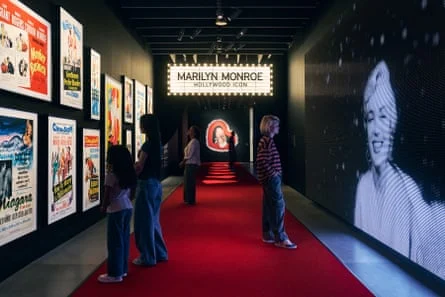
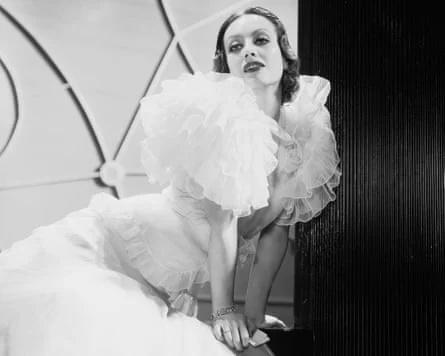
Minions & Monsters deviates from the direct chronological progression of the Despicable Me saga, opting instead for a journey several decades into the past. Coffin explained that the inspiration for this temporal shift stemmed from a desire to explore the golden age of cinema. "From the moment Chris Meledandri suggested making a Minion movie in which the Minions were making a movie," Coffin shared, "I thought it would be cool to have it happen in that era everyone forgets, where cinema became an industry and people like Fritz Lang and Michael Curtiz were migrating from eastern Europe to build studios and create the best movies ever."
This historical setting allowed for a rich tapestry of visual and narrative references. The film draws heavily from the early days of Hollywood, a period characterized by groundbreaking cinematic techniques and the rise of iconic filmmakers. Coffin elaborated on the visual influences, stating, "And the visuals of the time nod to the essence of the Minions. I love highly choreographed stuff and elaborate one-takes. We have nods to Harold Lloyd, Buster Keaton and Chaplin and try to have fun with history by suggesting that certain scenes became iconic thanks to the Minions." This approach not only pays homage to cinematic history but also cleverly integrates the Minions’ chaotic charm into the very fabric of early filmmaking. The choice of this era is significant, as it predates many of the modern animation techniques and storytelling conventions, forcing a creative re-imagining of how the Minions’ antics could be portrayed.
Addressing Fan Queries: Longevity, Reproduction, and Gender
The enduring nature and unique biology of the Minions have been a constant source of fascination for fans. Coffin addressed a direct question about their lifespan: "Yes," he confirmed, unequivocally stating that Minions are immortal. This inherent longevity allows for their presence across vast historical periods, as seen in Minions & Monsters.

The question of reproduction and the potential for a female Minion is a more complex and debated topic within the franchise’s lore. Coffin expressed a nuanced perspective: "I think a female Minion would be the beginning of the end. Universal would want to do it because they’d think it would please all the women out there. But I’m not convinced. If I were a woman, I’d think it was tokenistic. I’m not saying we’re not gonna do it or not try, but maybe it’s not meant to be. Or maybe it is! Who knows." This statement reflects a careful consideration of representation and the potential for misinterpretation.
He further revealed that the creative team had explored concepts involving female Minions in the past. "We did play around with the idea of having the Minions land on this island where there was another tribe who were all, apparently, female. But it didn’t go further than that." Regarding their origin, Coffin offered a definitive answer that eschews biological reproduction: "In my head, female Minions would look exactly the same as male ones. And in terms of how they breed: they don’t. They just are." This suggests a more abstract or perhaps even magical origin for the species, reinforcing their unique and somewhat mysterious nature. This stance aligns with the inherent whimsy of the characters, avoiding a conventional biological explanation that might ground them too much in reality.
The "Gritty Old Man Minion" and the Concept of Aging
Another fan query delved into the possibility of a "gritty old man Minion" type story to conclude the franchise. Coffin promptly dispelled this notion, stating, "Minions don’t age." He acknowledged that while he sometimes draws them in older appearances for personal amusement, it ultimately looks "weird," underscoring the timeless and ageless quality that defines the Minions. This reinforces the idea that their appeal lies in their unchanging, childlike essence, rather than any progression through a typical life cycle. The concept of a Minion aging would fundamentally alter their established identity and the comedic dynamics of the franchise.
Artistic Influences and Cinematic Homages
The artistic vision behind the Minions extends to a deep appreciation for classic cinema. Coffin’s passion for historical filmmaking is evident in Minions & Monsters. The film actively engages with iconic moments and styles from early cinema. Coffin’s personal admiration for figures like Fritz Lang and Michael Curtiz, renowned for their contributions to the early Hollywood studio system, clearly informed the film’s setting and thematic elements.
Furthermore, the film pays homage to the silent era masters. "We have nods to Harold Lloyd, Buster Keaton and Chaplin," Coffin mentioned, highlighting the integration of physical comedy and visual gags that characterized these legendary performers. This deliberate incorporation of classic cinematic techniques serves to enrich the viewing experience for cinephiles while providing a new layer of appreciation for the Minions’ inherent slapstick appeal. The intentional "wobbliness" in certain scenes, as referenced in the context of Breathless, is a direct nod to experimental filmmaking and a playful subversion of cinematic norms, a hallmark of the French New Wave.
The Enigma of Minionese and Linguistic Creativity
The unique language spoken by the Minions, often referred to as Minionese, has always been a subject of curiosity. Coffin clarified that Minionese is not a structured language in the traditional sense. "It doesn’t have a linguistic structure. It has melody," he explained. The effectiveness of Minionese lies in its melodic and rhythmic qualities, which convey emotion and intent rather than precise meaning.
"If a Minion asks a question, it has a melody of a question. If it’s a joke, it has the rhythm of the joke," Coffin elaborated. The creative process involves finding the right melody and then incorporating words, sometimes seemingly random, to enhance understanding or simply for comedic effect. "The secret of the Minionese language is to find the proper melody and add to that melody words to further understand what the sentence is about. Or add Indian dishes or famous singers just for the fun of it." This improvisational approach, while seemingly whimsical, is a carefully orchestrated element of the film’s sound design and comedic timing.
Coffin also revealed the intensive audio recording process. "I do three weeks of audio recording in my house," he stated, noting that he voices the Minions in all territories except China. This process involves refining sounds, correcting unintentional expletives or anatomical references, and adapting the dialogue for different cultural contexts. "Sometimes, we change the nature of the scene because I can’t find the right melody," Coffin admitted, underscoring the intricate and time-consuming nature of developing the Minions’ unique vocalizations. The adaptation for different regions, such as translating "big boss" to "gran jefe" in South America, demonstrates a commitment to cultural relevance within the nonsensical framework of Minionese.
The Enduring Appeal: Individuality Within the Collective
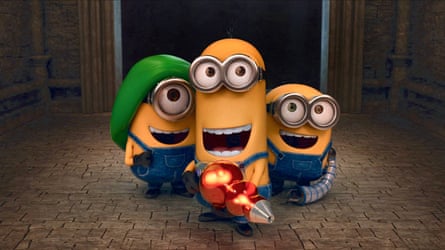
A recurring theme in discussions about the Minions is their distinct personalities, a trait that Coffin actively cultivates. He expressed frustration when fans tend to lump them together, emphasizing that each Minion, particularly the prominent ones, is an individual. "In the first two Despicable Me movies, they’re just a group. But with Minions, we needed three really distinct characters, so we made Kevin, Stuart and Bob: authority, aloofness and naivety."
The introduction of characters like Otto in later installments further illustrates this development. Otto is described as "one of those guys who you ask ‘How’s it going?’ and he then suddenly bursts out with his whole life…." This detailed characterization, even for seemingly minor characters, is a deliberate choice by Coffin and his team. "So there are characters with arcs in the later movies, and I do feel protective and defensive towards them because they’re not critters. They’re not soulless. They’re not things. They are individuals." This deep personal investment in the characters highlights the creative team’s view of the Minions not as mere animated objects but as sentient beings with unique inner lives. The success of the Minions, Coffin believes, lies in this balance: "while they look funny and cool and have a graphic quality to them, they do have souls."
Personal Reflections and Cultural Impact
Coffin’s personal connection to the Minions is evident in his own identification with Stuart, due to their shared love for the ukulele and a perceived aloofness. He even humorously asprures to be a "French nihilist," a persona that loosely aligns with Stuart’s often detached demeanor.
The Minions’ transformation into a global meme phenomenon is something Coffin views with a mixture of amusement and bemusement. "I think it’s cool that people make the Minions their own," he stated. "Sometimes, I find it really funny, sometimes very creepy." He acknowledges that this cultural ubiquity, even when irreverent or outside the intended scope of children’s entertainment, signifies their deep integration into pop culture. This widespread adoption by audiences, for both wholesome and sometimes bizarre meme formats, speaks to the characters’ adaptability and their ability to resonate across diverse cultural landscapes.
The commercial success of the Minions is undeniable, with a vast array of merchandise flooding the market. Coffin admitted to receiving a deluge of free merchandise, to the point where he requested it cease. However, he retains a particular fondness for a specific piece of merchandise: an "evolved fart gun which makes a fart sound when you fire it and emits a sort of vapour that smells like banana." This quirky item, a blend of Minion-esque humor and practical innovation, encapsulates the playful and often absurd spirit that defines the characters and their universe. The existence of such a product, and Coffin’s personal appreciation for it, underscores the unique brand of humor that has made the Minions a global sensation.
A Look Back at Early Career and Future Speculation
Coffin’s career in animation began with significant work in traditional animation. He spent a year working for Steven Spielberg’s Amblimation in London, contributing to films like An American Tail, We’re Back! A Dinosaur Story, and Balto. This period was formative, as it exposed him to high-quality European animation production and ignited his interest in computer animation. His time in London, while productive, also left him with a curious impression of the city. "I loved the Chinese and Indian restaurants in Acton, the place was just a little bit strange to us French people," he recalled, adding a touch of personal nostalgia and cultural observation.
The enduring question for fans remains: what’s next for the Minions? While Coffin hasn’t definitively outlined future projects beyond Minions & Monsters, his continued passion and creative engagement with the characters suggest that their adventures are far from over. The franchise’s ability to continually reinvent itself, drawing inspiration from diverse historical periods and artistic movements, bodes well for its future longevity. The creative team’s willingness to explore unconventional ideas, from potential female Minions to interdimensional crossovers, leaves the door open for a vast array of possibilities, ensuring that the yellow tide of Minion mania will likely continue to wash over audiences for years to come. The franchise has demonstrated a remarkable capacity for evolution, from its origins as supporting characters to its current status as global icons, a testament to the enduring appeal of their unique blend of chaos, innocence, and unwavering loyalty.