Netflix has officially released the high-anticipated first trailer for The Hunchback, Soul of Paris, a gritty new French live-action adaptation of Victor Hugo’s legendary 1831 masterpiece, Notre-Dame de Paris. Known in French as Quasimodo, l’âme de Paris, the film shifts the narrative’s historical timeline and injects a visceral, atmospheric tone driven by political unrest and a public health crisis. Directed by acclaimed French genre filmmaker Jean-François Richet—who recently helmed the Jason Statham action-thriller Mutiny—the film is slated for a global streaming release on Netflix this fall, specifically targeting November 27, 2026.
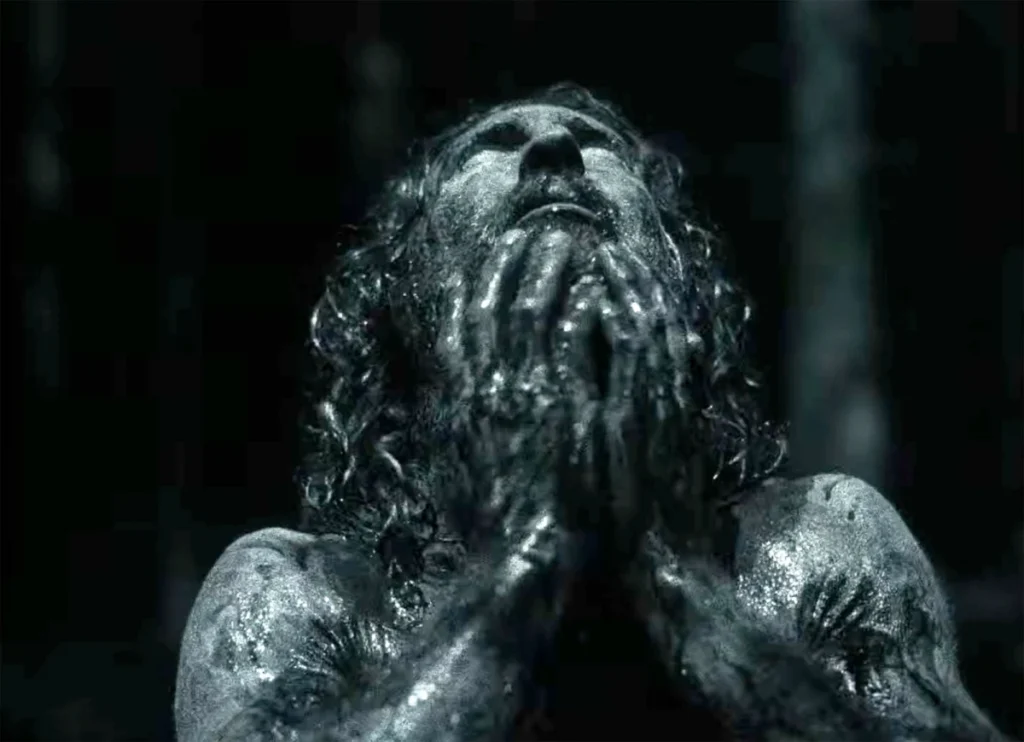
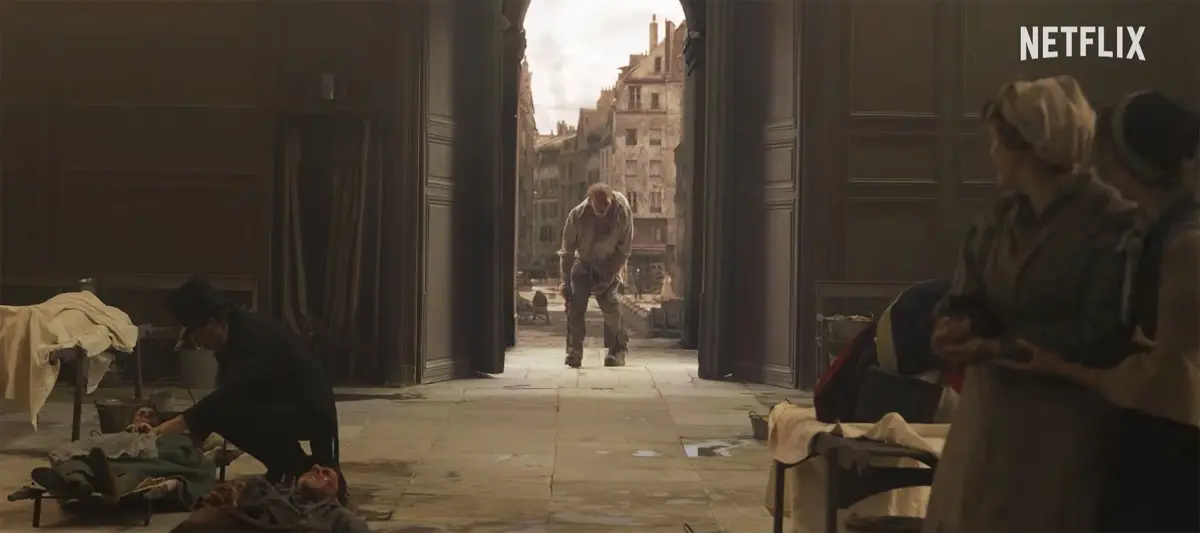
The newly debuted footage introduces iconic French actor Vincent Cassel in a striking transformation as Quasimodo, reimagined here as a hunchbacked stonemason hunted by authorities for medical experimentation. Moving away from the late-medieval setting of the original text, Richet’s adaptation recontextualizes the narrative within the turbulent backdrop of 1830 Paris. As a devastating cholera outbreak threatens to ravage the citizenry amid widespread political revolution, Quasimodo emerges as a figure of medical fascination—noted chillingly in the trailer’s voiceover as the one person who "alone seems to resist the disease." Caught between the crossfire of authoritarian crackdowns and impossible romance, the hunted protagonist risks everything to protect the dancer who has captured his heart, serving as the real-world inspiration for Hugo’s immortal literary creation.
Chronology of Adaptation and Production
The journey of Victor Hugo’s monumental novel from page to screen spans nearly a century of cinematic history. Published in 1831, just one year after the revolutionary setting chosen for Richet’s film, Hugo’s novel was designed to draw public attention to the deteriorating state of Gothic architecture in Paris, inadvertently revitalizing interest in the Notre-Dame Cathedral itself.

Over the decades, the tragic tale of Quasimodo, Esmeralda, and Frollo has been adapted into countless cinematic, theatrical, and animated iterations. Early silent cinema notably embraced the material, highlighted by the definitive 1923 Universal Pictures adaptation starring Lon Chaney as Quasimodo, a performance that cemented the character’s visual legacy in Hollywood lore. Subsequent decades saw prominent retellings, including the acclaimed 1939 RKO version starring Charles Laughton and Maureen O’Hara, and a 1982 television film starring Anthony Hopkins.
Globally, the story achieved its most widespread modern cultural imprint via Walt Disney Animation Studios’ 1996 musical feature The Hunchback of Notre Dame. While Disney’s animated classic softened the narrative’s darker edges for family audiences, recent European cinematic trends have leaned heavily into grittier, historically grounded re-evaluations of classic French literature. France’s cinematic landscape has recently seen a sweeping wave of high-budget, prestige re-adaptations of its foundational literary canon, following the international success of sweeping epics such as The Three Musketeers and upcoming gritty visions of Les Misérables.
Behind the scenes, The Hunchback, Soul of Paris is penned by screenwriters Éric Besnard and Edgar Marie, working from Hugo’s blueprint. The production is spearheaded by producers Clément Miserez and Matthieu Warter, aiming to deliver a visually arresting historical drama that balances grand-scale period aesthetics with intimate, character-driven peril.
Supporting Data and Cast Breakdown
The film boasts a robust ensemble cast of prominent European talent. Alongside Vincent Cassel in the titular role, the production stars Benjamin Voisin, Daphné Patakia, Karim Leklou, Noémie Lvovsky, and Eugénie Richet—daughter of the director—who takes on the role of Cosette, tying a subtle thematic nod to the broader ecosystem of classic French literature into the production.

Jean-François Richet’s directorial pedigree brings a distinct stylistic weight to the project. Richet has built a versatile career shifting between high-octane American action cinema and gritty French crime dramas. His extensive filmography includes the critically lauded two-part biographical crime epic Mesrine: Killer Instinct and Mesrine: Public Enemy No. 1, the 2005 remake of Assault on Precinct 13, Blood Father starring Mel Gibson, the historical drama The Emperor of Paris, and the Gerard Butler-led action film Plane. This deep familiarity with pacing, tension, and grounded realism positions Richet to navigate the dual pressures of a sweeping historical epic and an intense, cat-and-mouse survival narrative.
Official Industry Response and Platform Strategy
Netflix’s acquisition and global distribution of The Hunchback, Soul of Paris underscore the streaming giant’s ongoing strategy to invest heavily in high-end European regional content designed for worldwide appeal. By pairing internationally recognized talent like Vincent Cassel with a globally revered piece of intellectual property, Netflix aims to capture both prestige cinematic audiences and mass entertainment subscribers.
Although formal statements from the cast and crew regarding the deeper thematic layers of the film remain sparse ahead of the promotional press tour, the teaser trailer has already generated substantial online discourse. Film critics and literary enthusiasts have noted the boldness of shifting the timeline to 1830—a year marked by the July Revolution in France—thereby embedding Quasimodo’s personal struggle directly into the socio-political upheaval of the era. The integration of the cholera epidemic further mirrors real-world historical anxieties, adding a claustrophobic, survival-horror element to the traditional romantic tragedy.
Broader Impact and Industry Implications

The release of The Hunchback, Soul of Paris arrives at a fascinating crossroads for literary adaptations in modern media. As audiences experience superhero and franchise fatigue, studios are increasingly turning toward classic public-domain literature, reimagining familiar stories through contemporary, hyper-realistic lenses.
By stripping away the musical numbers and sanitized aesthetics popularized by past generations and instead focusing on the grim historical realities of 19th-century Paris—disease, revolution, class warfare, and institutional persecution—Richet’s film attempts to restore the biting social commentary inherent in Victor Hugo’s original writing.
Furthermore, the film’s November 27 debut places it squarely within the competitive holiday streaming window. This strategic placement suggests that Netflix views the project not merely as a regional release, but as a major prestige tentpole capable of driving engagement during peak viewing months. As the release date approaches, industry watchers will be monitoring whether this gritty, historically grounded approach to a well-worn classic resonates with international audiences, potentially paving the way for further dark re-imaginings of timeless European literature.