The shifting sands of streaming service libraries continue to redefine the digital entertainment landscape as Netflix US prepares to strip its catalog of dozens of high-profile licensed movies and television series throughout November 2026. While the arrival of a new month reliably brings an influx of fresh titles to the platform, the expiration of contractual licensing agreements simultaneously mandates the departure of major studio releases, fan-favorite television shows, and, notably, select platform originals. Subscribers hoping to catch blockbuster movie marathons or complete multi-season television binges face strict countdowns as these titles prepare to exit the service.
The phenomenon of content rotation has become a foundational pillar of modern subscription video-on-demand (SVOD) economics. As traditional media conglomerates continue to prioritize their proprietary streaming ecosystems—such as Paramount+, Peacock, Disney+, and Sony-affiliated distribution channels—third-party licensing windows have noticeably compressed. This strategic shift directly impacts platforms like Netflix, which historically relied on vast libraries of syndicated content to retain subscriber engagement. The preliminary departure roster for November 2026 underscores this ongoing industry fragmentation, highlighting how even globally recognized intellectual property remains subject to the fluid mechanics of distribution rights.
Chronology of Departures: A Wave of Early-Month Exits
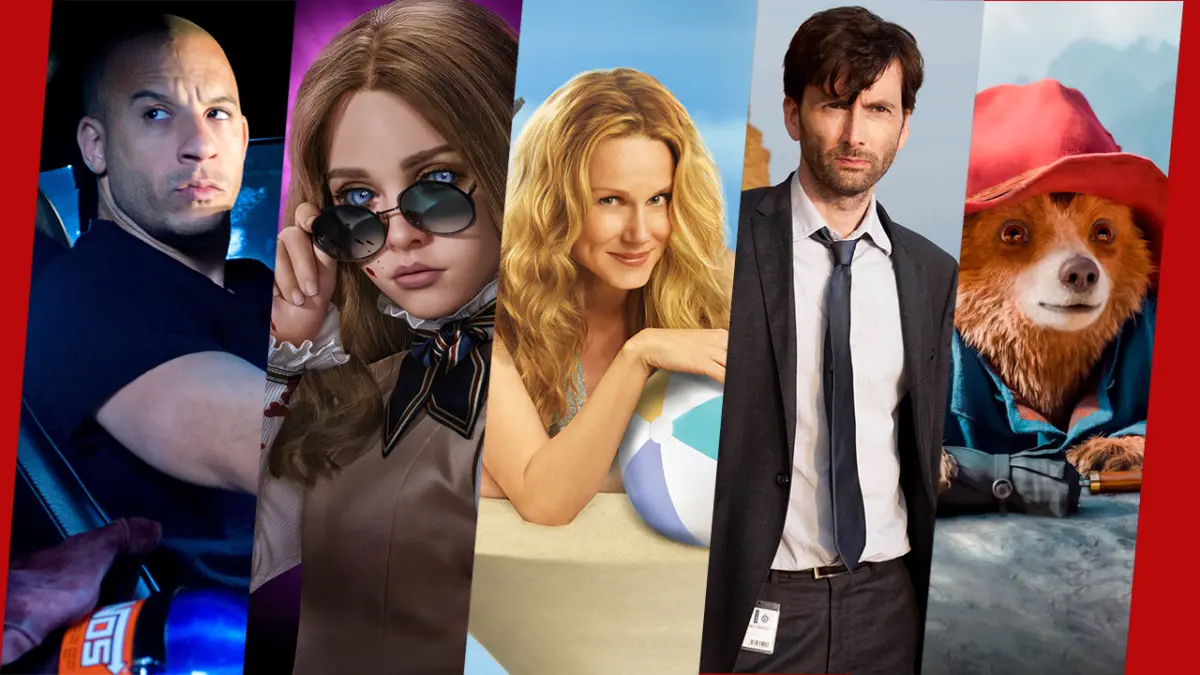
The attrition of content begins immediately on November 1st, initiating what industry observers frequently characterize as a heavy-hitting wave of removals. Action cinema enthusiasts face a substantial reduction in catalog offerings, highlighted by the planned departure of nearly the entirety of the high-octane Fast & Furious franchise. Alongside Dominic Toretto and his crew, Keanu Reeves’ iconic 90s action thriller Speed is scheduled to race off the platform, closing out a long-standing licensing window.
Horror fans are similarly impacted at the stroke of November’s first day. A substantial portion of the enduring Chucky cinematic franchise is slated to pack up its knives and depart the library, forcing enthusiasts of the killer doll to seek alternative viewing avenues. These removals reflect short-to-medium-term licensing agreements typical of major studio catalogues, wherein Universal Pictures and other holding companies periodically pull library titles to leverage them on alternative platforms or transactional video-on-demand (TVOD) services.
As the month progresses, mid-November introduces scheduled exits dictated by contemporary Pay-1 windows. Recent theatrical releases distributed by Sony Pictures—including titles such as the international family adventure Paddington in Peru and the darkly comedic thriller Heart Eyes—will complete their mandated Netflix tenure following their initial theatrical runs and subsequent post-theatrical window on the platform. Universal’s sci-fi horror sequel M3GAN 2.0 is likewise tracking for a mid-month departure, aligning precisely with the standard contractual frameworks that govern studio-to-streaming output deals established in recent years.
Television Casualties and the Myth of Permanent Originals
Television series face an equally rigorous attrition schedule, requiring viewers to commit significant time to active viewing schedules. Mid-November brings the departure of the medical drama The Resident, a staple of network television that found a robust secondary audience on streaming. Additionally, all three seasons of the critically acclaimed British crime drama Broadchurch are scheduled to check out, depriving subscribers of one of the 2010s’ defining mystery series.

Perhaps the most significant development in the November 2026 removal log is the inclusion of several prominent Netflix Originals. Conventional consumer wisdom dictates that content branded with the platform’s proprietary "N" emblem remains permanently housed within the ecosystem. However, production financing structures, co-production agreements, and international distribution rights frequently dictate otherwise.
Notable among these exceptions is the critically lauded dark coming-of-age comedy *The End of the F**ing World, a co-production whose licensing rights revert or expire over time. Similarly, the highly nostalgic Gilmore Girls: A Year in the Life—a revival miniseries produced by Warner Bros. Television—faces removal status based on the complex parameters governing its initial commission and subsequent distribution covenants. These departures serve as a persistent reminder to consumers that digital permanence is an illusion under current intellectual property frameworks, where licensing parameters dictate availability regardless of branding.
Industry Implications and Strategic Shifts in Streaming
The continuous cycle of content additions and subtractions serves a dual purpose within the subscription economy. From a financial perspective, maintaining a static library incurs compounding residual and licensing costs that rarely align with long-term viewership metrics for older titles. Data analytics consistently demonstrate that the vast majority of subscriber engagement is concentrated among fresh platform originals, newly licensed blockbusters, and a small percentage of long-tail catalog staples. Consequently, offloading high-cost or expiring licenses allows streaming platforms to optimize overhead while reallocating capital toward original content production or targeted acquisitions.
Concurrently, this volatility accelerates consumer churn—the rate at which subscribers cancel and renew memberships based on current library offerings. As major studios pull their proprietary libraries to populate dedicated applications, platform diversification forces consumers to navigate an increasingly fragmented media ecosystem. Netflix’s ongoing strategy relies heavily on cultivating self-owned franchises, reality programming, and localized international content to insulate itself against the steady erosion of traditional Hollywood studio licensing agreements.
Methodological Notes and Consumer Guidance
The scheduling details released for November 2026 remain preliminary, serving as an early indicator rather than a definitive catalog freeze. Streaming platforms routinely negotiate extensions, secure retroactive renewals, or adjust removal dates in response to shifting business partnerships and viewer demand analytics. Furthermore, licensing agreements and their corresponding expiration dates frequently vary by geographic region, meaning titles leaving Netflix US may remain accessible in international markets under distinct localized contracts.
Subscribers seeking to mitigate the inconvenience of sudden removals are advised to monitor official platform notifications, which typically append a "Last day to watch" timestamp to affected title pages approximately two weeks prior to expiration. For comprehensive tracking, industry analysts recommend cross-referencing preliminary departure lists with the platform’s contemporaneous arrival logs to gauge the net stability of the service’s monthly catalog balance. As the streaming wars mature into an era defined by fiscal rationalization and profitability metrics, understanding the transient nature of digital libraries remains an essential skill for the modern media consumer.