The Next Best Picture Podcast has released its comprehensive review and discussion of the latest cinematic entry in the DC Universe, Supergirl. Featuring a panel of critics including Matt Neglia, Katie Johnson, Giovanni Lago, Amy Kim, and Larry Fried, the episode provides an exhaustive analysis of the film’s narrative structure, technical achievements, and its pivotal role in the burgeoning DC Studios slate. Directed by Craig Gillespie and written by Ana Nogueira, Supergirl serves as the second theatrical installment in the new DC Universe (DCU), following the groundwork established by James Gunn’s Superman. The discussion centers on the film’s departure from traditional superhero tropes, the performance of lead actress Milly Alcock, and the broader implications for the franchise under the leadership of co-CEOs James Gunn and Peter Safran.
The Evolutionary Timeline of the DC Universe
The release of Supergirl marks a significant milestone in the restructuring of DC’s cinematic presence. The chronology of this project began in late 2022 when Warner Bros. Discovery appointed James Gunn and Peter Safran to lead the newly formed DC Studios. Their mission was to move away from the fragmented storytelling of the previous DC Extended Universe (DCEU) and establish a cohesive, interconnected multi-media narrative.
In January 2023, Gunn announced the first chapter of this new era, titled "Gods and Monsters." Supergirl was identified early on as a cornerstone project, specifically adapted from the critically acclaimed 2021–2022 comic book miniseries Supergirl: Woman of Tomorrow by Tom King and Bilquis Evely. Unlike previous iterations of the character that focused on her arrival on Earth and her adjustment to human life, this production sought to highlight the character’s hardened perspective, shaped by witnessing the destruction of Krypton.
The production timeline saw Milly Alcock cast in early 2024 following her breakout performance in House of the Dragon. Filming commenced shortly after the completion of James Gunn’s Superman, ensuring a streamlined production pipeline for the studio’s first two major features. The podcast panel notes that the proximity of these productions allows for a distinct visual and thematic synergy that was often lacking in previous DC film iterations.
Production Profiles: Creative Vision and Direction
The selection of Craig Gillespie as director was a move industry analysts viewed as a commitment to character-driven storytelling. Gillespie, known for I, Tonya and Cruella, brings a specific stylistic flair that focuses on complex, often defiant female protagonists. The podcast review highlights how Gillespie’s direction balances the high-concept science fiction elements of the script with the intimate, grounded emotional stakes of the characters.
Ana Nogueira’s screenplay is also a primary focus of the discussion. Originally hired to write a Supergirl film under a previous administration, Nogueira was retained by Gunn and Safran to adapt the Tom King source material. The panel discusses how the writing maintains the "cosmic western" tone of the comics, a genre departure that distinguishes the film from the more traditional "hero’s journey" seen in Superman. By focusing on a journey across the stars rather than a story set primarily on Earth, the creative team has expanded the visual and geographical scope of the DCU.
Cast Analysis: Alcock, Schoenaerts, and the Supporting Ensemble
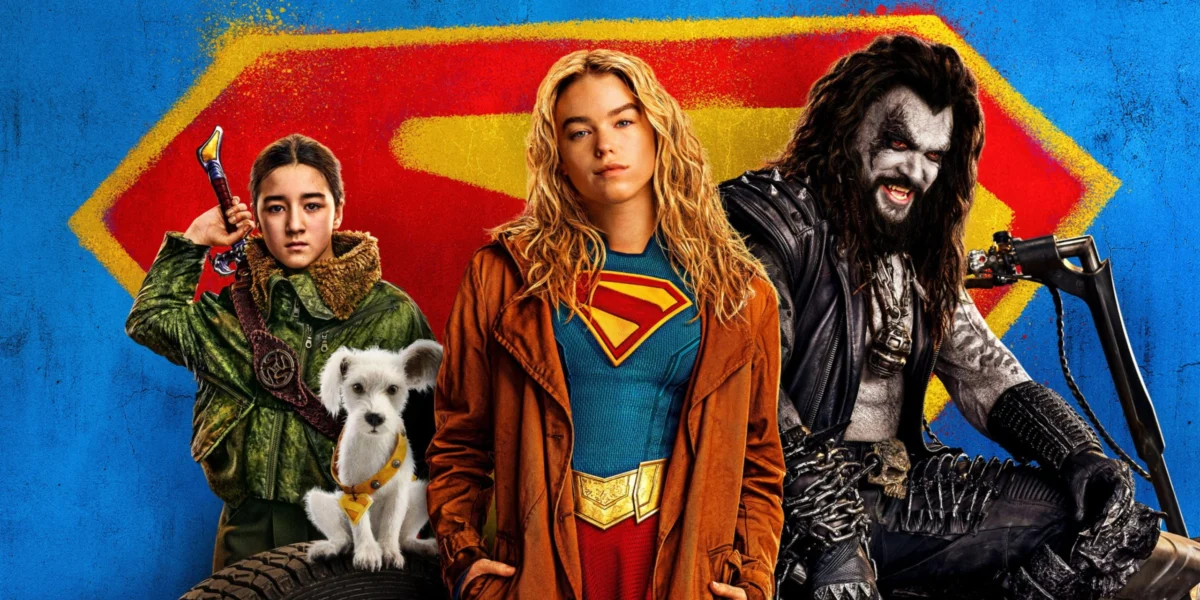
A significant portion of the Next Best Picture review is dedicated to the performances of the ensemble cast. Milly Alcock’s portrayal of Kara Zor-El is described as a transformative turn for the actress. The critics analyze her ability to convey the "world-weariness" of a character who survived the vacuum of space on a fragment of a dying planet. This version of Supergirl is contrasted with the more optimistic Superman, played by David Corenswet, who makes a strategic appearance in the film to solidify the familial and ideological links between the characters.
The supporting cast is equally scrutinized. Matthias Schoenaerts portrays the antagonist Krem of the Yellow Hills, a role that requires a blend of menace and grounded villainy. The panel discusses the effectiveness of his performance in providing a tangible threat that drives the plot forward without overshadowing the character development of the leads. Additionally, the inclusion of Eve Ridley as Ruthye—the young alien girl who recruits Supergirl for a mission of revenge—is noted for providing the film’s emotional anchor.
The podcast also touches upon the roles of David Krumholtz and Emily Beecham, noting how the film utilizes veteran character actors to flesh out the cosmic world-building. These performances contribute to a sense of lived-in reality within the alien environments, a feat the panel suggests is essential for audience immersion in high-fantasy sci-fi.
Technical Execution: Visuals, Action, and Krypto
From a technical standpoint, the review delves into the film’s visual effects and production design. Supergirl utilizes a mix of practical sets and advanced digital environments to recreate the diverse planets visited throughout the narrative. The panel highlights the film’s color palette, which draws heavily from Bilquis Evely’s comic book illustrations, favoring vibrant, otherworldly hues over the muted tones often associated with modern superhero cinema.

The action sequences are described as visceral and high-stakes. Rather than relying solely on "super-powered brawls," the choreography incorporates the environmental hazards of the various alien worlds. A standout point of discussion is the live-action debut of Krypto the Superdog. The critics examine the technical challenges of rendering a CG animal that feels like a natural part of the scene, ultimately praising the emotional resonance the character adds to the story. Krypto serves not just as a companion but as a link to Kara’s Kryptonian heritage, a detail the panel finds particularly effective.
The Lobo Factor: Jason Momoa’s Role in the DCU
One of the most anticipated elements of the film discussed in the podcast is the appearance of Jason Momoa as Lobo. This casting represents a significant shift in the DCU, as Momoa previously headlined the Aquaman franchise in the DCEU. The panel analyzes the implications of an actor playing a completely different high-profile character within the same overarching brand.
Momoa’s Lobo is described as a source of humor and chaotic energy, providing a counterpoint to the more somber tone of Kara’s mission. The critics suggest that his introduction in Supergirl serves as a "proof of concept" for the character’s future solo projects. The discussion revolves around whether the audience will readily accept Momoa in this new, more irreverent role, with the consensus among the reviewers being that his natural charisma aligns well with the "Main Man" persona of the intergalactic bounty hunter.
Awards Season Prospects and Critical Reception
As the Next Best Picture Podcast focuses heavily on the Academy Awards and the broader awards circuit, the panel evaluates Supergirl’s potential during the upcoming awards season. While superhero films are traditionally relegated to the technical categories, the critics discuss whether the film’s strong directorial voice and Alcock’s performance could elevate it into the conversation for more "above-the-line" recognition.
Potential categories identified include:
- Best Visual Effects: Due to the innovative world-building and the seamless integration of Krypto.
- Best Costume Design: For the unique blend of Kryptonian aesthetic and rugged, space-traveling attire.
- Best Makeup and Hairstyling: Specifically for the realization of various alien species.
- Best Original Score: The panel notes the evocative nature of the music in heightening the film’s "cosmic western" atmosphere.
The discussion acknowledges the historical "superhero fatigue" often cited by critics, but suggests that Supergirl’s unique genre-bending approach may insulate it from such criticisms, positioning it as a serious contender in technical fields.
Industry Impact: The Future of DC Studios
The broader implications of Supergirl’s performance are vital to the future of Warner Bros. Discovery’s film division. The podcast panel explores how this film serves as a litmus test for the DCU’s viability. Unlike Superman, which carries the weight of being the flagship character, Supergirl represents the studio’s ability to take a secondary character and craft a compelling, standalone narrative that contributes to a larger universe.
The success of the film is seen as a validation of the "filmmaker-forward" approach advocated by James Gunn. By allowing directors like Gillespie to maintain their unique styles, DC Studios aims to avoid the "formulaic" feel that has plagued other cinematic universes. The panel suggests that if Supergirl resonates with both critics and the box office, it will provide a blueprint for future DCU projects, such as The Authority and Swamp Thing.
Furthermore, the film’s focus on a female lead without falling into traditional origin story tropes is noted as a progressive step for the genre. The panel concludes that by prioritizing emotional depth and genre experimentation, DC Studios is carving out a distinct identity in a crowded marketplace.
About the Next Best Picture Podcast and Evergreen Network
The Next Best Picture Podcast is a prominent voice in film criticism, specifically focusing on the intersection of cinema and the awards season. As part of the Evergreen Podcasts Network, the show reaches a global audience of film enthusiasts, industry professionals, and Oscar voters. The panel’s "spoiler-filled" reviews are designed to provide deep-dive analysis that goes beyond surface-level critiques, offering listeners a nuanced understanding of a film’s construction and impact.
The episode concludes with an invitation for listeners to engage with the content through various platforms, including Apple Podcasts and Patreon, where exclusive ad-free content and additional reviews are available. The participation of diverse voices like Matt Neglia, Katie Johnson, Giovanni Lago, Amy Kim, and Larry Fried ensures a multifaceted perspective on the state of modern cinema and the evolving landscape of the superhero genre.