The television industry turned its collective gaze toward Los Angeles this morning as the Academy of Television Arts & Sciences officially unveiled the nominees for the 78th Primetime Emmy Awards. Announced live by reigning Emmy winners Liza Colón-Zayas of The Bear and Jeff Hiller of Somebody Somewhere—who secured another nomination this year for his guest role in Pluribus—the announcement set the stage for an intensely competitive awards season. The accolades will be distributed across three distinct ceremonies scheduled for September, honoring the pinnacle of achievement in television programming, acting, directing, and writing.
Against the backdrop of a fiercely crowded and culturally expansive television landscape, this year’s nomination tally underscored the continuing dominance of premier streaming platforms and prestige cable networks. Leading the charge were two powerhouse series from HBO Max: the medical drama juggernaut The Pitt, which utterly dominated the drama categories with an astonishing 25 nominations, and the critically acclaimed comedy Hacks, which broke records by securing 24 nominations, marking the most nods ever achieved by a comedy series in a single calendar year. Meanwhile, the limited and anthology series categories were paced by the returning champion Beef, a Netflix production that pulled in 16 nominations following its triumphant inaugural run.
Main Facts and Category Dominance
The sheer breadth of recognition for The Pitt and Hacks established them as the undisputed frontrunners heading into the September ceremonies. The Pitt not only captured the imagination of viewers with its high-stakes medical environment but also galvanized the acting branches, landing half of all nominations across the supporting actor and actress categories. Notably, Patrick Ball, Taylor Dearden, Fiona Dourif, Shawn Hatosy, Gerran Howell, Katherine LaNasa, and Sepideh Moafi all received nods, supplemented by an additional five nominations for guest performers. Noah Wyle, who claimed the trophy for Outstanding Lead Actor in a Drama last year, finds himself back in the running, bolstered by dual recognition as a producer and director on the series.
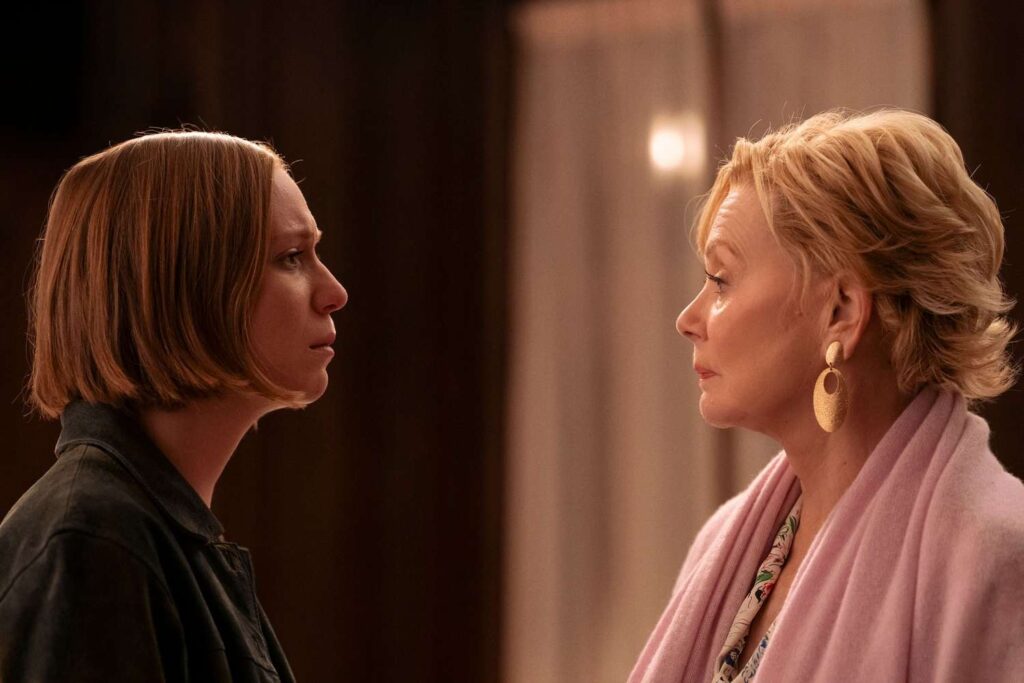
In the comedy arena, Hacks maintained its critical darling status. Jean Smart is widely anticipated to capture her fifth consecutive Emmy Award for her tour-de-force performance as Deborah Vance, while Hannah Einbinder returns in the Outstanding Supporting Actress category, which she won last year. Paul W. Downs, the show’s co-creator and co-showrunner, secured a trifecta of nominations spanning writing, producing, and a supporting acting nod. Megan Stalter earned her career-first nomination for her portrayal of the neurotic assistant Kayla. Furthermore, Hacks completely cornered the market for guest actress in a comedy series, securing five out of the seven available slots for guest stars Leslie Bibb, Cherry Jones, Laurie Metcalf, Kaitlin Olson, and Lauren Weedman.
Apple TV also enjoyed a banner morning, cementing its reputation as a formidable incubator for prestige television. Pluribus, the streamer’s breakout hit from the previous autumn, hauled in 18 nominations across the drama landscape. Concurrently, Widow’s Bay emerged as the undisputed sleeper hit of the summer television slate, fueled by organic word-of-mouth buzz to amass 19 comedy nominations. Veteran performers Rhea Seehorn and Matthew Rhys earned prominent lead acting nods for their respective series, with Rhys managing the rare feat of a second nomination for his work in the limited series The Beast in Me, alongside a producer credit for Widow’s Bay.
Chronology and the Path to the September Ceremonies
With the nomination phase concluded, the television industry officially enters Phase Two of the 78th Emmy season. The timeline moving forward is tightly compressed, designed to build momentum ahead of the high-profile ceremonies in mid-September. Final voting ballots will open in less than six weeks, on August 17, giving Academy members a constrained window to evaluate the sprawling slate of nominated programming.
The awards themselves will be distributed across a multi-night format, breaking tradition with single-night monoliths of the past. Two consecutive Creative Arts Emmy ceremonies will take place in mid-September to honor technical achievements, guest actor categories, and craft disciplines, culminating in the marquee Primetime Emmy Awards ceremony on September 14. This structure allows the Television Academy to comprehensively recognize the thousands of industry professionals whose contributions power modern television, particularly as streaming services and cable networks continue to inflate episode counts and production values.
Campaign strategists for major studios and streamers are already recalibrating their messaging. The sheer volume of content means that voter fatigue remains a genuine hazard for academy members. Studios behind frontrunners like The Pitt and Hacks will focus on maintaining high visibility through FYC (For Your Consideration) events and panel discussions, while campaigns for tighter, highly competitive categories—such as the limited series race featuring Beef, DTF St. Louis, and Love Story: John F. Kennedy Jr. & Carolyn Bessette—must rely on targeted outreach to ensure voters engage with the complete runtime of their respective projects.
Supporting Data and Industry Trends
This year’s nomination statistics reflect larger tectonic shifts in how television is produced, consumed, and rewarded. While traditional broadcast networks and basic cable once anchored the Emmy telecast, the 78th iteration underscored the near-total hegemony of subscription streaming platforms. HBO Max, Netflix, and Apple TV accounted for the vast majority of top-tier nominations, leaving traditional networks fighting for fractional representation.
Consider the landscape of limited and anthology series, which has evolved into a premier destination for Hollywood movie stars. Netflix’s DTF St. Louis performed exceptionally well with 13 nominations, drawing heavily on a starry ensemble that earned supporting nods for Jason Bateman, Linda Cardellini, David Harbour, Richard Jenkins, and Joy Sunday. Similarly, Apple TV’s new entries proved that massive budgets coupled with targeted marketing can yield immediate awards-season validation.
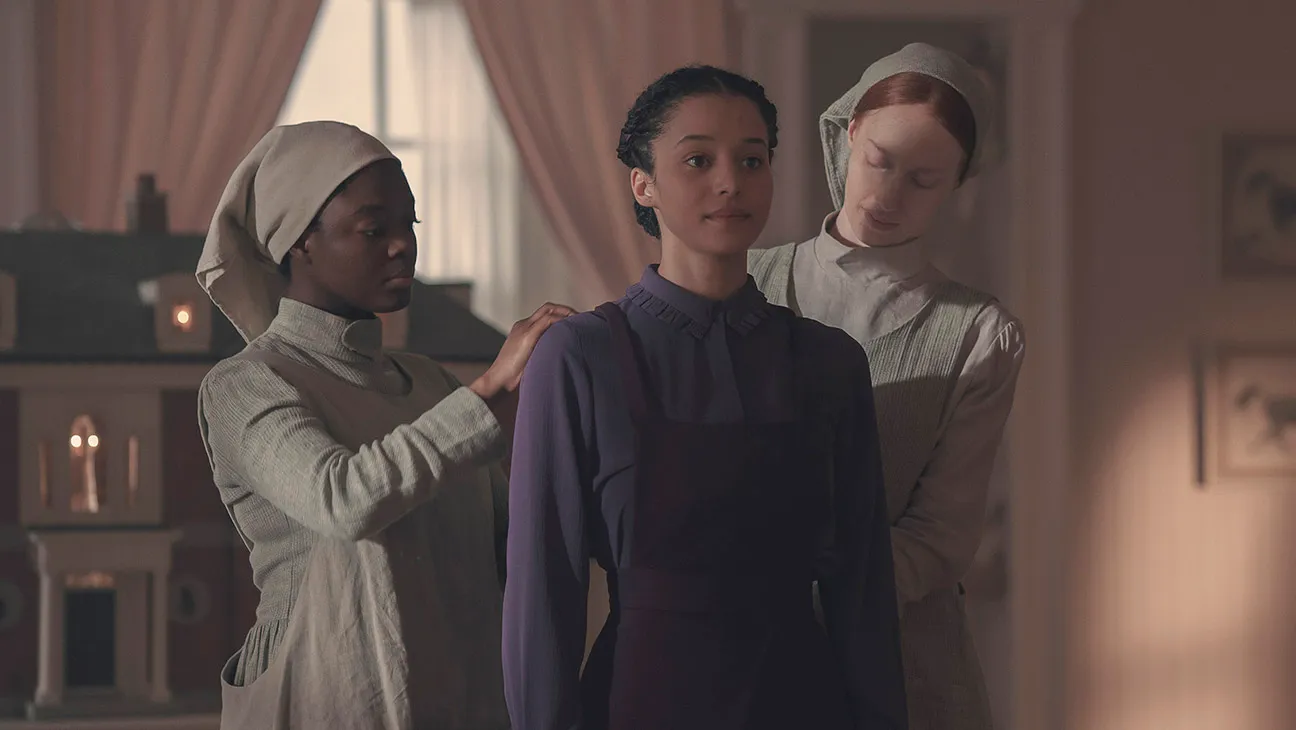
However, the nomination data also highlights curious anomalies in voter behavior. Several critically acclaimed performances by major stars—such as Chase Infiniti in The Testaments, Zendaya in Euphoria, Lisa Kudrow in The Comeback, Steve Carell in Rooster, and Mark Ruffalo alongside Tom Pelphrey in Task—earned individual acting nods despite their parent series failing to secure nominations in the coveted Outstanding Drama or Comedy Series categories. This phenomenon demonstrates that the acting branch of the Academy frequently prioritizes standalone craft over overall series popularity, a trend that can complicate prognostications for the top program awards.
Official Responses and Industry Reactions
Behind the scenes, studio executives and creators responded to the morning’s announcements with a mix of elation and calculated diplomacy. While public statements from winning showrunners universally expressed humility and gratitude toward the Academy, industry insiders noted that the distribution of nominations has significant financial implications for talent renewals and future platform budgets.
For platforms like Apple TV, securing robust tallies for sophomore and freshman series like Pluribus and Widow’s Bay validates their aggressive pivot toward prestige content curation. Representatives for the streamer issued statements emphasizing the collaborative spirit of the creative teams, pointing to the recognition of lesser-known supporting players—such as Carlos-Manuel Vesga and Karolina Wydra from Pluribus, and Kate O’Flynn from Widow’s Bay—as proof of a deep bench of talent that extends far beyond top-billed marquee names.
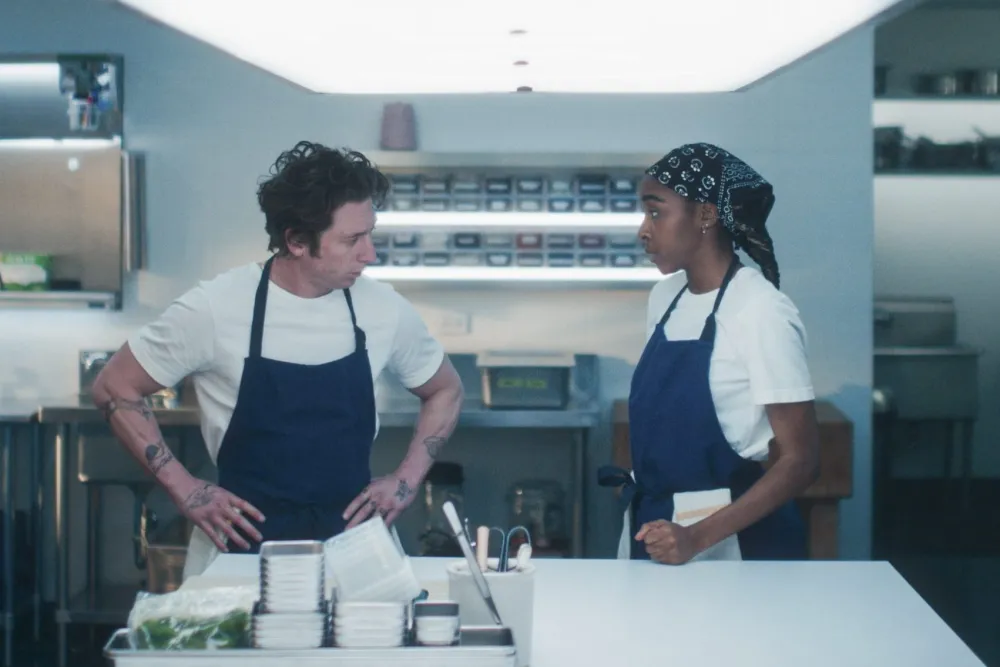
Conversely, the morning was marked by high-profile snubs that sent shockwaves through industry trade circles. Most notably, FX’s cultural phenomenon The Bear saw a dramatic contraction in its nomination footprint. Although the series secured a nomination for Outstanding Comedy Series, only three performers were recognized in the acting categories: previous winners Ayo Edebiri and Jamie Lee Curtis, alongside a poignant posthumous nomination for Rob Reiner for his guest work. The notable omission of previous multi-winners Jeremy Allen White and Ebon Moss-Bachrach led analysts to suggest that the Academy is actively looking to refresh the comedy field, even as the show’s fifth and final season—released on Hulu in June—remains eligible for next year’s 79th Emmys.
Other notable exclusions included Netflix’s Beef, which missed out on acting nominations for Cailee Spaeny and Song Kang-ho despite dominating the anthology categories overall. Abbott Elementary’s Sheryl Lee Ralph was bypassed by voters while her costars Quinta Brunson, Janelle James, and Tyler James Williams successfully retained their positions in the race. Meanwhile, HBO’s buzzy financial drama Industry was entirely shut out, continuing its historical struggle to capture the collective attention of older voting cohorts within the Academy.
Producers of the Canadian-produced romance Heated Rivalry faced a procedural hurdle rather than a snub; the series was ruled technically ineligible for submission under international co-production guidelines, though breakout star Connor Storrie managed to secure a lone guest actor nomination for hosting Saturday Night Live. Meanwhile, prolific creator Taylor Sheridan maintained his perplexing streak of Emmy shutouts, receiving zero nominations despite commanding a vast empire of high-viewership series across various networks, including Dutton Ranch, Landman, The Madison, Mayor of Kingstown, and Tulsa King.
Broader Impact and Implications
The 78th Emmy nominations serve as a definitive health check on the television industry during a period of economic contraction and structural reorganization. Following years of "Peak TV" excess marked by runaway budgets and ballooning content volume, major media conglomerates have spent the past twenty-four months re-evaluating production volume. The result, as reflected in this year’s ballot, is a more concentrated tier of elite prestige programming where fewer, heavily polished titles capture the lion’s share of critical attention.
The dominance of established formats like Hacks and The Pitt suggests that risk aversion is influencing studio greenlight decisions, yet the breakout success of freshman comedy Widow’s Bay proves that audiences and voters retain an appetite for fresh, distinct narrative voices. As the industry looks toward the final voting window in August and the ceremonies in September, the stakes are remarkably high. For the victorious series, an Emmy sweep translates directly into global streaming longevity, cultural cachet, and lucrative syndication value. For the contenders who fell short, the morning serves as a sobering reminder of the fierce competition defining the modern golden age of television.