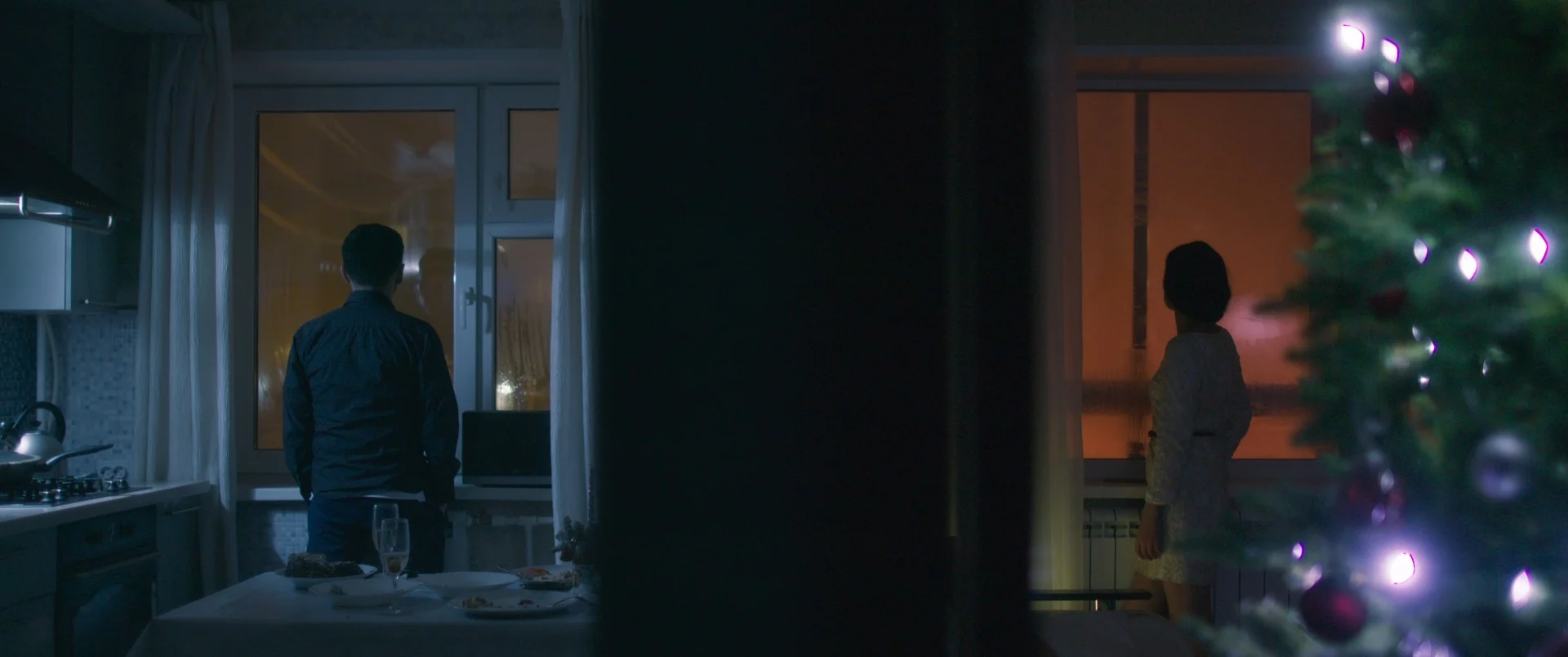
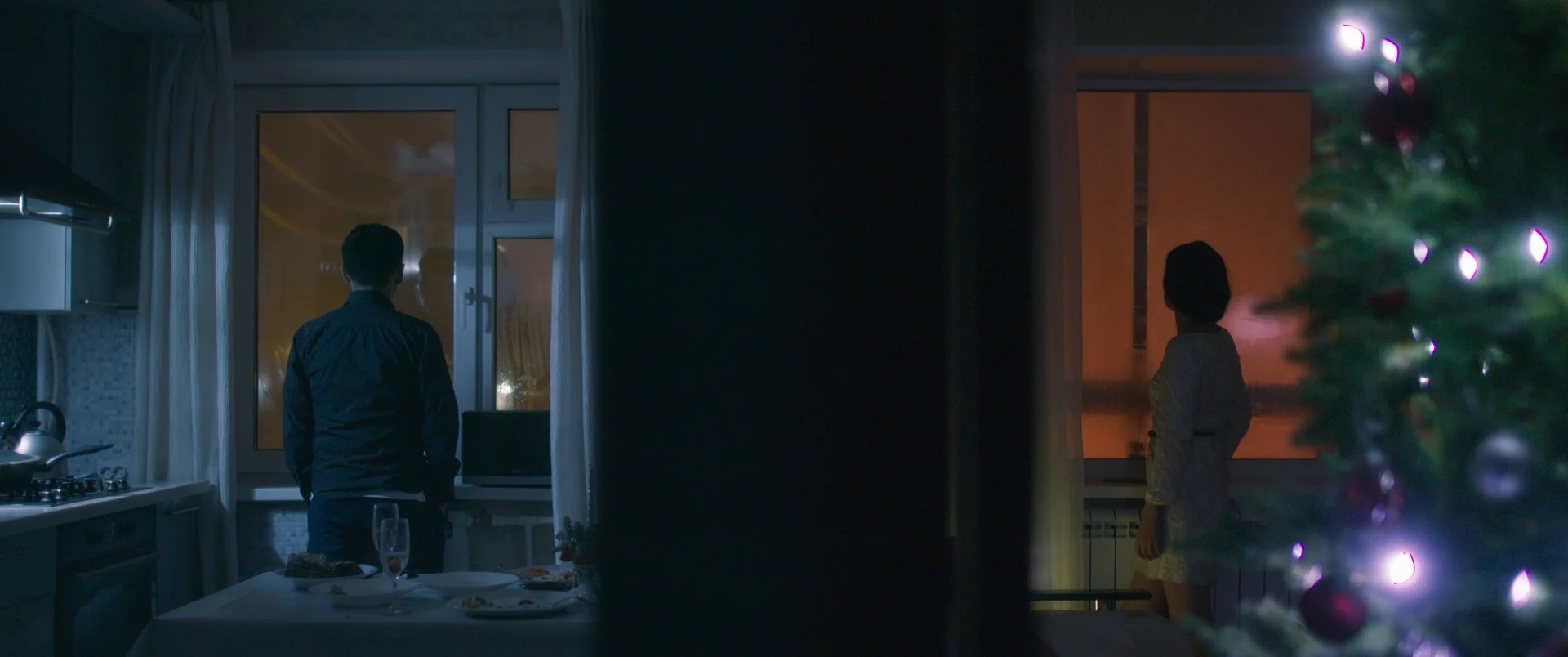
The narrative of "Our Winter" meticulously unpacks the gradual erosion of a relationship that began with unconventional ideals. Lida and Dima embarked on their marital journey ten years prior, consciously choosing a childfree lifestyle, prioritizing individual aspirations and a life lived for themselves over traditional family structures. However, as the years progressed, their shared vision began to fray under the weight of accumulating minor disagreements, unspoken frustrations, and increasingly divergent ambitions. Both protagonists arrive at a painful realization: they suspect they have chosen the wrong partner, believing their marriage has inadvertently stifled their personal growth and prevented the realization of their individual potential.
A Deep Freeze on Love: Synopsis and Thematic Exploration
The core of "Our Winter" lies in its poignant portrayal of a marriage reaching its inevitable conclusion. The couple ultimately decides to divorce, perceiving separation as the only logical resolution to a union that has seemingly lost its intrinsic purpose. The initial stages of their divorce proceed with an almost unsettling calm; the legal processes and the division of their shared property are handled without significant conflict. Both Lida and Dima anticipate a newfound freedom, eager to rekindle abandoned dreams and embark on fresh chapters in their lives.
Yet, the film masterfully subverts these expectations. Once physically apart, Lida and Dima confront a stark reality: the imagined liberation does not alleviate their profound dissatisfaction. Their separation, rather than providing the promised solace, forces a crucial introspection. They are compelled to re-evaluate whether their marriage was truly the sole source of their unhappiness, or if their individual struggles were merely projected onto their partnership. This realization pushes them to confront personal problems they had previously attributed to one another, highlighting a universal truth about self-accountability in the aftermath of a failed relationship.
Burnashev’s direction in "Our Winter" is characterized by a remarkable restraint, allowing the complexities of marital collapse to unfold with a raw, almost documentary-like realism. The film adeptly illustrates the subtle, yet profound, transformation of love into a quiet resentment, eventually culminating in an emotional chasm between two individuals who once shared an intimate bond. The narrative avoids assigning blame, acknowledging the genuine affection that once existed between Lida and Dima. Instead, it posits that the relentless pressures of everyday life, professional setbacks, and the often-unspoken expectations of society gradually erode these initial emotions, pushing them into the background as both husband and wife become consumed by their individual challenges.
Behind the Lens: Production in Extreme Conditions
The production of "Our Winter" is as compelling as its narrative, with the extreme climate of Yakutsk serving not merely as a backdrop but as a palpable character in itself. Filming in temperatures that plunged to minus 56 degrees Celsius presented formidable logistical and creative challenges. Crew members and actors had to contend with specialized equipment necessary to withstand the cold, shortened filming days due to limited daylight, and the constant threat of frostbite. This arduous environment, however, imbues the film with an unparalleled sense of authenticity, mirroring the emotional frigidity that gradually envelops Lida and Dima’s relationship. The harsh, unyielding landscape becomes a visual metaphor for the emotional desolation experienced by the protagonists.
Stepan Burnashev, a prominent figure in the "Sakhawood" movement, chose to ground his story in this extreme reality, leveraging the unique aesthetic and atmospheric qualities of Yakutia. The production company, Saidam Baryl, under Burnashev’s guidance, has been instrumental in showcasing the distinct cultural and geographical identity of the Sakha Republic through cinema. Their commitment to local storytelling, often with limited budgets but immense creative drive, has positioned Sakha cinema as a significant, albeit niche, force in the broader Russian film industry. The decision to film on location, enduring the brutal Yakutian winter, underscores a commitment to artistic integrity and a desire to portray life in the region with unvarnished honesty.
The Rise of Sakhawood: Director Stepan Burnashev and Regional Cinema
Stepan Burnashev is widely recognized as one of the leading voices in contemporary Sakha cinema, a burgeoning film industry that has garnered significant attention both within Russia and internationally. Often dubbed "Sakhawood," this regional cinematic movement is distinguished by its unique cultural narratives, often told in the Sakha language, and its remarkable ability to produce high-quality films despite facing substantial financial and logistical constraints. Burnashev’s filmography frequently explores themes of identity, tradition, modernity, and the human condition against the backdrop of Yakutia’s vast and often unforgiving landscape.
"Our Winter" stands as a testament to the maturity and sophistication of Burnashev’s directorial vision. His previous works have often delved into genre filmmaking, including thrillers and horror, but "Our Winter" marks a significant foray into intimate drama, demonstrating his versatility and depth as a storyteller. The film’s success and critical recognition further solidify Sakhawood’s growing reputation, proving that compelling narratives and artistic excellence can emerge from regions far removed from traditional cinematic hubs. The local talent, from screenwriters like Svetlana Taaiko to the dedicated cast and crew, exemplifies the collaborative spirit that fuels this vibrant regional industry.
Critical Acclaim and Box Office Performance
"Our Winter" premiered in Russian cinemas on November 24, 2022, distributed by Kinologistika. Despite the challenging market for independent and regional films, it managed to attract 14,718 viewers, generating 4,747,397 rubles at the Russian box office. While these figures may appear modest compared to blockbuster releases, they represent a commendable performance for a drama from the Sakha Republic, indicating a strong interest from a dedicated audience base and critical recognition. Independent Russian films, particularly those from regional studios, often struggle to gain significant theatrical traction against Hollywood imports or larger domestic productions. "Our Winter’s" performance highlights the growing appreciation for diverse cinematic voices within Russia.
The film’s artistic merits did not go unnoticed by critics and festival juries. Its cinematography, helmed by Danila Goryunkov, received significant praise, earning the Best Cinematography award at the prestigious 2022 Amur Autumn Festival of Theatre and Cinema. This festival, held annually in Blagoveshchensk, is a key platform for showcasing new Russian films and theatre, making the award a notable achievement for the production. Furthermore, Burnashev and Taaiko’s nuanced screenplay was honored with the Best Screenplay award at the 2023 Chypchaal National Film Awards in the Sakha Republic, underscoring the strength of their collaborative storytelling and its resonance within their home region. These accolades not only celebrate the individual talents involved but also contribute to the growing national and international recognition of Sakha cinema.
Artistry in Motion: Cinematography, Direction, and Performance
The artistic execution of "Our Winter" is one of its most compelling attributes. Cinematographer Danila Goryunkov’s work is particularly noteworthy, capturing the stark, often brutal beauty of the Yakutian winter with breathtaking clarity. His framing masterfully parallels the emotional landscape of Lida and Dima’s relationship with the extreme cold of their environment, creating a powerful visual metaphor for their escalating emotional distance. The juxtaposition of intimate interior scenes with expansive, frozen exterior shots prevents the film from becoming a claustrophobic chamber drama, even as much of the emotional tension unfolds through dialogue and subtle interactions. Goryunkov’s ability to render frozen landscapes as both desolate and mesmerizing adds a profound layer of poetic realism to the narrative.
Stepan Burnashev’s directorial approach is characterized by a deliberate, measured pace. While the story progresses relatively quickly in terms of plot points, the editing allows for moments of quiet introspection, preventing the narrative from rushing past critical emotional beats. This measured tempo occasionally leads to brief moments of lag, but these serve to enhance the film’s realistic portrayal of life’s often slow and arduous transitions. Burnashev skillfully avoids excessive melodrama, opting instead for a portrayal where the couple appears more weary than overtly angry. This nuanced approach, particularly in the depiction of their separation—including the practicalities of selling their house and dividing assets like their car—lends the film a significant degree of realism rarely seen in features dealing with similar themes, which often exaggerate conflict for dramatic effect.
The performances by Irina Mikhailova as Lida and Ilya Yakovlev as Dima are central to the film’s success. Their shared chemistry is palpable, allowing them to convincingly portray a couple navigating both the affectionate moments of their past and the difficult, dissolving present. Mikhailova embodies Lida with a quiet strength and simmering frustration, while Yakovlev brings a thoughtful, sometimes resigned, intensity to Dima. Together, they create a believable portrait of two individuals who are profoundly connected yet irrevocably drifting apart. While some minor supporting performances may occasionally lack the same level of conviction, the overall standard of acting remains commendably high, anchoring the film’s emotional weight.
A particularly interesting narrative choice by Burnashev is the eventual professional success of both characters post-separation. Dima finally realizes his ambition to shoot a film, a detail that lends the story a subtle autobiographical resonance for the director, while Lida achieves a long-awaited promotion. However, this external success does not translate into complete personal fulfillment. Scenes set in Lida’s village and the film’s final sequence eloquently underscore this point, highlighting the internal emptiness that remains despite external achievements. This narrative arc also delivers a powerful and positive message: divorced individuals can maintain a civil relationship, and separation can stem from irreconcilable differences rather than a complete absence of feeling. This insightful commentary on modern relationships is both realistic and intelligent, offering a refreshing perspective rarely explored in cinematic depictions of divorce.
Societal Reflections: Divorce, Fulfillment, and Modern Relationships
"Our Winter" offers a profound commentary on the evolving landscape of relationships and societal expectations in contemporary Russia. The film’s portrayal of a childfree couple, a lifestyle choice that is becoming more common globally but still faces societal pressures in many cultures, including Russia, provides a unique lens through which to examine marital dynamics. The initial commitment to individual fulfillment over traditional family structures sets the stage for a conflict when personal ambitions begin to diverge, revealing the inherent tension between self-actualization and partnership.
The film’s exploration of divorce is particularly resonant. Rather than depicting it as a catastrophic failure fueled by betrayal or dramatic conflict, "Our Winter" presents it as a logical, albeit painful, outcome of gradual emotional distancing and unresolved frustrations. This mirrors the complexities of real-life separations, where couples often drift apart due to a confluence of factors—professional pressures, personal growth, and unspoken resentments—rather than a single, dramatic event. The film’s ultimate message, that separation can lead to a deeper understanding of oneself and that civil relationships can persist post-divorce, challenges conventional cinematic narratives that often sensationalize or moralize about the end of a marriage.
The Enduring Impact: "Our Winter" on the Cinematic Landscape
"Our Winter" stands as an excellent example of modern Russian cinema, particularly from its vibrant regional sector. It successfully merges realism with dramatic depth, creating an entertaining yet thought-provoking experience. The film’s unique setting, combined with its universal themes of love, loss, and self-discovery, positions it as a significant contribution to both Sakha and national cinema.
Its critical acclaim and modest but meaningful box office performance suggest a growing appetite for authentic, character-driven dramas that reflect the complexities of modern life. For Sakhawood, "Our Winter" further elevates its profile, demonstrating the industry’s capacity to produce films that are not only culturally specific but also resonate with broader human experiences. Stepan Burnashev’s skillful direction, coupled with strong performances and evocative cinematography, ensures that "Our Winter" will be remembered as a significant cinematic achievement, offering a realistic, dramatic, and ultimately hopeful perspective on the challenging journey of a relationship’s end. The film’s commitment to portraying the nuances of human emotion against a stark, unforgettable backdrop solidifies its place as a compelling and important work in contemporary film.