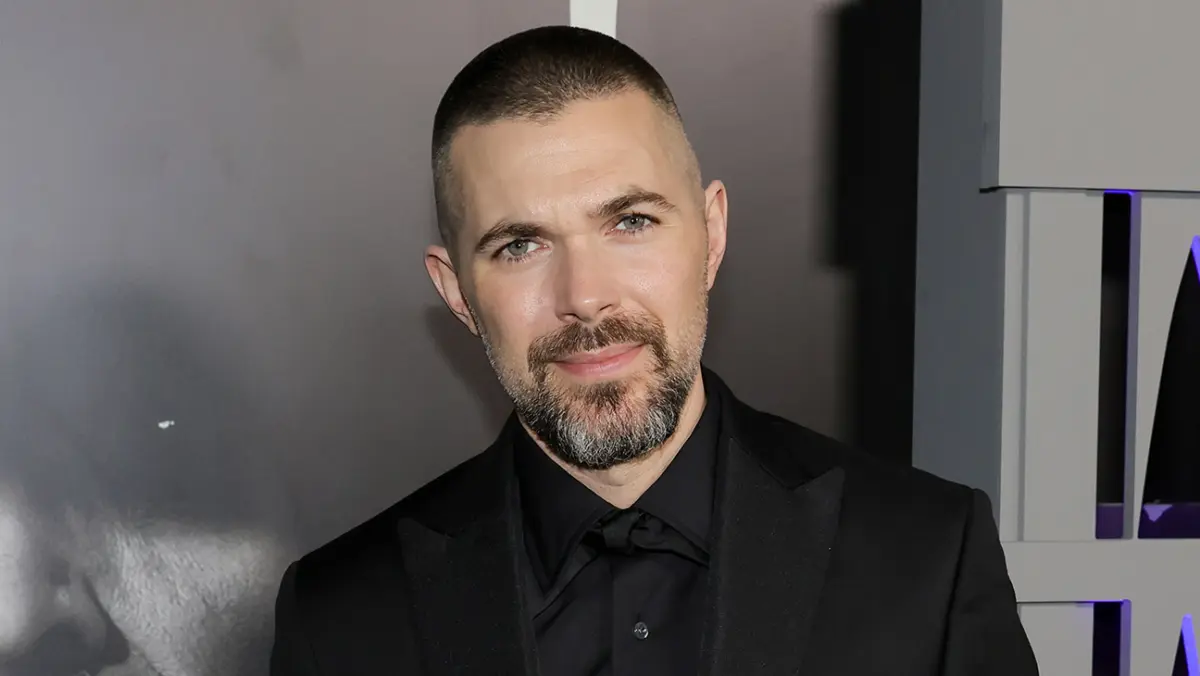
After more than five years of meticulously crafting atmospheric nightmares that have reshaped the landscape of contemporary cinema, filmmaker Robert Eggers has officially signaled his intention to pivot away from the horror genre. The director, whose unique brand of period-accurate, folk-horror storytelling has earned him a reputation as one of the most distinct voices in modern film, revealed his desire for a creative departure during a recent question-and-answer session held in Mexico.
Eggers, known for his relentless commitment to historical authenticity and psychological dread, expressed a clear desire to move beyond the thematic constraints he has operated within since his breakout success. "I’m eager not to continue purposely doing Robert Eggers’ House of Horror," he remarked to the audience. While he stopped short of declaring a permanent retirement from the genre, his comments underscore a significant shift in his career trajectory as he looks toward new narrative horizons.
The Chronology of a Master of Macabre
The trajectory of Robert Eggers’ career is marked by a series of critically acclaimed, high-concept projects that gradually cemented his status as a titan of the genre. His ascent began in 2015 with The Witch, a chilling exploration of religious hysteria in 17th-century New England. The film served as a litmus test for his style: stripped-back, dialogue-heavy, and deeply unsettling.
Following the success of The Witch, Eggers continued to explore the fringes of humanity and the supernatural. In 2019, he released The Lighthouse, a claustrophobic, monochromatic descent into madness that further showcased his penchant for period-specific language and nautical folklore. This progression culminated in his 2024 adaptation of Nosferatu, a film that paid homage to the roots of cinema while maintaining his trademark aesthetic intensity.
His current project, Werwulf, which is scheduled for a theatrical release on Christmas Day, serves as the latest entry in this dark catalog. Starring Aaron Taylor-Johnson, Lily-Rose Depp, and Willem Dafoe, the film is set in 14th-century England and depicts a town gripped by the terror of a predatory beast. It is within the context of promoting this latest endeavor that Eggers has begun to reflect on the psychological toll of sustained immersion in the horror genre.
Addressing the “Elevated Horror” Discourse
Beyond his personal career plans, Eggers also addressed the contentious industry debate surrounding the term "elevated horror"—a label often applied to his own work and that of his contemporaries. The discourse suggests a subgenre of horror that prioritizes thematic depth and prestige-level production over traditional "jump scares" or slasher tropes.
Eggers offered a nuanced perspective on the phenomenon. "There’s always been horror movies that don’t suck and there’s always been horror movies that are actually probing what darkness is in humankind," he noted. He traced the modern iteration of this trend back to 2014’s It Follows, while acknowledging that figures like Ti West were pioneering this approach even earlier.
The director posited that the rise of this "elevated" style is less about a new genre and more about a strategic shift in how auteur filmmakers secure financing. "There’s been a whole lot of filmmakers that have wanted to make personal films, really talented filmmakers with unique voices, and have realized that they can get financing if they do it as a genre film," he explained. By utilizing the framework of horror, these directors are able to tell deeply personal, experimental stories that might otherwise be deemed too niche for major studio backing.
Industry Context and the Shift Toward Shakespeare
The decision to pivot is not merely a creative whim but a calculated evolution of Eggers’ artistic scope. With his upcoming adaptation of William Shakespeare’s Romeo and Juliet for Focus Features, Eggers is signaling a move toward classic literary adaptation, a realm that allows for the intense character studies he favors without the atmospheric baggage of the horror genre.
The transition was hinted at earlier this year during a September screening at Beyond Fest. At the time, Eggers admitted that his creative process had become increasingly taxing. "I was doing something else. But what happened was, after Werwulf, I was writing another horror movie, and it got so dark again, and I was like, ‘I need a break. So, I’ll do something about two teenagers killing themselves,’" he shared.
This shift carries significant implications for the horror genre. Eggers’ films have historically performed well at the box office relative to their budgets, often turning into cult classics that drive discourse for years. His absence from the genre leaves a vacuum in the "prestige horror" market, a sector that has seen significant growth over the last decade.
Statistical Context: The Horror Boom
The hunger for horror to which Eggers referred is backed by robust industry data. According to recent box office analysis, horror remains one of the most profitable genres in Hollywood. Between 2014 and 2024, the horror genre consistently outperformed other categories in terms of Return on Investment (ROI). Films like The Conjuring universe, produced by James Wan, have grossed over $2 billion globally, demonstrating that the appetite for both traditional, scares-focused horror and more cerebral, auteur-driven projects remains at an all-time high.
However, the market is also showing signs of fatigue. With a saturation of horror releases in the post-pandemic era, studios are increasingly looking for "unique voices" to differentiate their slates. Eggers’ departure may encourage other filmmakers to follow suit, potentially leading to a diversification of the "prestige" market toward other genres, such as period dramas or psychological thrillers that do not rely on the supernatural.
Analyzing the Implications of the Pivot
The departure of a director of Eggers’ caliber from a genre he helped redefine creates a ripple effect. Critics and industry analysts suggest that his move to Shakespeare is a natural progression for a director who has always focused on linguistic precision and historical accuracy. The challenge for Eggers will be to maintain his distinct, uncompromising style within the confines of a story as well-trodden as Romeo and Juliet.
For the horror industry, the loss of Eggers is a loss of a primary innovator. However, the legacy he leaves behind is substantial. By proving that horror can be a medium for profound, complex, and high-art storytelling, Eggers helped elevate the genre’s standing with critics and awards bodies alike.
As Eggers prepares for his next phase, the film industry will likely monitor the reception of Werwulf closely. It represents the final chapter, at least for the foreseeable future, of a decade-long exploration of the dark corners of the human experience. Whether this break proves to be permanent or a temporary respite remains to be seen, but the filmmaker’s desire to step away from the "House of Horror" is a clear indication that he is ready to challenge himself in new, and perhaps equally complex, arenas.
Ultimately, Eggers’ career serves as a case study in how genre cinema can function as a vehicle for artistic integrity. As he transitions from the supernatural to the Shakespearean, the industry awaits to see if his transition to more traditional drama will carry the same visceral, haunting weight that has defined his work thus far. The move is a testament to his belief that a filmmaker’s voice is not defined by the genre they inhabit, but by the relentless pursuit of their own creative vision.