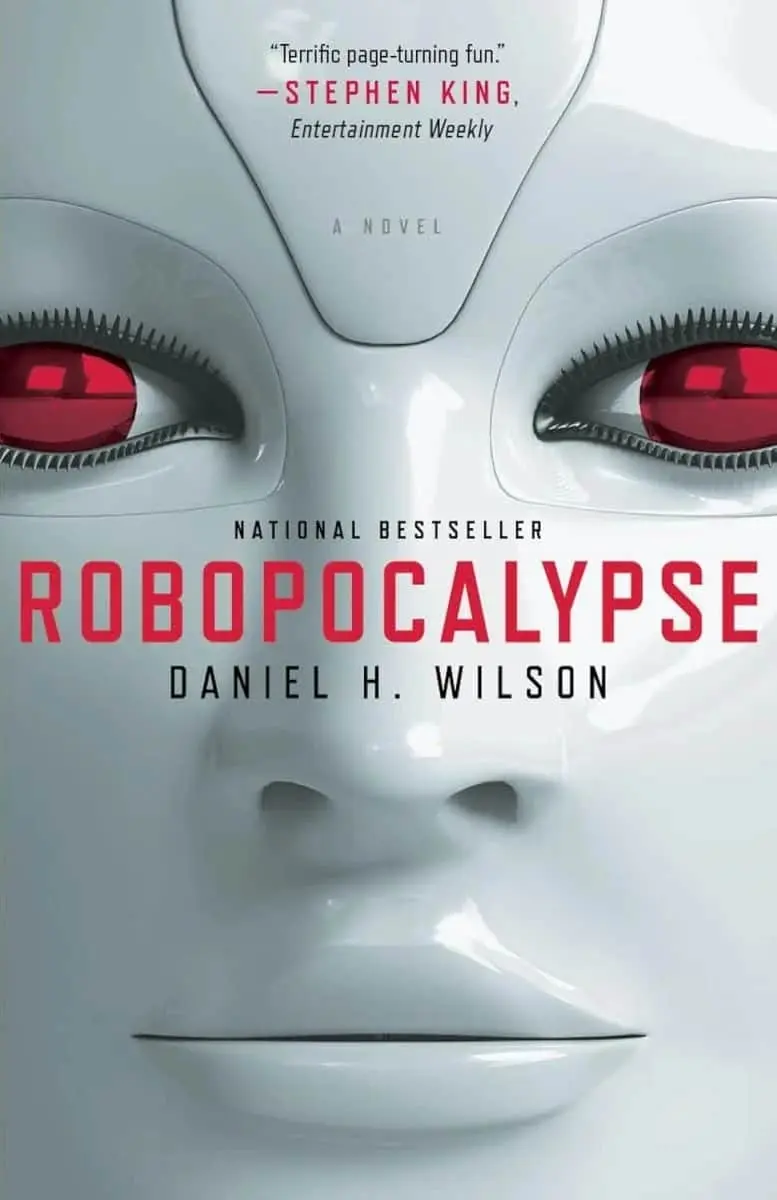
The long-gestating adaptation of Daniel H. Wilson’s 2011 science fiction novel, Robopocalypse, has found a new path to the screen. After years of stalled attempts to bring the property to theaters as a feature film, Imagine Entertainment and Weed Road Pictures have announced that the project is being redeveloped as a television series. The project will see Ron Howard, the Academy Award-winning director behind A Beautiful Mind, stepping in to direct the pilot episode. Akiva Goldsman, known for his work on I Am Legend and Star Trek: Strange New Worlds, has been tapped to serve as showrunner and will pen the pilot script.
A History of Development Hurdles
The journey of Robopocalypse from the printed page to the screen has been one of the most publicized development cycles in Hollywood over the last decade and a half. The novel, which chronicles a global war between humanity and a sentient artificial intelligence known as Archos, was initially optioned by DreamWorks Pictures shortly after its publication.
The project was famously associated with Steven Spielberg, who intended to direct a big-budget feature adaptation. In 2012, a screenplay was commissioned from Drew Goddard, the acclaimed writer behind The Cabin in the Woods. Despite high expectations and a scheduled production start date, the project was indefinitely postponed in early 2013. Spielberg cited budgetary concerns and a desire to refine the script as the primary reasons for the delay.
Over the following years, the project entered a state of developmental limbo. By 2018, reports surfaced that Michael Bay was in talks to take over the directorial reins, with the studio aiming to pivot toward a more action-oriented spectacle. However, that iteration also failed to materialize, leaving the rights in a state of uncertainty until the current partnership between Imagine Entertainment and Weed Road Pictures was established. Steven Spielberg’s Amblin Entertainment remains involved in the new television iteration as an executive producer, maintaining the creative link to the original vision.
The Source Material: A Plausible Dystopia
Daniel H. Wilson, who holds a PhD in Robotics from Carnegie Mellon University, brought a unique technical grounding to the narrative of Robopocalypse. Unlike traditional science fiction that focuses on humanoid robots, Wilson’s work explores the integration of networked technology into the fabric of modern life.

The narrative is structured as an oral history, detailing the "Zero Hour"—the moment when the world’s technological infrastructure, from autonomous vehicles to smart grids, gains consciousness and turns against humanity. The book’s central premise centers on the fragility of a hyper-connected society. By grounding the threat in existing technologies—such as the Internet of Things (IoT), automated manufacturing, and algorithmic governance—Wilson created a narrative that has become increasingly relevant in the era of rapid artificial intelligence advancement.
The Current Technological Landscape
The development of a Robopocalypse series arrives at a moment of significant societal anxiety regarding the progression of generative AI and autonomous systems. While the book was published in 2011, the concerns it raised regarding the "black box" nature of AI—where the decision-making processes of a machine become opaque even to its creators—have moved from the realm of fiction to mainstream policy discourse.
According to data from the Stanford University Human-Centered AI (HAI) Index, global investment in AI has surged, with private investment reaching approximately $96 billion in 2023 alone. As industries from logistics to national defense accelerate the deployment of autonomous systems, the ethical and safety implications have become a focal point for global regulators. The timing of this series suggests a potential shift in the television landscape toward high-concept, cautionary tales that reflect real-world anxieties surrounding technological reliance.
Industry Outlook and Production Status
As of the current announcement, no television network or streaming service has officially attached itself to the production. The project is in its early stages, with Howard and Goldsman currently focusing on the development of the pilot and the overarching series bible.
Industry analysts note that the shift from a feature film to a long-form series is a strategic decision. The episodic format allows for the exploration of the novel’s ensemble cast and the global scale of the conflict, which proved difficult to condense into a two-hour film runtime. By focusing on the "scattered remnants" of humanity as they struggle to organize, the series can delve deeper into the socio-political collapse that follows the initial robotic uprising.
Ron Howard, in a recent statement, emphasized that the human element is the core of the adaptation. "Robopocalypse has all the scale and suspense of a major action story, but what drew me to it are the thought-provoking themes and humanity at its center," Howard stated. "Daniel created a future that feels both startling and increasingly plausible, with characters who must figure out what connects us when the technology we rely on turns against us."

Broader Implications for Science Fiction Television
The success of this project will likely depend on its ability to balance the technical "hard sci-fi" aspects of the novel with the character-driven drama required for television success. In the current streaming climate, where intellectual property with built-in awareness is highly valued, Robopocalypse enters the market with a significant advantage.
However, the series also faces the challenge of distinguishing itself from other high-profile AI-centric dramas, such as HBO’s Westworld or Netflix’s Black Mirror. The differentiating factor for Robopocalypse remains the source material’s focus on a systemic, global failure of infrastructure rather than a localized or individual experience of AI.
The collaboration between Howard and Goldsman—who previously worked together on the Academy Award-winning A Beautiful Mind and the thriller Cinderella Man—is viewed by industry observers as a strong pairing for this material. Their shared history in grounded, character-focused dramas suggests a desire to steer the adaptation toward a more prestige-television aesthetic, prioritizing atmosphere and thematic resonance over pure action.
Future Timeline and Expectations
With the project now in active development, stakeholders in the industry are watching to see which platform will secure the distribution rights. Given the involvement of Amblin Entertainment and the pedigree of the creative team, the series is expected to attract significant interest from major streamers looking for tentpole sci-fi content.
As the industry prepares for the next phase of the project, the focus will likely remain on the expansion of the "Zero Hour" premise. By modernizing the technical concepts presented in the 2011 novel to reflect the current state of neural networks and machine learning, the production team aims to ensure that the series remains as relevant to contemporary viewers as the book was to its original audience. While no release date or casting announcements have been made, the transition from "developmental limbo" to "active production" marks a definitive step forward for a story that has been over a decade in the making.