The arrival of the autumn season typically signals a significant shift in consumer viewing habits, with data from major streaming platforms consistently reflecting a surge in the demand for horror content throughout September and October. Tubi, the ad-supported video-on-demand service owned by Fox Corporation, maintains a library of over 13,000 hours of horror-centric programming. As the platform enters its latest content rotation cycle, five specific titles—Rob Zombie’s Halloween II, the 1989 slasher classic Intruder, Tom Savini’s 1990 reimagining of Night of the Living Dead, the Stephen King adaptation Silver Bullet, and the psychological thriller Would You Rather—have emerged as focal points for the service’s curated Terror on Tubi hub.

Historical Context and Market Trends in Horror Streaming
The horror genre has historically proven to be one of the most resilient categories in the entertainment industry. According to industry analysts, horror films consistently offer high returns on investment due to relatively modest production budgets compared to blockbusters, coupled with a highly dedicated fan base that sustains long-term engagement. Streaming services like Tubi have leveraged this by providing free, ad-supported access, effectively lowering the barrier to entry for viewers who might otherwise be discouraged by subscription fees.
The "Terror on Tubi" initiative serves as a strategic marketing vehicle designed to organize this vast inventory into accessible thematic blocks. By categorizing films by sub-genre and seasonal relevance, the platform facilitates user retention. As of the third quarter of 2026, Tubi’s viewership demographics suggest that horror remains a top-performing vertical, particularly among younger audiences (ages 18–34), who utilize the platform to discover both contemporary releases and historical cult classics.

Chronology of the Selected Titles
The films highlighted in the current rotation span four decades of cinema, representing a diverse cross-section of horror evolution.
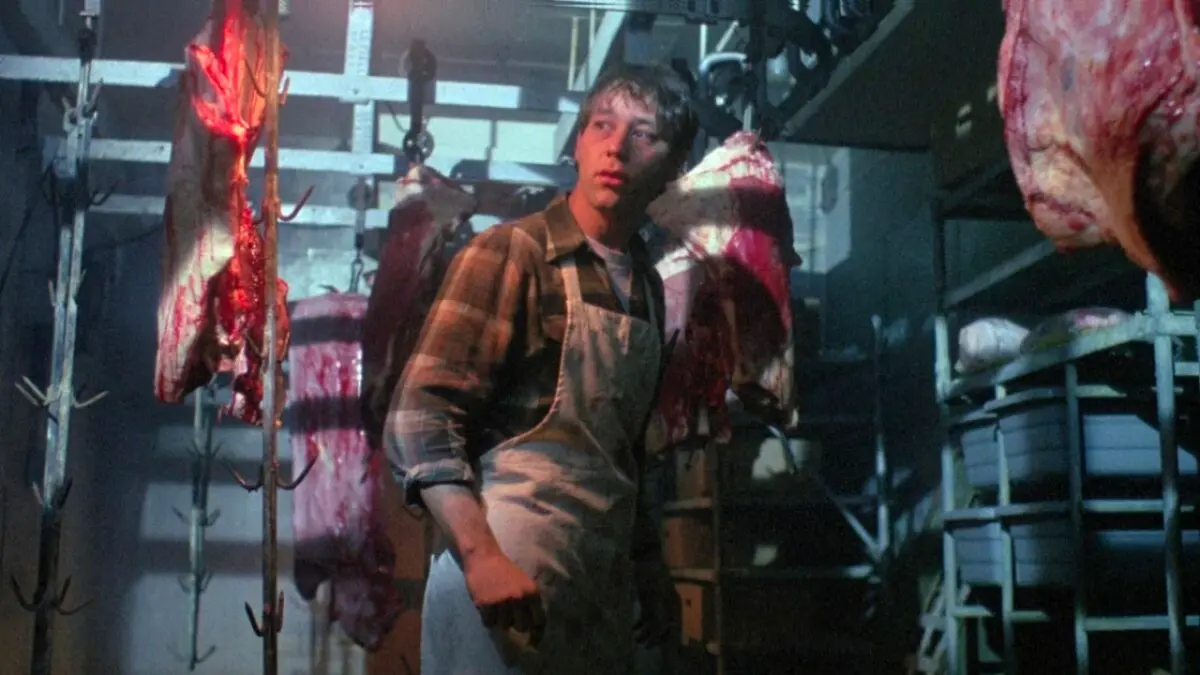
- Intruder (1989): Released at the tail end of the 1980s slasher boom, this film represents a transitional period in the genre. Its production featured early professional contributions from industry staples Ted and Sam Raimi. Despite its initial limited commercial impact, it has since achieved status as a cult classic, serving as a case study for how independent films gain longevity through home video and, subsequently, streaming.
- Night of the Living Dead (1990): Directed by special effects artist Tom Savini, this production represents a significant moment in the history of film remakes. By updating George A. Romero’s 1968 foundational text, the 1990 version sought to modernize the technical aspects of the zombie sub-genre. Notably, it shifted the narrative agency of the character Barbara, moving her from a passive victim to a proactive survivor.
- Silver Bullet (1985): Based on Stephen King’s novella Cycle of the Werewolf, this film underscores the influence of literary adaptation on 1980s horror. It represents a period where high-concept creature features were a mainstay of studio production, utilizing practical effects that remain a subject of study for film historians and practical effects artists today.
- Halloween II (2009): Directed by Rob Zombie, this film functions as a sequel to his 2007 remake of the original John Carpenter classic. It remains a polarizing entry in the franchise, representing a shift toward more visceral, psychological, and stylized depictions of the slasher trope. Its inclusion in the current rotation highlights the continued debate regarding the necessity of auteur-driven remakes in long-running horror franchises.
- Would You Rather (2012): Representing the modern era of the "gameshow-horror" sub-genre, this film reflects the socio-economic anxieties of the early 2010s. Its premise, which pits the economically vulnerable against the ultra-wealthy, aligns with a broader trend in horror cinema that utilizes the genre as a vehicle for social commentary.
Production Analysis and Technical Contributions
The selection of these films offers a technical timeline of special effects and directorial approaches. The transition from the practical, latex-based effects seen in the 1985 and 1989 selections to the more aggressive, gritty aesthetic of the 2009 and 2012 titles illustrates a broader industry move toward different methods of inciting audience fear.

For instance, the 1990 Night of the Living Dead is often cited by film critics for its superior prosthetic work compared to the original, a direct result of Savini’s background in makeup design. Conversely, the 2009 Halloween II is analyzed for its abandonment of the traditional "stalk-and-slash" pacing, opting instead for a dream-like, surrealistic narrative structure that explores the psychological trauma of the protagonist.
Broader Industry Implications and Audience Engagement
The strategy of curating legacy horror titles on free, ad-supported platforms (FAST) has significant implications for how intellectual property is managed. By licensing films that are no longer in active theatrical distribution, studios can generate recurring revenue through ad impressions. This model benefits both the distributor and the consumer, as it provides a platform for legacy films to find new generations of viewers without requiring the overhead of physical media manufacturing.

Furthermore, the data collected from such hubs allows studios to assess which sub-genres currently resonate most effectively with audiences. For example, if "Would You Rather" experiences higher completion rates than older slasher titles, it may indicate a preference for high-stakes, psychological thrillers over traditional slasher tropes. This feedback loop is essential for studios as they determine which properties to greenlight for future remakes or sequels.
Accessibility and Future Outlook
The "Terror on Tubi" hub is accessible via web browsers and mobile applications, requiring no mandatory user registration. This low-friction model is a cornerstone of the platform’s growth strategy. As the horror genre continues to expand—with an increasing number of independent productions seeking distribution—the role of such curated platforms becomes increasingly vital.

While these five titles represent the current seasonal focus, they are indicative of the wider trend in digital media where the "back catalog" is treated with as much marketing importance as new releases. For the horror genre specifically, this means that the line between "classic" and "contemporary" is increasingly blurred, allowing for a diverse viewing experience that spans over 40 years of cinematic history.
As the industry moves toward the final quarter of the year, the reliance on such curated collections is expected to intensify. With thousands of hours of content available, the success of these specific selections will likely inform the curation strategies for the upcoming holiday and winter seasons, ensuring that the horror genre maintains its position as a primary driver of engagement in the digital streaming ecosystem.